Telepresence robots Australian aged care facilities implement provide a vital link between residents, families, and healthcare specialists to combat social isolation. These AI-driven tools support daily engagement and dementia care by facilitating virtual visits; they serve as a practical supplement to human staff rather than a total replacement.
Senior living executives across Australia face a relentless challenge; providing high quality, person centered care while managing acute specialist shortages and geographical isolation. Traditional video conferencing often falls short of creating a meaningful connection, leaving staff burdened and families feeling distant. This technological gap requires a transition from stationary screens to mobile, autonomous presence. In this guide, we examine how telepresence robots streamline clinical rounds and remote nursing support, specifically tailored for the Australian residential landscape. You will discover practical strategies for facilitating specialist consultations, enhancing family engagement without increasing staff workload, and navigating the critical requirements for technical deployment. We also address the essential balance between automation and the human touch, ensuring your facility remains at the forefront of modern care delivery.
The Evolution of Virtual Care in Australian Residential Aged Care Facilities
The Australian aged care landscape is undergoing a significant digital transformation, guided by the Australian Government’s Aged Care Data and Digital Strategy 2024 to 2029. This framework moves the sector beyond basic digitisation toward true digital maturity, where technology is embedded into the clinical and social fabric of residential care. In this context, telepresence robots Australian aged care facilities are now adopting are no longer viewed as optional luxuries; they are essential tools for operational resilience.
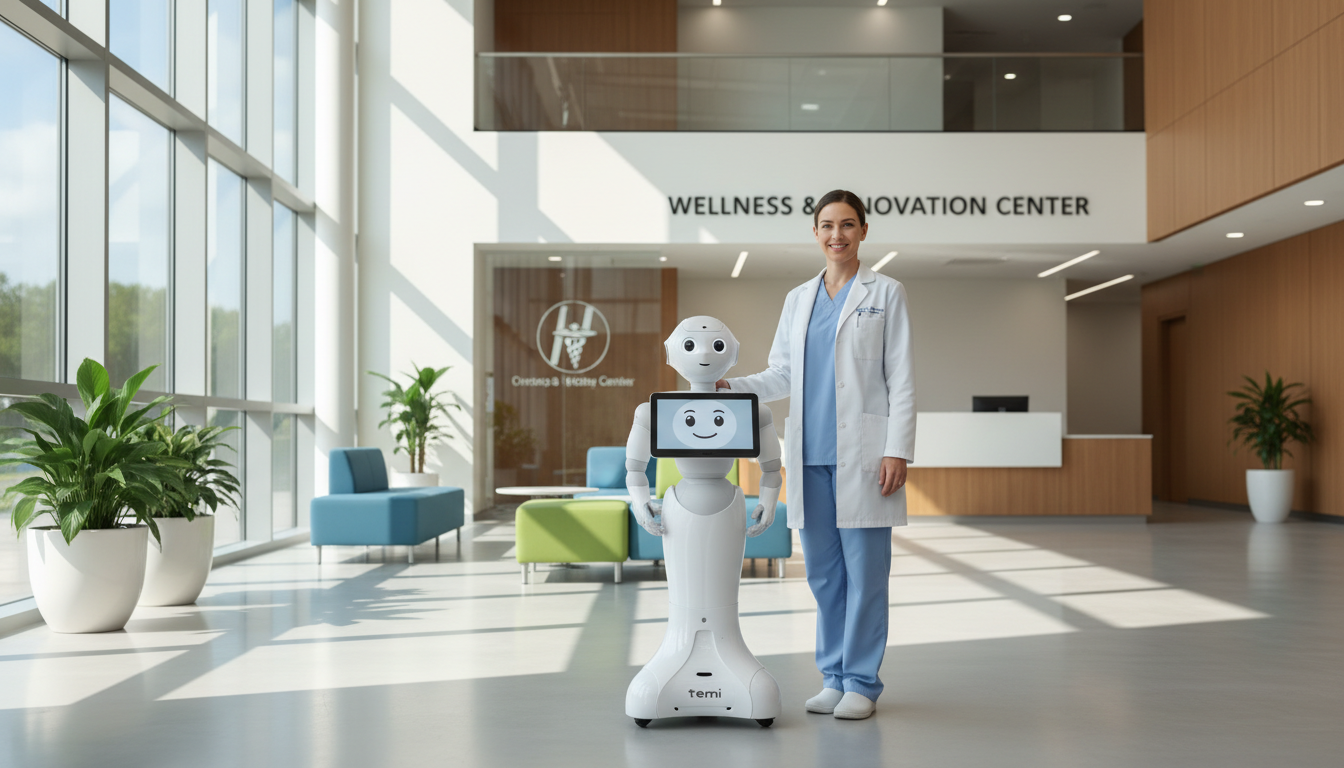
Facility managers often differentiate telepresence from standard video conferencing based on the level of autonomy provided. While a Zoom call on a laptop or tablet was a vital stopgap during the pandemic, it remains a static, tethered solution. It requires a staff member to transport, hold, and manage the device, which adds to the workforce burden. In contrast, mobile robots like temi provide genuine presence. This involves the ability for a remote clinician or family member to move independently through a space, navigate hallways, and engage with residents without requiring a staff member to act as a tripod.
We are seeing a strategic shift from the reactive, emergency telehealth responses of recent years toward long term operational efficiency. By implementing telepresence and autonomous mobile robot solutions, providers can address persistent workforce shortages while improving clinical oversight. As specialists in robotics integration in healthcare, we focus on how these mobile systems bridge the gap between remote expertise and physical facility requirements.
Optimising Virtual Clinical Rounds and Remote Nursing Support
The 2021 Royal Commission findings highlighted the critical nature of workforce shortages in Australian aged care. For a facility manager in regional Victoria, this reality often translates to excessive call-out fees for after-hours registered nurses or GPs. Optimising virtual clinical rounds through telepresence and autonomous mobile robot solutions offers a direct countermeasure to these pressures. By enabling off-site clinicians to virtually walk the halls, facilities can maintain a high standard of clinical oversight without the logistical delays of physical travel.
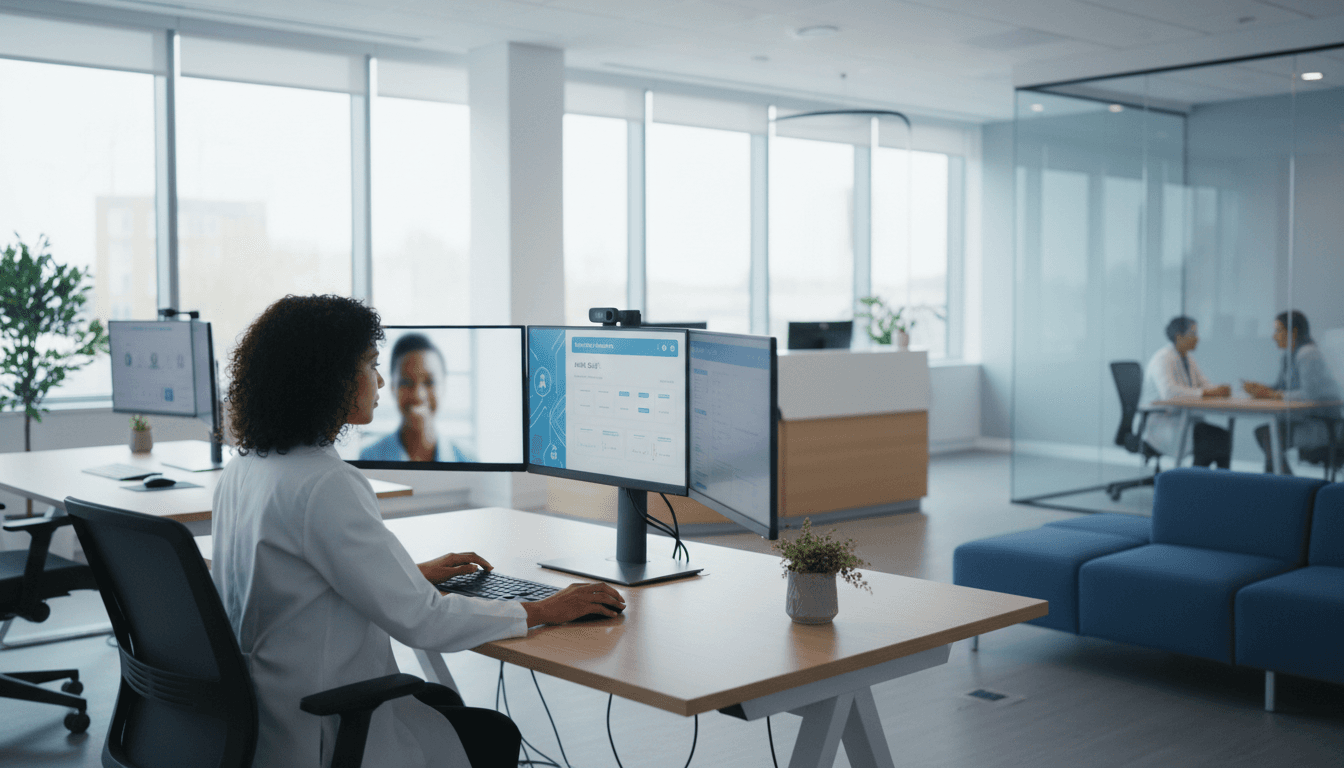
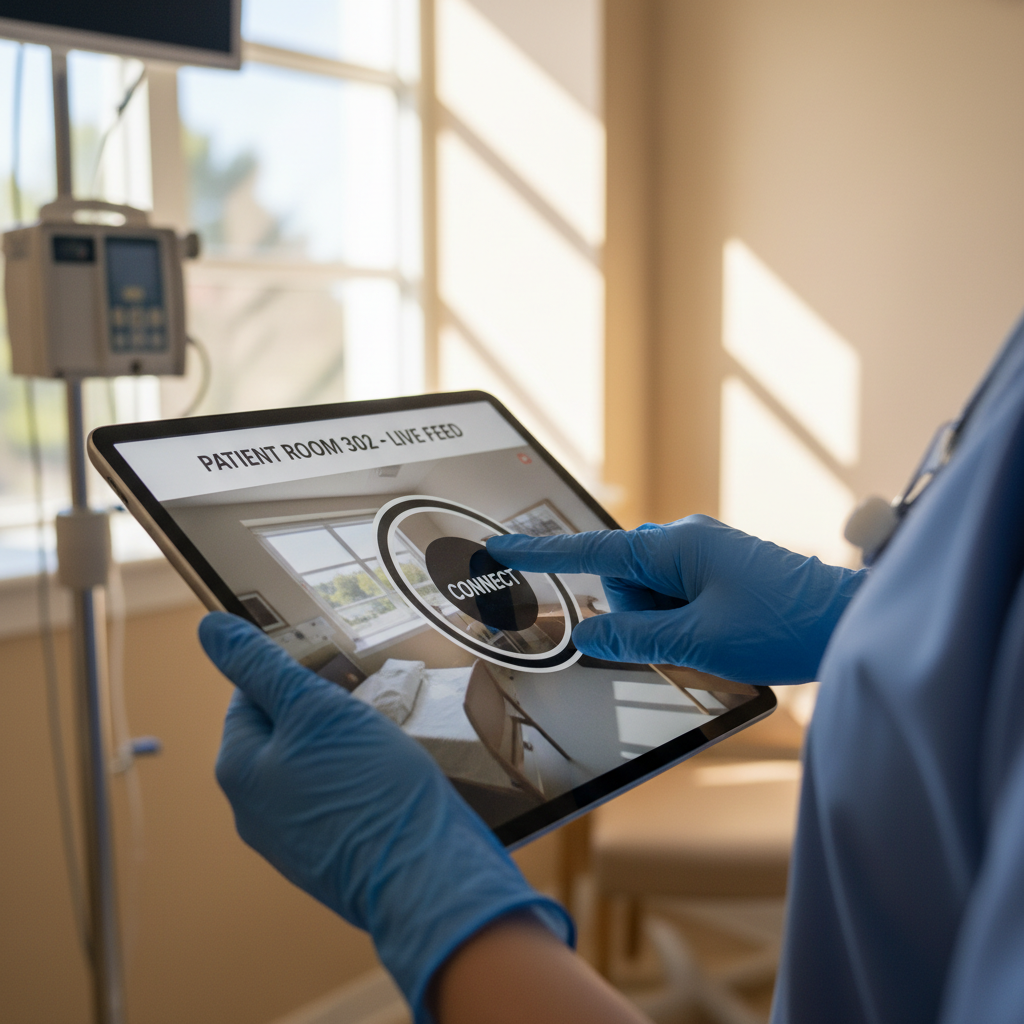
The workflow begins when an off-site GP or a night-shift registered nurse logs into the secure interface from their clinic or home. Using autonomous navigation, the robot travels to a specific resident’s bedside, navigating around furniture and through doorways independently. Unlike a fixed video call on a tablet, the mobile robot’s high-definition cameras allow for detailed clinical observations that were previously impossible remotely. A clinician can zoom in to perform a precise wound assessment, checking for signs of infection, or monitor a resident's respiratory rate through clear visual cues. This level of detail is vital for determining whether a resident requires an immediate hospital transfer or if their condition can be managed in-house.
The financial impact of this shift is significant. Traditional call-out fees and the associated administrative burden of coordinating emergency visits can strain already tight budgets. By using telepresence robots Australian aged care facilities can facilitate more frequent, shorter check-ins that prevent minor issues from escalating into acute emergencies.
Implementing these systems involves more than just hardware; successful adoption requires robotics integration in healthcare that aligns with existing clinical workflows. For example, custom software integration can ensure that the robot’s navigation paths respect facility-specific quiet zones or restricted areas. By reducing the reliance on physical call-outs, Melbourne facilities can redistribute their budget toward enhancing direct resident care. If you are assessing your facility’s technical readiness for these systems, you can contact our Melbourne team to discuss local implementation standards and workflow design.
Expanding Resident Access to Specialist Consultations via Robotics
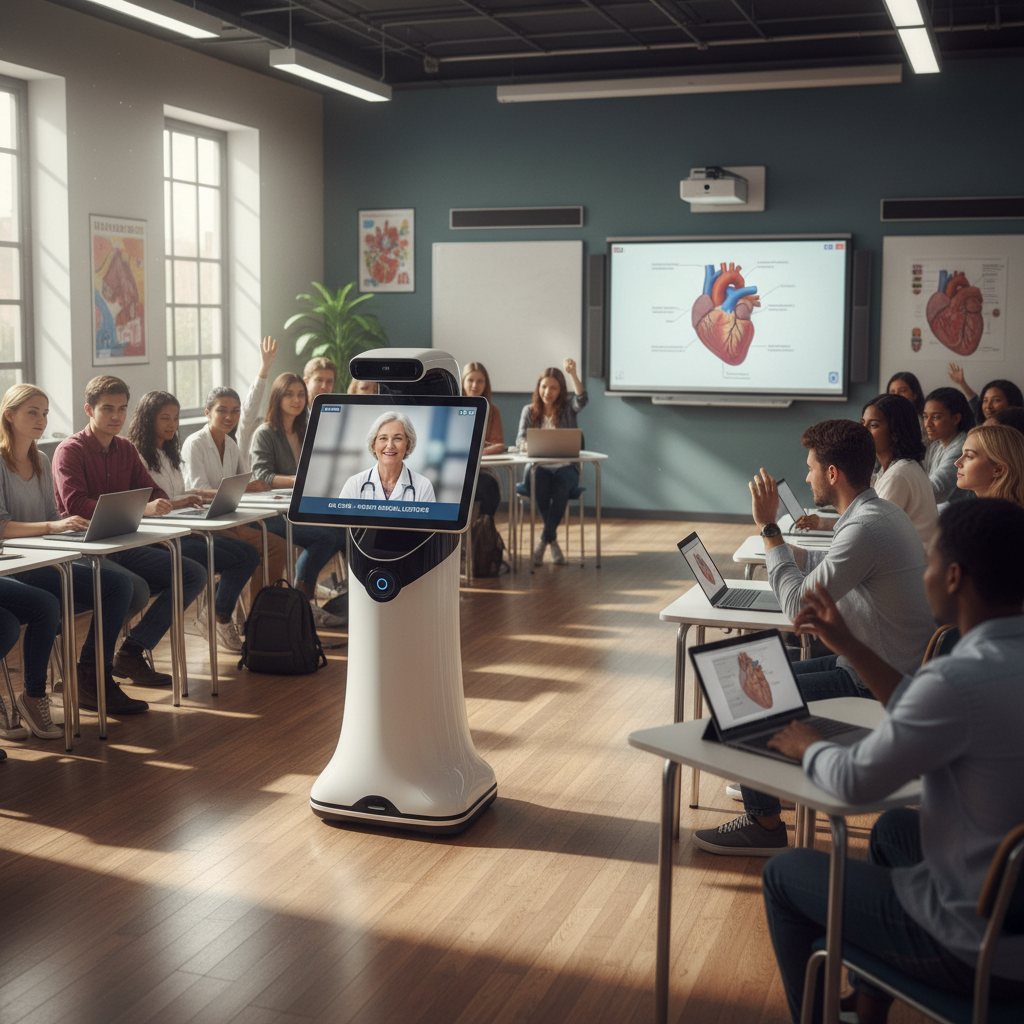
Moving a frail resident from a facility to a metropolitan hospital for a specialist consultation is often a traumatic experience. Beyond the logistical complexity, the physical strain of transport can lead to increased agitation or fatigue in residents with cognitive decline. By deploying telepresence and autonomous mobile robot solutions, facility managers can facilitate in-reach consultations, effectively bringing the specialist to the resident. This model allows geriatricians, psychiatrists, and allied health professionals to conduct high-quality assessments from their own clinics. Unlike traditional telehealth, the specialist has the agency to move the robot, observing the resident in their natural environment or adjusting the camera angle to better view physical symptoms.
The efficacy of these consultations depends heavily on technical precision. Clinical accuracy requires crystal clear audio to capture subtle speech patterns during psychiatric evaluations, along with stable, high-bandwidth connectivity to prevent video lag during physical assessments. A pixelated image or dropped audio can lead to misdiagnosis or patient frustration. We focus on robotics integration in healthcare by ensuring that telepresence robots Australian aged care facilities use are calibrated for these sensitive interactions. This includes optimizing the onboard microphone arrays and ensuring seamless hand-offs between Wi-Fi access points to prevent disconnection while moving.
Financially, the in-reach model provides significant relief. Facilities often bear the high costs of non-emergency patient transport and the wages of a staff escort; costs that vanish when the specialist visits virtually. Transitioning to telepresence reduces these overheads while ensuring residents receive timely care. If your facility needs to map out these technical requirements, you can contact our Melbourne team to discuss local implementation and custom software integration to streamline the booking process.
Facilitating Remote Family Visits without Increasing Staff Workload
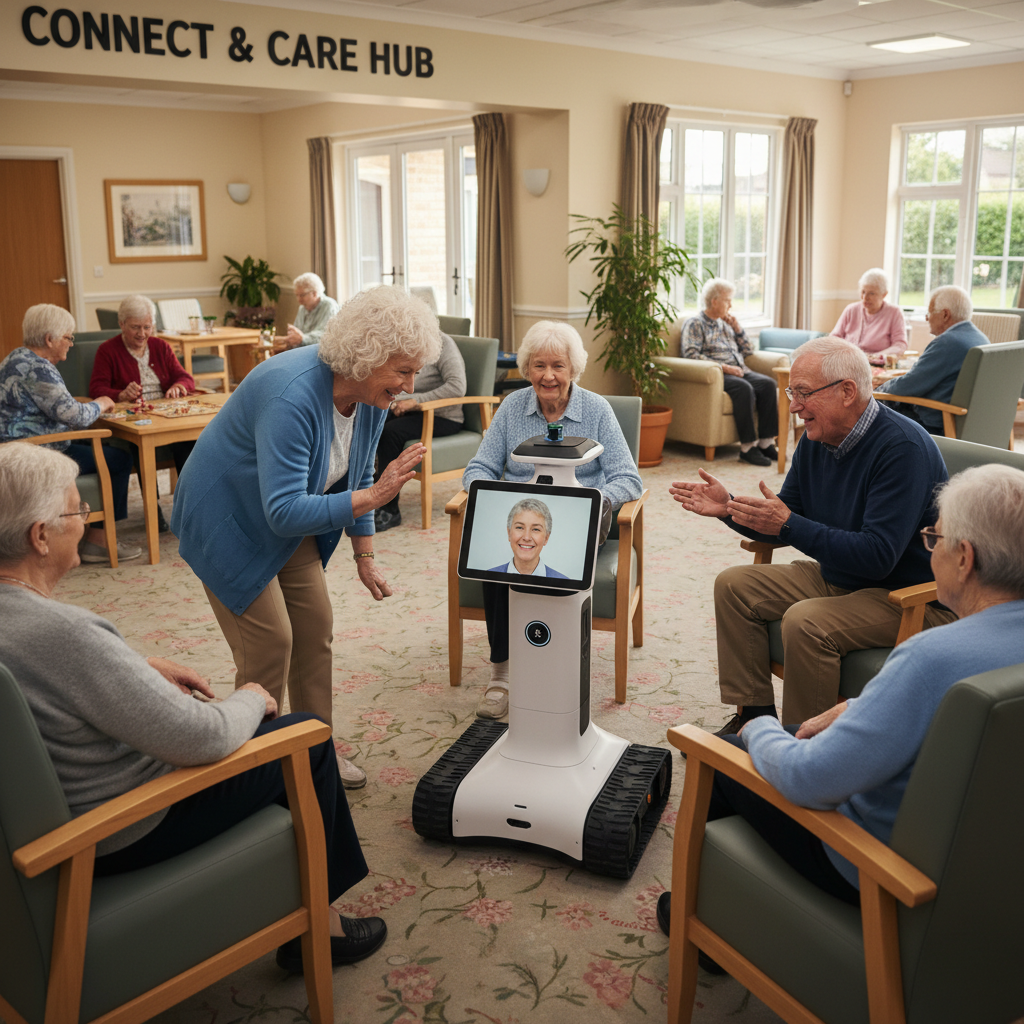
Beyond clinical applications, addressing social isolation is a priority for facility leaders. The loneliness factor is a significant risk for resident well-being, yet managing regular family communication often strains limited resources. Historically, video calls required lifestyle coordinators to manually transport tablets and stay with the resident, a process that consumes hours of staff time each week. By deploying telepresence and autonomous mobile robot solutions, providers can automate this process and improve staff efficiency.
These systems allow family members to visit via a smartphone app. Using autonomous navigation, the family member can remotely drive the robot from its charging dock directly to a resident’s room or a shared lounge. This independence eliminates the need for a staff member to facilitate the call or hold a device. For Melbourne facility managers, the primary advantage of these telepresence robots Australian aged care facilities are adopting is the immediate staff time-savings. Instead of managing logistics, staff can focus on providing physical, hands-on care. We specialize in robotics integration in healthcare to ensure these social interactions are seamless. If you are looking to streamline these interactions, contact our Melbourne team to discuss how custom software integration can manage visitor access and scheduling without adding to the daily workload of your frontline team.
Addressing Common Concerns: Privacy, Empathy, and the Human Touch
Addressing concerns about the negative sides of using robots requires a clear Assistant, not Replacement philosophy. Telepresence robots are not designed to provide physical comfort or replace the intuitive touch of a nurse; they serve as the logistical backbone for communication. By delegating the repetitive task of positioning devices or escorting residents to video calls, staff gain back valuable time for the physical, empathetic care that remains the heart of the sector.
Privacy and data security are equally paramount, particularly under the Australian Government Aged Care Data and Digital Strategy. To mitigate risks, we ensure the telepresence robots Australian aged care facilities deploy use end-to-end encrypted connections to prevent unauthorised access to video feeds. Furthermore, Exaptec addresses the intrusive nature of robotics through specific digital protocols.
Our custom software integration includes knock-to-enter features, where a resident must accept a call before the camera activates. This ensures that telepresence and autonomous mobile robot solutions respect the resident's room as a private sanctuary rather than a monitored zone. Through precise robotics integration in healthcare, we ensure technology supports dignity rather than diminishing it, allowing providers to maintain high ethical standards while improving operational scale. If you have specific compliance questions, you can contact our Melbourne team to review our security frameworks.
Technical Readiness: What Facility Managers Need to Know Before Deployment

Successful deployment relies on a facility’s technical foundation. A thorough infrastructure audit is the first step toward effective robotics integration in healthcare, ensuring that hardware performs reliably in a clinical setting.
Deployment Readiness Checklist:
Wi-Fi Connectivity: A dedicated Wi-Fi mesh network is essential. Because these robots move between rooms, the network must support seamless roaming without dropping the connection. Dead zones in corridors or resident suites will disrupt clinical rounds or family visits.
Flooring and Transitions: Most systems are designed for hard surfaces like vinyl or low pile commercial carpet. Managers should identify high thresholds or thick rugs that might obstruct autonomous movement.
Charging Dock Placement: Docks require a permanent location with a clear line of sight for the robot to return autonomously. These must be placed near standard Australian GPO outlets and away from high traffic thoroughfares to avoid trip hazards.
Safety and Compliance: All equipment must adhere to AS/NZS 3760 standards for electrical safety, including regular testing and tagging. Furthermore, data handling must strictly comply with the Australian Privacy Principles (APPs).
Technological readiness also includes your team. Comprehensive staff training is a core part of the custom software integration we provide, ensuring nurses and lifestyle coordinators feel confident operating the hardware. If you are uncertain about your facility’s current infrastructure, you can contact our Melbourne team for a site assessment to ensure the telepresence robots Australian aged care providers use are fully optimised for your specific environment.
The Exaptec Approach to Robotics Integration in Victoria and Beyond
Purchasing hardware is only the first step toward digital maturity. The primary hurdle for providers is bridging the gap between a standalone device and a functioning clinical workflow. At Exaptec, we specialize in this transition. Based in Melbourne, we act as your local integration partner, ensuring that telepresence robots Australian aged care facilities deploy are fully synchronized with daily operations.
Our process involves more than just unboxing. We provide custom software integration to tailor the robot’s interface to your specific reporting needs and safety protocols. This includes local technical support and rigorous compliance checks to meet Australian healthcare standards. We understand the nuances of Victorian and national regulations, helping your facility navigate data privacy and electrical safety with confidence.
By focusing on robotics integration in healthcare, we ensure that these telepresence and autonomous mobile robot solutions solve workforce gaps rather than creating new technical burdens. From our VIC headquarters, we support facilities across Australia with on-site training and long term maintenance. To begin your deployment, contact our Melbourne team for a consultation on building a sustainable, robot-assisted care model.
Successfully integrating telepresence technology into aged care requires a thoughtful balance of technical setup and staff engagement. When implemented correctly, these robots significantly enhance social connectivity for residents and streamline communication for busy care teams. If you want expert help selecting and deploying the right systems for your facility, you can read more about our team and our approach to robotics. We focus on making advanced technology accessible and practical for every unique care environment in Australia.