
Australian robotics compliance 2026 healthcare education regulations mandate that AI-driven software and autonomous systems meet updated TGA safety standards to be classified as medical devices. Organizations must align their technology with the National Robotics Strategy and rigorous privacy laws to ensure legal operation within medical and training environments. These frameworks prioritize cybersecurity, data transparency, and clinical effectiveness for all robotic integrations by the 2026-27 period.
As we approach 2026, many Australian healthcare and education facilities are finding that their robotics investments are colliding with a tightening web of legislative oversight. The days of treating service robots as mere gadgets are over; instead, leaders are facing a rigorous regulatory convergence that demands immediate attention. Navigating the TGA's 2026 compliance priorities alongside strict new Privacy Act reforms requires more than just technical knowledge. It requires a strategic understanding of how autonomous systems fit into the evolving legal framework. This article breaks down the essential shifts in medical device classification, workplace safety amendments, and transparency requirements for automated decision-making. You will gain a practical roadmap to ensure your facility remains compliant while leveraging the efficiency of automation. From Aged Care Reform to the National Robotics Strategy, we provide the expert clarity needed to navigate this transition.
The 2026 Regulatory Convergence: Why Healthcare and Education Leaders Must Act Now
Melbourne based hospitals, aged care providers, and schools are entering a period of unprecedented "Regulatory Convergence." In 2026, several major legislative updates will intersect, fundamentally changing how autonomous systems are deployed across Australia. For local facility managers and IT directors, navigating Australian robotics compliance 2026 healthcare education regulations means recognizing that a robot is no longer just a hardware asset. It is now a complex integration project involving the Therapeutic Goods Administration (TGA), the Privacy Act 1988, and updated Workplace Health and Safety (WHS) standards.
The timeline for these changes is condensed. The TGA will introduce new guidance on AI and medical software in July 2026, while the critical deadline for Privacy Act reforms arrives on December 10, 2026. These updates require organizations to move beyond basic operational testing. They must now account for automated decision making transparency, data residency, and the specific "intended purpose" of their robots. Successfully managing this shift requires specialized robotics integration services to ensure that hardware, custom software, and staff training all align with these overlapping Victorian and federal mandates. Waiting until late 2026 to audit existing systems creates significant risk for facility operators who must prove their autonomous systems are both safe and legally transparent.
TGA Compliance Priorities 2026 and 2027: When Your Robot Becomes a Medical Device
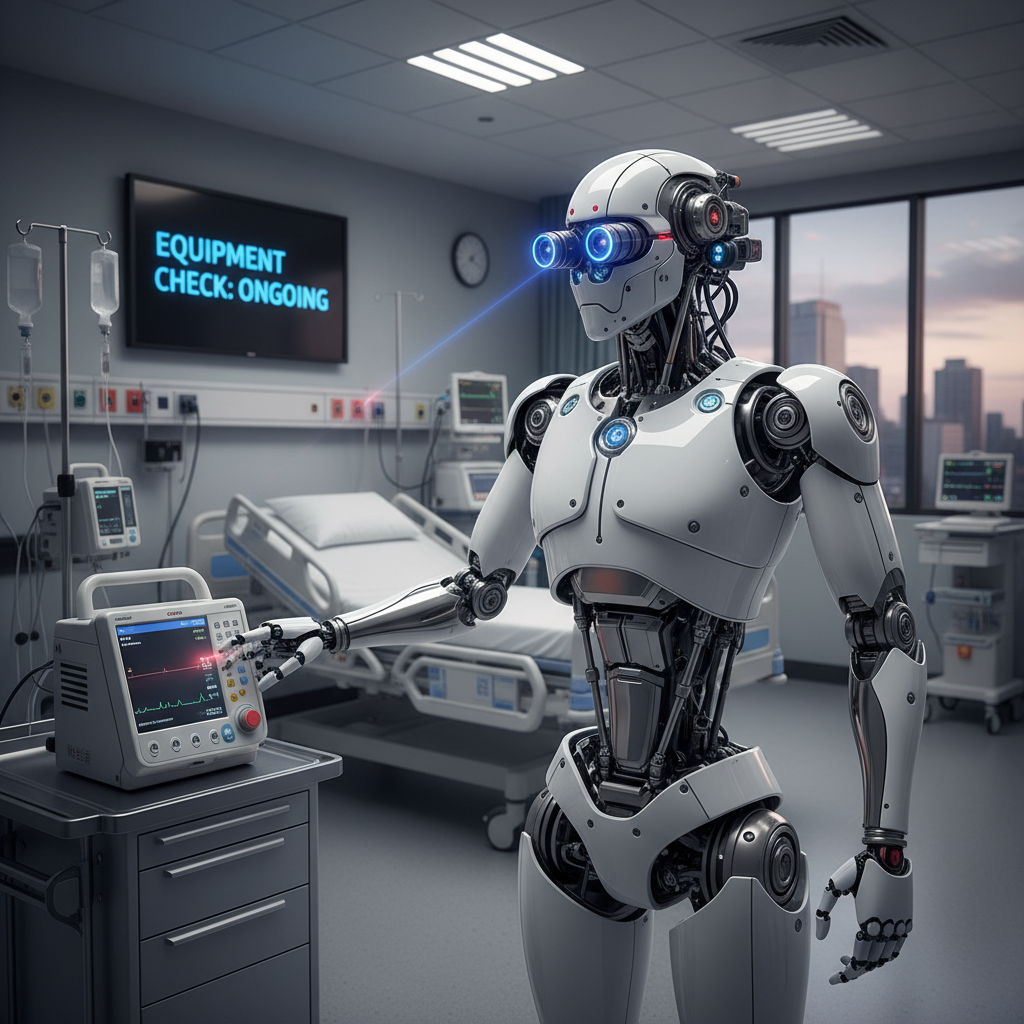
The Therapeutic Goods Administration (TGA) has set July 2026 as a pivotal milestone for its updated guidance on Artificial Intelligence and Software as a Medical Device (SaMD). For facility managers, the most critical factor is the 'Intended Purpose' test. This test determines whether a robotic system is simply a facility tool or a regulated medical device requiring inclusion in the Australian Register of Therapeutic Goods (ARTG). If a robot, such as a Temi or a custom AMR, is utilized for clinical monitoring, diagnostic support, or interpreting patient data, it likely crosses the threshold into the regulated medical device category.
Distinguishing between general facility robots and regulated devices requires a granular look at software functions. A robot used solely for secure delivery or facility navigation remains a general workplace tool; however, once the custom robotics software integration includes algorithms for fall detection, vital sign analysis, or medication administration alerts, the TGA considers the software to have a therapeutic intent. Scope creep during the development of bespoke features can inadvertently move a project into a high-stakes regulatory bracket, making early auditing essential.
For the 2026-2027 cycle, the TGA is shifting toward a proactive, risk-based enforcement strategy. This means the regulator will prioritize audits on autonomous systems that directly impact patient safety or clinical outcomes. Compliance is not just about the hardware; it involves proving the safety and effectiveness of the AI through rigorous evidence of performance and cybersecurity resilience. Organizations must ensure their staff training for robotics includes protocols for identifying off-label use, which is a major focus area for TGA inspectors. Navigating these Australian robotics compliance 2026 healthcare education regulations requires a clear understanding of how the TGA views the intersection of digital work systems and clinical care, ensuring that every automated decision is backed by validated, compliant software architecture.
Privacy Act 1988 Reforms: Automated Decision Making Transparency in Schools and Aged Care
Beyond clinical safety, the data handling capabilities of autonomous systems face new scrutiny under the Privacy Act 1988 reforms. By December 10, 2026, all organizations using robots to facilitate 'significant decisions' must meet strict transparency requirements for automated decision making (ADM). This deadline marks a shift from general data protection to specific algorithmic accountability, requiring facility managers to look closely at their data processing layers.
In the context of Australian robotics compliance 2026 healthcare education regulations, a 'significant decision' occurs when a robot's output fundamentally alters an individual's experience. In a Melbourne aged care facility, this includes robots utilizing computer vision for fall detection or automated medication alerts. In Victorian schools, this applies to systems monitoring student behavior or providing AI-driven learning assessments. Organizations can no longer rely on opaque, 'black box' logic. The Office of the Australian Information Commissioner (OAIC) has signaled a compliance sweep to ensure that privacy policies explicitly detail what personal information is used and the logic behind the automated outcomes.
For Victorian education providers, these changes intersect with the Australian Framework for Generative AI in Schools. This framework mandates that schools maintain high levels of transparency regarding AI use and prioritize human oversight. Achieving this requires a rigorous audit of custom robotics software integration to ensure data residency compliance and clear logic pathways. Exaptec supports facilities by providing the necessary technical documentation and staff training for robotics to explain these automated processes to residents, parents, and regulators. Facility managers must act now to map their data flows, as the December 2026 deadline leaves little room for retrospective policy adjustments.
Workplace Health and Safety: The WHS Amendment Act 2026 and Autonomous Systems
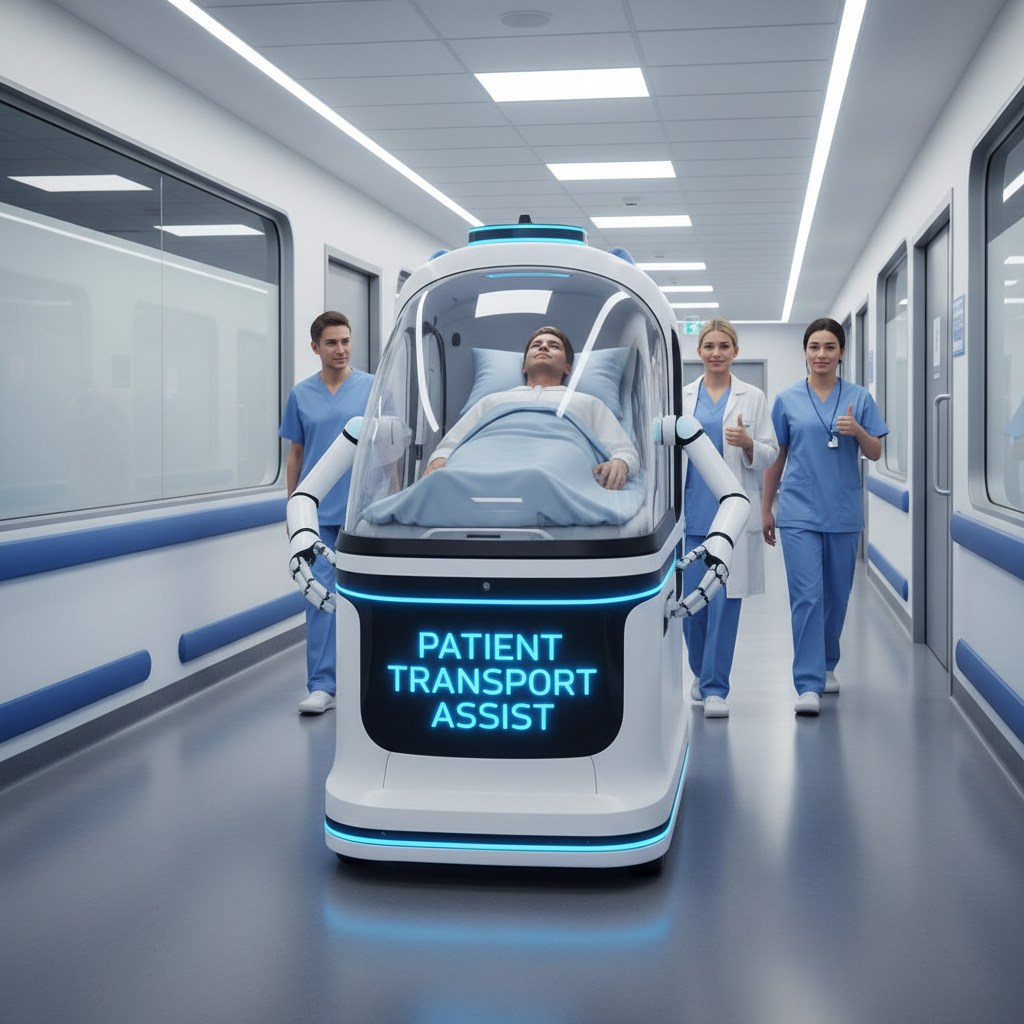
The physical presence of autonomous mobile robots (AMRs) shifts the regulatory focus from data protection to physical safety under the WHS Amendment Act 2026. Safe Work Australia has identified the operation of AMRs in high-traffic corridors as a primary safety concern, particularly within the unpredictable environments of Victorian hospitals and university campuses. Legislative updates in both Victoria and New South Wales now explicitly address AI and digital work systems, mandating that autonomous navigation logic is treated as a workplace hazard requiring specialized risk controls.
A central requirement emerging from these updates is the human-in-the-loop oversight model. Facility managers must demonstrate that autonomous systems do not operate in a total vacuum. Instead, there must be clear protocols for human intervention when a robot encounters a complex obstacle, such as a patient in a wheelchair or a crowd of students in a narrow hallway. These risk assessments must move beyond static safety zones to account for dynamic robot-human interactions. This necessitates high-level robotics integration services to ensure that the robot's onboard sensors and software behavior align with site-specific safety protocols.
Furthermore, the July 2026 Victorian workplace surveillance laws add a layer of complexity to WHS compliance. Because AMRs often utilize advanced computer vision for navigation, they can inadvertently become tools for employee or student surveillance. Navigating Australian robotics compliance 2026 healthcare education regulations requires that facilities update their WHS management plans to address both the physical safety of the hardware and the legal implications of the data captured by its sensors. Implementing rigorous staff training for robotics ensures that operators understand their roles in maintaining this balance between autonomous efficiency and regulatory safety.
Aged Care Reform and the New Act: Robotics as a Compliance Tool
The commencement of the new Aged Care Act in 2026 introduces a rights-based framework that places significant pressure on providers to meet strict quality standards. A frequent question arises: will AI replace aged care workers? The 2026 regulatory landscape provides a clear answer; robotics are legally and operationally viewed as a supplement for safety, monitoring, and medication dispensing rather than a human replacement.
By utilizing robotics integration services, Melbourne aged care providers can automate non-clinical tasks such as heavy linen transport, meal tray delivery, or routine facility patrolling. This automation is a strategic lever for maintaining Australian robotics compliance 2026 healthcare education regulations. Crucially, robots help facilities meet mandatory care minutes by offloading logistical chores from registered nurses and personal care workers. When a robot handles the delivery of supplies, clinical staff are freed to focus on high-value, direct resident care.
Compliance with the new quality standards requires that these autonomous systems are integrated thoughtfully. Through custom robotics software integration, providers can ensure that data from fall detection or medication alerts is logged accurately for regulatory audits. Success depends on staff training for robotics, ensuring that the workforce views these tools as a means to enhance resident dignity and safety, rather than a threat to their roles.
The National Robotics Strategy: Bridging the Gap Between Research and Deployment
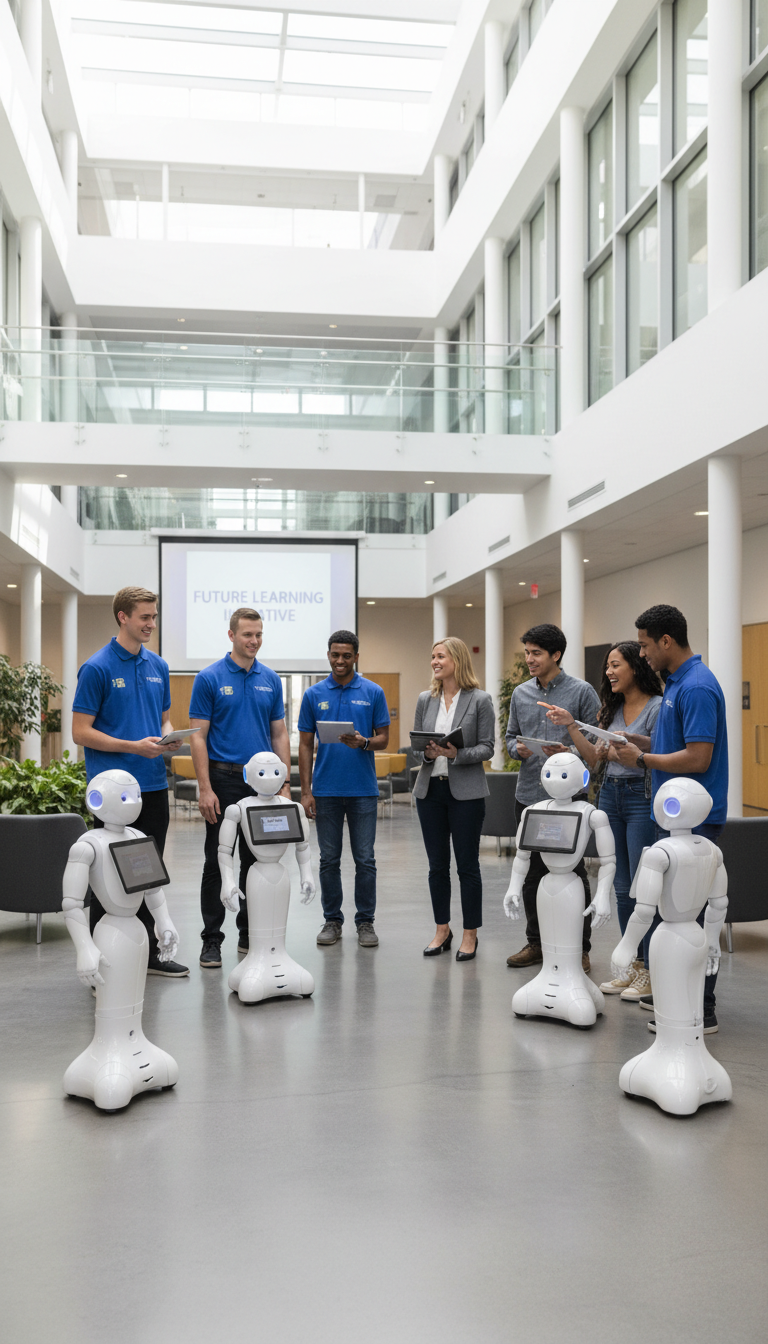
The 2026-27 Federal Budget reveals a distinct divergence in Australia’s robotics landscape. While the government has committed 15 billion dollars over the next decade to autonomous systems within defense, civil sectors like healthcare and education face a more fragmented funding environment. The establishment of the National Resilience and Science Council aims to align sovereign capability with national interest; however, the removal of 800 million dollars from the Australia’s Economic Accelerator highlights a widening gap between high level research and practical, bedside deployment. For Melbourne facilities, navigating Australian robotics compliance 2026 healthcare education regulations requires moving past these strategic frameworks to implement functional, legal systems.
Because federal delivery mechanisms for the National Robotics Strategy remain focused on R&D rather than field implementation, hospitals and schools must rely on specialized robotics integration services to translate policy into practice. While the R&D Tax Incentive rate has increased, the eligibility for supporting activities has tightened, making expert custom robotics software integration more critical for ensuring local systems meet Australian standards. To assist with capital acquisition, the permanent 20,000 dollar instant asset write-off remains a vital tool for facilities looking to upgrade their autonomous fleets. Bridging this gap requires more than just hardware; it demands the technical expertise to ensure every deployment is compliant with emerging 2026 mandates.
How to Prepare Your Facility for 2026 Compliance: A Practical Checklist
Navigating the intersection of TGA, Privacy, and WHS mandates requires a structured approach to avoid operational disruption. To maintain alignment with Australian robotics compliance 2026 healthcare education regulations, facility managers should implement the following preparation framework:
Audit for SaMD Triggers: Evaluate if existing robotic software performs clinical monitoring or diagnostic support. If the "intended purpose" involves patient data interpretation, initiate ARTG inclusion protocols immediately.
Update Privacy Policies: Ensure disclosures for automated decision-making are integrated into privacy policies by the December 10 deadline, focusing on algorithmic transparency for residents and students.
Refine WHS Risk Assessments: Document human-in-the-loop protocols for autonomous navigation in high-traffic wards or campuses to meet updated Victorian safety standards.
Verify Data Residency: Map all AI cloud processing paths to ensure sensitive personal data remains within Australian jurisdiction.
Meeting these overlapping obligations often requires custom robotics software integration to bridge gaps between off-the-shelf hardware and local legal requirements. Exaptec provides the technical expertise and staff training for robotics necessary to ensure your fleet is both high-performing and fully compliant. Comprehensive robotics integration services ensure that your facility is ready for the 2026, 2027 regulatory cycle without compromising care quality.
Navigating the 2026 regulatory shift requires a proactive approach to ensure your robotics systems remain compliant within the Australian healthcare and education sectors. By understanding these emerging standards now, you can protect your investments and ensure the safety of your community. If you would like expert support to streamline this complex process, you can explore our range of professional services to find a tailored solution. We can help you manage the technical and legal nuances, allowing you to focus on innovation while we handle the compliance details.