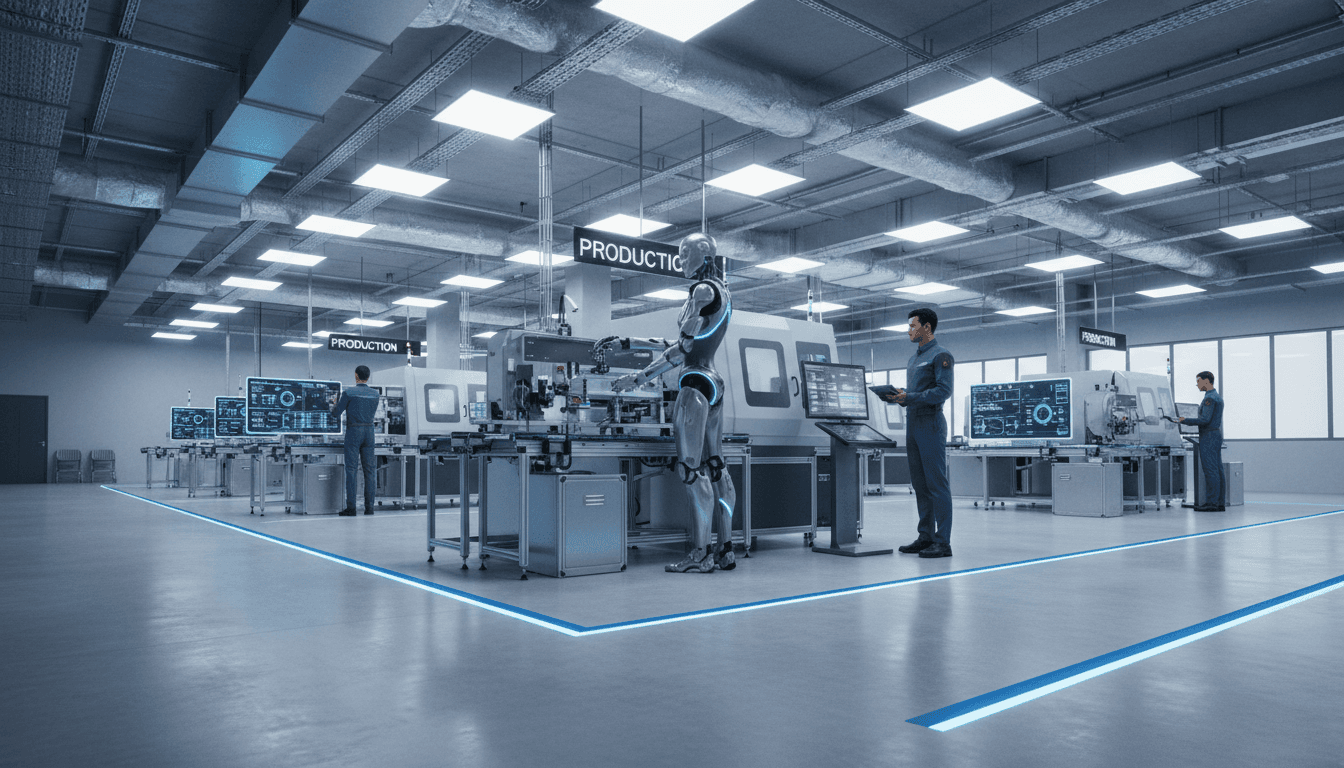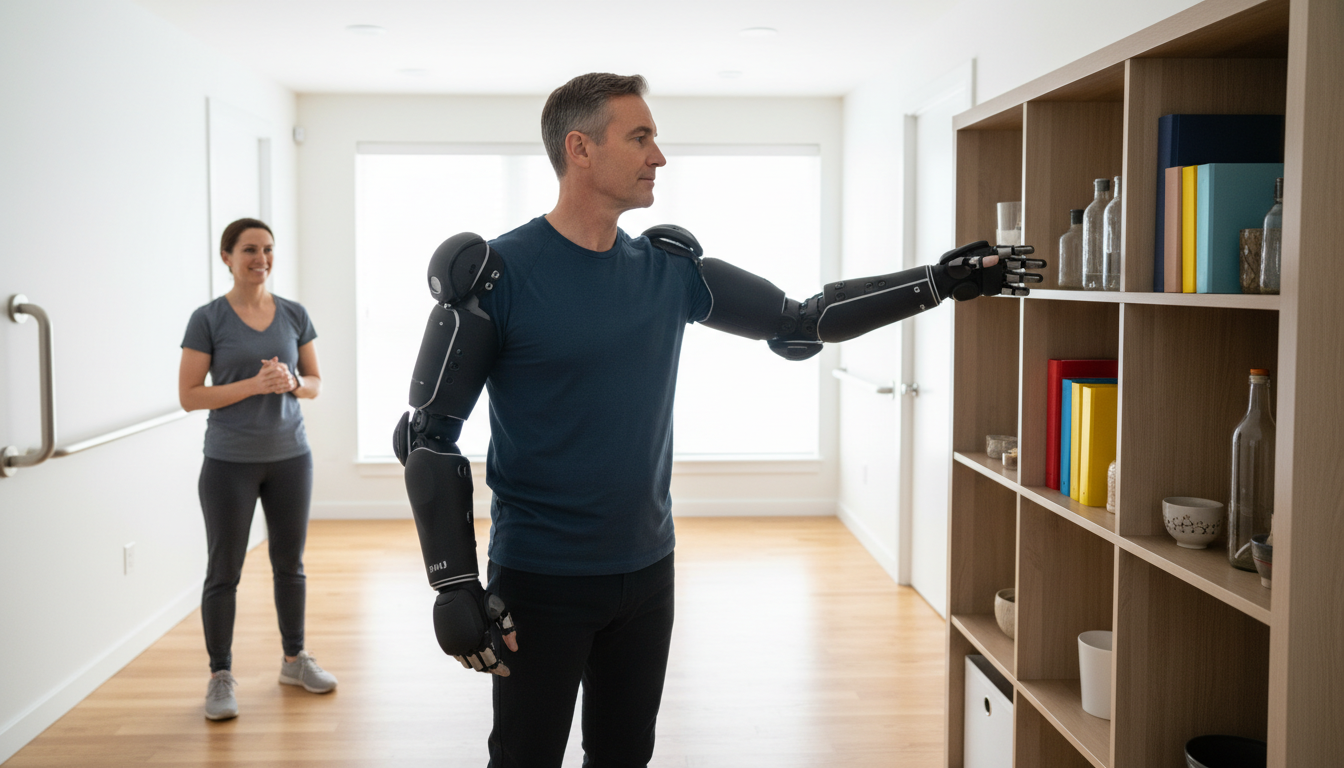
Rehabilitation robots Australia are currently used in hospitals and aged care to provide intensive, focused therapy for patients recovering from neurological conditions like stroke and traumatic brain injuries. These advanced systems, such as upper and lower limb robotic assistants, improve functional outcomes by offering motivating, repetitive exercises that enhance the recovery process. This technology allows healthcare facilities to deliver more accurate and efficient treatment, leading to better patient health results across the country.
For facility leaders across Australia, the challenge of managing rising patient volumes alongside a chronic shortage of specialized clinicians is becoming unsustainable. Traditional manual therapy is physically demanding and often lacks the repetitive precision required for optimal neurological recovery; this creates a bottleneck in both hospital throughput and long-term aged care outcomes. As the healthcare landscape shifts, integrating rehabilitation robots is no longer a futuristic concept but a practical operational necessity. This guide provides an expert analysis of the current state of robotics in Australian facilities, exploring clinical applications for stroke and gait recovery. You will also learn about the intricacies of TGA compliance, NDIS eligibility, and the actual costs of implementing exoskeleton technology. By the end, you will understand how to bridge the gap between advanced engineering and everyday clinical success.
The Current State of Rehabilitation Robots in Australia
The landscape for rehabilitation robots in Australia is transitioning from a period of experimental research into a cornerstone of modern clinical practice. According to the National Robotics Strategy, medical robotics is now recognized as a vital pillar of the nation’s future healthcare infrastructure. This shift is driven by a critical need to address the rising incidence of stroke and neurological conditions alongside an aging population that requires more intensive physical therapy than manual resources can often provide.
In the current Australian market, there is a distinct division in application. Specialized private rehabilitation clinics, such as those in Westmead or Robina, have pioneered the use of high-intensity robotic suites for neurological recovery. Meanwhile, public and general hospitals are increasingly adopting Exaptec robotics solutions to standardize patient outcomes and manage throughput. Robotic assistance is no longer a peripheral luxury; it is becoming a necessary intervention to meet the volume and complexity of contemporary care.
As facilities move toward these advanced systems, ensuring regulatory compliance support and custom software integration remains essential for successful deployment within the Australian clinical framework. This evolution reflects a broader commitment to utilizing technology to achieve the high-intensity, repetitive movements required for significant functional recovery.
Clinical Applications: Improving Outcomes for Stroke and Neurological Patients
The efficacy of robotic intervention in Australia is most evident when treating patients with stroke, traumatic brain injury (TBI), Multiple Sclerosis (MS), and Parkinson’s disease. At the core of these treatments is the principle of neuroplasticity, the brain’s ability to reorganize itself by forming new neural connections. To trigger this process, clinical evidence suggests that patients require high intensity, repetitive movements. While traditional manual therapy is invaluable, the sheer volume of repetitions necessary to induce neuroplasticity often exceeds the physical capacity of a single clinician.
Using Exaptec robotics solutions, facilities can bridge this gap by delivering precise, consistent movements for both upper and lower extremities. Unlike manual handling, these systems provide a level of physiological feedback that allows for micro adjustments in real time. This technical precision is coupled with a significant improvement in patient engagement. One of the primary barriers to recovery in long term neurological care is the motivational gap. Robotic systems overcome this by incorporating objective progress tracking and gamified interfaces, which transform repetitive exercises into goal oriented tasks.
By implementing custom software integration, hospitals can ensure that the data captured during these high intensity sessions is translated into actionable clinical reports. This allows multidisciplinary teams to refine treatment plans for complex cases, such as Parkinson’s or chronic MS, where fatigue management is critical. Providing these advanced options locally ensures that Victorian facilities can offer the same standard of care found in global centers of excellence while maintaining strict regulatory compliance support within the Australian framework. As this technology matures, the focus for rehabilitation robots Australia is shifting toward how these systems stabilize gait and improve lower limb function.
Lower Limb and Gait Training: Exoskeletons in Australian Hospitals
Lower limb recovery hinges on the ability to replicate natural gait cycles while managing the patient’s body weight safely. As more facilities deploy rehabilitation robots Australia, the focus on gait training through overground robotic systems like the EksoNR or Lokomat has intensified. These systems provide physiological weight-bearing support, allowing patients to practice walking patterns with correct biomechanical alignment long before they could support their own mass independently.
Facility leaders often encounter the question: Do robotic exoskeletons work? The clinical answer lies in the consistency of the intervention compared to traditional manual handling. Manual gait training is physically exhausting and subject to the varying strength and fatigue levels of the physiotherapy team. By contrast, Exaptec robotics solutions deliver thousands of precise, identical steps in a single session. This high-dosage repetition, facilitated by custom software integration, ensures that every movement adheres to the programmed rehabilitation protocol.
By automating the mechanical burden of weight bearing and postural correction, these robots allow Victorian clinicians to focus on high-level gait analysis and balance adjustments. Navigating the introduction of such hardware requires robust regulatory compliance support to ensure these sophisticated systems meet the stringent safety standards required within the Australian therapeutic landscape. This foundation in lower limb stability provides the necessary physical base for patients to then address finer motor challenges.
Upper Limb Recovery: Robotic Gloves and Assisted Arm Therapy
While lower limb stability provides the foundation for mobility, upper limb recovery is essential for restoring independence in activities of daily living. In the context of rehabilitation robots Australia, technology for the arms and hands focuses on restoring fine motor skills and range of motion that manual therapy often struggles to target with high frequency. Robotic rehabilitation gloves use sensors and soft actuators to assist patients with finger flexion and extension, allowing for functional grasping exercises. Meanwhile, larger end effector systems like ROBERT provide the necessary support for proximal arm movements, assisting patients who lack the strength to lift their own limbs after a stroke or traumatic brain injury.
The application of these tools varies significantly by clinical setting. In acute hospital environments, the priority is often intensive neuroplasticity and rapid range of motion gains to maximize recovery windows. Conversely, in long term aged care, Exaptec robotics solutions focus on maintaining existing function and preventing joint contractures through regular, low impact movement. Implementing these devices successfully requires custom software integration to track incremental progress and ensure data is accessible to the broader care team. Navigating these technical requirements, alongside regulatory compliance support, ensures that Victorian facilities can deploy upper limb technology that is both clinically effective and safe for diverse patient populations.
Operational Benefits for Facility Leaders: Beyond Patient Care
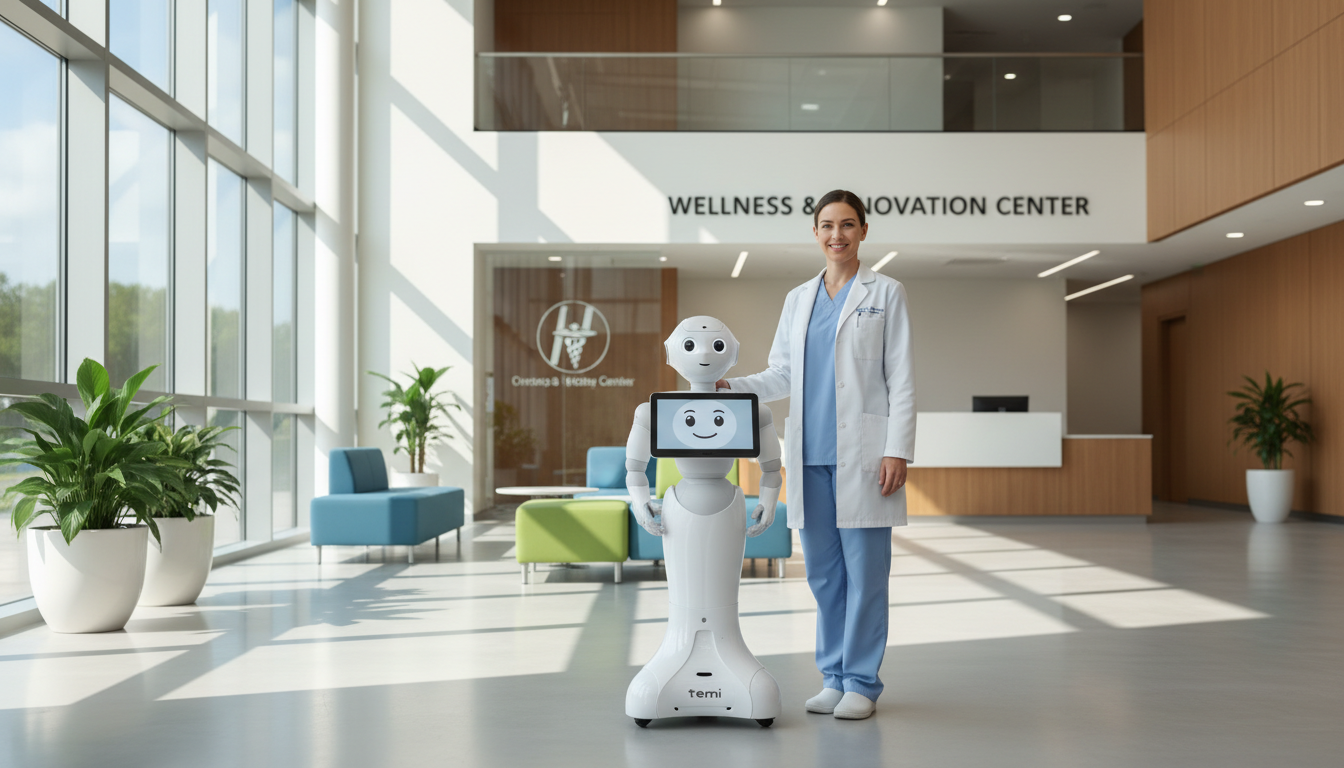
For hospital CEOs and facility managers, the implementation of rehabilitation robots Australia represents a strategic shift in workforce management. Beyond clinical recovery, these systems address the mounting pressure of clinician burnout and the physical toll of manual handling. Data from the Aged Care Research and Industry Innovation Australia (ARIIA) audit highlights the magnitude of this challenge, revealing that staff can walk up to 9,000km annually while providing care. By delegating repetitive physical labor to Exaptec robotics solutions, facilities significantly reduce the risk of manual handling injuries and musculoskeletal strain among their teams.
This automation serves as a powerful retention tool. High-level physiotherapists and occupational therapists are often bogged down by the mechanical aspects of gait support or limb mobilization. When these tasks are automated, clinicians are empowered to focus on complex clinical decision making and personalized patient assessment. This shift is critical given the current workforce gap in the Australian healthcare sector. Integrating these systems requires more than just hardware; it demands custom software integration to streamline workflows and robust regulatory compliance support to ensure long term operational safety. By optimizing staff utility, facility leaders can increase patient throughput without compromising the wellbeing of their most valuable asset: their people.
Navigating TGA Compliance and NDIS Eligibility in Australia

Implementing advanced technology requires a rigorous adherence to the Australian regulatory framework. To be legally supplied and used within a clinical setting, all rehabilitation robots Australia must be listed on the Australian Register of Therapeutic Goods (ARTG). This process ensures that the hardware meets stringent safety and performance standards established by the Therapeutic Goods Administration (TGA). For facility leaders, the complexity often lies in the software. As these systems become more data driven, they frequently fall under the TGA framework for Software as a Medical Device (SaMD). Ensuring that custom software integration remains compliant while interfacing with hospital records is a technical necessity that requires specialist oversight.
Funding pathways also dictate how these systems are deployed. While the National Disability Insurance Scheme (NDIS) may provide funding for individual participants to access personal exoskeleton units for community mobility, hospital infrastructure is typically managed through capital budgets or healthcare grants. Navigating these distinctions requires regulatory compliance support to ensure the investment is both clinically sound and legally protected. By partnering with experts who understand the local landscape, facilities can ensure their Exaptec robotics solutions meet all necessary certifications, from electrical safety to data privacy, before the first patient session begins.
How Much Does a Robotic Exoskeleton Cost in Australia?
Investing in rehabilitation robots Australia requires a comprehensive financial framework rather than just a sticker price. For clinical-grade exoskeletons used in high-intensity neurological recovery, capital expenditure typically ranges between $180,000 and $350,000 AUD per unit. This cost reflects the advanced sensor arrays and actuators necessary for treating complex conditions like stroke or traumatic brain injury. In contrast, simpler assistive devices for aged care, designed to facilitate basic mobility or sit-to-stand transitions, represent a lower entry point.
Operational budgets must also account for several recurring factors: - Annual maintenance and calibration contracts to ensure mechanical safety. - Essential software updates for clinical tracking and data security. - Specialized staff certification and onboarding to ensure effective deployment.
The return on investment for Exaptec robotics solutions is realized through increased patient throughput and a significant reduction in staff injury claims. By ensuring regulatory compliance support and custom software integration are included in the initial rollout, facilities avoid the hidden costs of downtime or system incompatibility. This strategic investment ultimately stabilizes long term operating expenses while elevating the standard of care.
Successful Implementation: The Importance of Software Integration and Staff Training
Purchasing hardware accounts for approximately 40% of the journey toward integrating rehabilitation robots Australia into a clinical setting. The remaining 60% involves embedding the technology into the facility's daily operations. Successful custom software integration ensures that robotic performance data flows directly into existing hospital management systems, maintaining a single source of truth for patient records while upholding Australian data security standards. Without this digital link, clinicians are burdened by redundant manual data entry, which frequently leads to system abandonment.
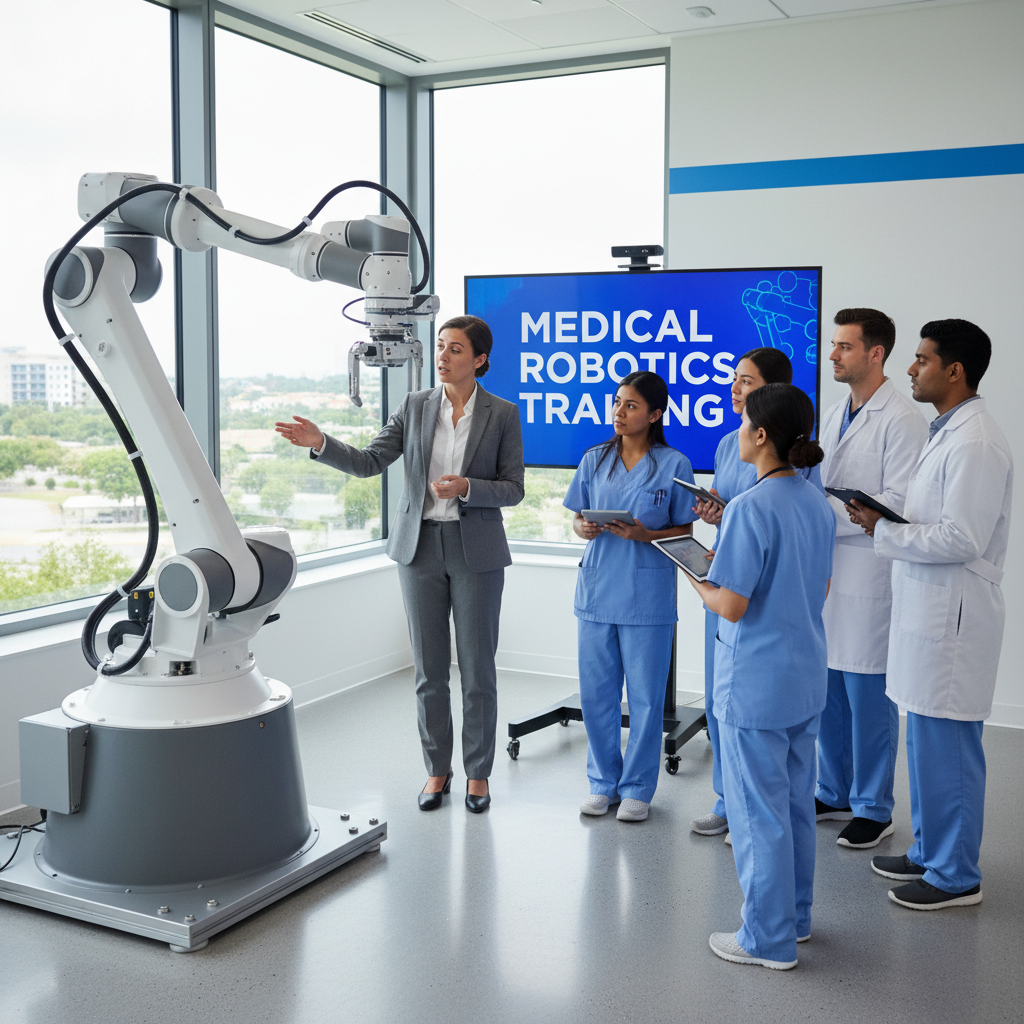
Equally vital is hands-on staff training to ensure clinicians feel confident operating complex machinery. Effective implementation requires specific protocols that align with Australian clinical workflows and safety standards. For facilities in Victoria, local Melbourne based support provides a significant advantage for rapid troubleshooting and onsite technical audits. Exaptec robotics solutions focus on this lifecycle approach, combining technical deployment with ongoing regulatory compliance support. This localized expertise ensures that the transition from traditional therapy to robotic assistance is technically seamless and clinically sustainable for the long term.
Integrating robotic technology into your facility can significantly improve patient outcomes and provide much needed support for clinical staff. As rehabilitation tools continue to evolve, finding the right balance between automation and human care remains essential for success. If you want expert help navigating the selection and implementation process, our team is available to guide you through the latest innovations. To see how we support Australian healthcare providers, you can learn more about Exaptec and our mission to deliver practical robotic solutions.