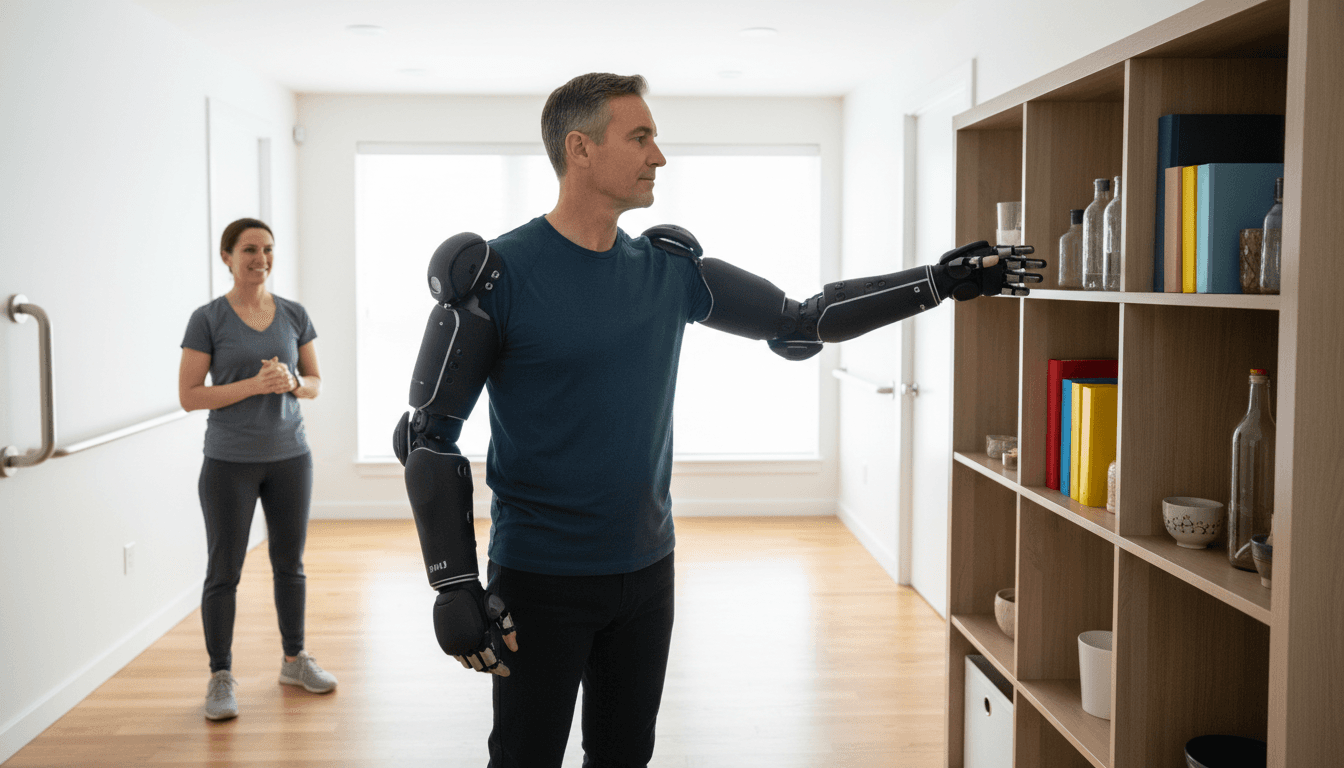
Proving a positive healthcare robotics ROI Australia involves measuring improvements in staff workflow efficiency and the reduction of routine manual labor in hospital logistics. Leaders can demonstrate value by showing how robotic integration mitigates staff shortages, enhances patient safety, and improves the overall quality of care for older adults.
Australian healthcare executives often find themselves caught between chronic staffing shortages and the looming pressure of the 2026 Aged Care Reforms. While the promise of automation is significant, the inability to articulate a clear financial and clinical return on investment remains a major hurdle to adoption. Investing in robotics must transition from a speculative technology trial to a rigorous business case that satisfies both boards and clinical staff. This guide provides a practical framework for proving value within the unique Australian regulatory landscape. You will learn to measure critical metrics such as staff time recovery, improvements in patient satisfaction, and the total cost of ownership. By moving beyond simple cost savings, you can build a robust strategy that secures operational efficiency and future proofs your facility for 2027 and beyond.
The ROI Gap in Australian Healthcare Robotics
While 44 percent of global business leaders currently measure ROI for AI and robotics initiatives, a significant disconnect exists within the medical sector. Only 6 percent of healthcare respondents feel they are measuring these returns effectively. This gap is particularly concerning for Australian facility leaders who face a projected shortage of 70,000 nurses by 2035 and the stringent requirements of the 2026 aged care reforms. In this high stakes environment, failing to quantify the impact of automation can stall vital healthcare robotics projects before they gain momentum.
For a hospital or aged care provider in Victoria, determining healthcare robotics ROI Australia is not merely a financial exercise focused on direct labor costs. It represents a shift toward measuring a Return on Care. The true value lies in staff retention and the ability to redirect clinical personnel to high value tasks. When implementation includes custom software integration and regulatory compliance support, the focus shifts from a hardware purchase to a strategic solution for workforce burnout. By moving beyond simple spreadsheets and looking at how technology stabilizes the clinical workforce, leaders can bridge the gap between initial investment and long term operational sustainability.
Defining ROI Metrics for Hospital and Aged Care Automation
To measure healthcare robotics ROI Australia effectively, facility leaders must move beyond a simple cost versus savings mindset. We categorize value into three distinct pillars: Financial, Operational, and Clinical. Each provides a different data point for justifying automation in a complex healthcare environment.
Financial ROI: Labor Redirection In Australian healthcare, the financial return is often found in redirecting direct labor costs. Instead of viewing a robot as a replacement for a full time equivalent (FTE), calculate the cost of non-nursing tasks. If a registered nurse in Victoria spends twenty percent of their shift retrieving supplies or delivering samples, a significant portion of their salary is being spent on low value logistics. Automating these tasks allows that budget to be reallocated toward direct patient interaction, maximizing the value of every payroll dollar.
Operational ROI: The Miles Walked Metric Operational efficiency is best measured by the reduction in physical strain and time lost to transit. Logistics Autonomous Mobile Robots (AMRs) excel at moving linens, clinical waste, and meals. By tracking the distance these robots travel, facilities can quantify the miles walked saved for nursing staff. In large Victorian hospitals, this can equate to several hours of recovered time per ward per day, directly combating fatigue and improving workplace safety.
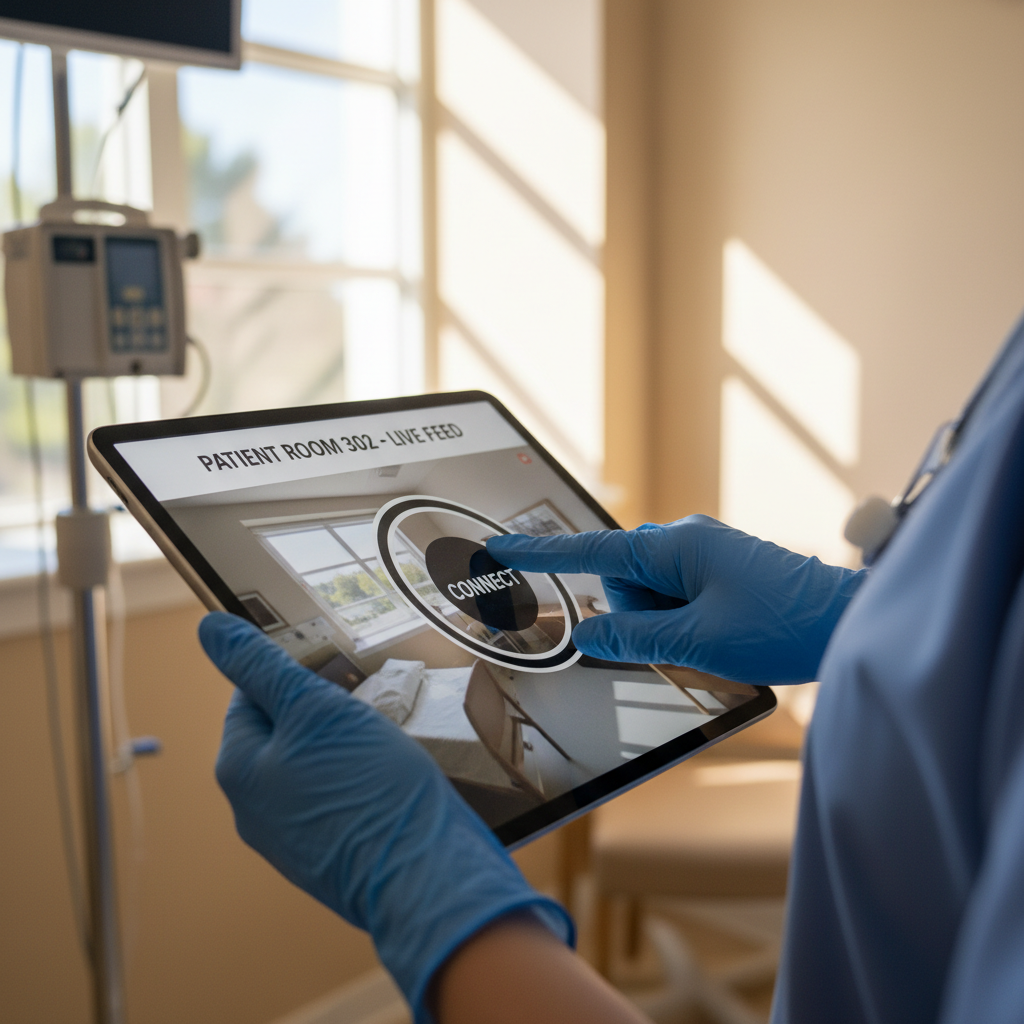
Clinical ROI: Return on Care Clinical ROI focuses on patient outcomes and safety. Custom software integration allows telepresence robots to facilitate more frequent patient check-ins without increasing staff burden. This is critical for meeting the mandatory care minutes required under the Australian aged care reforms. By offloading non-clinical tasks to robots, staff can spend their required minutes on high quality, face to face care. Furthermore, automated delivery of medications or pathology samples reduces the risk of human error in transit, providing a trackable chain of custody that supports regulatory compliance support.
Measuring Staff Workload Reduction and Time Saved
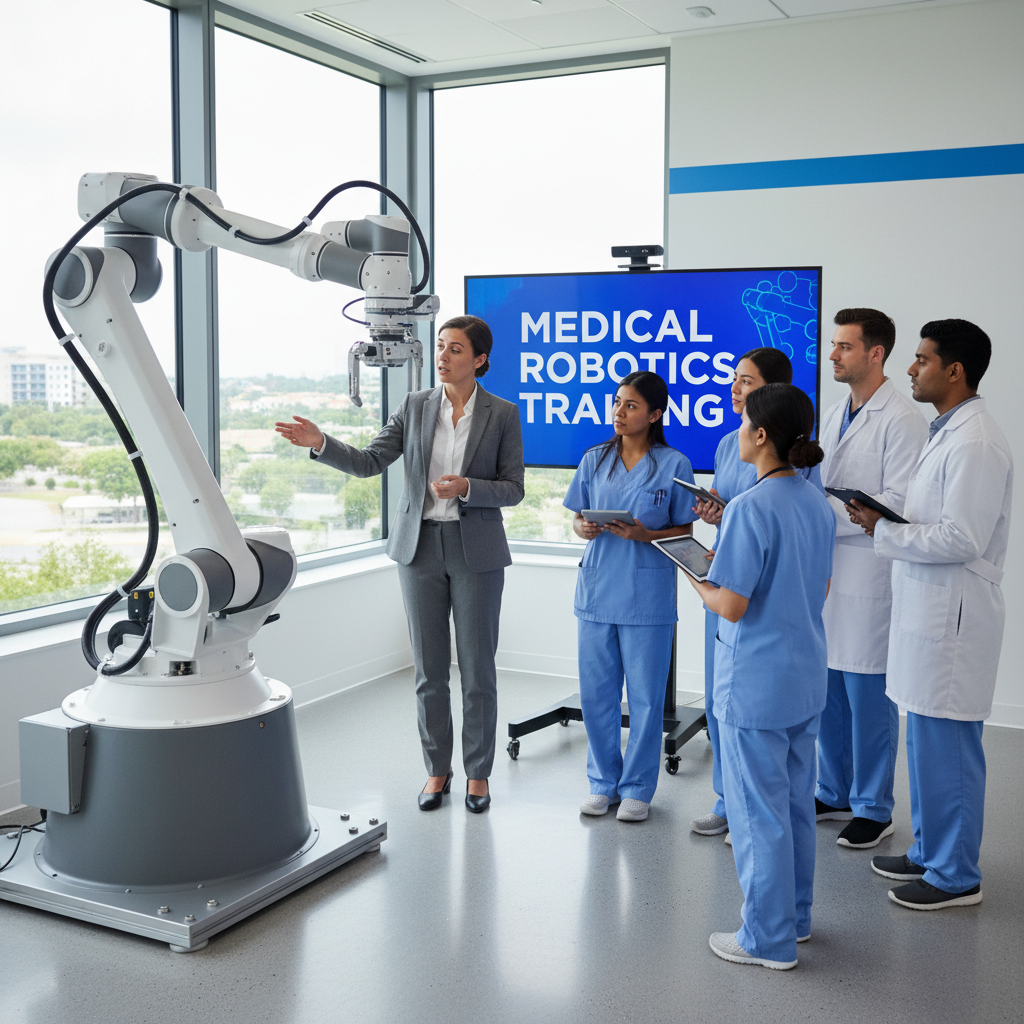
To move beyond estimates, Victorian healthcare leaders should employ a structured "time-and-motion" study. This involves capturing a baseline of staff movements before any healthcare robotics projects begin. By documenting the frequency and duration of non-clinical logistics tasks, such as transporting linens, meals, or pathology samples, facilities can establish a clear pre-automation workload. Once delivery robots are integrated, repeating the study reveals the exact hours reclaimed for the clinical team.
The goal of this measurement is to quantify "top of license" nursing time. This refers to the specific hours returned to staff that allow them to focus on direct patient care, assessments, and clinical interventions rather than manual fetching. For example, if a ward saves four hours of transit time per shift through logistics automation, those four hours represent a significant increase in the quality and frequency of patient interactions.
Task Category | Manual Time (per shift) | Robotic Time (per shift) | Reclaimed Nursing Minutes |
|---|---|---|---|
Linen Distribution | 45 mins | 5 mins | 40 mins |
Sample Delivery | 30 mins | 0 mins | 30 mins |
Meal Tray Retrieval | 60 mins | 10 mins | 50 mins |
This data-driven approach aligns with recent Australian nursing work system studies, which highlight that nurses are highly receptive to technology that eliminates workflow friction. When automation is introduced as a tool to alleviate physical strain rather than a replacement for human expertise, staff adoption rates increase. Successful custom software integration ensures these robots follow the specific rhythms of a local ward, further validating the investment through measurable improvements in staff efficiency and morale.
Impact on Quality Outcomes and Patient Satisfaction
Quantifying the "Soft ROI" is essential for meeting accreditation standards and securing government funding. Beyond labor savings, robotics directly influences clinical quality and resident well-being. In Victorian aged care homes, telepresence robots play a pivotal role in reducing social isolation. By facilitating frequent, high-definition virtual visits between residents and their families, these platforms help facilities meet emotional care targets without increasing the administrative burden on lifestyle coordinators.
Security and safety provide further layers of value. Autonomous patrolling robots offer persistent facility inspections, identifying hazards or unauthorized access in real time. This proactive stance on security enhances the physical safety of vulnerable residents and protects hospital assets. For acute settings, the consistency of automated systems, such as scheduled UVC disinfection, is a powerful tool against Hospital Acquired Infections (HAIs). Unlike manual cleaning, which can be prone to human variability, robotic performance is repeatable and documented. Reducing HAIs leads to shorter patient stays and lower penalty costs, directly impacting hospital budgets. Successful healthcare robotics projects leverage these quality improvements to demonstrate a robust healthcare robotics ROI Australia, especially when backed by custom software integration that tracks performance metrics for regulatory compliance support.
Navigating the 2026 Aged Care Reform and Regulatory ROI

The upcoming 2026 aged care reforms introduce a more rigorous oversight environment where data accuracy is paramount. For Victorian facility managers, proving healthcare robotics ROI Australia now involves calculating the cost of non compliance. Failing to meet the standards set by the National Aged Care Mandatory Quality Indicator Program (QI Program) carries heavy financial and reputational penalties. Robotics integration provides a reliable method for capturing objective data on resident safety and staff activity; this ensures that reports for indicators such as falls or medication management are backed by verifiable logs rather than manual estimations.
Meeting these Australian specific safety regulations requires more than just deploying hardware. It involves navigating complex frameworks regarding fire safety and physical interaction with vulnerable patients. Exaptec provides the necessary regulatory compliance support to ensure that every robot operates within the legal and safety parameters of the local healthcare landscape. This expertise mitigates the risk of costly post installation modifications or regulatory shutdowns that can derail an investment.
Furthermore, hospital IT departments often cite data protection as a primary barrier to adoption. Robust custom software integration addresses these concerns by creating secure, encrypted pathways for robotic data. By ensuring that telepresence and autonomous mobile robot (AMR) fleets adhere to Australian privacy principles, facilities can confidently scale their healthcare robotics projects. This strategic alignment with regulatory requirements transforms robotics from a capital expense into a risk management asset, securing both funding and operational longevity in an increasingly scrutinized sector.
Total Cost of Ownership and Implementation Barriers
Calculating healthcare robotics ROI Australia requires looking far beyond the sticker price of the hardware. Successful hospital deployments often reveal hidden infrastructure costs that, if unbudgeted, can stall a project indefinitely. For example, autonomous mobile robots (AMRs) operating in Victorian clinical settings must navigate stringent fire safety systems. This might necessitate the installation of automatic door releases or specialized lift integration modules to ensure robots do not obstruct emergency egress during an alarm.
Beyond physical modifications, IT security protocols represent a significant implementation barrier. Local healthcare networks require robots to adhere to strict data encryption and penetration testing standards to protect sensitive patient records. Without robust custom software integration, a robot might struggle to maintain stable connectivity while moving through the shielded environments of radiology or surgical suites.
To accurately assess the investment, Australian facility leaders should utilize a Total Cost of Ownership (TCO) evaluation:
TCO Component | Key Consideration |
|---|---|
Infrastructure | Fire door sensors, Wi-Fi dead zone remediation, and charging station power drops. |
Cybersecurity | Integration with hospital LDAP/SSO and ongoing firmware patching. |
Clinical Training | Shift-specific onboarding and Super User development for nursing staff. |
Maintenance | Local technicians for physical repairs and remote regulatory compliance support. |
Partnering with a Melbourne based integrator like Exaptec helps facilities avoid pilot purgatory, a common pitfall where healthcare robotics projects fail to scale because they were not built for the specific constraints of the local environment. Localized support ensures that staff training is tailored to Australian nursing workflows and that technical issues are resolved within local business hours. This proximity reduces the risk of project fatigue, ensuring the system reaches full operational maturity and delivers the intended clinical value.
Future Proofing Your Investment for 2027 and Beyond
Starting with a discrete logistics application provides immediate relief for nursing staff; however, the highest healthcare robotics ROI Australia is realized through long term fleet orchestration. As facilities expand their healthcare robotics projects, the focus must shift toward software platforms capable of managing heterogeneous fleets. A logistics robot from one manufacturer must share corridors and elevators seamlessly with a disinfection unit or a telepresence platform from another. This interoperability prevents traffic congestion in narrow clinical hallways and ensures that the infrastructure investments made today remain viable as new technologies emerge.
The next three to five years will see the Australian market move toward sophisticated AI integration and the early adoption of humanoid platforms for more complex patient interactions. These advancements require a robust foundation of custom software integration to handle the increased data processing and real-time decision-making requirements. By prioritizing vendors that offer open architecture and local support, Victorian health leaders ensure their current automation efforts are not isolated pilots but the first phase of a unified, intelligent facility ecosystem.
Proving the return on investment for healthcare robotics involves balancing financial data with improvements in staff efficiency and patient outcomes. While identifying these metrics is essential, implementing a successful strategy across hospitals or aged care facilities can be complex. If you want expert help streamlining this transition, we are ready to guide you. You can read more about our expertise and how we help Australian leaders integrate robotics to drive meaningful value for their organizations.