Facility inspection robots healthcare Australia are transforming clinical operations by deploying autonomous systems to conduct thermal, visual, and acoustic monitoring of critical infrastructure. These advanced robots allow maintenance teams to move from manual rounds to predictive oversight, which improves the reliability of hospital assets while significantly reducing operational costs and human error.
Managing a healthcare facility in Australia today means balancing aging infrastructure against increasingly rigid clinical governance standards. Manual inspections often lead to missed maintenance triggers; this results in costly downtime and potential safety risks for patients and residents alike. In an environment where every minute of wrench time counts, relying solely on human rounds for routine monitoring is becoming an operational liability. This guide explores the strategic transition toward automated facility inspection robots as we approach 2026. We will examine how multi sensor platforms, featuring thermal and acoustic capabilities, bridge the integration gap with existing Hospital CMMS. From enhancing resident security in aged care to navigating Australian safety standards, you will learn how to implement a robotics strategy that delivers measurable ROI through predictive maintenance and improved site visibility.
The Evolution of Smart Healthcare Facilities in Australia
Australian healthcare infrastructure is currently facing unprecedented demand. In Victoria and across the country, facility managers are grappling with aging assets and a workforce stretched thin by clinical requirements. This pressure has necessitated a fundamental shift in operations, moving away from reactive, run to fail maintenance toward a proactive, data driven model. Within this landscape, facility inspection robots healthcare Australia have transitioned from experimental technology to critical infrastructure tools.
These systems are no longer viewed as optional gadgets. Instead, they serve as essential instruments for meeting the rigorous standards set by the 2026 National Model for Clinical Governance and the updated Aged Care Act. By providing continuous, objective monitoring, they ensure that facilities remain compliant with safety and hygiene mandates that manual inspections often miss.
Implementing these solutions through Exaptec robotics integration allows local teams to delegate the 3D tasks, those that are dull, dirty, or dangerous, to autonomous platforms. This shift enables skilled technicians to focus on high value repairs rather than routine corridor patrols or plant room checks. Achieving successful robotics adoption in healthcare requires understanding these operational needs before deploying hardware. By focusing on custom software integration, facilities can ensure these robots bridge the gap between physical inspections and digital record keeping.
Navigating Clinical Governance and Safety Standards with Automation

Compliance with the 2026 National Model for Clinical Governance demands more than just paper-based checklists; it requires verifiable, real-time data. For facility managers in Melbourne, Sydney, and Brisbane, the pressure to maintain rigorous safety standards is increasing alongside stricter accreditation cycles. Autonomous mobile robots (AMRs) provide a robust solution by transforming the physical environment into a quantifiable data set.
Unlike manual rounds, which can be inconsistent or subject to human error, facility inspection robots healthcare Australia generate a continuous digital record of every corridor, plant room, and exit. This automated data logging creates a transparent audit trail essential for Australian Council on Healthcare Standards (ACHS) accreditation and compliance with the updated Aged Care Act. When an auditor asks for evidence of floor hazard monitoring or fire door clearance, the robot provides a time-stamped visual and spatial record that proves the facility was compliant at specific intervals.
Through Exaptec robotics integration, these logs are no longer isolated files; they are integrated into the facility’s governance framework. By defining "normal" operating thresholds within the software, the robot can flag deviations instantly, ensuring that risks are mitigated before they escalate into clinical safety incidents. This systematic approach to successful robotics adoption in healthcare ensures that governance is not a periodic task performed before an audit, but a built-in feature of daily operations. Providing this level of granular detail allows local decision-makers to demonstrate a higher level of oversight than traditional manual methods could ever achieve.
Multi Sensor Capabilities: Thermal, Acoustic, and Visual Inspection

The operational effectiveness of facility inspection robots healthcare Australia depends on the sophistication of their sensor payloads. While a human inspector relies on subjective sight and sound, an autonomous mobile robot (AMR) utilizes a suite of high precision instruments that operate beyond human sensory limits. This technical capability ensures that minor anomalies are caught before they escalate into facility wide failures.
Thermal imaging is particularly critical within hospital plant rooms and electrical sub stations. These sensors detect heat signatures in switchboards, pump motors, or HVAC units that indicate impending failure. By identifying a specific temperature rise in a circuit breaker, the robot provides the data necessary to schedule maintenance during low occupancy periods. This prevents the reactive chaos of a power outage in a clinical setting, moving the facility toward a predictive maintenance model.
Acoustic sensing provides an additional layer of protection in aged care basements and utility tunnels. These sensors are tuned to detect the high frequency hiss of a pinhole gas leak or the subtle vibrations of a failing bearing in a ventilation fan. These sounds are often masked by ambient noise to the human ear, but the robot can isolate specific acoustic profiles to flag leaks or mechanical wear that would otherwise go unnoticed until a total system breakdown occurs.
Sensor Type | Healthcare Application | Maintenance Outcome |
|---|---|---|
Thermal | Electrical switchboards and plant machinery | Fire prevention and asset longevity |
Acoustic | Gas, water, and steam line monitoring | Early leak detection and utility savings |
Visual (AI) | Fire exit clearance and floor hazards | Improved safety compliance and fall reduction |
AI powered visual analysis handles the visible but frequently overlooked compliance risks, such as blocked fire exits or liquid spills on high traffic corridors. When these disparate data streams are combined through sensor fusion, the robot creates a live digital twin of the facility's health. This custom software integration ensures that raw data is translated into actionable alerts. This multi layered approach is a cornerstone of successful robotics adoption in healthcare. By leveraging Exaptec robotics integration, facilities transition from subjective walkthroughs to objective, sensor grade data collection that informs long term asset management.
Enhancing Resident Safety and Security Patrols in Aged Care
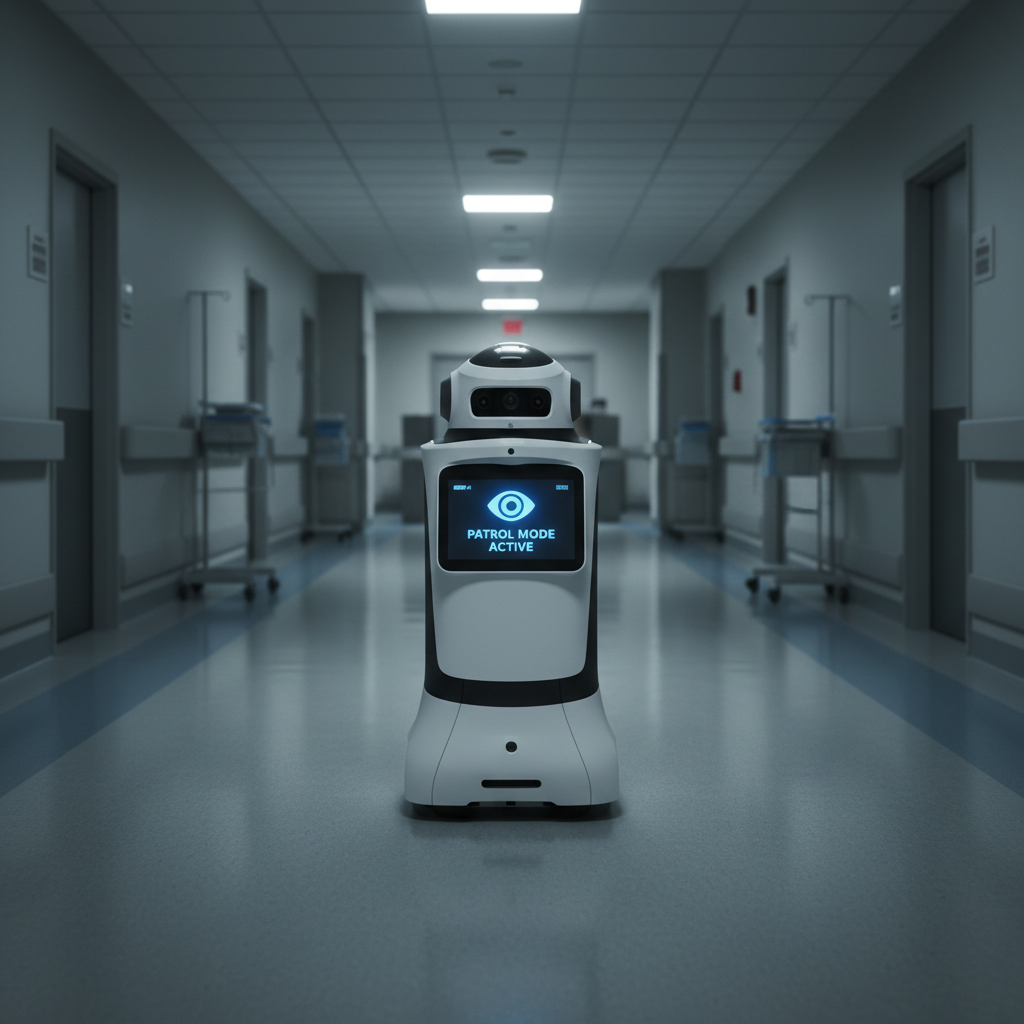
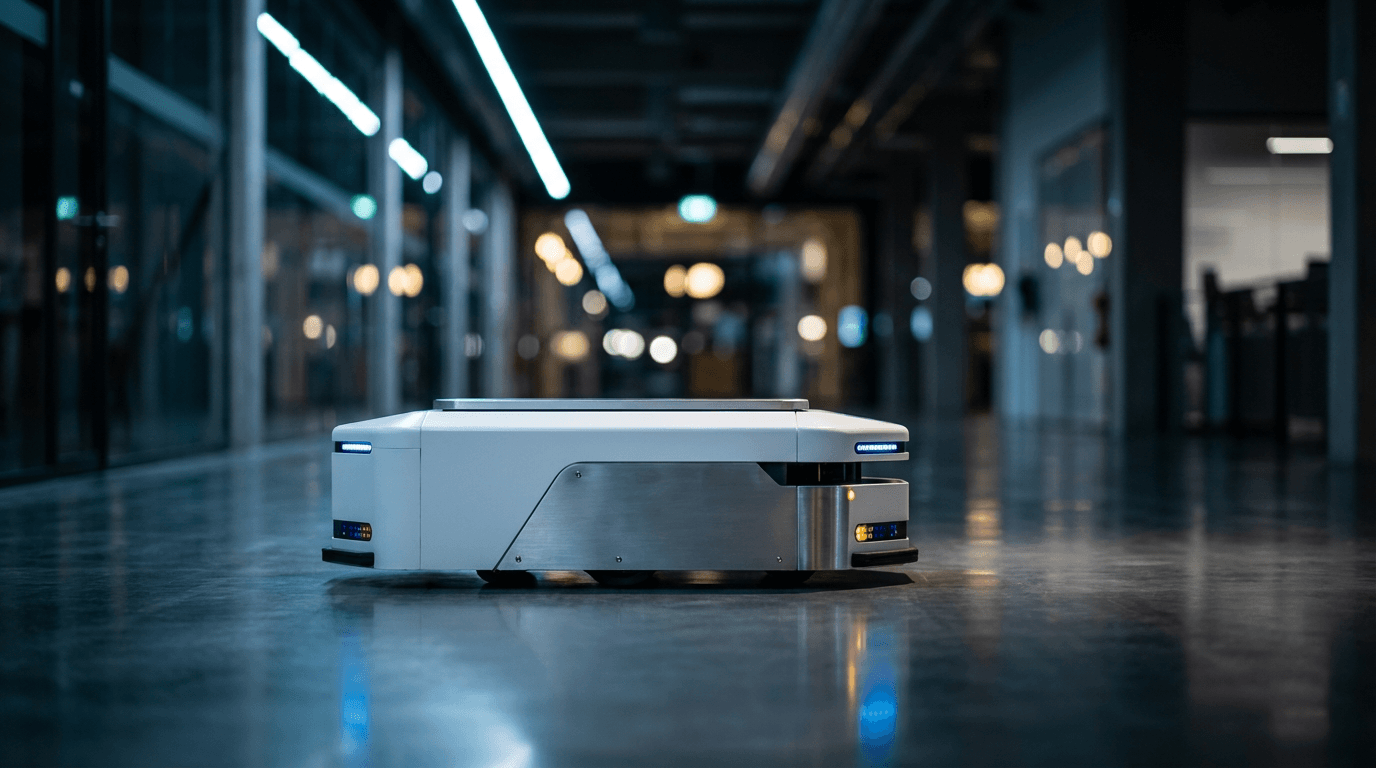
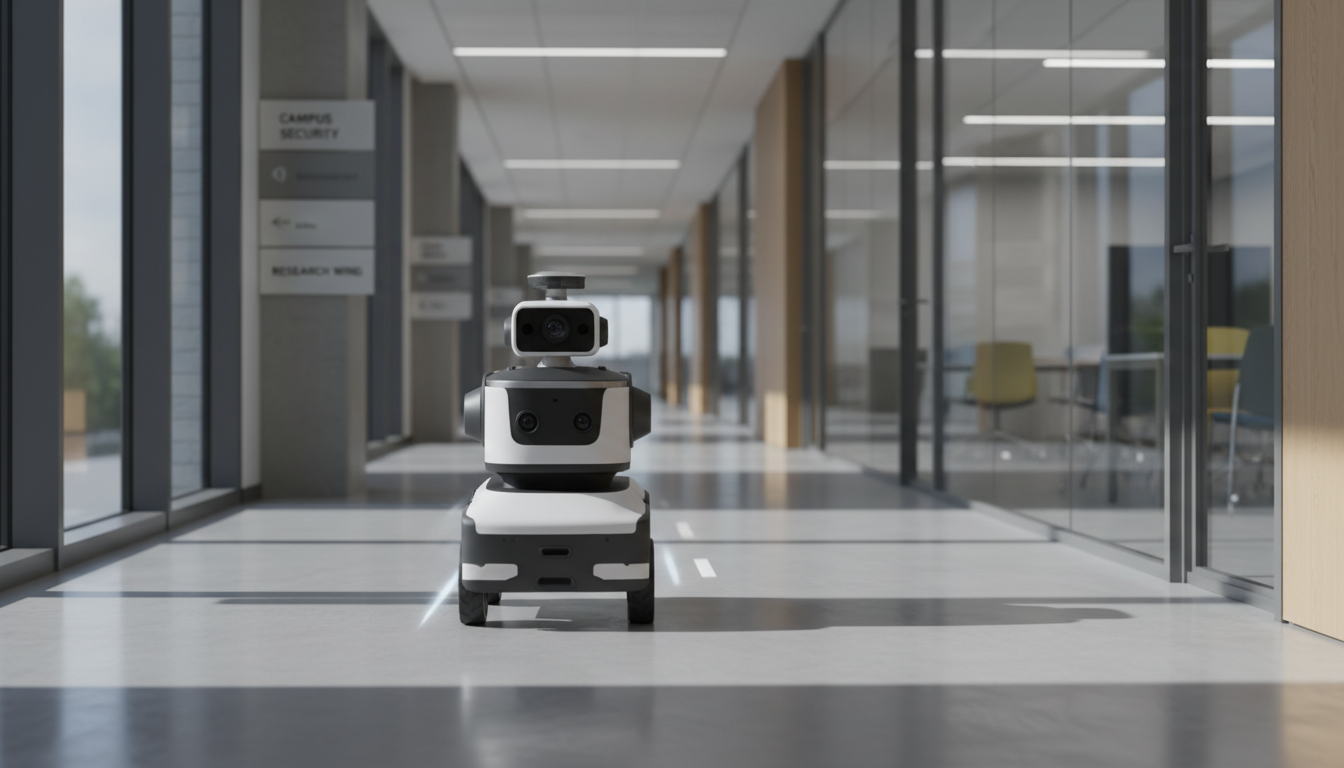
Facility inspection robots healthcare Australia assist aged care workers by assuming the burden of routine environmental monitoring, particularly during low light hours. In an aged care context, night patrols are essential for safety but can be intrusive. A robot equipped with silent drive motors and LiDAR navigation can perform these checks autonomously. They monitor for hazards such as liquid spills or blocked emergency exits without the need for staff to physically walk every wing, ensuring residents remain undisturbed while maintaining a high safety standard.
A significant advantage provided by Exaptec robotics integration is the ability to bridge the physical gap between management and the facility. If an anomaly is detected, telepresence integration allows a facility manager to remotely teleport into the robot from a mobile device or home office. They can visually confirm the severity of a reported issue or a triggered alarm in real time; this capability often eliminates the need for an on-call manager to travel to the site for a minor inspection.
By automating these repetitive safety rounds, facilities achieve successful robotics adoption in healthcare. This shift allows nursing staff to focus exclusively on clinical resident care, knowing the physical security of the building is being monitored by sensor grade technology. This proactive approach ensures that staff are only diverted from their primary duties when a verified physical intervention is required.
The Integration Gap: Connecting Robots to Hospital CMMS
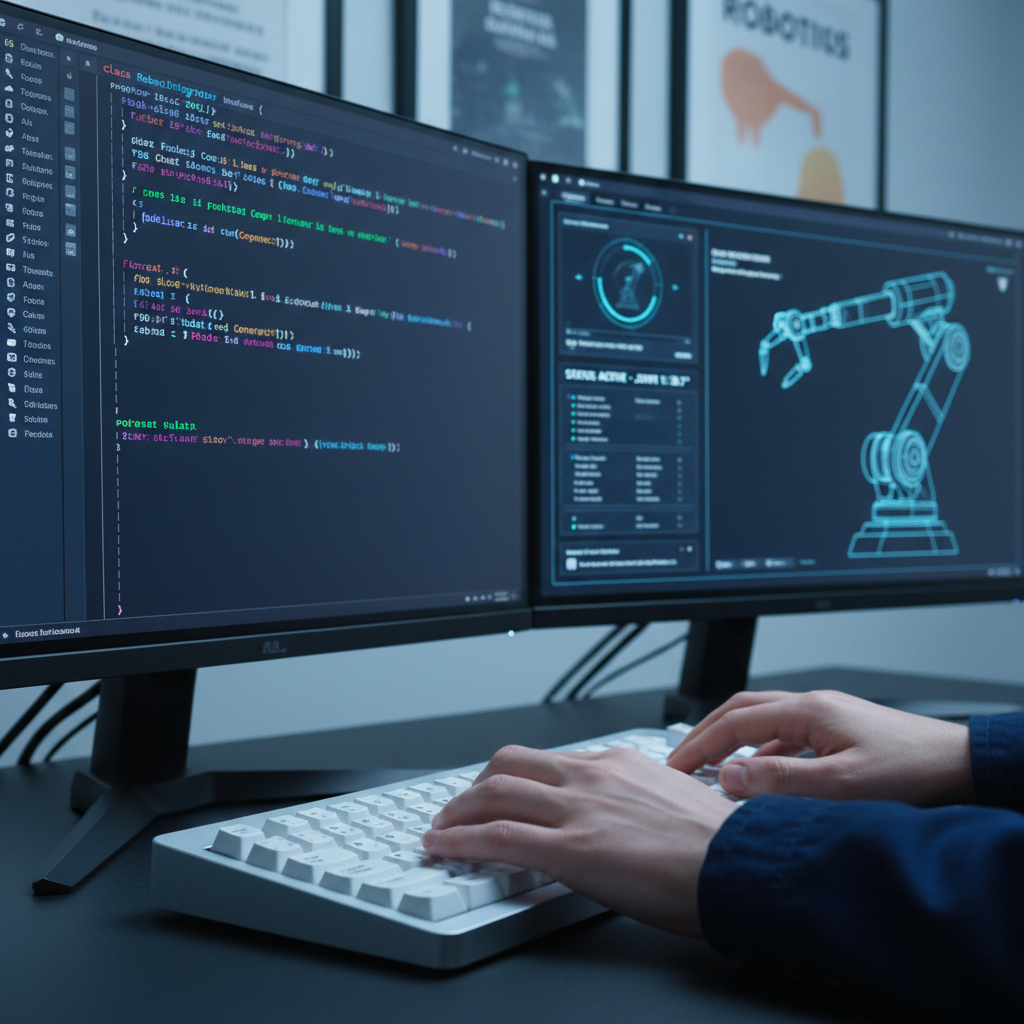
Securing the hardware is only the first step in a digital transformation. For facility inspection robots healthcare Australia to provide tangible value, they must be integrated into the facility's existing digital nervous system. Simply capturing data on a standalone tablet does not fix a failing chiller or a blocked exit. The real utility lies in closing the loop between sensing an anomaly and executing a repair.
This requires custom software integration to bridge the gap between the robot’s operating system and the hospital's Computerised Maintenance Management System (CMMS). When a robot identifies a temperature spike in a switchboard or a flickering ballast in a sterile corridor, the integration allows it to automatically trigger a work order. This removes the administrative lag of manual reporting and ensures that the technical team receives precise coordinates and sensor data before they even leave the workshop. By automating the data entry phase, the risk of human error or overlooked maintenance logs is virtually eliminated.
At Exaptec, we focus on ensuring these automated workflows are seamless. However, technology is only as effective as the team managing it. A critical part of Exaptec robotics integration involves comprehensive staff training. We help maintenance and clinical teams understand that the robot is a sophisticated partner designed to absorb the repetitive patrol load, not a replacement for human expertise. When staff see the robot proactively flagging issues that would otherwise lead to emergency call outs, it builds the trust necessary for successful robotics adoption in healthcare. This collaborative approach ensures the technology serves the facility's long term operational goals rather than becoming an isolated silo of unused data.
Implementation Checklist for Australian Healthcare Facility Managers
Successful deployment of facility inspection robots healthcare Australia requires a structured approach that accounts for the unique architectural and regulatory environment of local clinics and hospitals. Managers should begin by categorizing the facility into high traffic zones and restricted areas. This distinction determines the robot’s navigation priority and the specific level of obstacle avoidance required for safe operation around patients and staff.
In older Victorian infrastructure, internal connectivity is often the primary technical hurdle. A comprehensive WiFi heat map must be conducted to identify dead zones created by thick masonry walls or lead lined imaging suites. Bridging these gaps ensures the robot maintains a live link to the facility’s central dashboard and CMMS.
Follow this implementation checklist to ensure a seamless transition:
Zone Mapping: Categorize areas by foot traffic volume and safety risk levels, separating public foyers from restricted sterile plant rooms.
Infrastructure Audit: Perform signal strength testing to prevent disconnection in older hospital wings where network penetration is limited.
Baseline Calibration: Record normal thermal and acoustic levels for every critical asset to define accurate anomaly thresholds in your custom software integration.
Phased Deployment: Launch in back of house areas during low occupancy periods to demonstrate reliability and foster successful robotics adoption in healthcare.
Compliance Review: Audit data storage and streaming protocols against the Australian Privacy Principles (APPs) to ensure patient and staff anonymity during visual patrols.
This methodical preparation, supported by Exaptec robotics integration, mitigates the common pitfalls of complex automation projects while ensuring the technology remains a functional asset for the maintenance team.
Measuring ROI: Wrench Time and Predictive Maintenance Gains
The final justification for deploying facility inspection robots healthcare Australia lies in the measurable optimization of labor and asset longevity. In most Victorian hospitals, skilled maintenance technicians spend a significant portion of their shifts performing manual walkthroughs, which limits their available wrench time, the hours actually spent performing mechanical or electrical repairs. By automating these repetitive rounds, facilities redirect high cost labor toward complex engineering tasks that require human intervention.
While the capital expenditure for advanced robotics is a consideration, the long term ROI is found in the transition to predictive maintenance. A single avoided failure of a main switchboard or a surgical HVAC unit, identified early through autonomous thermal monitoring, can save a facility hundreds of thousands of dollars in emergency repairs and clinical downtime. Integrating these units through Exaptec robotics integration ensures that data is actionable, bridging the gap between detection and resolution. For Australian healthcare boards, successful robotics adoption in healthcare is evidenced not just by the presence of technology, but by the measurable reduction in catastrophic equipment failures and the improved efficiency of the facility management team.
As healthcare facilities across Australia move toward a more automated future, facility inspection robots will become vital tools for maintaining safety and compliance. These systems reduce human error and allow staff to focus on critical patient care. If you want expert help navigating the integration of robotics into your facility, our team is ready to guide you. You can discover more about our mission and approach by visiting our About page. We are here to help you build a smarter, more efficient healthcare environment.