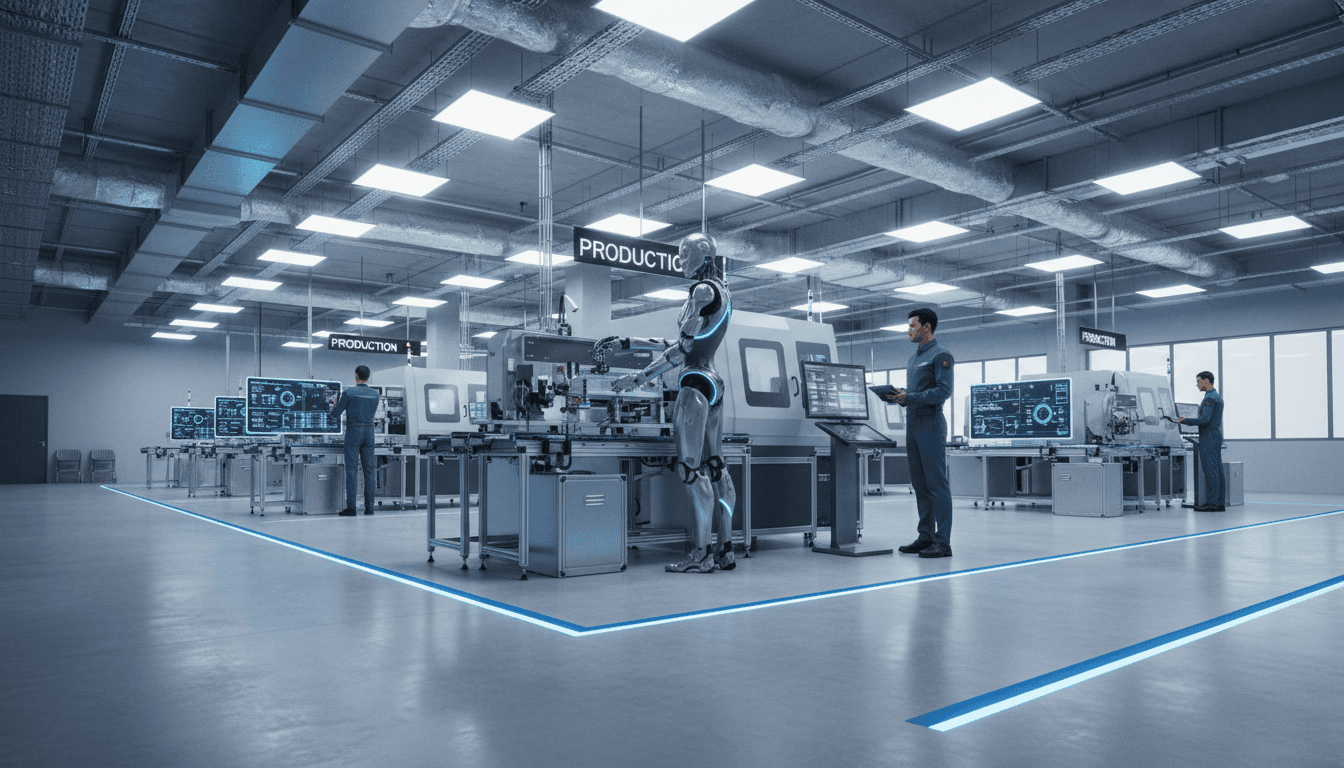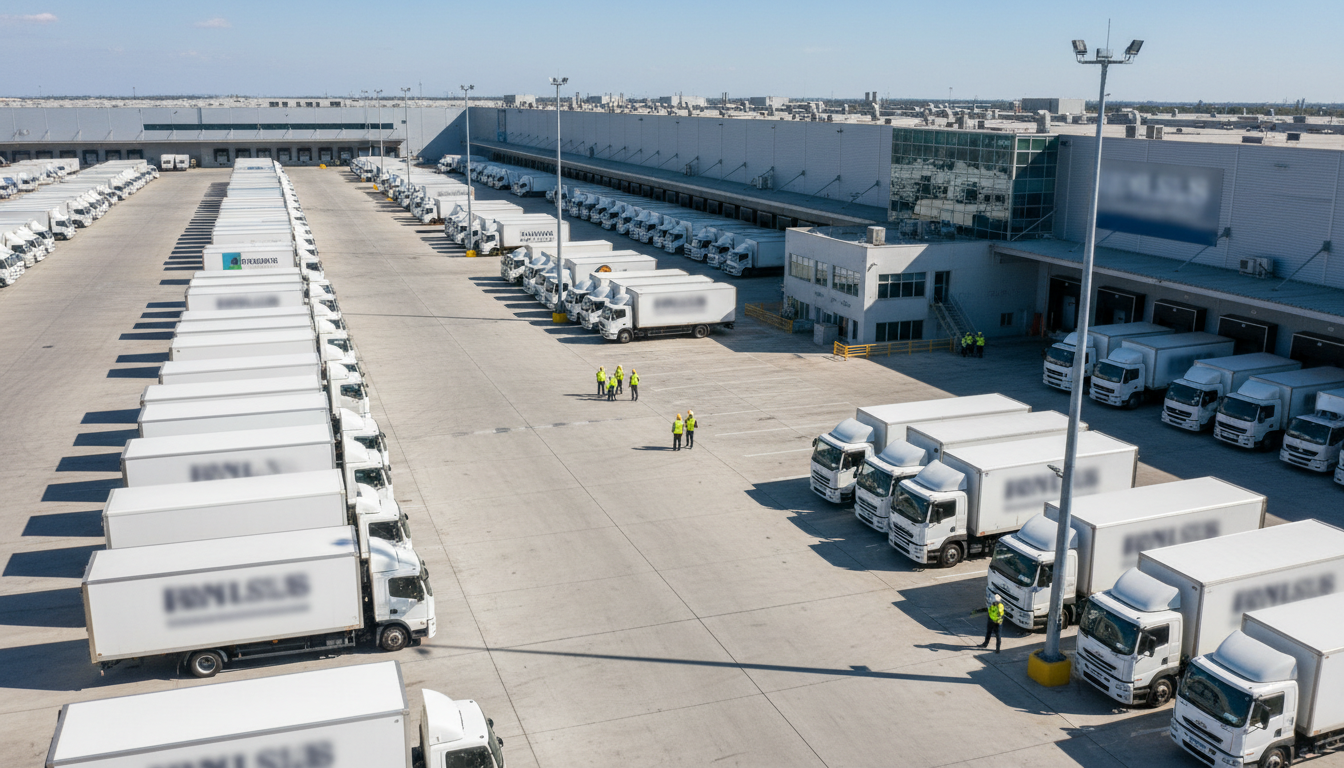
Effective robotics fleet orchestration healthcare Australia relies on vendor-neutral platforms and AI-driven frameworks to coordinate diverse mobile robot brands within complex medical facilities. These systems optimize logistics by integrating with building infrastructure such as elevators and doors, enabling automated pick-up and delivery tasks that improve operational efficiency.
Australian healthcare facility managers often face a frustrating paradox where adding more robots actually increases operational complexity. You might have one vendor for pathology transport and another for cleaning, yet these systems remain isolated, creating robot islands that cannot share elevators or coordinate movements. In a high pressure hospital or campus environment, this lack of interoperability leads to bottlenecks and wasted investment. To truly leverage automation, leaders must transition from managing individual units to orchestrating a cohesive fleet. This guide explores how multi robot orchestration solves vendor silos, integrates with local infrastructure like elevators, and meets strict TGA standards. You will learn the key components of a unified platform and follow a strategic three step roadmap to ensure your robotics investment delivers measurable results across Australian facilities.
Why Fleet Orchestration is the Next Frontier for Australian Facility Leaders
Australian facility leaders are moving beyond the novelty of solitary robotics trials. As hospitals and schools face chronic workforce shortages, the focus has shifted from simple automation to the strategic deployment of robotics fleet orchestration healthcare Australia. While many Victorian and New South Wales facilities have successfully piloted a single cleaning or meal delivery robot, these individual successes often lead to operational bottlenecks when scaled.
Orchestration is fundamentally different from traditional fleet management. While fleet management involves controlling a group of identical robots from one manufacturer, orchestration requires managing a diverse, multi-vendor environment. It allows a facility to treat telepresence units, security AMRs, and clinical transport robots as a single, cohesive unit. This approach is essential for large campuses, such as those featured in the Exaptec robotics portfolio, where disparate brands must share hallways and lift access without conflict.
For health systems under pressure in Sydney and Melbourne, efficiency is no longer optional. By utilizing custom software integration, facilities can move away from manual coordination toward a system where robots communicate their location and intent in real time. This ensures that regulatory compliance support and safety standards are maintained across the entire digital infrastructure, turning a collection of machines into a high-functioning support team.
The Robot Island Problem: Breaking Down Vendor Silos
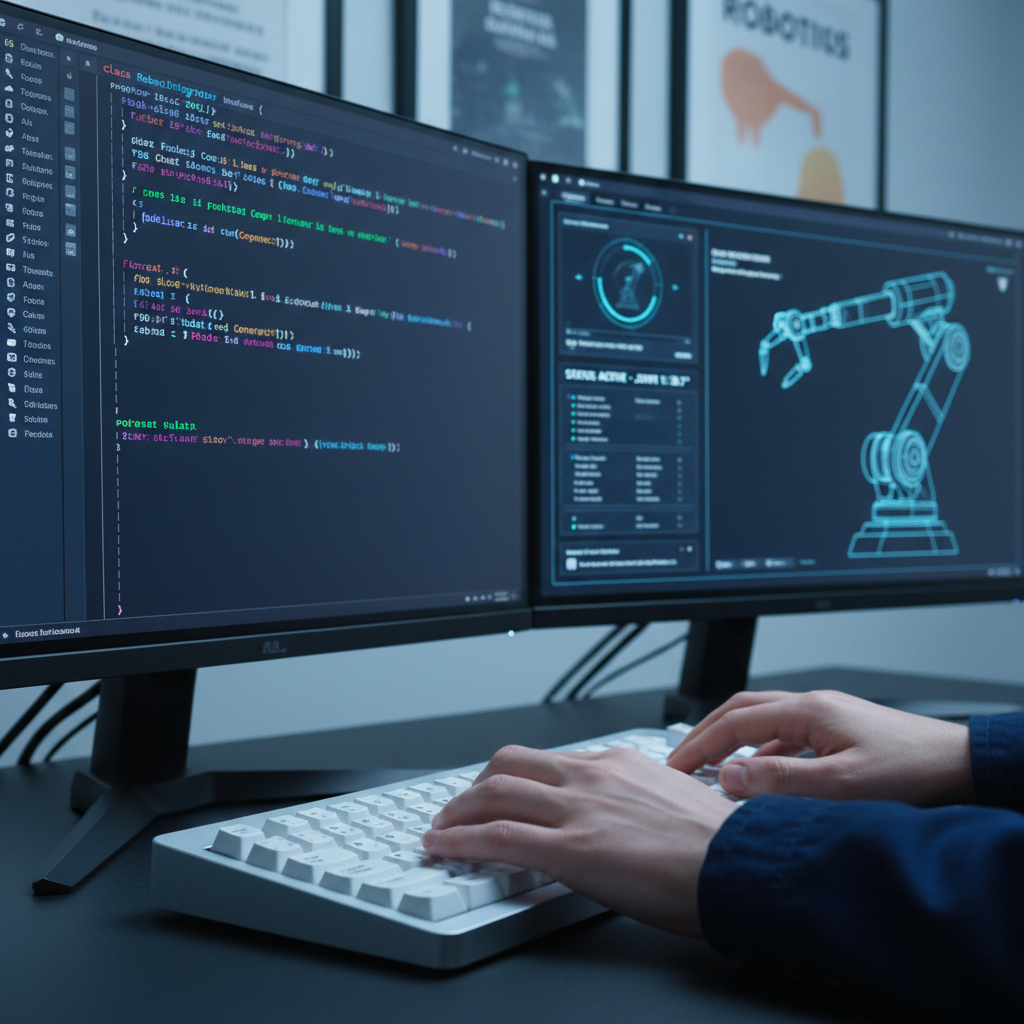
The "robot island" phenomenon occurs when a facility implements automation in departmental vacuums. A hospital might procure a specialized cleaning robot for the surgical wing, an autonomous meal delivery unit for patient wards, and a security AMR for the perimeter. Without a unified communication layer, these machines operate as isolated islands. They occupy the same narrow corridors and compete for lift priority, often resulting in mechanical standoffs where neither robot can proceed. In a high-stakes clinical environment, a delivery robot blocking a corridor or stalling an elevator because it cannot communicate with a cleaning unit is more than an inconvenience; it is a risk to operational flow.
True scalability requires moving away from proprietary, closed ecosystems toward a vendor-neutral platform. Interoperability is the most critical factor for digital transformation in Australian healthcare. It ensures that a fleet remains flexible, allowing a facility to add hardware from different manufacturers as technology evolves without being locked into a single provider's roadmap. This is where the Robotics Middleware Framework (RMF) becomes essential. Originally developed to manage heterogeneous fleets in complex environments like the Tartu University Hospital trials, RMF provides a common language for robots to share spatial data and coordinate traffic across a shared infrastructure.
At Exaptec, we address these silos through custom software integration. By adopting an orchestration layer based on open standards like RMF, we enable diverse robots to coexist effectively. This integrated approach prevents the technical debt of "islands" and ensures that regulatory compliance support is applied consistently across all automated assets in the Exaptec robotics portfolio. When robots share a common logic for navigating Australian hospital layouts, the facility gains a cohesive workforce rather than a collection of conflicting machines.
Key Components of a Multi Robot Orchestration Platform
Building a functional environment for robotics fleet orchestration healthcare Australia requires four distinct technical layers. These components must work in unison to transform individual machines into a collective workforce, often operating over legacy IT infrastructure common in older Victorian and New South Wales facilities.
Traffic Management: In the narrow, high-traffic corridors of a busy hospital, gridlock is a constant risk. Orchestration platforms use predictive collision avoidance to ensure a heavy delivery AMR does not trap a telepresence unit in a dead-end hallway. By managing spatial data in real time, the system dictates right-of-way protocols similar to air traffic control.
Dynamic Task Allocation: Efficiency is driven by sending the nearest qualified robot to a request. Rather than robots returning to a central dock after every task, the platform calculates optimal routing and battery levels to assign the next job, reducing "empty travel" across the Exaptec robotics portfolio.
Infrastructure Integration: This layer acts as the bridge to Building Management Systems (BMS). It enables robots to communicate with API-driven elevators and IoT-enabled doors. For many Australian sites, our custom software integration ensures these modern machines can interact securely with existing Wi-Fi networks and aging physical assets.
Real-time Analytics: To justify the investment, facility managers require hard data on task completion rates, travel distances, and idle times. These metrics provide the transparency needed for regulatory compliance support and long-term ROI mapping.
Healthcare Applications: From Pathology Transport to Remote Rounds
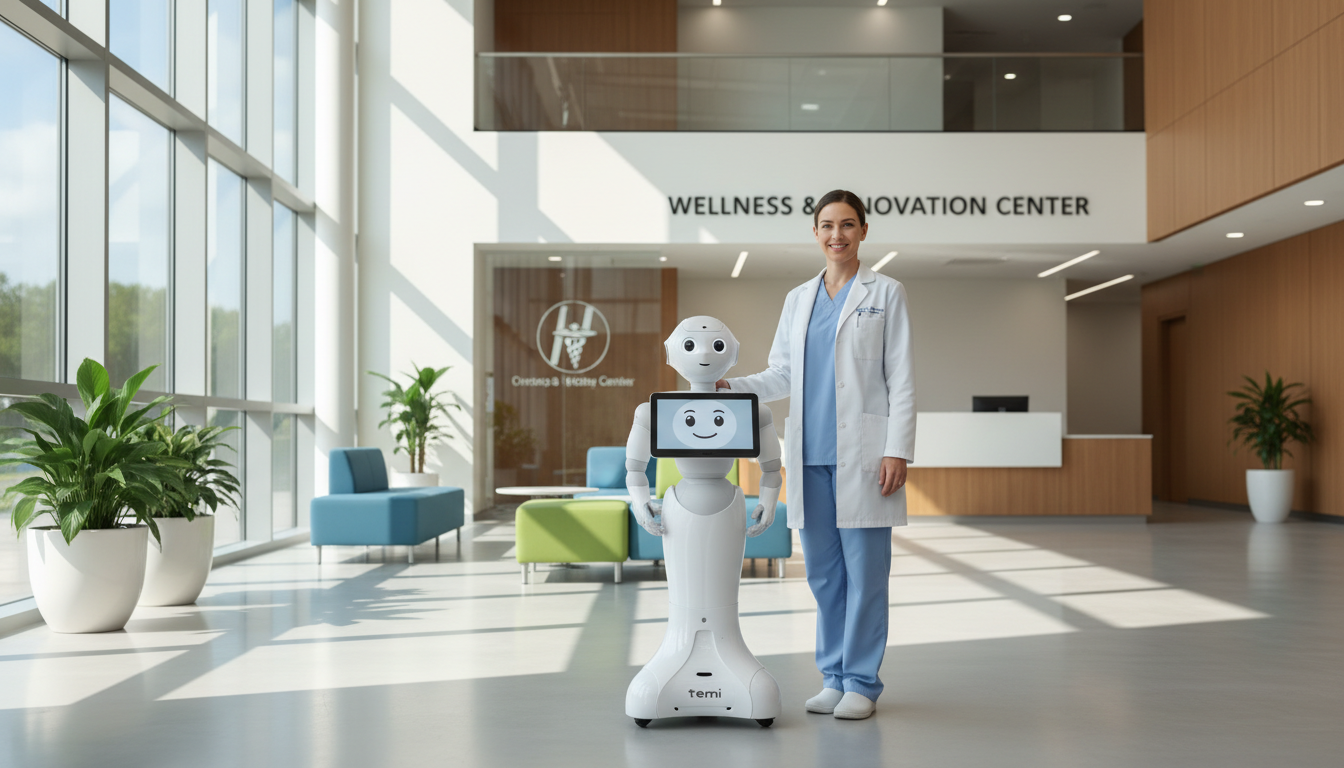
When technical orchestration layers are applied to clinical workflows, the impact on operational efficiency is immediate and measurable. One of the most critical use cases involves the transport of pathology samples. In a large Victorian facility like the Royal Melbourne Hospital, moving time-sensitive specimens from the ICU to the central lab often requires staff to navigate long, crowded corridors multiple times per shift. By deploying AMRs for this task, hospitals ensure that samples arrive for processing without delay, allowing clinical staff to remain focused on patient care.
Simultaneously, telepresence robots within the Exaptec robotics portfolio facilitate specialist ward rounds. This technology allows a neurologist in Melbourne to conduct a virtual consultation at a regional Ballarat facility, providing high-level expertise to rural patients without the logistical burden of travel. For back-of-house operations, 'follow-me' robots are increasingly used for linen and waste management. These units track the movement of environmental services staff, carrying heavy loads and reducing the risk of musculoskeletal injuries across the workforce.
The success of these diverse applications relies on a unified spatial understanding. Exaptec differentiates its approach through custom software integration that allows every robot, regardless of its primary function or manufacturer, to share the same digital map of the facility. Without this shared map, a cleaning robot might interpret a telepresence unit as a static obstacle rather than a moving colleague with its own right-of-way priority.
Effective robotics fleet orchestration healthcare Australia demands that these machines work in concert, not in competition. By synchronizing the movement of a pathology AMR with a waste-management unit, we eliminate the gridlock often seen in unmanaged pilot programs. This level of coordination is backed by our regulatory compliance support, ensuring that every automated task, from specimen transport to remote rounds, meets the stringent safety and data privacy standards required in Australian clinical environments.
Campus Security and Facility Inspections in Australian Education
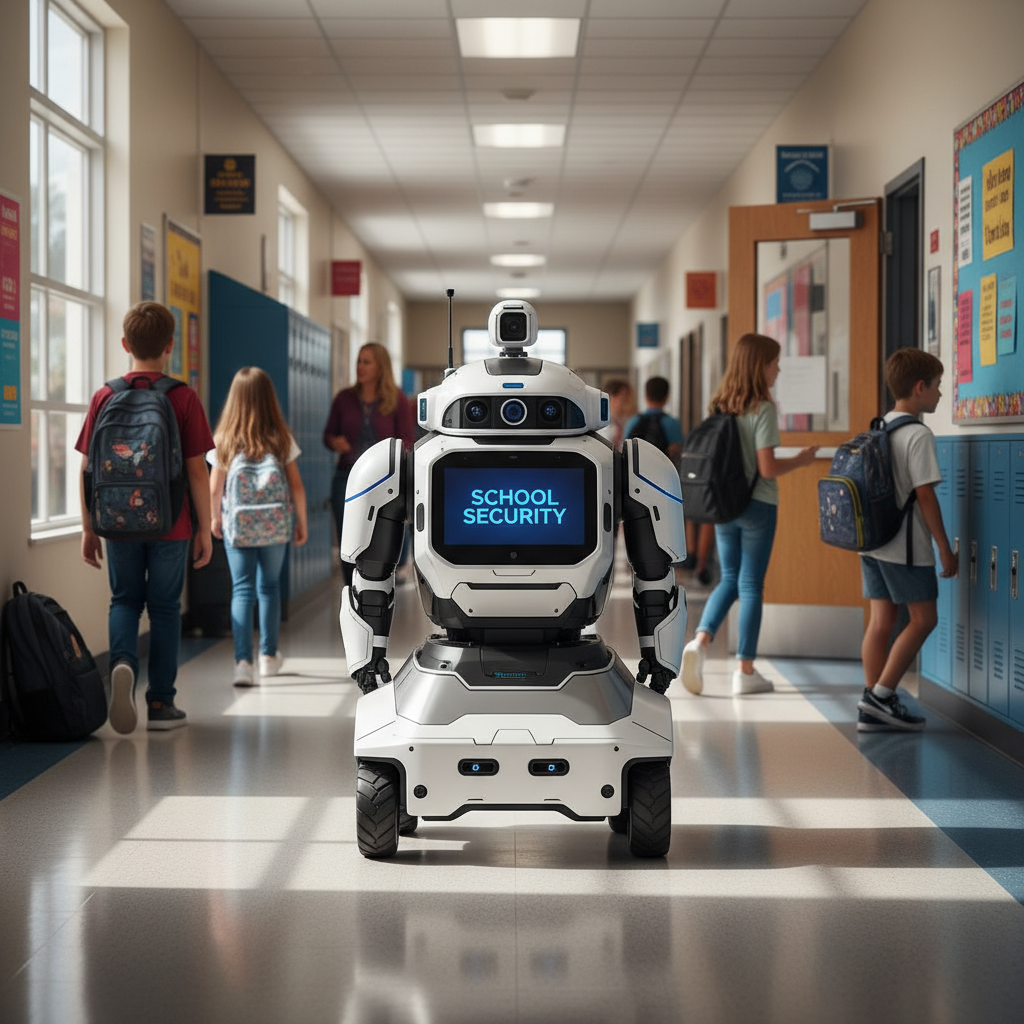
The transition from the clinical requirements of a hospital to the expansive grounds of Australian education facilities requires a shift in how we view the Exaptec robotics portfolio. Large university campuses in Victoria and New South Wales often feature a mix of modern architecture and heritage buildings, creating complex navigation challenges that a single type of robot cannot solve. Orchestration allows for the deployment of a heterogeneous security fleet, where quadruped robots navigate stairs and uneven terrain while wheeled AMRs handle high speed patrols on paved pathways.
This multi-modal approach enables a continuous, automated patrol cycle. While a wheeled unit monitors the main library perimeter, a quadruped robot can ascend external stairs to verify that rooftop access points or remote laboratory doors are securely locked. Through custom software integration, these robots identify safety hazards such as liquid spills, blocked fire exits, or failed lighting, immediately alerting human security teams via a centralized dashboard. This data provides a level of granular oversight that is difficult to achieve with stationary CCTV alone.
For facility managers, the primary benefit is the ability to maintain 24/7 site visibility without the prohibitive costs of increasing physical headcount. In the context of robotics fleet orchestration healthcare Australia, the same logic applies to large educational precincts; the platform manages the hand off between different robot types, ensuring no area is left unmonitored. By providing regulatory compliance support, Exaptec ensures these security workflows align with Australian privacy laws regarding surveillance data. This strategic automation allows human staff to transition from routine observation to high level incident response, maximizing the efficiency of the existing workforce.
Integrating with Australian Infrastructure: Elevators and Automated Doors
Successful orchestration relies on the robot’s ability to navigate vertical and horizontal barriers autonomously. For many Victorian hospitals, the primary hurdle is elevator integration. We prioritize API-driven elevator control, which allows the robot to call a lift digitally rather than relying on mechanical button pushers. This requires custom software integration with lift providers to ensure priority access for clinical AMRs while maintaining service for human passengers. Without this digital handshake, robots become stranded in lobbies, causing congestion and delaying time-sensitive deliveries.
Horizontal movement often requires the installation of automated door modules. These hardware interfaces allow robots from the Exaptec robotics portfolio to trigger door openings via local wireless protocols or the building’s Wi-Fi network. In Australia, fire safety compliance is a non-negotiable factor. Any automated door integration must be hardwired into the facility’s fire panel. This ensures that if an alarm sounds, the robot relinquishes control and the doors default to their required safety state, typically closed for fire containment or unlocked for egress, depending on the zone.
Robust Wi-Fi roaming is also essential for robotics fleet orchestration healthcare Australia. As a robot moves between a heritage wing and a modern ward, it must hand off between access points without losing its connection to the orchestration layer. Inconsistent connectivity is a leading cause of stalled robots in doorways. Through detailed regulatory compliance support, we ensure these physical and digital integrations meet both operational needs and local safety standards, preventing technical friction in high-stakes environments.
Navigating Regulatory Compliance and TGA Standards

Deploying a unified fleet across a Victorian hospital or a New South Wales campus is as much a legal task as it is a technical one. Australian facility managers must navigate the specific classifications set by the Therapeutic Goods Administration (TGA). If a robot from the Exaptec robotics portfolio is utilized for clinical functions, such as transporting pathology samples or facilitating patient rounds, it may be classified as a medical device depending on its intended use and degree of patient interaction.
Data security is equally critical in a multi-vendor environment. As diverse robots move between wards and share spatial data through custom software integration, the risk of data interception increases. Adhering to cybersecurity standards like ISO 27001 is vital to ensure that building blueprints and patient identifiers remain encrypted during transmission. Exaptec provides comprehensive regulatory compliance support, delivering the detailed risk assessments and technical documentation required to meet Australian standards. This rigorous approach ensures that robotics fleet orchestration healthcare Australia projects remain compliant with both national healthcare regulations and local privacy laws, mitigating liability for facility operators.
The Roadmap to Successful Robotics Adoption: A 3 Step Approach
Transitioning from regulatory planning to live deployment requires a deliberate, three-stage roadmap designed to minimize operational friction and maximize ROI.
Conduct a Workflow and Infrastructure Audit: Before procurement, evaluate the building’s "robot-readiness." This involves identifying physical constraints such as non-automated heavy doors, steep ramps, or Wi-Fi dead zones in basement labs. Mapping existing staff movement patterns helps identify high-traffic zones where robots can provide the most relief for overburdened clinicians or security personnel.
Establish the Orchestration Layer Early: Implementing a vendor-neutral platform before scaling the fleet prevents the formation of departmental silos. By prioritizing custom software integration at the start, you ensure that any future additions from the Exaptec robotics portfolio can communicate with existing lifts and security systems immediately. This foundation is essential for scalable robotics fleet orchestration healthcare Australia.
Prioritize Human-Centric Training: The final step involves managing the organizational change required for robots to function in everyday clinical or educational practice. Staff training must emphasize that AMRs are tools for efficiency, not replacements for professional expertise.
Exaptec serves as the essential bridge between advanced automation and the professionals on the ground. By providing regulatory compliance support alongside technical deployment, we ensure that clinical and security teams feel empowered by technology that simplifies their daily workflows while meeting all Australian safety standards.
Managing a multi-robot fleet in Australian healthcare and campus facilities requires a careful balance of technology and strategy. By focusing on orchestration and interoperability, organizations can achieve significant efficiency gains. However, implementing these systems effectively involves navigating complex technical challenges. If you want expert help to streamline your robotics journey, you can learn more about our experience and vision. We are dedicated to supporting your transition toward a smarter, more automated future.