
Robotics regulatory compliance Australia healthcare is centered on the July 2026 implementation of mandatory Unique Device Identification (UDI) rules and updated TGA requirements for Class III and IIb medical devices. These regulations mandate that developers of healthcare robotics and autonomous systems prioritize traceability, patient safety, and rigorous AI governance frameworks. This phased rollout ensures that high-risk technologies used in rehabilitation and virtual hospitals are fully integrated into existing medical oversight systems.
Navigating the Australian healthcare robotics sector often feels like moving through a shifting maze of red tape. For facility managers and innovators, the challenge is no longer just whether the technology works; it is whether it meets the stringent, evolving standards of multiple governing bodies. As we approach 2026, the intersection of patient safety and robotic automation requires more than a passing knowledge of general safety. It demands a rigorous understanding of the TGA, WHS, and emerging data privacy mandates. This guide provides a consolidated roadmap through the regulatory landscape. We will examine the critical TGA medical device classifications, explore the nuances of human robot interaction under WHS frameworks, and break down the cybersecurity requirements necessary for secure deployment. Whether you are managing an aged care facility or a clinical school, this article outlines the essential compliance stack for your next robotic integration.
Navigating the Australian Robotics Regulatory Landscape
Deploying an autonomous mobile robot (AMR) within a Victorian hospital or aged care facility involves more than just selecting hardware. Unlike stationary medical equipment governed primarily by a single body, a mobile robot exists at the intersection of several jurisdictions. Facility leaders in Melbourne face a complex compliance stack where the physical movement of the unit, its data capture capabilities, and its clinical function fall under different regulatory umbrellas simultaneously.
Navigating robotics regulatory compliance Australia healthcare standards requires balancing Therapeutic Goods Administration (TGA) clinical requirements with WorkSafe VIC safety mandates and federal privacy laws. This fragmentation creates what groups like the Royal Australasian College of Physicians (RACP) describe as a potential liability trap. If a robot is compliant as a medical device but fails to meet mobile plant safety standards in a busy hospital corridor, the facility remains exposed. To mitigate this risk, procurement officers must look beyond the manufacturer's spec sheet and consider the unit’s interaction with the specific environment.
Managing these risks requires a consolidated map rather than a siloed approach. This guide provides a unified view of how these overlapping rules apply to a single physical unit. At Exaptec, we provide regulatory compliance support to help facilities move beyond default settings to meet local Australian standards. By evaluating robotic solutions for healthcare through the lens of integrated governance, we ensure that custom software integration aligns with clinical function, physical safety, data privacy, and cybersecurity. This approach shifts the focus from the individual machine to the compliance of the entire operational deployment.
The TGA Layer: Medical Device Classification and UDI Timelines
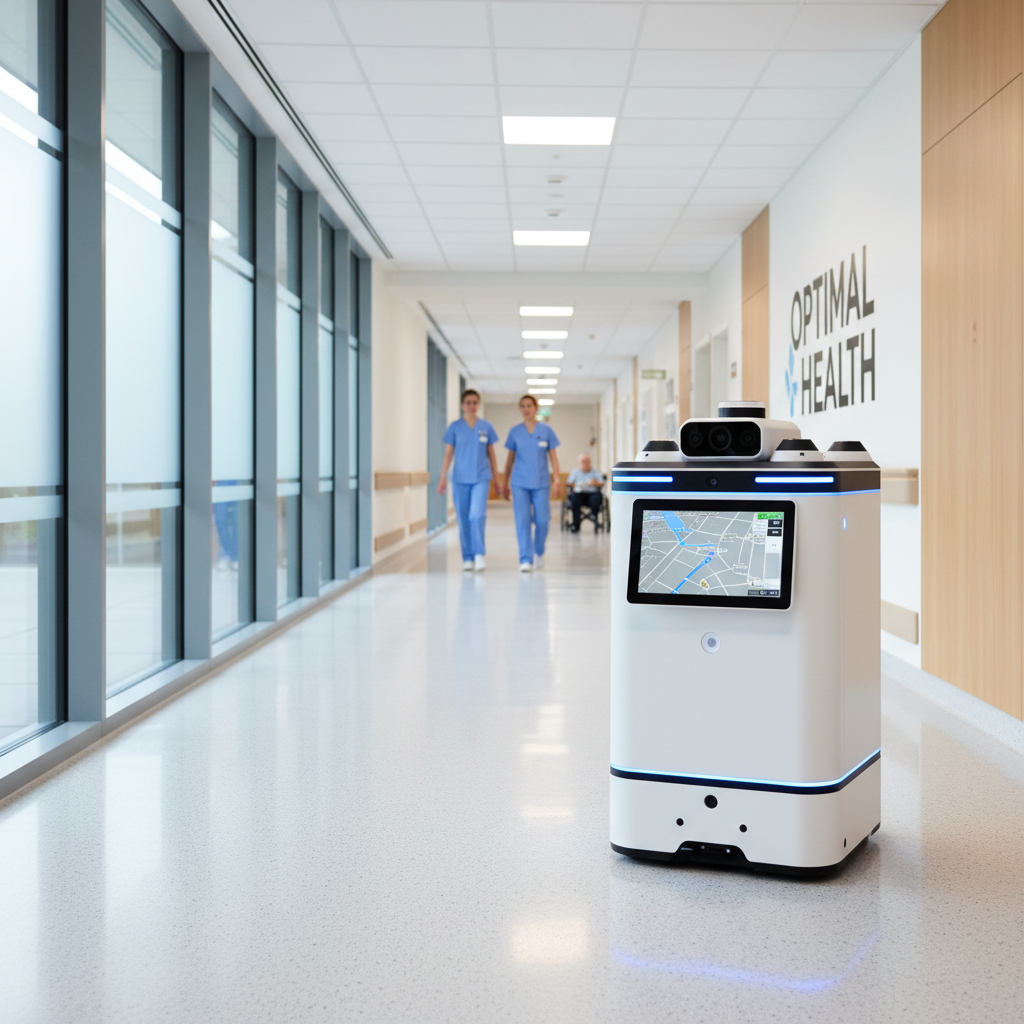
The Therapeutic Goods Administration (TGA) acts as the primary gatekeeper for any technology entering a clinical environment. For facility managers, the first step in ensuring robotics regulatory compliance Australia healthcare standards is determining if the unit qualifies as a medical device. This distinction depends entirely on the manufacturer’s "intended use." If a robot is designed solely for telepresence, allowing a specialist in Carlton to consult with a patient in regional Victoria, it often falls into the low-risk Class I category. However, if the robot's function extends to monitoring vital signs, dispensing medication, or assisting in surgical procedures, it is elevated to Class IIa, IIb, or even Class III.
Central to the current TGA landscape is the new Unique Device Identification (UDI) framework, which became operational on 25 March 2025. This system requires robots classified as medical devices to carry a UDI, consisting of a static model identifier (UDI-DI) and production-specific data like serial or lot numbers (UDI-PI). This data must be submitted to the AusUDID database to ensure full traceability throughout the device's lifecycle.
Strategic planning must account for the TGA’s phased rollout deadlines. Facilities currently trialing or deploying robotic solutions for healthcare should be aware of the following compliance milestones:
Device Classification | Compliance Deadline |
|---|---|
Class III and IIb (High to Medium-High Risk) | 1 July 2026 |
Class IIa (Medium-Low Risk) | 1 July 2027 |
Class I Sterile (Low Risk) | 1 July 2028 |
For many Melbourne hospitals, the July 1, 2026, deadline for Class IIb devices is the most pressing. This often includes autonomous delivery robots that interact directly with patients or handle sensitive therapeutic goods. Exaptec provides regulatory compliance support to help facilities navigate these timelines, ensuring that any custom software integration does not inadvertently change the device's classification or void its TGA status. While a telepresence robot may seem exempt from the stricter Class II requirements today, adding diagnostic sensors or autonomous triage software can trigger a reclassification. Understanding these nuances early prevents costly procurement errors and ensures the fleet remains compliant as Australian standards evolve.
Work Health and Safety (WHS): Managing Human Robot Interaction
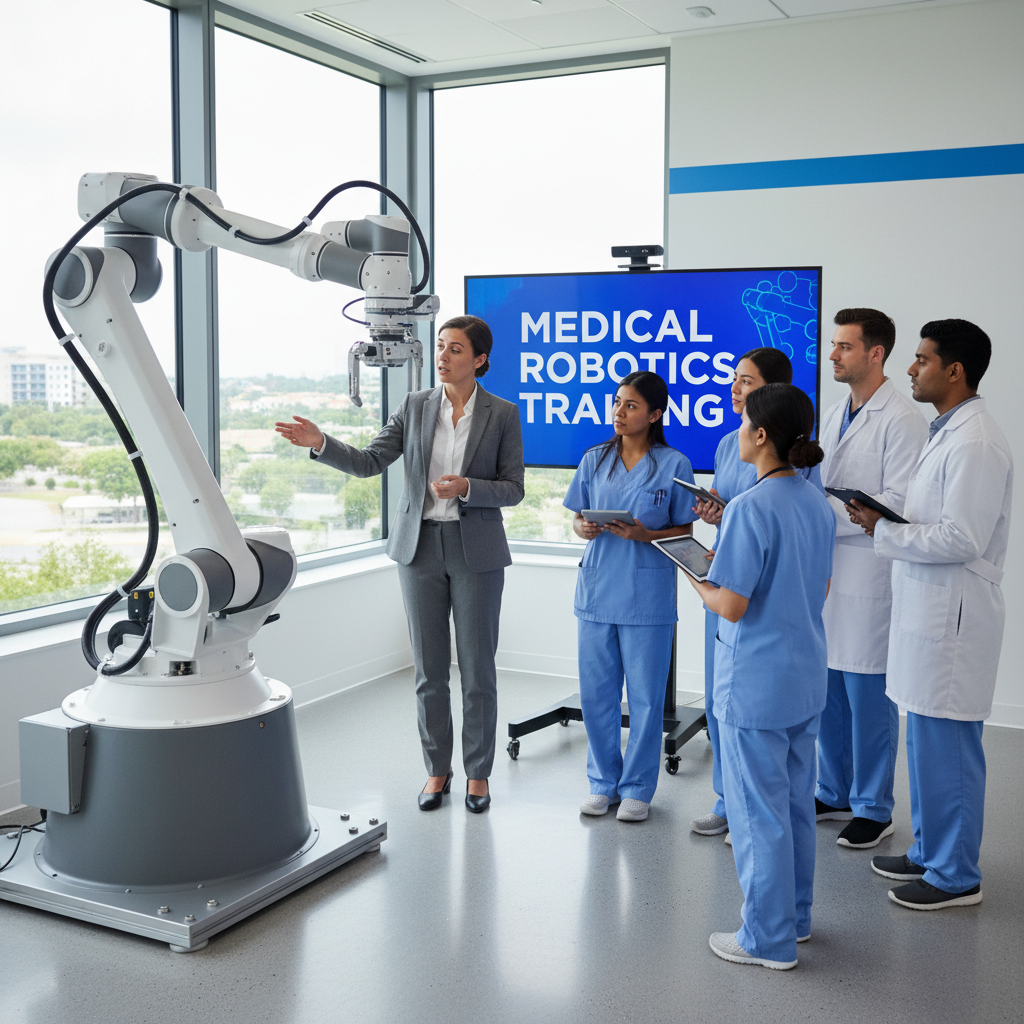
While TGA classification governs the clinical intent of a device, the physical presence of an autonomous unit in a shared corridor falls under the Model Work Health and Safety (WHS) Regulations. In Victoria, facility leaders must adhere to the Occupational Health and Safety Act 2004, overseen by WorkSafe VIC. Under these state regulations, an autonomous mobile robot (AMR) is often categorized as mobile plant equipment. This classification imposes a legal duty on employers to eliminate or minimize risks associated with moving machinery, particularly where it interacts with staff, patients, and visitors.
A robust risk assessment is the foundation of robotics regulatory compliance Australia healthcare strategies. This process should reference ISO 13482, the international safety standard for personal care robots. ISO 13482 provides the technical framework for obstacle detection, emergency stop functions, and stability, ensuring the robot can navigate dynamic environments like aged care wards without causing physical harm. At Exaptec, we help facilities map these international safety standards to local Australian requirements through custom software integration. This ensures that a robot’s navigation parameters are tuned to the specific widths and traffic flows of a Victorian facility.
Compliance is not a static milestone achieved at the point of purchase. Safe Work Australia emphasizes that WHS is a continuous obligation. Facility managers must implement: - Documented maintenance schedules to ensure sensors and brakes remain functional. - Comprehensive staff training to ensure nurses and educators know how to interact with the unit safely. - Regular environment audits to identify new hazards, such as changed floor layouts or new equipment.
Effective WHS management treats the robot as an evolving part of the workforce. By integrating robotic solutions for healthcare into existing safety management systems, facilities move beyond basic hardware operation toward a culture of shared safety between humans and machines.
The 2026 Cybersecurity and Privacy Mandate

Physical safety represents only half of the risk profile. As we move toward 2026, the Australian Government is tightening the net on internet-connected devices through new cybersecurity mandates led by the Department of Home Affairs. For robotic units operating in sensitive zones, the concept of secure by design is becoming a mandatory procurement standard. This means a robot must be built with inherent security features like automatic firmware updates, unique non-default passwords, and encrypted data transmission. In a hospital or school, a device that lacks these safeguards is a potential entry point for lateral movement across a facility's network.
The Office of the Australian Information Commissioner (OAIC) oversees how these devices handle personal information under the Privacy Act. Robots equipped with high-definition cameras, 360-degree LiDAR, and sensitive microphones present unique privacy challenges. When an autonomous mobile robot (AMR) patrols an aged care ward or navigates a school hallway, it is continuously capturing data that could be classified as sensitive health or biometric information. Without intervention, many off-the-shelf robots are configured to upload diagnostic or visual data to overseas cloud servers, which can violate Australian data residency requirements and privacy principles.
Bridging the gap between a robot's factory settings and local robotics regulatory compliance Australia healthcare standards often requires custom software integration. At Exaptec, we work with facility IT departments to implement privacy by design. This process ensures that the robot's data handling is as robust as its physical navigation. Our integration services focus on hardening the device through several practical measures:
Implementing real-time face blurring or de-identification before data is stored or transmitted.
Disabling unnecessary microphones or cloud-tethers that do not serve the clinical or educational mission.
Configuring local data processing to ensure sensitive patient interactions never leave the facility’s secure internal perimeter.
By ensuring robotic solutions for healthcare are hardened against digital threats, facilities protect themselves from both data breaches and the regulatory penalties associated with non-compliance. Regulatory compliance support must therefore encompass the digital lifecycle of the robot, ensuring it remains a secure asset within the broader healthcare ecosystem.
Consolidated Compliance Stack: One Robot, Four Regulators

Consider a high capacity autonomous delivery robot operating within a Melbourne tertiary hospital, moving scheduled medications between the pharmacy and acute care wards. While it appears to be a single asset, it exists simultaneously in four regulatory dimensions. For procurement officers, successful robotics regulatory compliance Australia healthcare deployment requires viewing this unit through a consolidated lens rather than a series of isolated checks.
Regulatory Body | Compliance Focal Point | Actionable Requirement |
|---|---|---|
TGA | Clinical Function | Verify the unit is registered on the ARTG with a valid UDI submitted to the AusUDID database. |
Safe Work Australia / WorkSafe VIC | Physical Presence | Complete a "mobile plant" risk assessment and verify hardware meets ISO 13482 standards. |
OAIC | Data Privacy | Audit camera and LiDAR feeds to ensure no unmasked patient data or biometric info leaves the local network. |
Department of Home Affairs | Cybersecurity | Validate that hardware follows the 2026 "secure by design" mandate, including unique passwords and encryption. |
Each regulator monitors a different aspect of the same hardware. If a robot encounters a patient fall in a corridor, the TGA monitors if the unit failed its clinical alert function; WorkSafe VIC investigates if the robot’s pathing contributed to the hazard; and the OAIC evaluates if the recorded footage of the incident complies with the Privacy Act. This overlap means a failure in one area often triggers a breach in another.
Exaptec provides regulatory compliance support to manage these overlapping jurisdictions. Through custom software integration, we ensure that robotic solutions for healthcare are configured to meet these diverse mandates simultaneously. This involves hardening the IoT architecture to satisfy Home Affairs while fine tuning navigation sensors to meet WorkSafe VIC standards for high traffic clinical environments. By addressing the stack as a whole, facilities avoid the liability trap of siloed compliance.
Sector Specific Overlays: Schools vs Aged Care Facilities
The foundational compliance map provides the framework, but the physical environment dictates the final operational protocols. In Melbourne aged care facilities, the Aged Care Quality and Safety Commission enforces the Aged Care Quality Standards, which directly impact how autonomous units interact with residents. Standard 8, which focuses on organisational governance, requires that any technology integrated into the care model must be supported by robust risk management systems. For facility leaders, this means ensuring that robotics regulatory compliance Australia healthcare efforts include specific configurations for after-hours operations to minimize sleep disruption and maintain a homelike environment.
Educational settings introduce a different set of mandates, primarily the Victorian Child Safe Standards and Department of Education technical protocols. Deploying an autonomous unit in a school hallway requires more than just TGA or WHS clearance; it requires a deep dive into data handling for minors. Custom software integration allows schools to disable features that might conflict with privacy policies, such as cloud-based voice recognition or unencrypted video streaming. These settings ensure the device operates as a secure educational tool rather than a generic IoT liability.
Exaptec offers regulatory compliance support to help Victorian schools and care providers bridge these sector-specific gaps. We verify that robotic solutions for healthcare and education are not only physically safe but also culturally and legally appropriate for their specific settings. By tailoring the software and operational parameters to meet the Aged Care Quality Standards or Child Safe Standards, we ensure that automation serves the specific needs of the Melbourne community while remaining strictly within the bounds of Australian law.
Navigating the 2026 healthcare robotics landscape in Australia requires a thorough understanding of evolving safety and data standards. Compliance is not just a legal hurdle; it is a commitment to patient safety and operational excellence. As these regulations become more integrated, having a clear roadmap is essential for successful implementation. If you find the requirements complex or simply want to ensure your deployment is fully optimized, our Services provide the technical and regulatory guidance you need to succeed. We help you transition smoothly into this new era of medical innovation.