Australia is launching a new AI safety regulator to enforce mandatory security protections and reporting requirements for providers of high-risk frontier models. This move establishes a formal Australia AI safety regulator robotics healthcare education approach, ensuring that AI applications in hospitals and schools are secure and meet rigorous medical-grade standards.
Navigating the intersection of robotics and AI compliance often feels like aiming at a moving target. For Australian leaders in healthcare and education, the stakes are rising as the 2026 mandate for a dedicated AI safety regulator approaches. You are no longer just managing hardware; you are managing high risk algorithmic decisions that impact patient care and student privacy. Understanding how these six mandatory safety obligations translate to physical deployments is essential for avoiding costly legal hurdles and operational downtime. This article examines the technical requirements of the new framework, explores the heightened standards for hospital and aged care robotics, and details the specific privacy protocols required in schools. We provide a practical roadmap for maintaining regulatory compliance through robust documentation and proactive safety frameworks to ensure your automation strategy remains both innovative and legally sound.
The 2026 Shift: Understanding Australia's New AI Safety Regulator and Standards
The November 10, 2026, announcement by the Albanese Government represents a definitive move from voluntary guidelines to a rigorous legislative framework. The introduction of mandatory AI Standards legislation and the creation of a dedicated AI Safety Regulator signals that the era of self-regulation for autonomous systems has ended. This new regulator operates in tandem with the Australian AI Safety Institute to ensure that the development and deployment of advanced technologies meet stringent security and safety benchmarks from the ground up.
While the legislation primarily targets frontier AI companies, its impact resonates deeply through the supply chain. For facility managers in hospitals, aged care, and schools, this shift necessitates a closer look at robotic regulatory compliance support. The law defines specific obligations for high risk applications, which includes autonomous systems used for patient monitoring, facility security, and classroom telepresence. Unlike previous frameworks, this legislation carries significant penalties for non compliance, making it a critical board level concern for Australian organisations.
By establishing a formal Australia AI safety regulator robotics healthcare education intersection, the government aims to prevent incidents similar to the 2026 Medicare AI breach. For local providers, this means that any autonomous mobile robot (AMR) or telepresence unit must now be viewed through a lens of mandatory security controls and incident notification protocols. Navigating these requirements requires deep Exaptec robotics expertise to ensure that custom software integration aligns with federal safety and security frameworks. This shift ensures that as we automate, we do so within a protected, audited environment that prioritizes the safety of patients and students alike.
How the Six Key AI Obligations Apply to Physical Robotics Integration

Translating these six pillars into operational reality requires moving away from viewing a robot as a standalone tool and toward seeing it as a regulated AI endpoint. For a facility manager, this means every Autonomous Mobile Robot (AMR) or telepresence unit must meet specific criteria before it touches the facility floor.
1. Security Controls and Risk Management In physical robotics, security controls extend beyond digital encryption. They involve protecting the integrity of the robot’s navigation stack to prevent external interference. Risk management requires a documented analysis of how a robot interacts with vulnerable populations, such as residents in an aged care facility. This is where Exaptec robotics expertise is critical; we assist in assessing the "tail risks" of autonomous movement in high-traffic clinical environments to ensure the physical safety of patients and staff.
2. Independent Evaluation Procurement processes in the public and private sectors must now include third-party validation. For a hospital deploying AMRs for pharmacy delivery, the AI Safety Regulator expects evidence that the system’s decision-making algorithms have been independently stress-tested. Facilities can no longer rely solely on a manufacturer's brochure. They need verified proof that the AI behaves predictably in complex Australian environments.
3. Mandatory Notification of Incidents This represents a significant shift in accountability. If a security robot at a Victorian school suffers a localized navigation failure that results in it entering an unauthorized zone or colliding with a fixture, it is no longer a simple maintenance log entry. Under the new laws, if the failure relates to the AI’s safety guardrails, it requires formal notification to the regulator. This ensures that systemic flaws are identified before they lead to more serious harm.
4. Safety Frameworks and Standard Responsiveness Facilities must maintain a living document outlining their safety protocols. This framework must be updated as the Australia AI safety regulator robotics healthcare education standards evolve over time. By utilizing custom software integration, facilities can ensure their fleet remains compliant even when federal standards are updated. This allows for remote patches that adjust speed, sensor sensitivity, or data handling protocols. High-quality robotic regulatory compliance support ensures that your automation investment does not become a regulatory liability as the 2026 legislation matures.
Medical Grade AI: Raising the Bar for Hospital and Aged Care Robotics
The evolution of clinical robotics requires a shift in how facility managers perceive autonomous hardware. Recent sector analysis underscores that AI used in healthcare must now meet "medical grade" standards before interacting with patients. This distinction is critical for Autonomous Mobile Robots (AMRs) used for remote patient monitoring or facility inspections, as these systems possess both physical agency and access to sensitive health data.
The convergence of the Australia AI safety regulator robotics healthcare education guidelines with TGA (Therapeutic Goods Administration) oversight creates a new, mandatory compliance baseline. While the TGA traditionally focuses on the clinical efficacy and physical safety of a medical device, the new regulator oversees the underlying AI’s security, transparency, and risk management frameworks. Hospitals and aged care providers are now required to collect robust evidence that their AI tools are secure against breaches. This requirement stems directly from the 2026 Medicare AI agent hack, which serves as a cautionary tale regarding the vulnerabilities of autonomous agents when integrated into high-stakes health systems.
For Victorian healthcare providers, the burden of proof rests on demonstrating that a robot's navigation and monitoring algorithms cannot be compromised. This involves: - Mapping the data flow from the robot's sensors to the clinical record to identify potential leak points. - Verifying that custom software integration includes hardened security layers that exceed standard commercial requirements. - Aligning the robot’s operational protocols with the AI Safety Institute’s specific clinical guidelines.
Implementing these systems requires deep Exaptec robotics expertise to ensure every deployment is supported by the documentation necessary for a federal audit. Rather than viewing robotic regulatory compliance support as a hurdle, providers should treat it as a quality assurance process that validates the reliability of their automation. Ensuring that a telepresence unit or a delivery AMR is truly medical grade protects the facility from significant legal penalties while safeguarding the privacy and health of patients.
AI Standards for Schools: Balancing Automation with Student Privacy
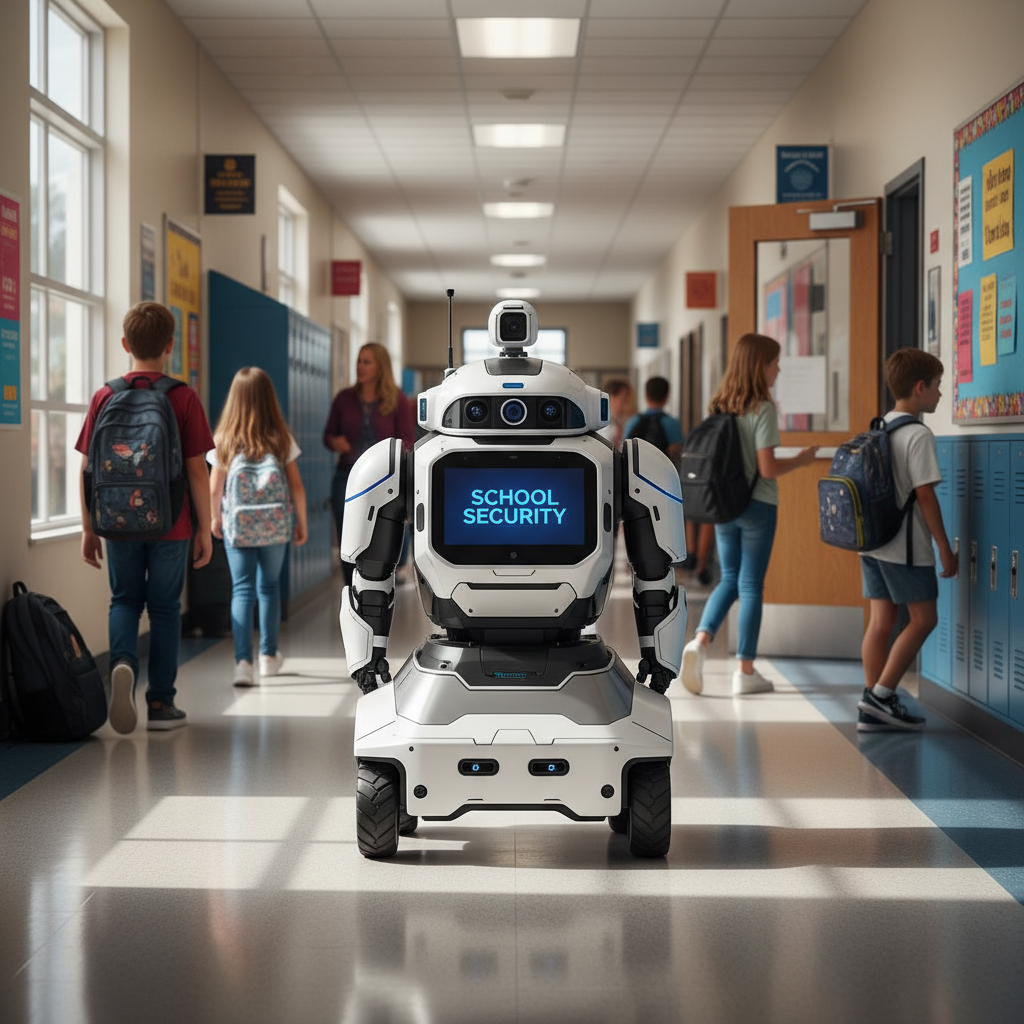
The education sector faces a distinct set of challenges as the Australia AI safety regulator robotics healthcare education standards come into effect. In schools, robots are no longer just tools for STEM education; they are active participants in campus life through security patrolling and telepresence for remote students. The regulator now classifies these as high risk deployments due to the constant interaction with minors. Schools must establish a robust safety and security framework that prioritizes student data sovereignty. For telepresence units, this means ensuring that video and audio streams are encrypted end to end and that no identifiable student data is processed by unverified third party cloud servers.
Physical safety during school hours is equally scrutinized. Security robots patrolling playgrounds or corridors must possess navigation stacks that have undergone independent evaluation to ensure safe interaction with unpredictable student movement. Exaptec robotics expertise helps schools audit their current deployments by conducting a thorough gap analysis against the 2026 transparency requirements. This process involves verifying that every autonomous system has a documented risk management plan. Through custom software integration, schools can implement local guardrails that restrict robot movement during peak transition times, providing the robotic regulatory compliance support necessary to satisfy federal auditors while protecting the school community.
The Role of Integration in Maintaining Regulatory Compliance
Achieving compliance under the new federal framework requires more than just procurement; it necessitates a specialized bridge between raw hardware and operational safety. A specialist integrator serves as the architect for this bridge. By utilizing Exaptec robotics expertise, facilities can move beyond generic manufacturer settings that often fail to account for the specific risk profiles mandated by the Australian government.
Custom software integration acts as the primary technical control for regulatory adherence. Instead of relying on opaque, overseas AI stacks, localized integration allows for the hard coding of safety guardrails specific to a facility's floor plan and patient demographic. This ensures that the robot’s decision making logic remains transparent and auditable, a core requirement for the new AI Safety Regulator. This level of customization ensures that data sovereignty is maintained, keeping sensitive information within Australian borders and away from unverified third party cloud environments.
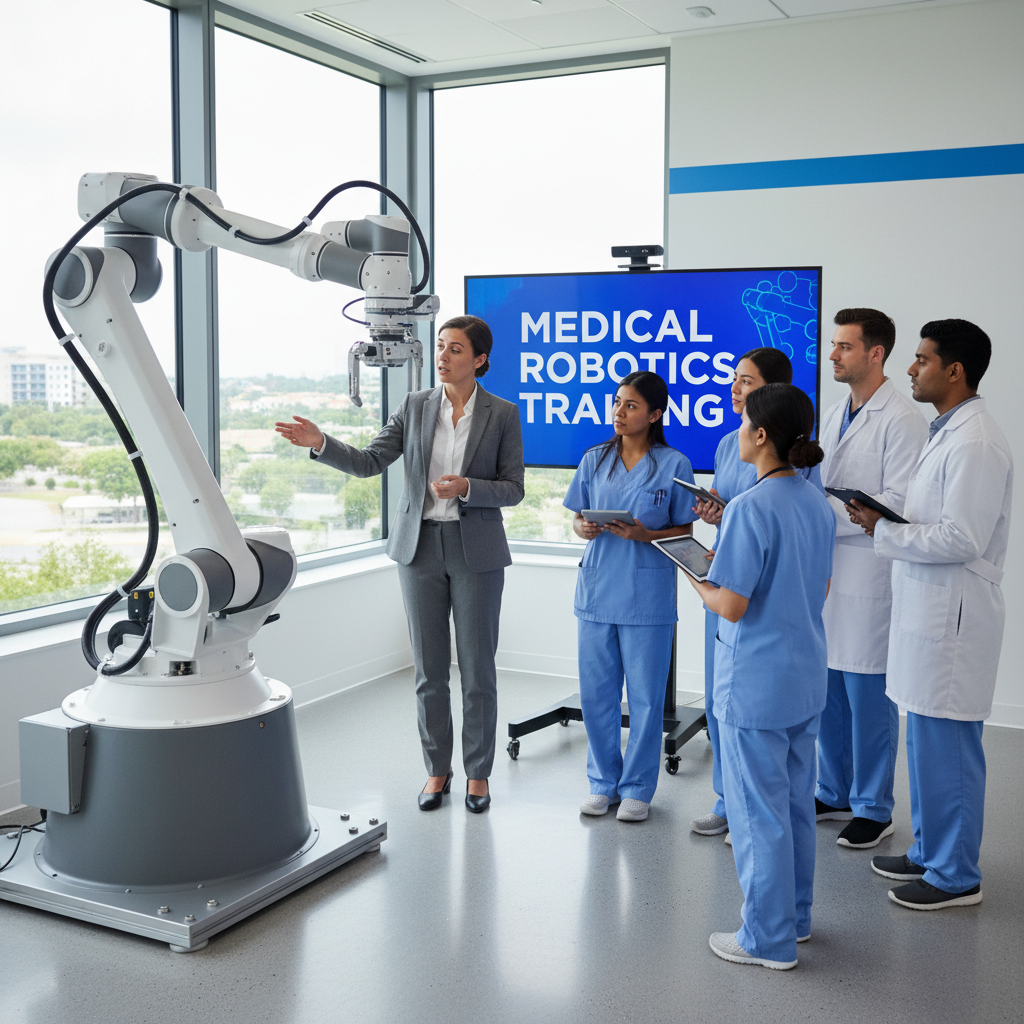
Staff training represents a vital pillar of robotic regulatory compliance support. The 2026 standards highlight human oversight as a key risk mitigation strategy. When staff are trained to interact with and oversee autonomous systems, the likelihood of a reportable incident decreases significantly. Furthermore, partnering with a Melbourne based integrator provides a distinct advantage over international software vendors. Local partners are intimately familiar with the intersection of Victorian health protocols, federal TGA requirements, and the evolving Australia AI safety regulator robotics healthcare education standards. This proximity ensures that compliance documentation is not just a translation of foreign policies, but a precise reflection of Australian legislative reality.
Preparing for Audits: Documentation and Safety Frameworks
Compliance with the November 2026 mandates requires moving from reactive maintenance to proactive governance. To satisfy the new Australia AI safety regulator robotics healthcare education requirements, facilities must maintain a live repository of evidence. This documentation serves as the baseline for independent evaluations and demonstrates that the organisation is actively identifying and managing serious risks.
A robust audit readiness strategy should include the following components:
Requirement | Documentation Needed |
|---|---|
Risk Management Plan | A site specific analysis of potential AI failures, including navigation errors in high traffic areas. |
Security Control Logs | Records of firmware updates and custom software integration patches applied to the robotic fleet. |
Incident Notification Register | A formal log of any "near miss" or "out of bounds" autonomous behavior for mandatory reporting. |
Staff Training Evidence | Certification of personnel who oversee autonomous mobile robots (AMRs) as a risk mitigation strategy. |
Maintaining a publishable safety and security framework involves periodic reviews of how your robotics deployment responds to updated standards. Leveraging Exaptec robotics expertise ensures that your internal audits align with the AI Safety Institute’s technical benchmarks. By securing robotic regulatory compliance support early, Victorian facilities can transform regulatory obligations into a competitive advantage; proving their commitment to patient and student safety through transparent, medical grade automation practices.