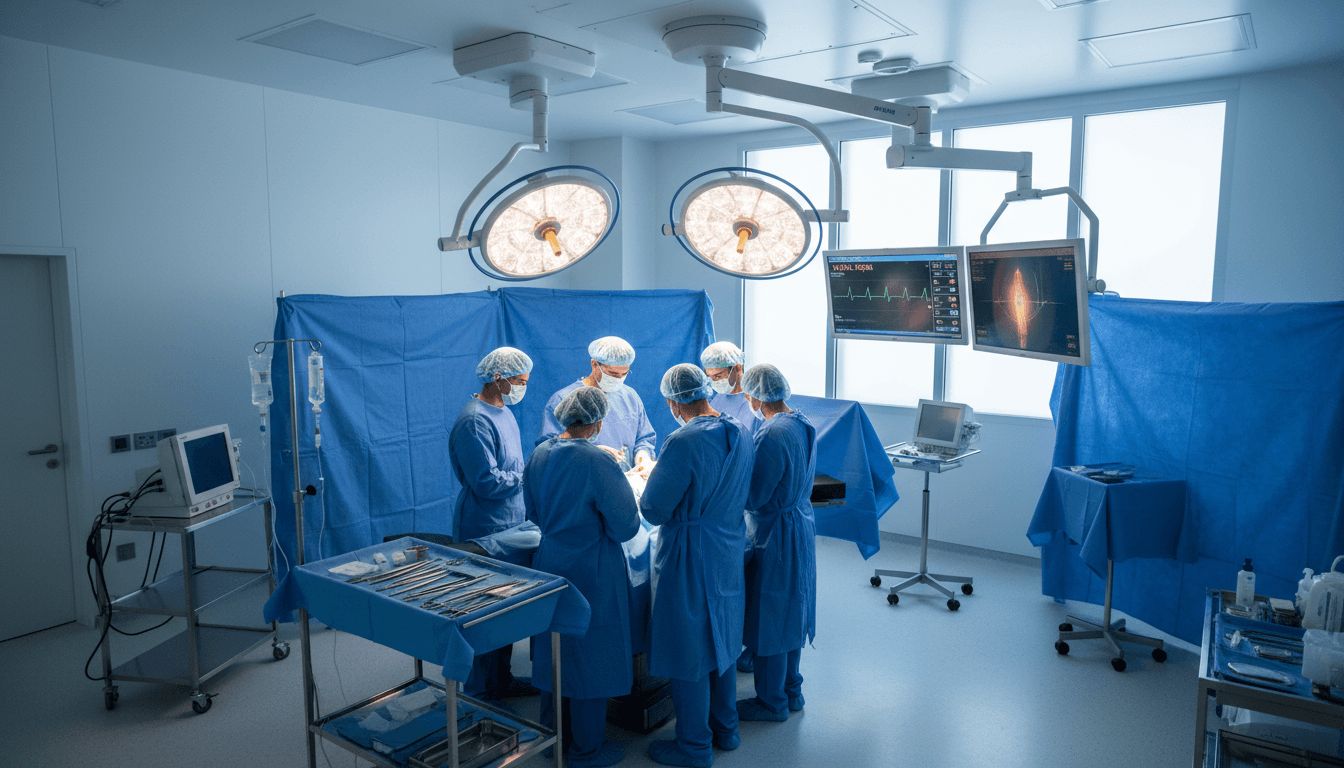
Universities can significantly enhance student safety ahead of the 2026 National Student Safety Survey by implementing campus security automation Australia to integrate Physical AI and proactive threat detection. These automated systems address critical staffing shortages while providing real-time data insights to ensure a safer and more responsive environment for the entire campus community.
Managing a sprawling Australian campus with traditional manual patrols is becoming unsustainable, especially as the 2026 National Student Safety Survey approaches. Universities face a mounting challenge; they must demonstrate rigorous safety standards while navigating a critical national shortage of security personnel. This pressure necessitates a shift from reactive monitoring to a proactive, automated presence. At Exaptec, we recognize that Physical AI serves as the vital link between digital oversight and on ground safety. In this guide, we examine the integration of autonomous mobile robots into your security architecture. You will learn how converged security models address the labour gap, the practicalities of enhancing student safety during after hours periods, and the specific ROI of robotic patrols. We also provide a framework for maintaining privacy compliance while deploying sophisticated automation to meet the upcoming national safety benchmarks.
The 2026 National Student Safety Survey: A Catalyst for Campus Security Transformation
The 2026 National Student Safety Survey (NSSS) represents a critical milestone for Australian higher education providers. It is no longer enough to rely on static policy documents or reactive measures. As Universities Australia and auditors like Roy Morgan prepare to evaluate the efficacy of campus safety initiatives, the focus has shifted toward verifiable visibility and reduced response times. Previous survey cycles exposed a clear gap between institutional intent and the lived experience of students, particularly after hours or in peripheral campus zones.
To address these findings, institutions are moving toward an ecosystem-first approach to safety. In this environment, campus security automation Australia is evolving from a pilot project into a core operational requirement. Auditors now expect universities to demonstrate how they are closing the loop between incident detection and human intervention. This requires more than just adding cameras; it necessitates a hybrid architecture where physical assets and digital intelligence work in tandem.
Exaptec facilitates this transition through custom software integration that connects autonomous mobile units with existing security operations centres. By providing comprehensive staff training and support, we ensure that internal teams can manage these sophisticated tools effectively. The goal is to move beyond siloed solutions toward a unified operating view. For Victorian universities looking at the Exaptec robotics portfolio, the value lies in creating a persistent, documented security presence that meets the rigorous transparency standards demanded by the upcoming NSSS. This technological shift is a practical response to the converging physical and digital threats facing modern Australian campuses.
Addressing the Australian Security Guard Shortage with Physical AI
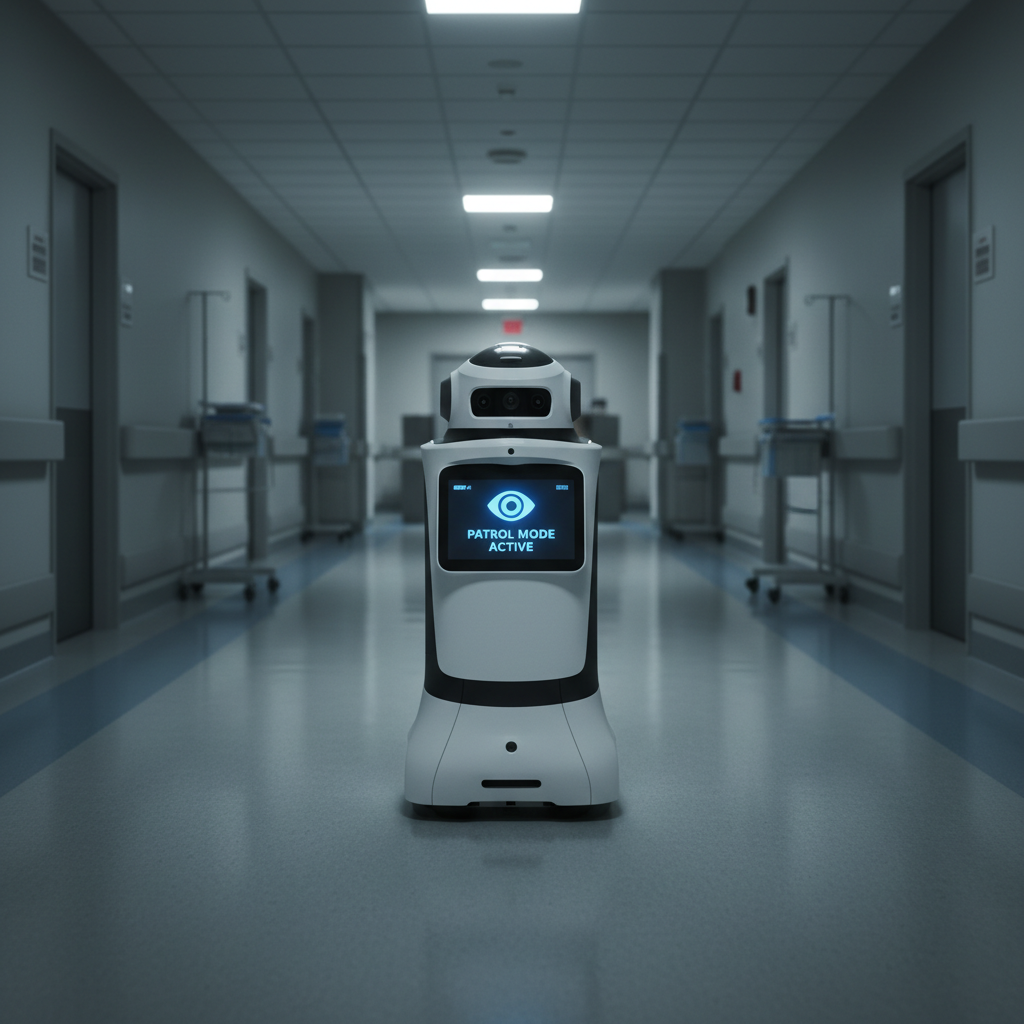
The labor market for security personnel in Australia is reaching a critical inflection point. Recent industry data, including reports from ISACA, indicates that over 50 percent of Australian security teams are currently understaffed. For universities managing sprawling campuses, this shortage often leads to gaps in patrol frequency and slower response times. Autonomous mobile robots (AMRs) provide a practical solution to this deficit, serving as a force multiplier that extends the reach of a lean security team without compromising on coverage.
The deployment of physical AI is not a strategy of replacement, but one of optimization. Automation is most effective when applied to the 'triple D' tasks: those that are dull, dirty, or dangerous. In the height of a Melbourne winter, a 2:00 AM perimeter patrol in sub-zero temperatures or driving rain is a low-engagement, high-fatigue task for a human guard. By assigning these routine, repetitive circuits to an AMR, institutions ensure consistent visibility in parking lots and campus boundaries while allowing human personnel to remain in climate-controlled environments, focused on high-stakes monitoring and direct student interaction.
Exaptec facilitates this transition by providing the necessary staff training and support to integrate robotics into existing workflows. We help security directors move their personnel into roles that require human empathy, complex problem-solving, and de-escalation skills, where they provide the most value. When campus security automation Australia is used to handle the foundational surveillance, human guards are no longer spread thin across empty fields; they are positioned where they can be most responsive to student needs.
To ensure these units function as a seamless extension of the team, we provide custom software integration that links the robot's sensors to the central security operations center. This technical bridge ensures that when an AMR identifies an anomaly during its routine patrol, it immediately alerts the human team with live data. This targeted approach to security ensures that human intervention is always informed, timely, and focused on the safety of the campus community.
Converged Security: Blending Digital Monitoring with Autonomous Patrols
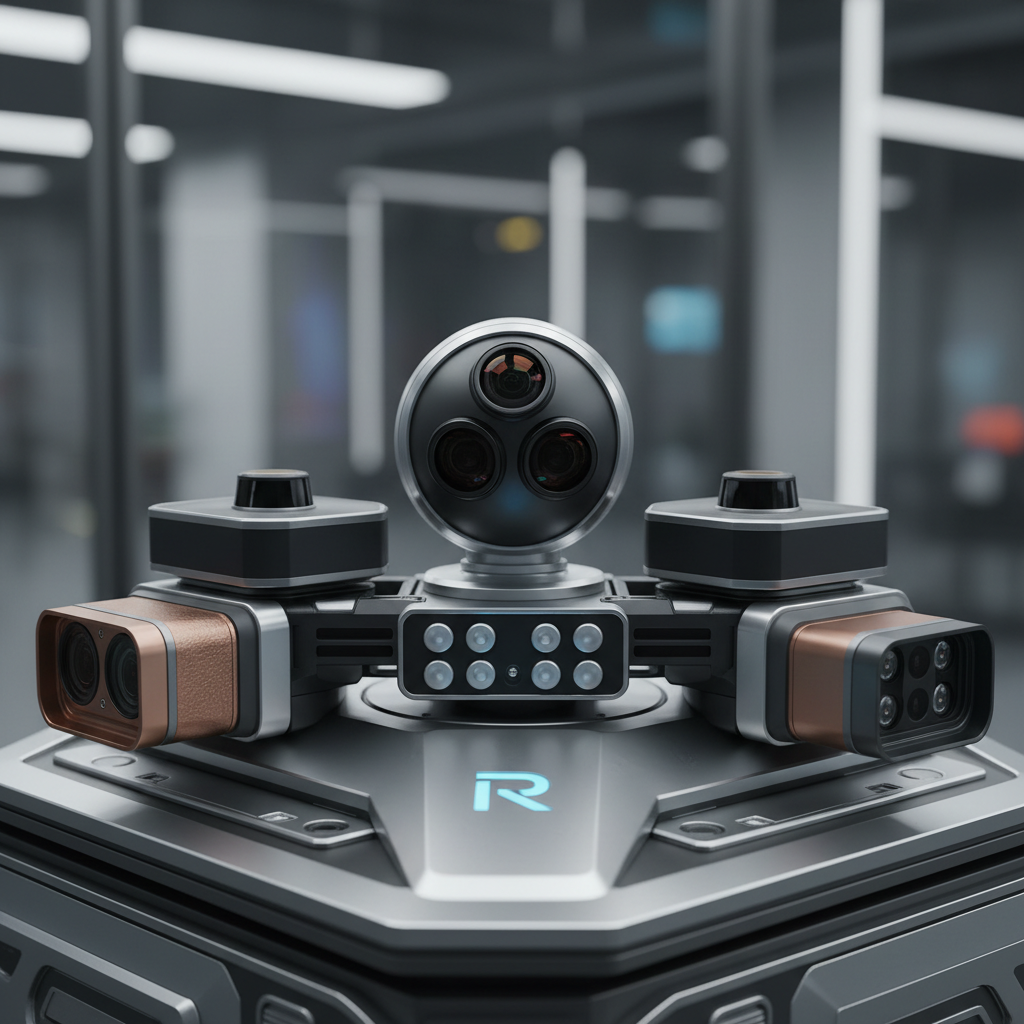
Converged security represents a strategic shift for Victorian universities, moving from disparate hardware toward a unified, intelligent architecture. In this framework, physical assets like autonomous mobile units are not standalone tools but integral components of a hybrid security ecosystem. This approach adopts ecosystem-first decision making, where the priority is interoperability between mobile robotic units, legacy CCTV networks, and advanced AI driven analytics such as weapon detection systems. By selecting vendor neutral platforms, institutions ensure that data flows seamlessly across the entire campus infrastructure rather than being trapped in siloed applications.
Exaptec facilitates this through custom software integration that bridges the gap between robotic sensors and existing Security Operations Centers (SOC). When a unit from the Exaptec robotics portfolio identifies a potential threat or an unauthorized presence, the system does not simply log the event. Instead, the integration triggers a cascaded response. The robot's onboard AI alerts the human response team in real time while simultaneously instructing nearby static cameras to swivel toward the incident and begin high definition recording. This creates a multi-perspective audit trail that is invaluable for post-incident analysis and NSSS reporting.
This convergence addresses the technical complexity of modern campuses where digital and physical threats often overlap. For security directors, the value lies in a data driven operation that provides 360 degree situational awareness. Through staff training and support, we ensure that campus teams can interpret these integrated data streams, allowing them to verify incidents remotely before dispatching personnel. This layered defense strategy ensures that campus security automation Australia is as much about intelligent communication as it is about physical presence, providing a robust response capability that traditional, disconnected systems cannot match.
How Autonomous Mobile Robots Enhance Student Safety After Hours
After-hours security in university residences and school hallways requires a delicate balance between student privacy and persistent observation. Autonomous mobile robots serve as a constant, visible security presence that actively deters anti-social behavior without the prohibitive hourly expense of hiring additional static guards for every floor or corridor. These units, selected from the Exaptec robotics portfolio, are equipped with 360 degree 4K cameras that provide total situational awareness, eliminating the blind spots frequently found in legacy CCTV installations.
In the quiet hours between midnight and dawn, these units provide utility beyond simple surveillance. Onboard thermal imaging sensors allow for the early detection of localized heat signatures, identifying potential fire hazards in student kitchenettes or laundry rooms before traditional smoke alarms are even triggered. If a student requires assistance or feels unsafe while moving through a residence, integrated two way audio allows for immediate, clear communication with the central security operations center.
Through custom software integration, this communication is seamless and provides the control room with a live feed of the student's location. This application of campus security automation Australia ensures that a point of contact is always accessible. Exaptec provides the essential staff training and support to ensure that residential advisors and security teams can manage these units as a helpful, reassuring addition to the campus community.
Navigating Privacy and Compliance in Australian Education Facilities

The deployment of mobile surveillance technology on campus must be grounded in a robust understanding of the Privacy Act 1988 and state specific legislation such as the Surveillance Devices Act 1999 in Victoria. For many institutions, the primary concern is the balance between public safety and the privacy rights of students and staff. Exaptec addresses these concerns through privacy by design configurations. This includes the ability to implement digital masking in sensitive areas or the use of edge processing, where data is analyzed locally on the robot and immediately discarded unless a specific security trigger is met.
In the context of campus security automation Australia, compliance also involves strict data retention policies. We work with institutions to ensure that video and sensor data are handled in accordance with university governance and Australian law, preventing unauthorized access or prolonged storage of non essential footage. When selecting units from the Exaptec robotics portfolio, it is critical to consider the specific operational environment. In mixed use spaces where education meets healthcare, such as university clinics or aged care training facilities, we ensure that integrated tech aligns with local regulatory standards and stays cognizant of the requirements for equipment used in patient proximity.
Exaptec provides custom software integration to enforce these boundaries. This might include automated logging of who accessed specific feeds or setting geographical zones where recording is strictly prohibited. Through our staff training and support, we guide facility managers on the legal requirements for signage and notification, ensuring that the introduction of autonomous units is transparent and compliant. By addressing these regulatory hurdles during the implementation phase, Victorian universities can focus on the safety benefits of automation without the risk of legal or ethical overreach.
Calculating the ROI: Security Robot Patrol Price vs Traditional Staffing
Determining the financial viability of campus security automation Australia requires a move away from simple unit price comparisons toward a Total Cost of Ownership (TCO) model. Traditional security staffing for a 24/7 patrol requires approximately 4.2 full time equivalents to account for leave and rotation. With current Australian award rates, superannuation, and night shift penalties, a single localized patrol post can exceed $350,000 annually. Conversely, an autonomous unit from the Exaptec robotics portfolio typically operates at an all in monthly cost of approximately $4,500 to $6,000 AUD, representing a significant reduction in recurring operational expenditure.
The TCO breakdown provided by Exaptec covers the essential layers of integration: - Implementation: This includes custom software integration to ensure the unit communicates with existing campus alarm and video management systems. - Operational Continuity: Regular maintenance and remote performance monitoring to minimize downtime. - Human Factor: Comprehensive staff training and support to transition existing guards from manual patrollers to fleet supervisors.
By addressing the high costs associated with recruitment, onboarding, and the current 54 percent vacancy rate in Australian security teams, robotics provides a predictable budget line. This allows universities to reallocate their physical security spend, investing in higher tier human personnel for complex de-escalation and student welfare while the robots handle the high volume, low engagement patrol hours.
Preparing for the 2026 National Student Safety Survey requires a proactive approach to campus security through physical AI and automation. These technologies offer a reliable way to monitor vast areas and ensure student well-being is prioritized. If you want expert help implementing these solutions, you can learn more about Exaptec and how we support Australian institutions. We focus on making advanced robotics accessible, ensuring your campus is ready for future safety standards and audits.