Facility inspection robots Australia education programs address massive school maintenance backlogs by providing rapid, high-resolution imaging and thermography to identify structural issues faster than manual methods. These autonomous systems reduce labor costs and safety risks while accessing hard-to-reach areas to ensure crumbling classrooms are accurately documented for prioritized repairs. By streamlining data collection, robotics allow educational departments to manage multi-million dollar repair lists with greater efficiency and accuracy.
Managing sprawling school campuses and university infrastructure across Australia has become a logistical nightmare for facility managers. Maintenance backlogs continue to grow while manual inspection processes remain dangerously slow, expensive, and prone to human error. This infrastructure gap matters because deferred maintenance leads to catastrophic failures and ballooning insurance premiums. By integrating advanced facility inspection robots, institutions can move from reactive repairs to predictive maintenance models. In this guide, we examine why ground-based robotics are outperforming drones for indoor campus needs. We will also navigate the specific Australian safety standards you must meet and demonstrate how autonomous systems significantly reduce operational costs. From software integration to training your existing staff, we provide the practical roadmap for modernising your educational facility management.
The Growing Infrastructure Challenge in Australian Schools and Universities
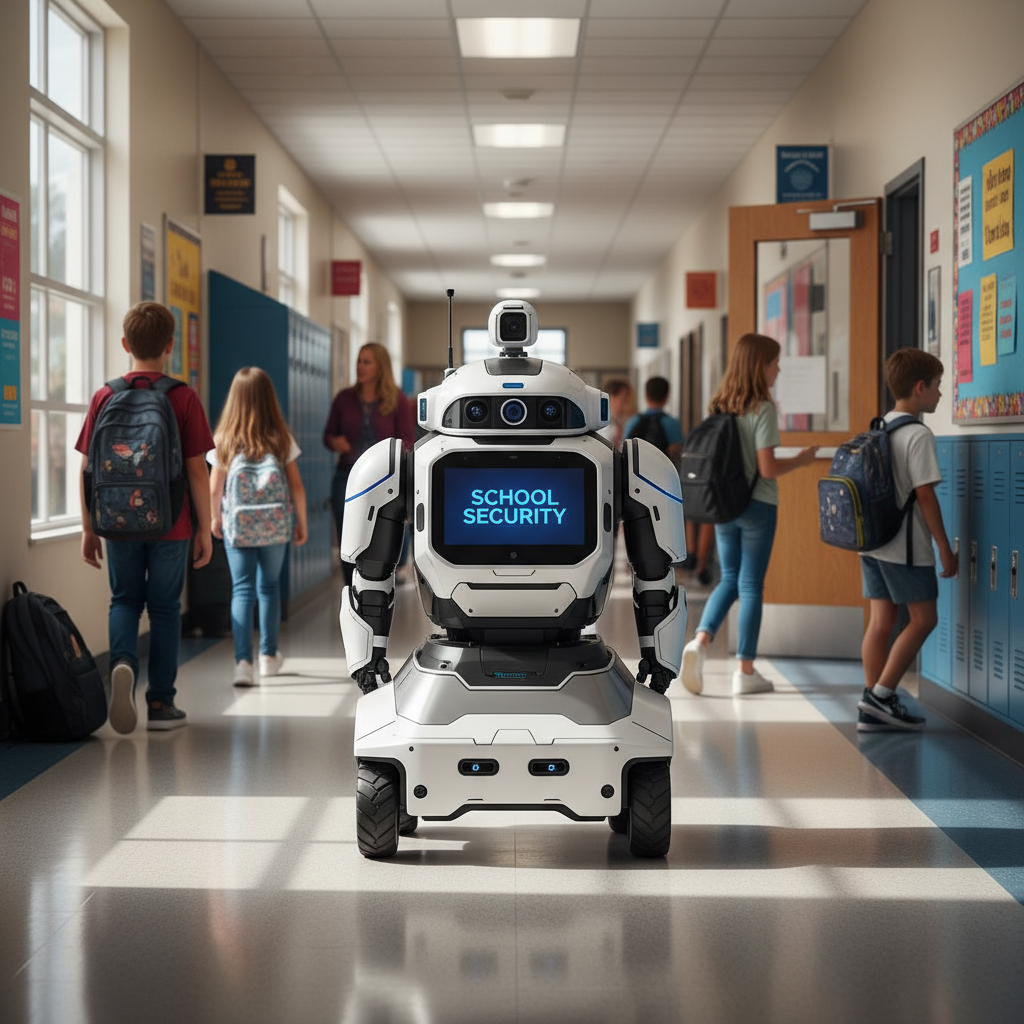
The Australian education sector is navigating a critical period where aging infrastructure intersects with increasingly tight fiscal constraints. In Queensland, the state government reported a maintenance backlog exceeding $441 million for public schools, a figure that highlights the sheer scale of the challenge facing facility managers nationwide. As campuses expand and older buildings reach the end of their design life, the demand for rigorous oversight has never been higher.
Traditional manual inspections are no longer sufficient to manage this volume. Relying on staff to manually document every crack, leak, or electrical fault is slow, inconsistent, and often leaves high-risk areas overlooked. Human inspectors face significant safety hazards when accessing confined subfloors or high-reach ceilings, leading to gaps in reporting. Furthermore, paper-based or manual data entry often results in subjective assessments that make long-term asset planning difficult for university boards and school departments.
The emergence of facility inspection robots Australia education facilities can now deploy offers a sophisticated solution to this maintenance deficit. These autonomous mobile robots (AMRs) bridge the gap between shrinking budgets and deteriorating assets by providing high-frequency, objective data. By automating the "eyes and ears" of the maintenance department, institutions can identify structural or systemic issues long before they require emergency funding. Implementing these systems effectively involves more than just unboxing hardware; it requires custom software integration and specialized staff training to ensure the technology aligns with institutional goals. For schools looking to modernize their asset management, you can contact Exaptec to discuss tailored integration strategies.
Why Ground-Based Robots Are Outperforming Drones for Indoor Campus Inspections
While drones have gained traction for exterior roof and facade assessments, ground-based Autonomous Mobile Robots (AMRs) are significantly more effective for the internal and subterranean environments typical of Australian educational campuses. In settings such as science laboratories, multi-story libraries, and narrow hallways, drones present operational challenges, including prop wash that disturbs sensitive equipment or documents, limited battery life, and the inherent risk of mid-air collisions in confined spaces.
Ground-based facility inspection robots Australia education providers deploy offer superior stability and endurance. Unlike drones that must fight gravity, an AMR can operate for an entire shift on a single charge, carrying heavier, high-resolution sensor payloads. This is particularly vital for subfloor inspections in older Australian school buildings. Many campuses feature raised timber floors or crawl spaces where moisture, termite activity, and structural decay often go unnoticed. Sending a specialised subfloor robot into these areas eliminates the need for staff to enter confined, potentially hazardous spaces, providing a detailed digital twin of the foundations without safety risks.
Furthermore, AMRs provide a consistent vantage point that drones cannot easily replicate indoors. By maintaining a constant height and distance from walls or equipment, these robots generate high-quality, repeatable data sets. This precision is essential for tracking the progression of hairline cracks in masonry or identifying slow leaks in internal plumbing. To move beyond one-off aerial photos and into a continuous, data-driven maintenance model, facilities require custom software integration to link robot telemetry with existing building management systems. Exaptec provides the necessary staff training to ensure internal teams can interpret this data, transforming a mechanical tool into a strategic asset. For institutions seeking to address hidden maintenance liabilities, you can contact Exaptec for a site-specific feasibility assessment.
Key Applications for Facility Inspection Robots in Education
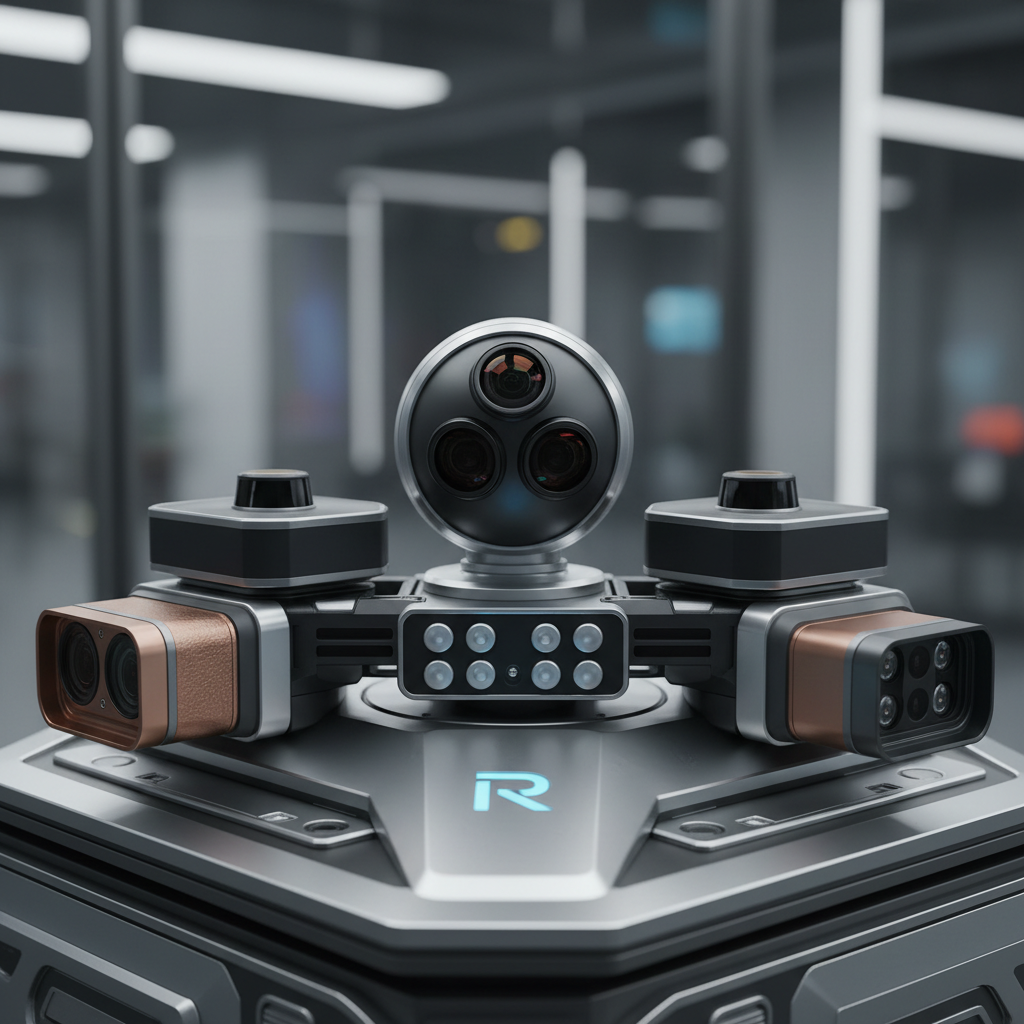
The versatility of ground-based autonomy allows for a multifaceted approach to campus management that extends far beyond simple visual checks. By equipping these units with specialized sensors, schools can address specific operational risks that are often neglected due to staffing shortages or budget constraints.
Application Area | Primary Sensor/Technology | Benefit to Education Facility |
|---|---|---|
Electrical Safety | Thermal and Infrared Imaging | Detection of switchboard hotspots to prevent electrical fires. |
Environmental Health | Air Quality (CO2 and PM2.5) Sensors | Monitoring classroom ventilation for student well-being. |
Asset Management | RFID and High-Res Optical | Real-time tracking of high-value laboratory and IT equipment. |
Security | 360-Degree Video and LIDAR | Automated patrols during school holidays to detect intruders. |
In many Australian schools, electrical switchboards are under increasing load from modern IT infrastructure and high-capacity air conditioning units. Facility inspection robots Australia education providers use can perform regular thermal scans of these cabinets, identifying heat signatures that indicate failing components before they result in a fire or a costly campus-wide power outage. Similarly, indoor air quality monitoring has become a priority for institutional health. Robots can map CO2 and particulate levels across multiple classrooms during peak hours, providing the data needed to optimize HVAC performance and ensure a healthy learning environment.
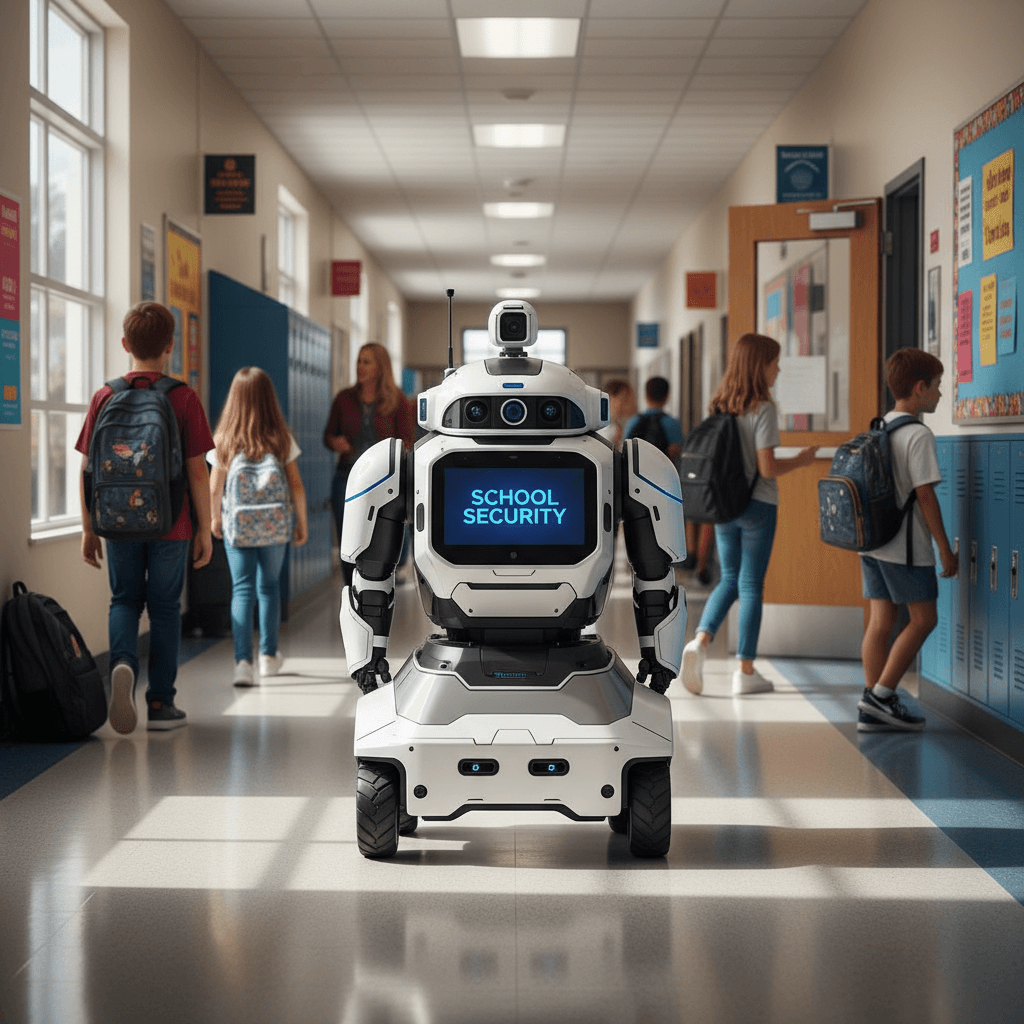
During periods of low occupancy, such as the summer holidays, these robots function as mobile security assets. Unlike fixed cameras that have permanent blind spots, an autonomous robot can patrol hallways, libraries, and perimeters, providing live video feeds and identifying open windows or water leaks that could cause significant damage if left unaddressed for weeks.
The critical advantage of this technology is its ability to interface with existing Computerized Maintenance Management Systems (CMMS). Instead of manual clipboard entries that are prone to human error or subjective interpretation, the robot provides granular, timestamped data. This custom software integration ensures that maintenance tickets are generated automatically when a sensor threshold is met, moving the facility from reactive repairs to a proactive model. To ensure your facility management team can leverage this data effectively, Exaptec provides comprehensive staff training and ongoing technical support. For a detailed breakdown of how these applications fit your specific campus layout, you can contact Exaptec for a consultation.
Navigating Australian Safety and Regulatory Standards for Campus Robotics

Deploying facility inspection robots Australia education facilities require necessitates strict adherence to local safety standards, specifically AS/NZS 4024.1 regarding the safety of machinery and specific guidance for autonomous mobile robots. Importing a device directly from an overseas manufacturer without local verification often leads to non-compliance with Australian electrical and safety protocols. Exaptec bridges this gap by ensuring all hardware is commissioned to meet local operational requirements; providing the necessary custom software integration to manage digital safety barriers and speed limits in high-traffic corridors.
Privacy is a paramount concern in school environments. Under the Australian Privacy Principles (APP), institutions must ensure that data collected by autonomous units, particularly video or thermal imagery, is managed and stored securely. We configure systems to prioritize data privacy by using edge processing to anonymize visual data or by strictly limiting data storage to secure, internal school servers. This ensures compliance with both local laws and broader international standards like GDPR where applicable, without compromising the integrity of the inspection data.
It is important to clarify that these robots are not intended to replace skilled facilities staff. Instead, they function as a sophisticated decision-support tool. By handling the repetitive, high-risk, or data-heavy tasks of patrolling and scanning, they allow human experts to focus on complex repairs and strategic asset planning. To ensure these tools are used effectively within the existing workforce, we provide comprehensive staff training. This collaborative approach ensures the technology enhances, rather than replaces, human oversight. For guidance on establishing a compliant robotics program that respects both safety and privacy, you can contact Exaptec for a detailed regulatory review.
The ROI of Autonomous Inspection: Reducing Costs and Insurance Premiums
Beyond regulatory compliance, the financial justification for robotics centers on shifting from reactive spending to proactive asset management. A common inquiry among facility managers is how much a drone inspection costs, which typically ranges from $1,500 to $5,000 for a professional campus-wide aerial survey. While useful for roofs, these are one-off events that capture a single moment in time. Facility inspection robots Australia education providers deploy offer a more sustainable ROI by providing 24/7 or scheduled daily oversight for a fixed capital cost.
Consistent, timestamped documentation directly influences insurance valuations. Australian educational institutions face increasing premiums, but presenting underwriters with a rigorous, automated data log demonstrates a level of risk mitigation that manual inspections cannot match. By identifying a slow leak or a switchboard hot spot weeks before a failure occurs, schools avoid the catastrophic claims that drive up future costs.
Furthermore, automation addresses the financial burden of worker's compensation. By assigning high-risk tasks, such as crawling through damp subfloors or inspecting hazardous electrical rooms, to a robot, schools significantly reduce the probability of workplace injuries. This transition requires custom software integration to ensure data flows directly into your risk management platform. To prepare your team for this shift in operational workflow, Exaptec offers specialized staff training to maximize the utility of the hardware. For a bespoke cost-benefit analysis of your campus, you can contact Exaptec to review your current maintenance expenditures.
Implementing Robotics at Your Facility: Training and Software Integration
Successful deployment of facility inspection robots Australia education departments invest in requires more than a simple delivery. Without a strategic roadmap for implementation, high-end hardware often becomes an underutilised asset sitting in a storage room. Exaptec addresses this by focusing on the integration phase, the seamless fusion of the machine into your existing facility management workflow.
Our process begins with custom software integration. We ensure the robot’s data output, whether it is thermal imagery of switchboards or air quality metrics from a science block, feeds directly into your campus Computerised Maintenance Management System (CMMS). This allows for the automated generation of work orders, removing the administrative burden from busy school bursars and site managers.
To facilitate long-term success, we provide hands-on staff training for facility teams. This covers mission scheduling, basic maintenance, and data interpretation, ensuring that the technology is an empowering tool rather than a technical hurdle. Based in Melbourne, Exaptec offers localised Victorian support, providing on-site assistance and troubleshooting that international vendors cannot match. This proximity ensures that school managers are never left with an expensive, non-functional unit they cannot operate. To discuss how we can integrate an autonomous solution into your specific campus infrastructure, you can contact Exaptec today.
Implementing facility inspection robots offers a clear path toward clearing the school maintenance backlog in Australia while ensuring safer learning environments. These automated systems provide consistent data, allowing administrators to prioritize repairs before they become costly emergencies. If you want expert help navigating the integration of robotics into your campus management strategy, our team is ready to guide you. You can explore our Services to learn more about how we support schools in adopting these innovative tools; we aim to make your transition to automated maintenance as smooth and effective as possible.