
Achieving robotics cybersecurity compliance Australia requires adhering to rigorous medical device standards and transitioning to updated national cyber baselines that address AI and IoMT threats. Healthcare and education facilities must implement integrated security frameworks to protect connected systems, ensure patient safety, and maintain operational resilience against evolving digital vulnerabilities.
As robotics become integral to Australian healthcare and education, facility managers face a daunting challenge. You are balancing the operational benefits of telepresence and surgical robots against the increasing threat of cyber attacks and shifting regulatory demands. The landscape is complex, particularly with the Therapeutic Goods Administration (TGA) tightening its grip on connected medical devices. Failing to secure these endpoints puts sensitive data and organizational reputation at risk. This guide simplifies the path forward. We explore the critical TGA regulations, the upcoming transition from the Essential Eight to the 2026 New Essentials Series, and common vulnerabilities in telepresence systems. You will also learn how custom software integration and staff training provide a robust defense against evolving threats. This ensures your robotics fleet remains both functional and compliant within the specific Australian regulatory framework.
The Evolving Landscape of Connected Robotics in Australian Facilities
The rapid deployment of Autonomous Mobile Robots (AMRs) and telepresence systems has transformed operational workflows across Australian hospitals, aged care facilities, and schools. These technologies serve as essential tools to mitigate ongoing workforce shortages by automating security patrols, routine inspections, and remote patient observation. However, the benefits of increased connectivity come with a significant expansion of the attack surface, requiring a sophisticated approach to robotics cybersecurity compliance in Australia.
Healthcare currently ranks as the most targeted industry in Australia according to recent cybersecurity reports, making the security of every networked device a priority. Unlike traditional IT assets, robots introduce physical risks that go beyond data theft. A compromised AMR or telepresence unit could lead to unauthorized movement within a secure ward or a classroom, posing direct safety concerns for patients and students. This necessitates a shift in focus from standard data protection to a comprehensive model that accounts for the physical autonomy of these machines.
Bridging this gap requires specialized custom software integration to ensure that every mobile endpoint is hardened against intrusion. For facilities in Victoria and beyond, maintaining operational integrity depends on proactive regulatory compliance support that addresses both the digital and kinetic risks inherent in modern robotics.
TGA Regulations and Medical Device Cybersecurity Requirements

In Australia, the Therapeutic Goods Administration (TGA) serves as the primary regulatory body governing the safety and performance of medical devices. When a robot is utilized for clinical purposes, such as remote patient monitoring, diagnostics, or the delivery of medication, it often falls under the TGA’s classification framework. This classification is not limited to surgical instruments; telepresence robots and specialized AMRs that integrate with electronic health records (EHR) or clinical workflows are increasingly categorized as Software as a Medical Device (SaMD) or as hardware medical devices with embedded software.
To achieve robotics cybersecurity compliance Australia, facilities must ensure their fleet adheres to the TGA’s Essential Principles. Specifically, Essential Principle 12.1 requires that devices be designed to minimize risks associated with unauthorized access and interference. The TGA’s medical device cybersecurity guidance for industry clarifies that these requirements are not static design benchmarks for manufacturers alone. Instead, they represent a lifecycle responsibility that extends to the hospitals, aged care providers, and clinics that deploy them. This means that maintaining cyber-maturity and resilience requires ongoing vigilance from the moment of procurement through to decommissioning.
Facilities often face a gap between manufacturer specifications and local network environments. While a robot may be TGA-cleared, its integration into a specific Melbourne hospital network might introduce new vulnerabilities. Managing this lifecycle involves:
Implementing patch management protocols that do not interfere with medical functionality.
Ensuring data encryption aligns with Australian privacy standards for sensitive health information.
Establishing clear protocols for end-of-life data sanitization.
Expert regulatory compliance support is essential to navigate these mandates, ensuring that every connected unit meets the specific Essential Principles relevant to the Australian healthcare context. By prioritizing custom software integration during the setup phase, providers can ensure their robotic systems remain resilient against evolving threats while fulfilling their legal obligations under the Therapeutic Goods Act.
The Shift from Essential Eight to the New Essentials Series in 2026
While TGA requirements provide a clinical safety baseline, broader operational security in Australian facilities has traditionally been guided by the Australian Signals Directorate (ASD) Essential Eight. The cybersecurity landscape is shifting rapidly; the ASD and Australian Cyber Security Centre (ACSC) have announced that the Essential Eight framework will be retired by 2026. It is being replaced by a new Essentials series designed to align national guidance with modern threats involving cloud computing, Software as a Service (SaaS), and artificial intelligence (AI).
For facility managers and IT departments in Melbourne and across Australia, this shift significantly impacts how robotics are onboarded and maintained. Modern AMRs and telepresence units are not standalone machines; they are sophisticated endpoints that rely on cloud-based fleet management and AI-driven navigation. Under the upcoming Essentials framework, robotics cybersecurity compliance Australia will require more than just basic patching and multi-factor authentication. It will necessitate rigorous controls over cloud interfaces and the data pipelines that feed robotic AI models.
Networked robots must meet these updated baseline mitigations to prevent lateral movement within a facility's network. If a telepresence robot's cloud console is compromised, the risk extends beyond data theft to the physical control of the device itself. Implementing custom software integration allows facilities to harden these cloud connections and ensure that robotic systems do not become a weak point in the new ASD security model. As these standards evolve, seeking regulatory compliance support ensures that robotic deployments remain resilient against the specific AI and SaaS vulnerabilities the new Essentials series aims to address.
Cybersecurity Vulnerabilities in Surgical Robots and Telepresence Systems
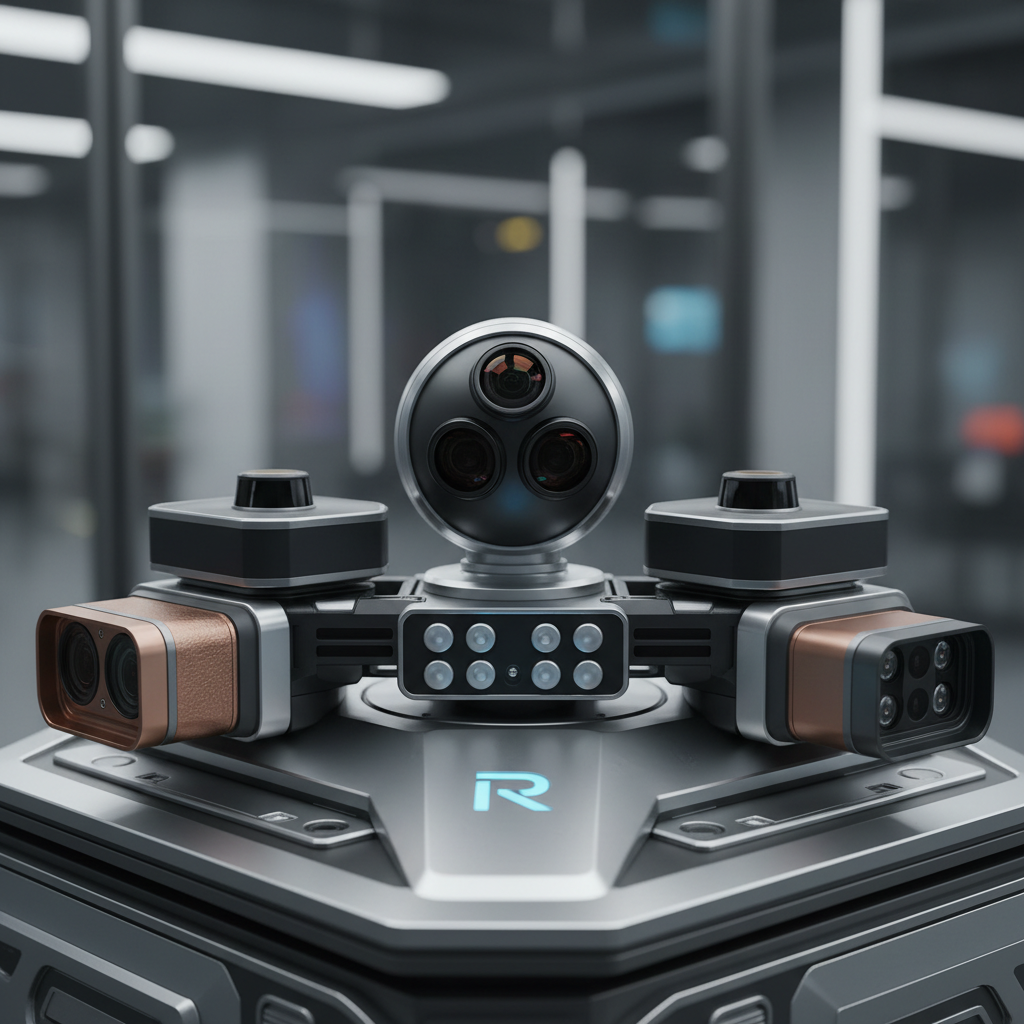
While the shifting ASD frameworks provide a strategic roadmap, the technical vulnerabilities differ significantly between high-precision clinical robots and mobile telepresence units. Research indicates that approximately 23 percent of clinical IoT devices possess at least one identified critical vulnerability, making these machines lucrative targets for exploitation. Understanding the specific threat vectors for each robot type is a prerequisite for achieving robotics cybersecurity compliance Australia.
In robotic-assisted surgery, the most severe risks involve 'man-in-the-middle' (MitM) attacks. An adversary could intercept and modify preoperative planning datasets or disrupt sensitive calibration protocols. Because these systems rely on real-time data to translate surgeon movements into mechanical actions, even a minor unauthorized alteration to a robot's spatial coordinates or haptic feedback could compromise a procedure. Ensuring the integrity of these data packets is vital to prevent system tampering that could lead to physical harm.
Conversely, telepresence and ward monitoring robots used in Melbourne aged care facilities or Victorian schools face threats focused on privacy and social engineering. The primary concern here is unauthorized video and audio access, which constitutes a severe breach of patient or student confidentiality. The staff interfaces and web-based consoles used to manage these fleets are frequently targeted by phishing attacks. If an attacker gains control of a management interface, they can potentially manipulate the movement of multiple units across a facility, turning a communication tool into a mobile surveillance risk.
Addressing these distinct vulnerabilities requires custom software integration to harden communication protocols and secure local data handling. Facilities must also utilize regulatory compliance support to perform comprehensive IoMT assessments, ensuring that every mobile endpoint is shielded from both clinical and privacy-related threats.
Bridging the Compliance Gap through Custom Software Integration

Addressing these specific vulnerabilities requires more than just standard firmware updates. Most robotic systems are developed for a global market, which often results in default configurations that do not align with the specific rigor of robotics cybersecurity compliance Australia. Exaptec acts as a specialized technical bridge, translating a manufacturer's hardware capabilities into the strict security frameworks required by Victorian health and education IT departments.
Through custom software integration, we address critical gaps such as localized server hosting and data residency. Many aged care providers, particularly those operating under broader corporate structures, must now align with CPS 234 requirements for information security. Generic cloud setups often fail these audits because data is frequently routed through international jurisdictions. We reconfigure these pipelines to ensure all sensitive telemetry, patient interaction logs, and video data remain within Australian borders, meeting APRA-regulated standards for data sovereignty.
Furthermore, our integration services focus on hardening API endpoints and implementing granular access controls that standard manufacturer interfaces lack. This bespoke approach ensures that when a facility deploys an AMR or telepresence unit, it arrives pre-configured to pass internal penetration tests and adhere to the TGA's Essential Principles. Organizations looking to secure their fleet against localized threats should contact Exaptec to coordinate with our technical integration team.
Staff Training and Regulatory Compliance Support
Technical hardening through custom software integration is only one half of the equation. To maintain robotics cybersecurity compliance Australia, facilities must adopt a holistic approach that prioritizes the human element. Staff members in Victorian hospitals and schools are the primary operators of robotic interfaces, making them prime targets for social engineering attacks. An adversary may not need to breach a firewall if they can deceive an employee into revealing credentials or granting remote access to a management console.
Exaptec mitigates these risks by providing specialized staff training focused on identifying robotic-specific threats. We educate personnel on secure hand-off protocols and the critical importance of maintaining physical control over mobile tablets used for telepresence. Our regulatory compliance support includes ongoing audits to ensure that as the ASD Essentials series evolves, your facility's operational habits remain compliant. These proactive reviews help identify potential vulnerabilities before they are exploited. To ensure your team is prepared for these emerging standards, you can contact Exaptec for a comprehensive security consultation.
A Checklist for Robotics Cybersecurity Compliance in Australia

Facility managers must transition from theoretical risk to tactical execution to maintain robotics cybersecurity compliance Australia. In the context of Victorian Department of Health and Department of Education frameworks, this checklist provides a baseline for operational safety.
Verify TGA Registration: Confirm if the AMR or telepresence unit is listed on the Australian Register of Therapeutic Goods (ARTG) as a medical device if it performs clinical functions.
Conduct an IoMT Risk Assessment: Map every robotic endpoint, identifying vulnerabilities in local wireless protocols and cloud management consoles to prevent lateral network movement.
Enforce Encryption Standards: Mandate end to end encryption for all data in transit; this is critical for preventing unauthorized video access in aged care and schools.
Define Granular Access Levels: Use Role Based Access Control (RBAC) to limit who can trigger physical movement or access sensitive telemetry, ensuring least privilege access.
Modernise Patch Management: Update protocols to reflect the upcoming ASD Essentials series, focusing specifically on how cloud connected fleet updates are verified and deployed.
Implementing these steps often requires custom software integration to bridge the gap between manufacturer defaults and local security requirements. For detailed auditing and regulatory compliance support, facility leaders should contact Exaptec to ensure their fleet meets Victorian state standards.
Navigating the landscape of robotics cybersecurity compliance in Australia is a critical task for healthcare and education providers. Ensuring your systems remain secure while meeting strict regulatory standards protects both sensitive data and the safety of your community. While these requirements are complex, you do not have to manage them alone. If you would like expert guidance to ensure your facility meets every standard, our team is here to help. You can explore how we support your technology goals by reviewing our Services.