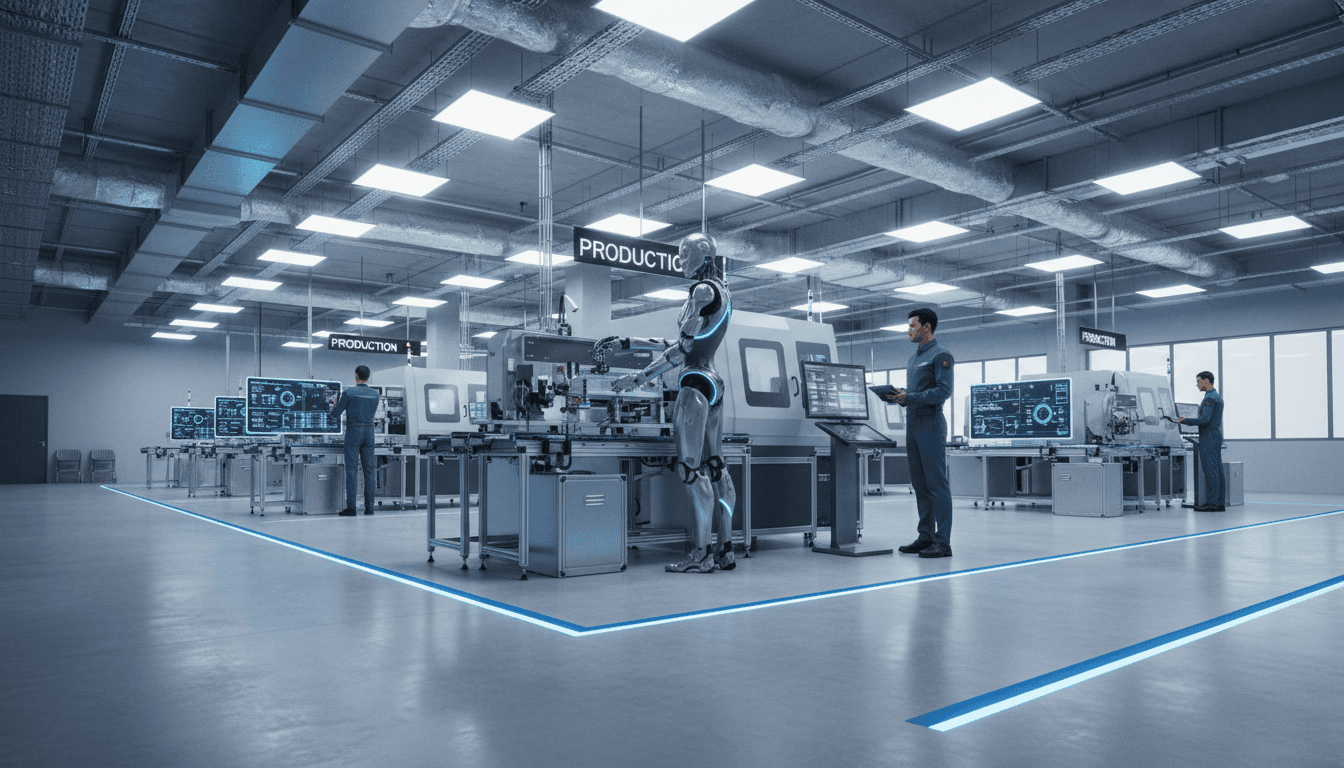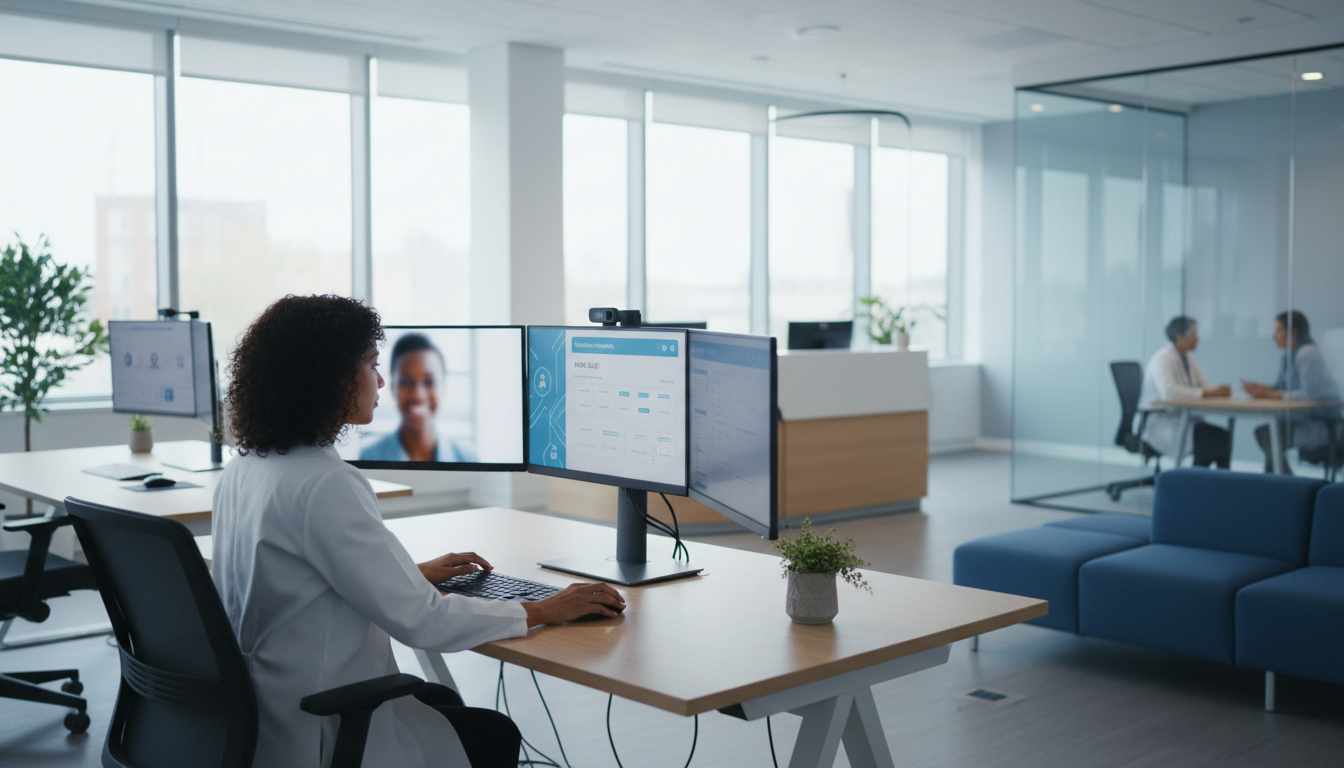
Remote patient monitoring robots Australia improve ward safety and fall prevention by utilizing AI-enabled sensors and autonomous mobility to monitor patients continuously without physical contact. These automated systems alleviate pressure on clinical staff by managing routine observations and identifying risks in real time; ultimately enhancing the quality of care for both hospital and home-based patients.
Managing the complexities of inpatient safety often places an unsustainable burden on frontline clinical teams; particularly when constant observation is required to prevent falls or monitor high-risk patients. In Australian healthcare settings, from major metropolitan hospitals in Melbourne to regional clinics across New South Wales, the reliance on traditional sitting services is both costly and difficult to scale during staff shortages. This post examines the strategic integration of remote patient monitoring robots as a sophisticated solution for modern ward management. You will explore how autonomous telepresence outperforms basic virtual observation, the role of these units in enhancing after hours security, and the critical TGA compliance standards required for local implementation. By understanding the shift toward robotic falls prevention, facility managers can better navigate the transition to a more secure and efficient patient care model.
The Evolution of Remote Patient Monitoring in Australian Healthcare
In the Australian clinical landscape, remote patient monitoring has historically described home based sensors and wearables designed to keep chronic disease patients out of the hospital system. However, a new paradigm is emerging within the wards themselves. The introduction of remote patient monitoring robots Australia wide is redefining how clinicians manage inpatient safety. Unlike traditional, static wearables, these autonomous telepresence units provide active, mobile observation specifically designed for use inside acute hospitals and aged care facilities.
This shift comes at a critical time as the Australian healthcare workforce faces unprecedented demand. Nursing staff are increasingly stretched; mobile robotics serve as a vital force multiplier by automating routine visual checks and providing a persistent presence where human resources are limited. To maintain clinical standards, these deployments must align with the Digital Health Procurement Guidelines, ensuring that robotic systems meet national requirements for data interoperability and security.
As Exaptec robotics integration experts, we view this evolution as a sophisticated blend of hardware and system synergy. Successful adoption requires custom software integration to ensure robots communicate effectively with existing facility infrastructure. Furthermore, targeted healthcare robotics workforce training is essential to ensure staff can leverage these autonomous tools to enhance patient safety without adding to their administrative burden.
Autonomous Telepresence vs Traditional Virtual Observation
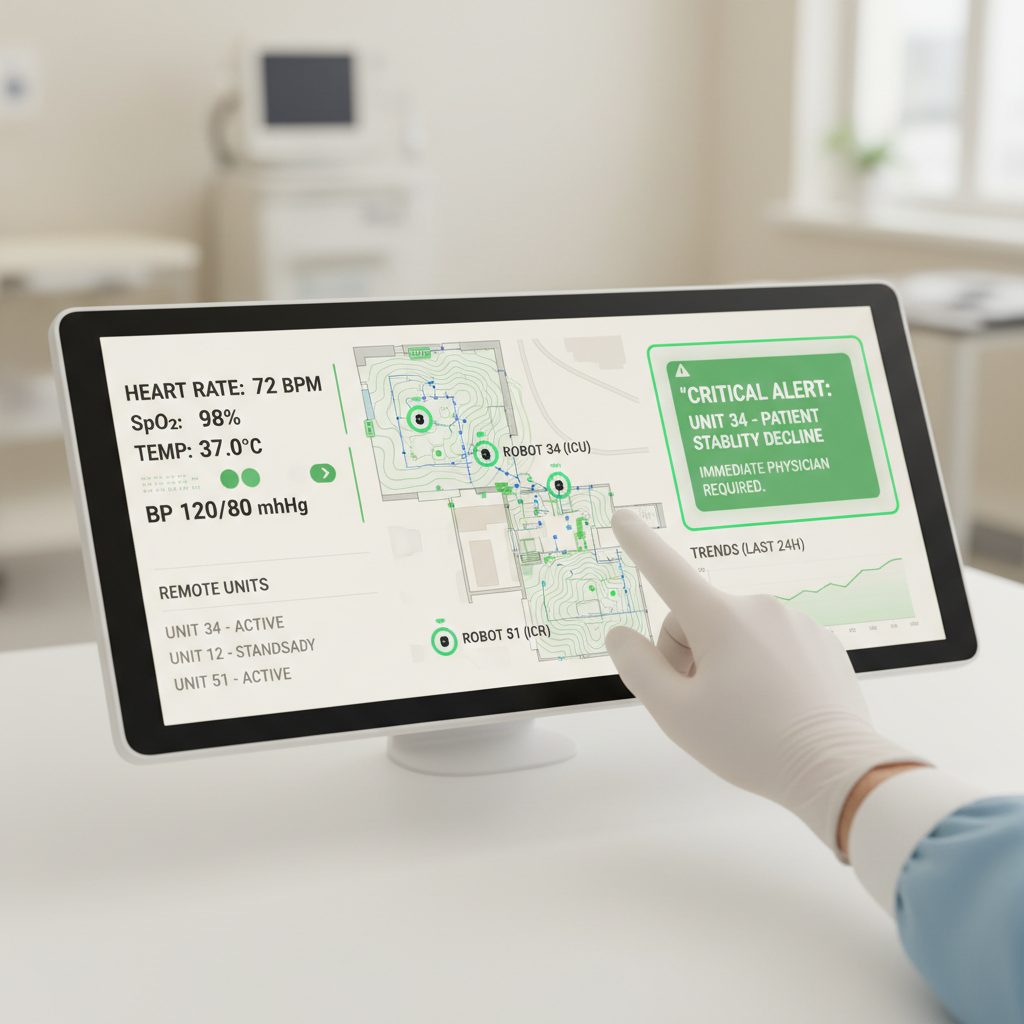
Traditional virtual observation in Australian hospitals often relies on fixed-position cameras or one to one patient sitters. While static cameras provide a basic level of oversight, they are inherently limited by their field of view. Physical obstructions, such as privacy curtains or medical equipment, frequently create blind spots that necessitate a physical check by nursing staff. In contrast, autonomous telepresence robots offer a dynamic vantage point. These units can navigate complex ward environments to reach a specific bedside, providing a clear line of sight that static systems cannot replicate.
The shift from passive monitoring to active mobility is significant for clinical workflows. Instead of waiting for a patient to appear on a fixed screen, a remote clinician can direct a robot to a specific location for an unplanned observation or a scheduled round. This capability allows for a detailed visual assessment of a patient's condition, including their breathing patterns or the status of their IV lines, without requiring a staff member to be physically present in the room.
Implementing these mobile systems requires a deep understanding of facility layouts and clinical priorities. As Exaptec robotics integration experts, we focus on ensuring that these robots operate safely alongside human staff and patients. This involves custom software integration to map wards accurately and define 'no-go' zones, ensuring the robot can move autonomously without intervention. By bridging the gap between AI patient monitoring and physical presence, remote patient monitoring robots Australia wide are enabling a more responsive and less intrusive form of clinical oversight.
Supporting Clinical Observation and Ward Rounding in VIC and NSW Hospitals
In Victoria and New South Wales, the practical application of remote patient monitoring robots Australia wide is moving beyond simple telepresence into structured clinical workflows. For hospitals in Melbourne and Sydney, these units facilitate virtual rounding, where a clinician can perform intermittent visual observations across multiple wards without leaving a central command center. These robots are programmed to follow pre-defined autonomous paths, stopping at specific bedside coordinates to allow for high-definition video assessments of patient appearance, wound status, or medical device readings.
The Queensland Health pilot of non-touch AI monitoring demonstrated the efficacy of using sensors to detect patient deterioration early. However, integrated robotic systems take this a step further. While static non-touch systems are fixed to a single room, an autonomous robot offers site-wide mobility and essential two-way communication. This allows a remote specialist to not only observe vital signs but also engage the patient in conversation, providing the human element of care that static sensors lack. This is particularly valuable in regional NSW or VIC facilities where specialist access may be limited.
Successfully deploying these systems requires adherence to state-specific standards, such as the NSW Health Virtual Care Strategy and Victorian Department of Health guidelines regarding patient data privacy. Exaptec robotics integration experts ensure that these mobile units are not just hardware but integrated clinical tools. Through custom software integration, we map the robots to follow specific clinical protocols, ensuring they interact correctly with hospital Wi-Fi and security systems while maintaining data standards like SNOMED CT for clinical terminology.
To ensure long-term success, healthcare robotics workforce training is provided to clinical teams. This training focuses on the human-in-the-loop model, where the robot handles the transit and positioning, leaving the clinician free to focus on the diagnostic interaction. This structured approach ensures that robots support, rather than disrupt, the highly regulated environments of major Australian metropolitan hospitals.
Reducing Inpatient Incidents through Robotic Falls Prevention
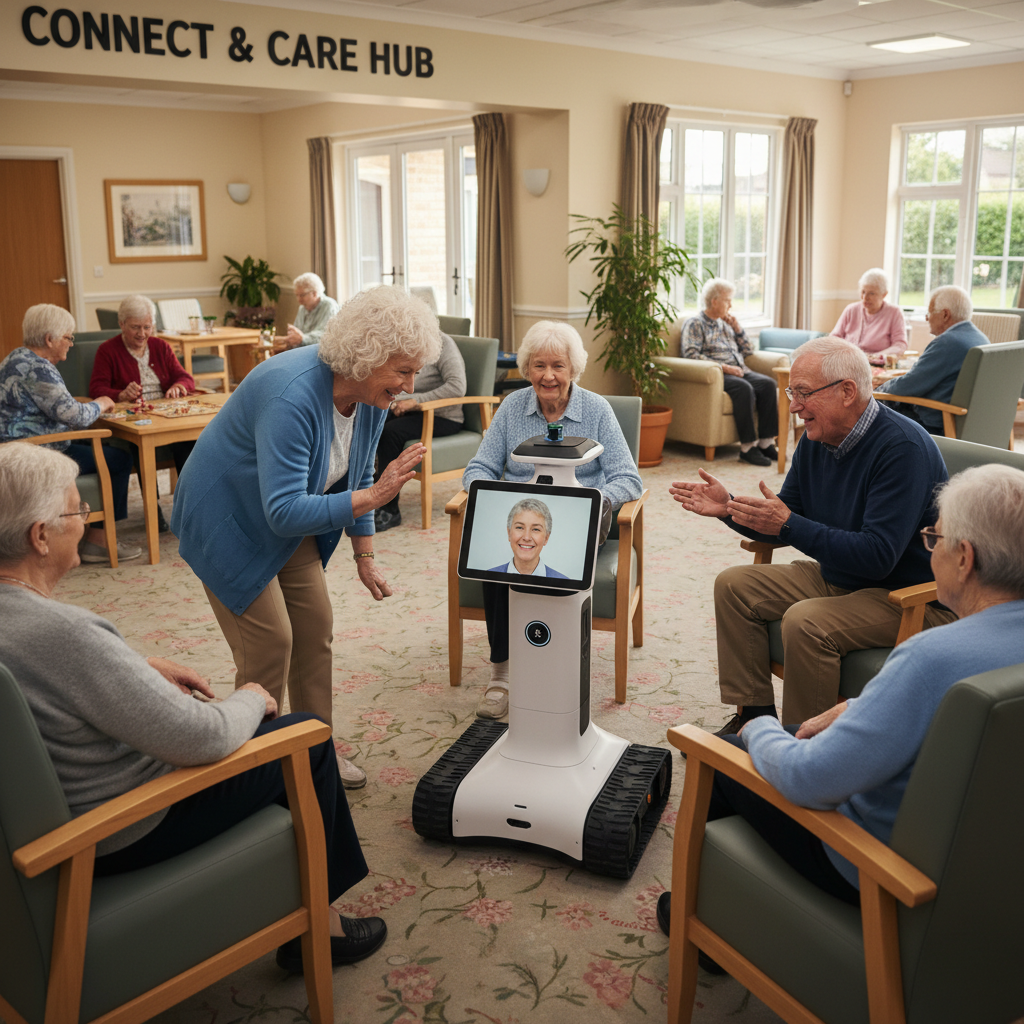
Robotic systems can indeed detect patient falls, but the most effective deployments in Australia focus on identifying high risk movements before a fall occurs. These AI equipped robots utilize advanced computer vision to monitor patient posture and movement patterns in real time. By analyzing skeletal tracking data, the system can distinguish between a patient simply adjusting their position and one attempting to exit the bed unassisted or showing signs of instability. This shift represents a transition toward the prevention over response model, which is gaining traction in Australian clinical research as a way to mitigate the severe physical and financial costs associated with inpatient falls.
When a high risk movement is detected, the robot instantly transmits an alert to a central nursing station or a clinician's mobile device. This reduces intervention time significantly, a factor that is particularly critical in aged care settings where rapid response can prevent long lies and subsequent complications. As Exaptec robotics integration experts, we understand that the efficacy of these alerts depends on custom software integration with the facility's existing nurse call systems. Without this synergy, even the most advanced remote patient monitoring robots Australia has available can contribute to alarm fatigue rather than patient safety.
Effective implementation also requires rigorous healthcare robotics workforce training to help staff interpret robotic alerts and adjust monitoring parameters based on individual patient risk profiles. By integrating these autonomous units into the daily workflow, facilities can create a proactive safety net that identifies hazards, such as bedside clutter or improper patient positioning, well before an incident occurs. This level of automated oversight provides a layer of protection that traditional, reactive methods simply cannot match in high pressure clinical environments.
Enhancing After Hours Patient Safety and Security Patrols
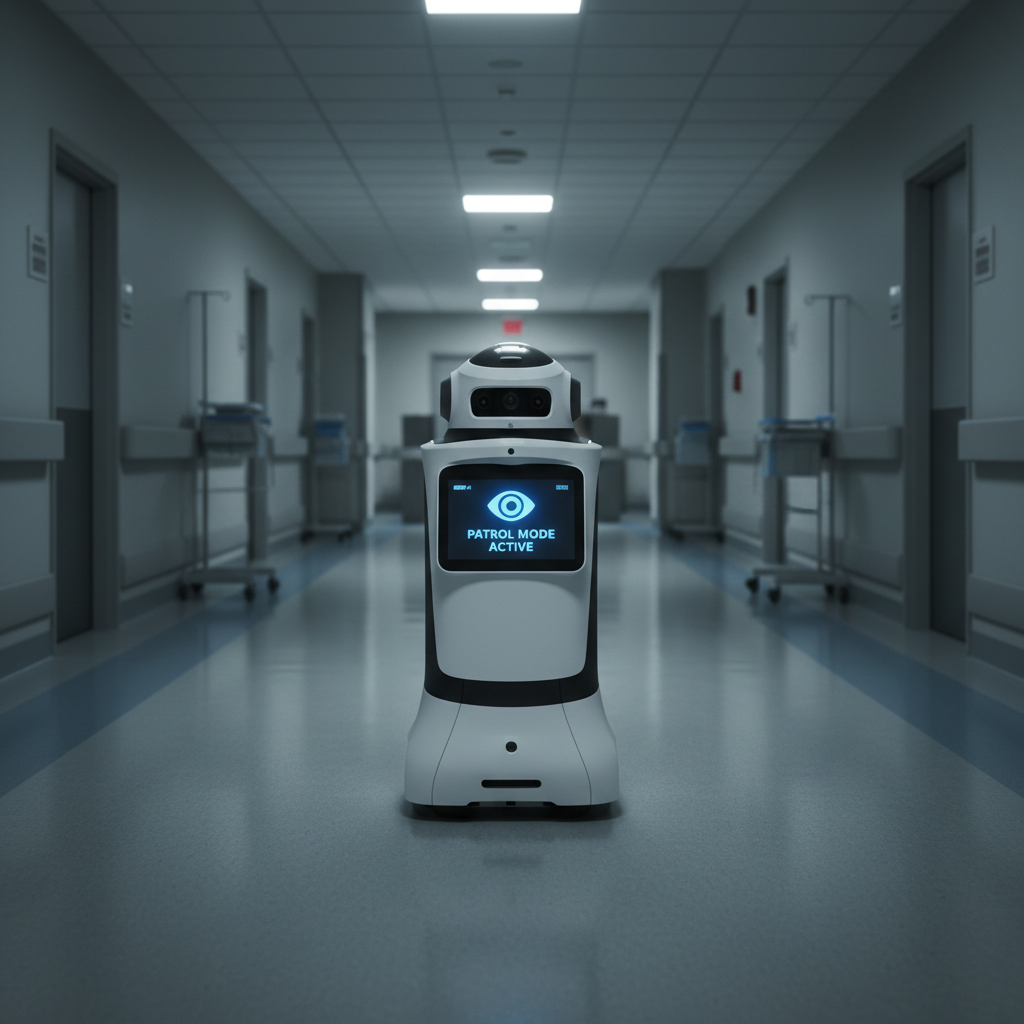
Night shifts in Australian healthcare facilities often necessitate a balance between patient privacy and the need for constant oversight. Autonomous mobile robots (AMRs) bridge this gap by performing routine safety patrols when staffing levels are at their lowest. Unlike static security cameras, these mobile units can navigate corridors to identify environmental hazards such as liquid spills, trip hazards, or medical equipment left in thoroughfares. This environmental monitoring is a critical component of remote patient monitoring robots Australia wide, as it addresses the physical risks that often precede a clinical incident.
In many Melbourne hospitals and aged care wards, these robots also function as mobile assistance points. A patient found wandering or disoriented in a hallway after hours can interact with the robot’s interface, which serves as a roving call button. As Exaptec robotics integration experts, we facilitate custom software integration to ensure these interactions are prioritized based on the facility’s specific after-hours protocols. For example, the system can distinguish between a security breach, like an unlatched external door, and a patient requiring clinical assistance, routing alerts to the correct department instantly. To maximize the utility of these patrols, healthcare robotics workforce training focuses on how night shift teams can manage these autonomous observers to maintain a secure environment without increasing their physical patrol burden, effectively merging facility management with high-level patient safety.
Navigating Australian Regulatory Standards and TGA Compliance

Integrating remote patient monitoring robots Australia wide requires more than mechanical setup; it demands strict adherence to the Therapeutic Goods Administration (TGA) framework. When these robots perform clinical functions, such as monitoring vitals or flagging physiological deterioration, they often fall under specific medical device classifications. AHPRA maintains a clear stance that AI and robotic tools must support clinical decision making without bypassing professional accountability. Navigating these requirements ensures that the technology serves as a reliable extension of the care team rather than a regulatory liability.
Compliance also extends to data sovereignty and record keeping. Any system deployed in Melbourne or regional facilities must align with the Digital Health Procurement Guidelines to ensure interoperability with My Health Record. As Exaptec robotics integration experts, we manage the technical complexity of custom software integration, ensuring that robotic data flows meet SNOMED CT terminology standards and Australian privacy laws. By addressing this regulatory convergence, we ensure that the transition to automated monitoring is legally sound and clinically safe. Our healthcare robotics workforce training further supports this by teaching staff how to document robotic observations within existing governance frameworks, ensuring that every automated patrol or bedside check remains compliant with national health records standards.
Choosing the Right Remote Patient Monitoring Robot for Your Facility
Selecting a unit requires aligning hardware capabilities with specific clinical objectives. Wards prioritizing virtual rounding require telepresence-heavy models with high-definition optical zoom for detailed clinical assessment. Conversely, facilities focusing on safety incidents need sensor-heavy units equipped with LiDAR and 3D depth cameras to facilitate real time skeletal tracking.
Priority | Key Features | Primary Clinical Application |
|---|---|---|
Virtual Rounding | 4K Zoom, Multi-mic Arrays, Large Displays | Remote specialist consults, wound assessment |
Falls Prevention | 3D Depth Sensors, AI Edge Processing, LiDAR | Behavioral monitoring, early movement alerts |
Evidence from ARIIA highlights that successful clinical adoption depends on addressing 'human factors', specifically how the robotic interface complements rather than complicates existing nurse workflows. Technical specifications alone do not guarantee safety. As Exaptec robotics integration experts, we provide the custom software integration necessary to connect hardware with local alert systems and facility Wi-Fi. We also deliver comprehensive healthcare robotics workforce training to ensure clinical teams across Melbourne and Australia can operate these remote patient monitoring robots Australia wide as a reliable, integrated extension of their care model.
Remote patient monitoring robots represent a significant leap forward for Australian healthcare facilities seeking to minimize falls and improve ward safety. By integrating these advanced systems, hospitals can provide continuous oversight without straining limited staff resources. If you want expert help navigating the complexities of healthcare robotics, Exaptec is here to guide your journey. You can learn more about our mission and how we support medical teams through innovative technology. Together, we can create safer environments for patients and providers alike.