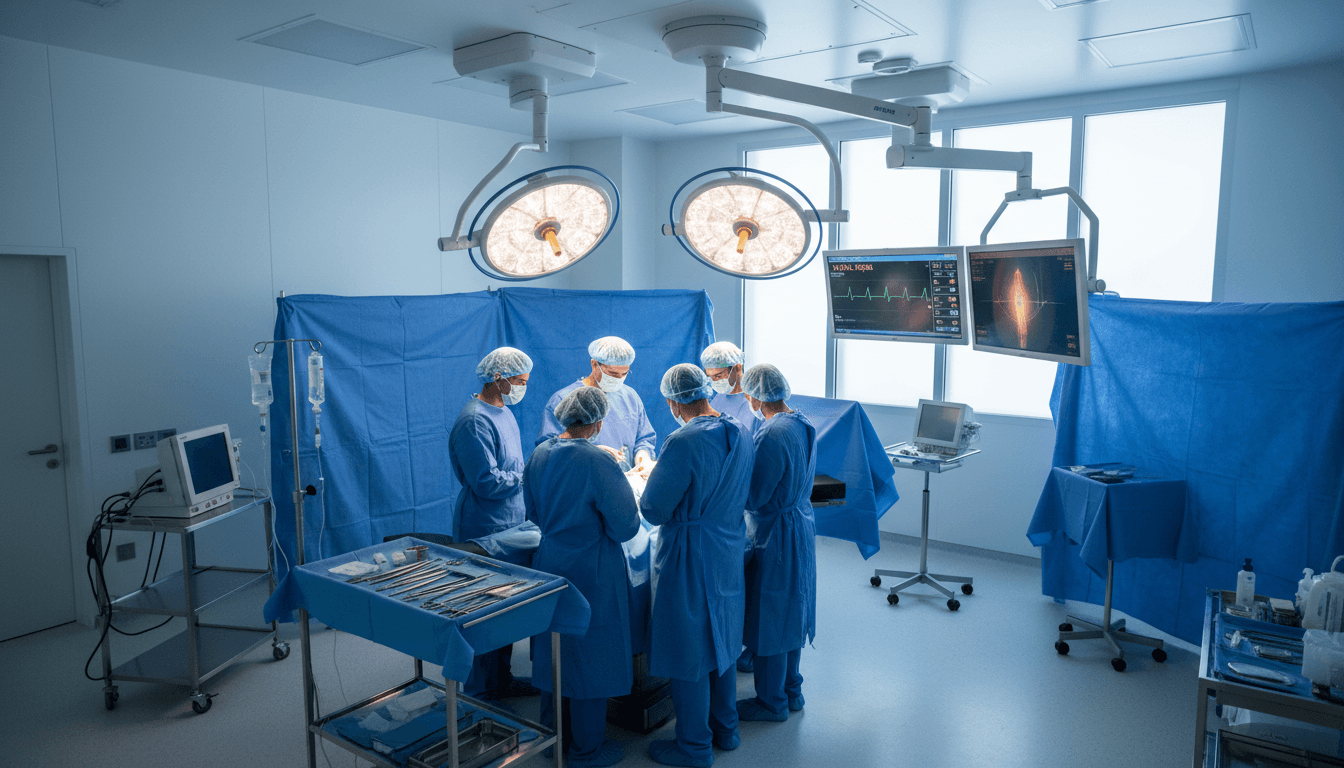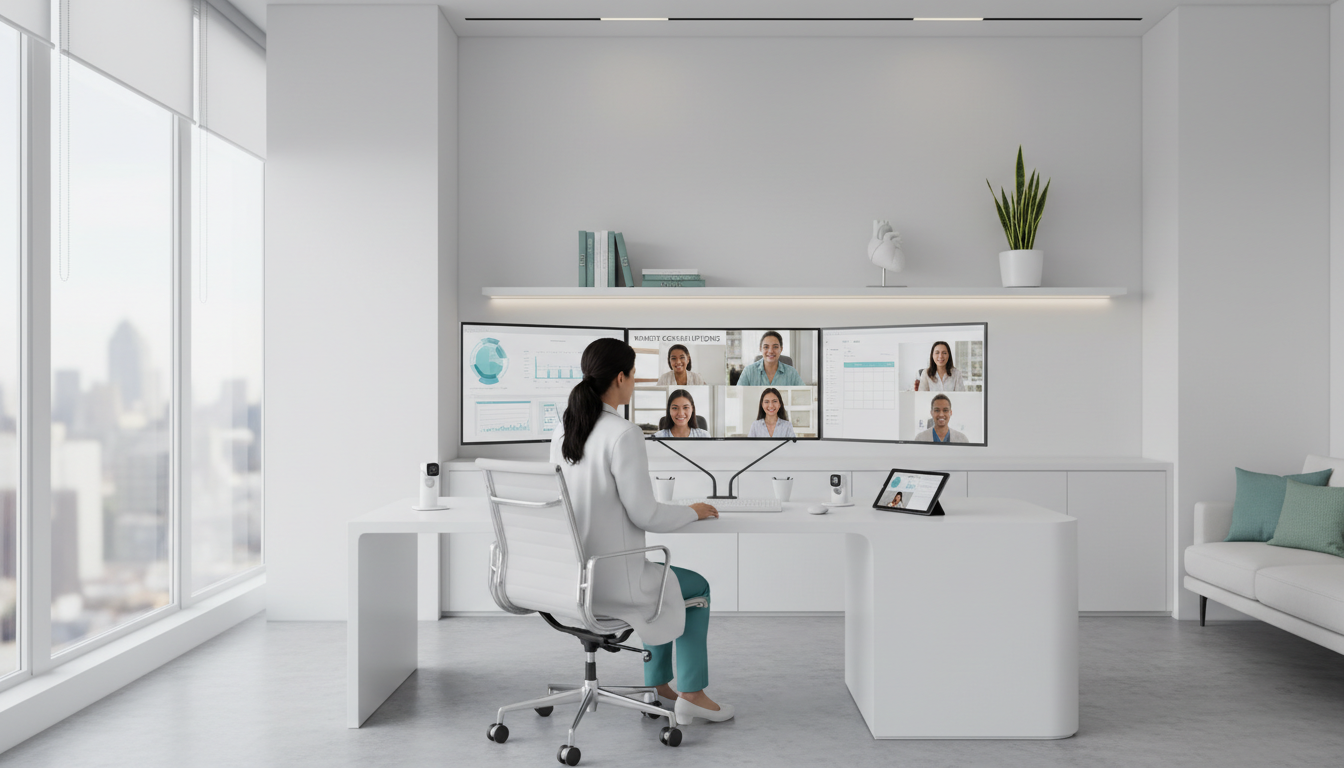
Telepresence robots hospital Australia enhance patient care by enabling remote specialist consultations and ward rounds through high-definition video and integrated medical sensors. These autonomous mobile units allow clinicians to monitor patients and provide immediate medical expertise from any location; this significantly reduces staff travel requirements while ensuring timely care across regional and urban healthcare settings.
Managing specialized clinical resources across vast Australian health districts often feels like a constant battle against geography and time. When a stroke specialist is hours away from a regional emergency department, or a consultant needs to perform ward rounds across multiple facilities, the limitations of traditional video conferencing become painfully clear. Stationary screens lack the mobility and presence required for nuanced patient observation. Telepresence robots address these critical gaps by providing a physical, mobile interface that allows experts to move independently through clinical spaces. This guide examines how Australian hospitals are deploying these systems to facilitate tele-stroke programs and remote consults. We will detail everything from navigating TGA compliance and security standards to the practicalities of robot hire and EMR integration, ensuring your facility selects a solution that enhances rather than complicates existing workflows.
The Rise of Clinical Telepresence in Australian Healthcare
Australia's vast geography creates inherent challenges for equitable healthcare delivery. Regional health services across Victoria, New South Wales, and Queensland often face significant delays when accessing metropolitan based specialists. While traditional telehealth has addressed some of these gaps, the adoption of telepresence robots hospital Australia represents a shift from static video calls to active clinical presence.
Unlike standard video conferencing tools like Zoom or Teams, which are tethered to a fixed screen or require a staff member to hold a device, these units are sophisticated Autonomous Mobile Robots (AMRs). These robots provide clinicians with independent mobility, allowing them to remotely walk the wards, navigate between patient beds, and conduct visual inspections without local assistance. This agency is critical for specialists who need to observe a patient’s gait, posture, or physical environment in real time.
The value lies in the physical footprint the robot establishes within the clinical space. A specialist based in Melbourne can autonomously enter a patient room in a regional facility, fostering a sense of actual presence that static screens cannot replicate. This mobility facilitates spontaneous interactions with nursing staff and more natural patient rapport. To ensure these systems function reliably, Exaptec provides tailored robotics integration solutions designed to navigate the unique architectural and operational requirements of modern Australian healthcare facilities.
Facilitating Remote Specialist Consultations and Tele-Stroke Programs

Remote Specialist Consultation services are most impactful when time-critical interventions are required, such as in Tele-Stroke or Tele-Oncology programs. In a stroke scenario, every minute without treatment results in the loss of millions of neurons. By deploying telepresence robots, a neurologist based at a major hub in Sydney or Melbourne can be at the bedside of a patient in a regional Victorian hospital within seconds. This immediacy allows for a rapid NIH Stroke Scale assessment, which requires precise visual observation of facial symmetry, limb coordination, and eye movement.
The efficacy of these consultations relies heavily on hardware capable of high-definition (HD) video with powerful optical zoom. Specialists must be able to examine physical symptoms, such as surgical incisions, pupil dilation, or dermatological markers, with the same clarity as an in-person visit. Beyond simple video, advanced robots can interface directly with diagnostic tools. This allows the remote clinician to view live vitals or imaging results alongside the patient’s physical presentation through custom software integration tailored to the hospital’s specific workflow.
Feature | Clinical Benefit in Acute Consultations |
|---|---|
4K/HD Zoom Optics | Detailed physical examination of wounds, pupils, and skin. |
Zero-Latency Streaming | Real-time neurological assessment without lag-induced errors. |
Directional Audio | Clear communication with patients and on-site nursing staff. |
Diagnostic Overlay | Simultaneous view of patient and EMR or vital data. |
A critical differentiator in clinical settings is the elimination of latency. In acute care, a two-second delay in communication can disrupt a neurological exam or cause a specialist to miss a subtle physical cue. Exaptec prioritizes bandwidth stability and secure, low-latency streams to ensure that the specialist’s expertise is delivered without technical friction. This turns the robot into a reliable extension of the clinician, ensuring that regional patients receive the same standard of urgent care as those in metropolitan centres.
Optimising Virtual Ward Rounds and Clinician Collaboration
Integrating telepresence robots hospital Australia into daily workflows transforms the traditional ward round into a collaborative, hybrid model. Senior consultants, often split between multiple campuses or delayed by transit, can lead rounds autonomously from a central location. While the registrar and nursing staff remain physically at the bedside, the consultant navigates the robot into the room to lead the clinical discussion. This real-time clinician collaboration ensures that junior staff receive immediate feedback and guidance on complex cases, effectively providing a digital shoulder to shoulder mentoring experience that maintains high standards of care.
One of the most significant operational gains involves infectious disease management. In environments where strict isolation protocols are in place, the requirement for specialists to constantly don and doff Personal Protective Equipment (PPE) consumes a massive amount of clinical time and hospital resources. By using a robot to enter high-risk zones, consultants can conduct comprehensive visual assessments and converse with patients and on-site staff without physical exposure. This efficiency gain, highlighted in post-2020 healthcare studies, allows teams to allocate more time to direct patient care rather than logistical preparation.
Beyond the wards, these robotics integration solutions are being utilised for peer-to-peer mentoring and surgical observation. A specialist can observe a procedure or a complex wound dressing from a remote location, providing verbal instructions through high-fidelity audio systems. This capability is particularly vital for regional Victorian hospitals where access to niche surgical expertise is limited. To ensure these systems fit within existing hospital governance, Exaptec offers custom software integration that aligns with specific clinical pathways. For advice on implementing these workflows, healthcare providers can contact our Melbourne team to discuss pilot programs.
Telepresence Robot Hire and Cost Considerations for AU Hospitals
Implementing telepresence robots hospital Australia requires a clear understanding of the financial landscape, specifically the distinction between capital expenditure and operational hire. Many Australian healthcare providers opt for short term hire during pilot phases to validate clinical workflows before committing to a full fleet purchase. This approach allows facilities to test network stability and clinician uptake without high upfront costs or long term commitment.
The Total Cost of Ownership (TCO) involves more than the base hardware price. To ensure long term success, budgets must account for several critical layers of the integration process: - Recurring software licensing for secure, encrypted clinical communication. - Preventative maintenance schedules to manage battery longevity and sensor calibration. - Staff training programs to ensure nurses and specialists can confidently operate the units.
Cost Component | Description | Budgetary Impact |
|---|---|---|
Hardware Procurement | The physical unit and docking station. | CapEx or OpEx |
Aligning the robot interface with hospital security protocols. | Initial Project Cost | |
Clinical Training | Hands-on workshops for bedside and remote staff. | Operational Overhead |
Support & Maintenance | Ongoing technical updates and hardware repairs. | Annual Recurring |
The primary ROI is realized through the drastic reduction in clinician travel time and the ability to facilitate remote specialist consultations more efficiently. By providing faster interventions in acute cases, hospitals often reduce the length of stay for patients, providing a compelling economic case for robotics integration solutions. To explore specific pilot program costs, healthcare administrators should contact our Melbourne team for a tailored feasibility assessment.
Solving Infrastructure Challenges: WiFi, Security, and EMR Integration
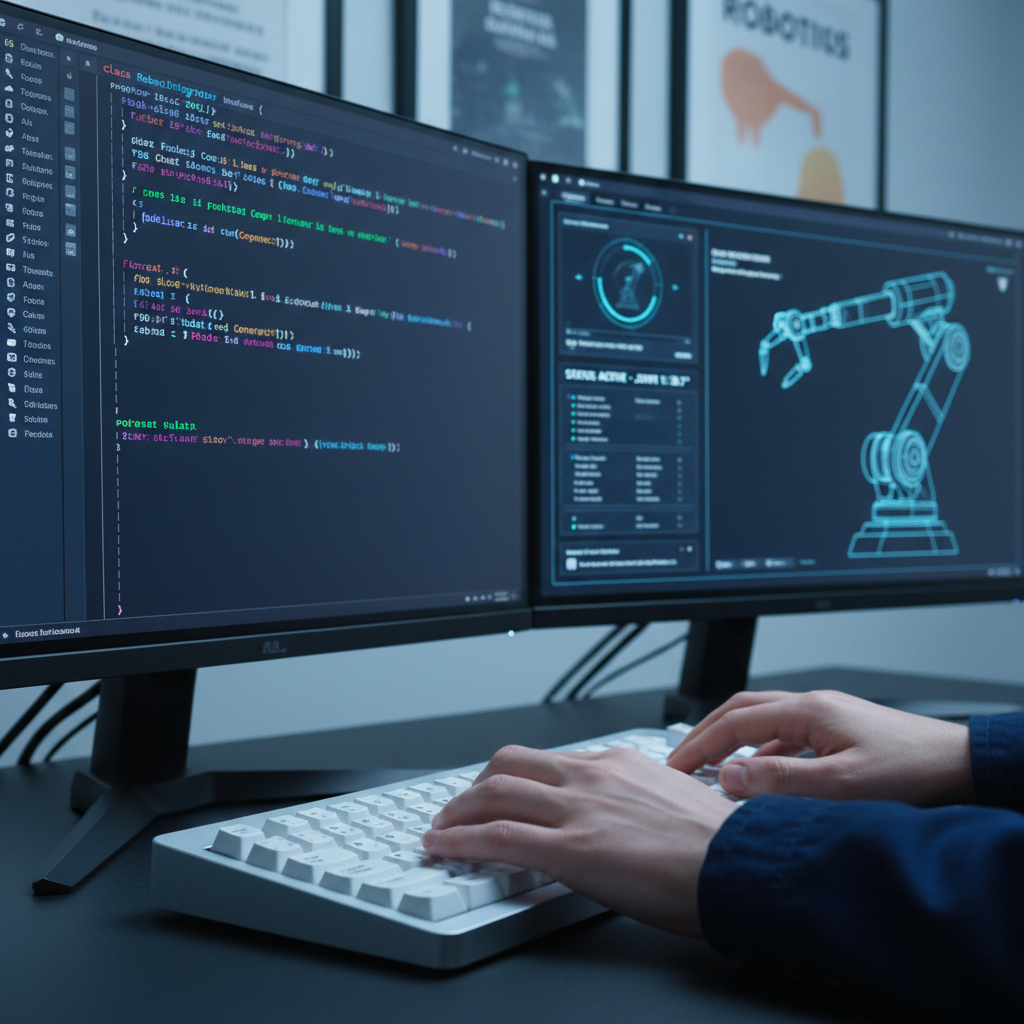
Deploying telepresence robots hospital Australia requires more than just unboxing hardware; the underlying IT infrastructure must support high bandwidth, real time data flow. The most common technical limitation encountered in clinical settings is inconsistent wireless connectivity. Hospital grade WiFi 6 or 6E is recommended to handle the concurrent demands of HD video streaming and autonomous navigation data without packet loss. Exaptec conducts thorough site surveys to identify signal dead zones, ensuring seamless hand offs between access points as the robot traverses different wards.
Security is a non negotiable priority within the Australian healthcare landscape. All telepresence systems must adhere to strict data sovereignty and privacy standards, including compliance with the Australian Privacy Act. Our robotics integration solutions utilize end to end encryption for all video and control streams, preventing unauthorized access to sensitive patient interactions. Furthermore, we facilitate custom software integration to ensure these devices interact securely with existing Electronic Medical Record (EMR) systems, allowing clinicians to view patient history or My Health Record data through a single, secure interface.
Physical navigation presents another hurdle. Hospital layouts are often cluttered with mobile medical equipment and temporary partitions. Exaptec works with facility managers to map these complex environments, configuring the robot’s LiDAR and depth sensors to recognize dynamic obstacles. This level of technical oversight ensures that the robot remains a reliable clinical tool rather than a navigation hazard. To discuss the specific technical requirements for your facility, contact our Melbourne team for a detailed infrastructure assessment.
Navigating TGA Compliance and Hospital Regulatory Standards

Deploying telepresence robots hospital Australia involves navigating a rigorous regulatory landscape overseen by the Therapeutic Goods Administration (TGA). In Australia, any device used for clinical diagnosis or monitoring must meet specific safety and performance requirements. This includes ensuring that the hardware and the custom software integration used to transmit patient data comply with the Australian Privacy Principles and digital health standards. Hospitals must conduct thorough risk assessments to address physical safety, such as avoiding collisions in busy corridors, and clinical safety, ensuring the video quality is sufficient for medical decision-making.
Exaptec differentiates itself by acting as a compliance partner rather than a simple equipment supplier. We assist facilities in developing the necessary regulatory documentation and clinical governance frameworks required for a successful rollout. This includes providing structured staff safety training to ensure that both bedside nurses and remote specialists understand the limitations and operational protocols of the technology. Our robotics integration solutions are implemented with a focus on clinical safety protocols, ensuring that the technology supports rather than hinders hospital workflows. To navigate these complex Australian health regulations, healthcare providers can contact our Melbourne team for expert guidance on compliance and safety implementation.
How to Choose the Right Telepresence Interface for Clinical Teams
Selecting an effective telepresence robot interface is critical for clinical adoption across Australian wards. Doctors and nurses operate under high-pressure conditions, meaning any digital tool must offer a low cognitive load and immediate responsiveness. A clinical interface should be accessible via a dedicated tablet or desktop app, providing a unified dashboard where the clinician can control movement while simultaneously managing high-resolution zoom functions for physical examinations. Reliable, full-duplex audio is equally important, ensuring that subtle patient cues are not lost to background ward noise.
When evaluating systems for telepresence robots hospital Australia, look for specific features that automate routine tasks and reduce technical friction:
Feature | Clinical Utility |
|---|---|
Click-to-Go Navigation | Allows clinicians to select a destination on a map; the robot navigates autonomously while the doctor reviews patient files. |
Auto-Docking | Ensures the unit returns to its charging station independently, removing the maintenance burden from floor staff. |
Advanced Zoom Controls | Enables detailed inspection of surgical sites, IV lines, or pupillary responses from a remote location. |
Multi-User Access | Facilitates collaborative rounds where multiple specialists can join the same stream for consultation. |
Exaptec provides robotics integration solutions that focus on these ergonomic details, ensuring that hardware functionality matches clinical intent. By implementing custom software integration tailored to existing medical workflows, we ensure the interface enhances rather than interrupts the care cycle. For a demonstration of clinical interfaces and app capabilities, contact our Melbourne team to explore the best fit for your facility's operational needs.
Telepresence robots are transforming how Australian hospitals deliver care by bridging the gap between remote specialists and their patients. These tools reduce travel time and ensure that expert advice is available whenever it is needed. While the benefits are clear, choosing the right solution for a clinical setting requires careful planning. If you want expert help navigating the options for your facility, you can learn more about our team and how we support healthcare providers with innovative robotics.