Adopting humanoid robots healthcare Australia solutions is a critical strategy for facility leaders to address a projected shortfall of 100,000 care workers by 2027. These machines enhance hospital operations by assisting with non-contact patient management, providing aged care companionship, and optimizing surgical workflows to maximize staff efficiency. This technological shift ensures that Australian facilities can maintain high standards of dignity and care despite increasing labor demands.
Australian healthcare leaders are facing a relentless challenge; the persistent shortage of qualified staff coupled with an accelerating demand for services is stretching facilities to their breaking point. Traditional recruitment strategies are no longer sufficient to bridge the widening workforce gap expected by 2027, making the integration of humanoid robotics a practical operational necessity rather than a futuristic experiment. Moving beyond simple automation, these systems allow providers to reclaim human time for high-value clinical care and resident engagement. This guide provides an expert look at the evolution of multi-purpose robots within the Australian landscape. You will learn how to distinguish between specialized and humanoid platforms, understand the technical infrastructure required for seamless software integration, and navigate the specific regulatory standards governing safety. We conclude with a strategic roadmap for transitioning from initial pilot programs to successful ward-wide adoption.
The Evolution of Humanoid Robots in Australian Healthcare
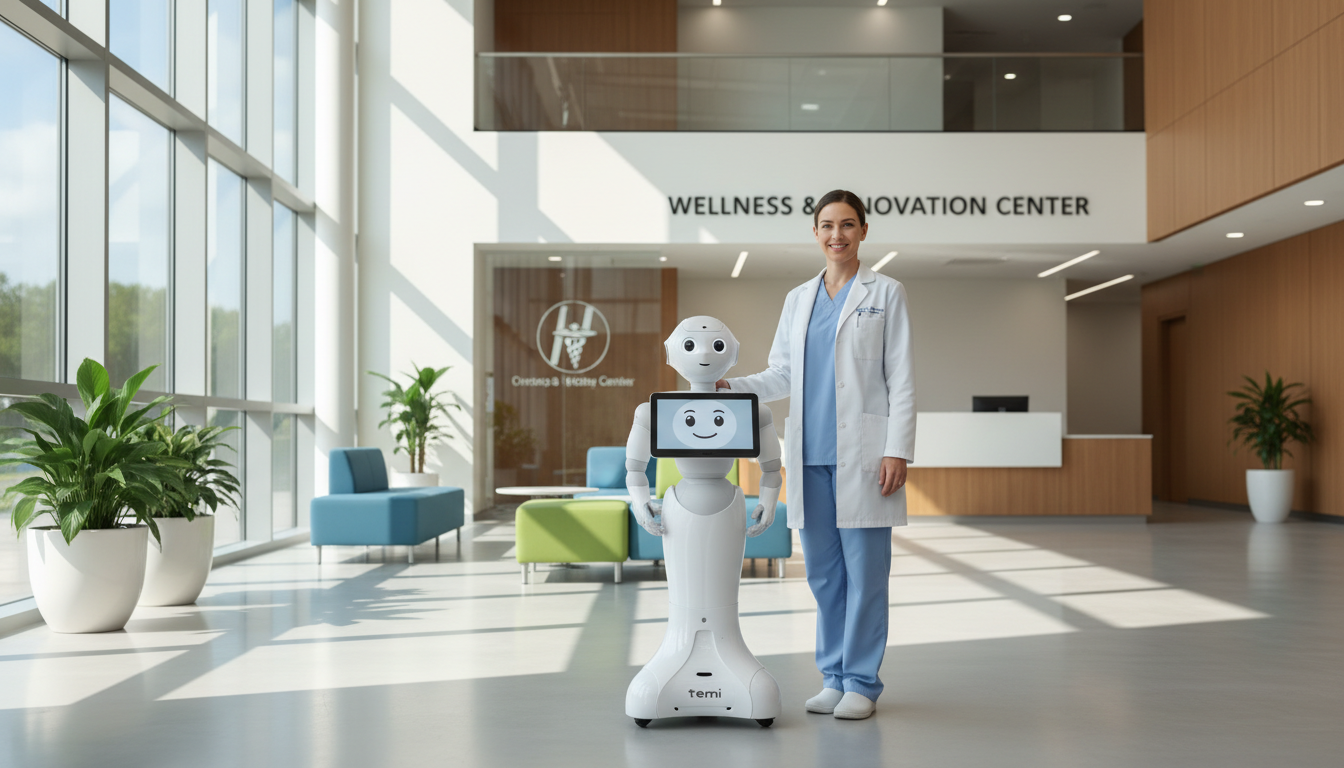
The landscape of humanoid robots healthcare Australia is shifting from specialized, single-task machines to versatile, multi-purpose assistants. For years, the gold standard for robotics in Victorian clinical settings was defined by systems like the Mako orthopaedic robot. While these platforms revolutionized surgical precision, their utility is confined to specific procedures. In the 2024 to 2025 period, adoption has been characterized by smaller, social robots, such as the pint-sized units seen at Greenslopes, which primarily handle basic patient interaction.
We are now approaching a 2026 to 2027 tipping point where Australian facilities will transition to full-scale humanoid assistants. Melbourne and wider Victoria have become central hubs for these sophisticated robotics integration projects, driven by the need for hardware that can navigate human-centric environments. This new generation moves beyond the limitations of companion units that offer limited physical utility. By utilizing custom software integration, these robots can now manage diverse duties across multiple wards, from security patrols to remote patient monitoring. For facility leaders, this era marks the move from experimental novelty to integrated, high-utility workforce support that addresses the operational realities of modern Australian healthcare.
Bridging the 2027 Workforce Gap with Robotics
As we approach the late 2020s, the demographic pressure on Victorian healthcare becomes undeniable. Research from CEPAR indicates a workforce shortfall of 100,000 care workers by 2027-28, a gap that could more than double by 2050 as our population aged 85 and over grows by 140 percent. In this context, the role of humanoid robots healthcare Australia initiatives is not to replace the human touch, but to protect it by giving time back to care.
Current burnout among Melbourne’s nursing and support staff is rarely caused by patient interaction; it is driven by administrative friction. Caregivers frequently lose hours each shift to mundane tasks, including tracking down misplaced linen carts, delivering meals to specific wards, or hunting for mobile medical equipment. These logistical burdens dilute the quality of clinical attention and accelerate staff turnover.
Task Category | Human Impact | Robotic Solution |
|---|---|---|
Logistics | 2-3 hours lost per shift hunting for supplies | Autonomous delivery and inventory tracking |
Administrative | High cognitive load and physical fatigue | Automated data entry and facility navigation |
Patient Care | Reduced time for empathy and connection | Freed capacity for complex human-centric tasks |
By deploying multi-purpose robots to handle these repetitive transit duties, facilities can reclaim roughly 10 percent of staff time. When a humanoid unit manages the predictable movement of supplies, the clinician is freed to focus on empathy, complex diagnosis, and direct patient connection. Successful robotics integration projects rely on this distinction: robots manage the predictable, while humans manage the personal. Bridging this gap requires custom software integration to ensure these units navigate specific facility layouts without disrupting existing workflows, particularly in regional Victoria where staffing pools are even more constrained.
Multi-purpose vs. Specialized Robots: What Facility Leaders Must Distinguish
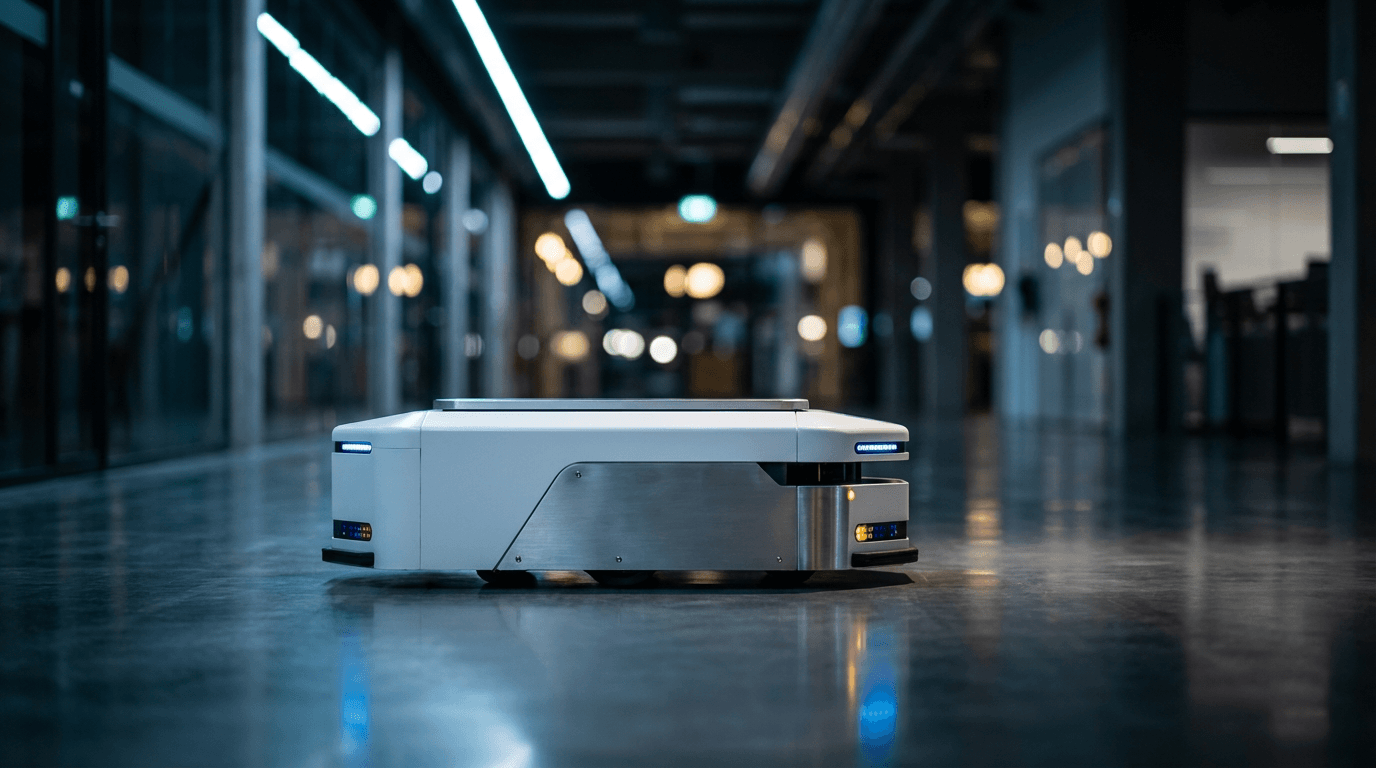
Distinguishing between specialized clinical systems and multi-purpose platforms is essential for long-term ROI. While the Mako orthopaedic robot has set a high standard for surgical accuracy, its utility remains localized within the operating theatre for specific procedures. In contrast, multi-specialty humanoid robots healthcare Australia initiatives focus on ward-wide flexibility. These units are designed to navigate the high-traffic, non-linear environments of Melbourne hospitals, shifting between logistical support and social interaction as needed.
Research from the Australian Cobotics Centre highlights that the true value of these systems lies beyond the hardware itself. Their "Project 3.5" study found that efficiency gains in robotics are primarily driven by team coordination and workflow refinements. For example, when staff trust the robotic unit and workflows are adjusted to incorporate it, disruptions decrease significantly. This is particularly relevant when executing robotics integration projects in Victorian facilities where existing protocols are deeply entrenched.
Rather than viewing a humanoid as a standalone tool, facility leaders should treat it as a collaborative team member. Success requires custom software integration that aligns robotic behavior with staff expectations, ensuring that the transition from specialized surgical tools to versatile assistants actually improves the daily flow of the ward. By focusing on how these robots coordinate with scrub nurses and clinicians, facilities can move past the high initial costs of single-purpose machines toward a more adaptable, facility-wide automation strategy.
Humanoid Robot Use Cases in Aged Care and Hospitals for 2026
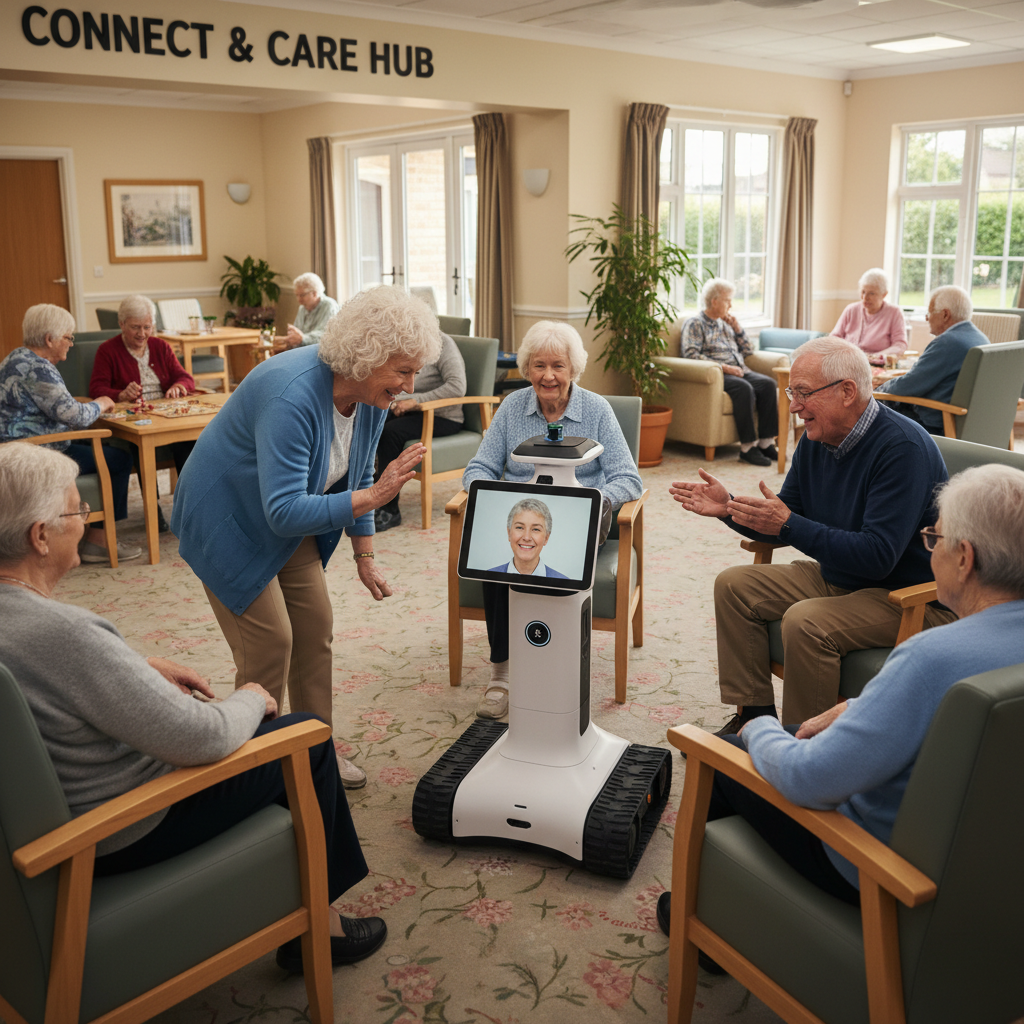
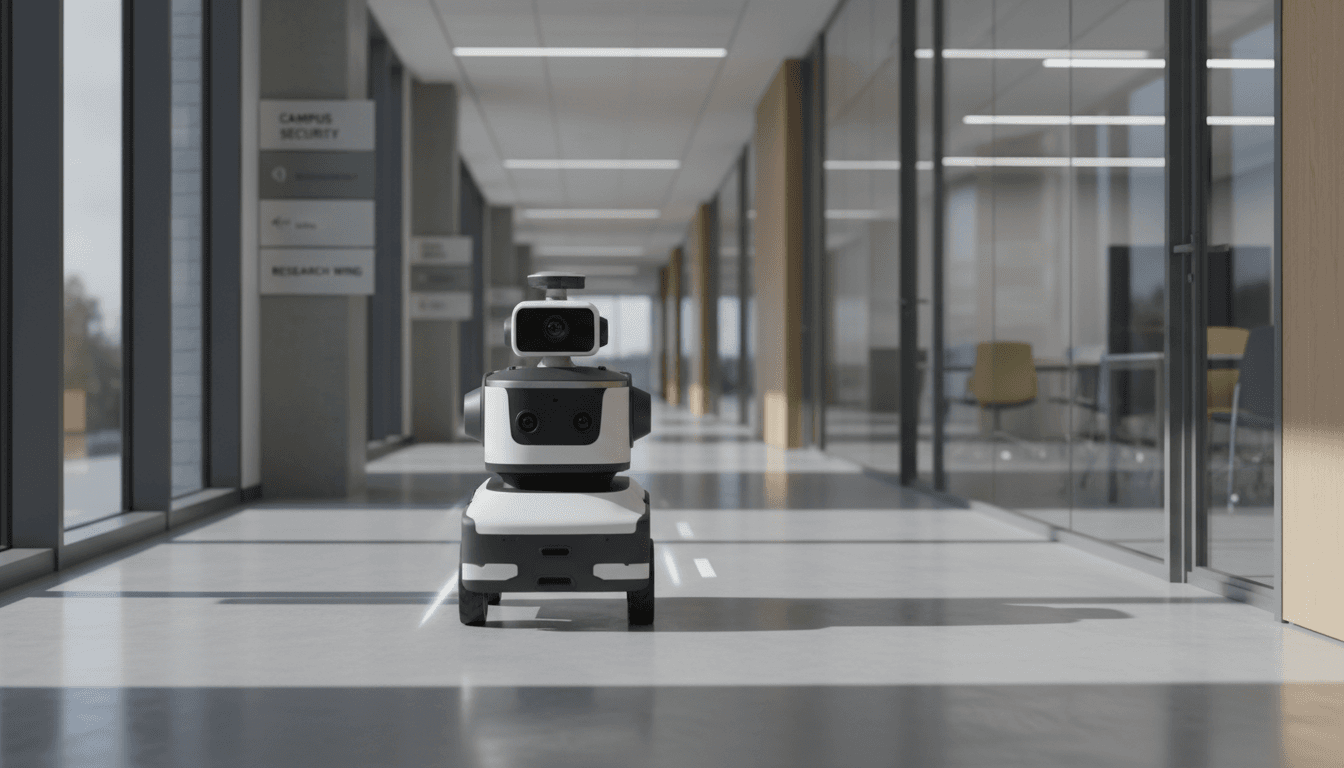
As we move into 2026, the application of humanoid robots healthcare Australia initiatives will focus on high impact, non-contact utility. In Melbourne hospitals, these units are transitioning into roles that require environmental awareness without physical intervention. Non-contact patient management is a primary use case, where robots equipped with advanced sensors monitor vitals and presence, alerting staff to potential falls or distress before they escalate. In aged care settings, social companionship takes a more prominent role. Systems like the Abbey robot demonstrate how specialized interaction can soothe dementia patients, providing consistent engagement that helps reduce agitation and the reliance on pharmacological interventions.
For facility leaders, the value proposition lies in the preservation of patient dignity. By assigning repetitive, logistical duties to robotic units, human staff are liberated from the industrial side of care. When a robot handles the delivery of specialized clinical supplies or the distribution of meals, nurses can dedicate their full attention to the emotional and empathetic needs of the resident. This shift is particularly vital for robotics integration projects in regional Victoria, where towns like Horsham or Traralgon face even tighter staffing pools than the metropolitan center.
In these regional settings, where staffing shortages are acute, custom software integration allows facilities to deploy modular units that work within existing, often older, infrastructures. These robots act as force multipliers, ensuring that a smaller team can maintain a high standard of clinical support without compromising the personal touch that defines quality care. Managing this transition requires robust compliance support for hospitals to ensure every automated task meets Australian clinical standards.
Technical Readiness: Software Integration and Infrastructure

Deploying humanoid robots healthcare Australia initiatives successfully depends less on the hardware’s physical capabilities and more on the digital infrastructure supporting them. A robot remains a siloed tool unless it can communicate with hospital management systems, electronic health records, and automated facility hardware. Exaptec focuses on custom software integration to ensure these units can navigate secure wards, trigger elevators, and update patient logs in real time. Without this connectivity, the operational burden on staff actually increases as they are forced to manually bridge the gap between the robot and the facility’s data.
Infrastructure readiness is particularly critical for older Melbourne facilities and regional Victorian hospitals where Wi-Fi coverage may be inconsistent. Successful robotics integration projects utilize modular systems designed for low-bandwidth environments. By leveraging edge computing, these robots process complex navigation tasks locally, ensuring they remain functional even when signal strength drops in older builds or basement corridors.
Facility leaders must also address the automation divide, a gap where advanced technology outpaces the digital literacy of the workforce. Investing in staff digital skills development now is essential for 2026 deployments. When nurses and care workers understand the logic behind the robotics, they move from being skeptical observers to active coordinators. This training ensures that by the time full scale humanoid assistants arrive, the clinical team is prepared to manage them as a standard part of the care environment.
Navigating Australian Regulatory Standards and Safety

Transitioning from technical infrastructure to the legal framework is the final hurdle for successful deployment. For humanoid robots healthcare Australia initiatives, the regulatory landscape is defined largely by the Therapeutic Goods Administration (TGA). Facility leaders must distinguish between a social companion, which may be classified as a consumer electronic, and a regulated medical device. If a humanoid unit performs clinical functions, such as diagnostic monitoring, vitals assessment, or medication dispensing, it must meet TGA conformity assessment requirements. Melbourne hospitals cannot afford the liability of deploying uncertified hardware in a clinical capacity.
Safety standards for autonomous mobile robots (AMRs) in public spaces are equally rigorous. In Victoria, facilities must adhere to standards such as AS 5386, which governs the safe operation of mobile robots in areas shared with pedestrians. These regulations ensure that robotic units can reliably detect and avoid patients with mobility aids or staff rushing during emergencies. Professional compliance support for hospitals is necessary to translate these high level standards into daily operational protocols.
To maintain facility insurance and meet OHS obligations, rigorous documentation is mandatory. This includes third party safety audits and detailed robotics integration projects records that prove the custom software integration includes fail safes for sensor failure or corridor congestion. By conducting these audits during the pre-deployment phase, administrators can ensure that their robotic workforce is a compliant, insured asset rather than a regulatory liability.
Strategic Implementation: From Pilot to Ward-Wide Adoption
Moving from regulatory compliance to practical application requires a roadmap that prioritizes human workflow over simple hardware installation. Successful ward-wide adoption of humanoid robots healthcare Australia programs depends on a structured approach modeled after the Project 3.5 methodology. This involves tracking specific ward phases, observing how staff interact with automated systems, and identifying the precise bottlenecks that slow down care delivery. By analyzing these data points, facility leaders can ensure that robotics integration projects address real-world friction rather than theoretical needs.
Experience in Melbourne clinical settings shows that the most significant gains come from trust-building and team coordination, not just the technology itself. When clinicians see a unit reliably managing logistics, their confidence in the system grows, allowing for smoother collaboration. To achieve this, a phased implementation is recommended. Start with telepresence units for remote specialist consultations and autonomous mobile robots for meal or linen delivery. These simpler applications allow staff to acclimate to robotic presence without the complexity of full humanoid interaction.
As the workforce becomes comfortable, the transition to full humanoid assistants can begin. This shift requires custom software integration to align robotic behavior with established hospital protocols. Throughout this process, providing compliance support for hospitals ensures that every new phase meets safety standards, turning a pilot program into a reliable, facility-wide workforce solution.
As we look toward 2026 and 2027, the integration of humanoid robots into Australian healthcare facilities represents a transformative shift in patient care and operational efficiency. Preparing for this future requires careful planning, technical foresight, and a clear understanding of the evolving landscape. If you want expert help navigating these complex robotics implementations, Exaptec is here to guide your organization through every step. You can explore our comprehensive Services to see how we help leaders turn visionary technology into practical, life-improving solutions for their facilities.