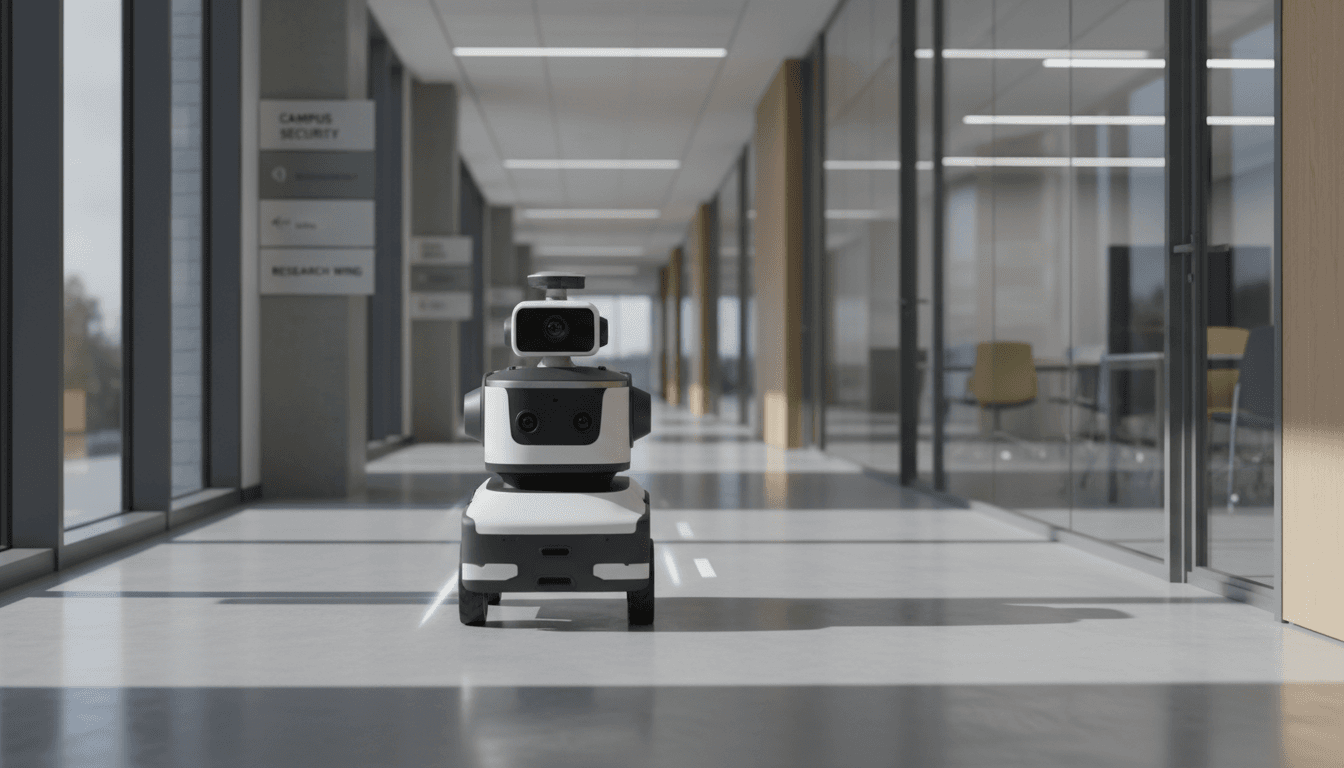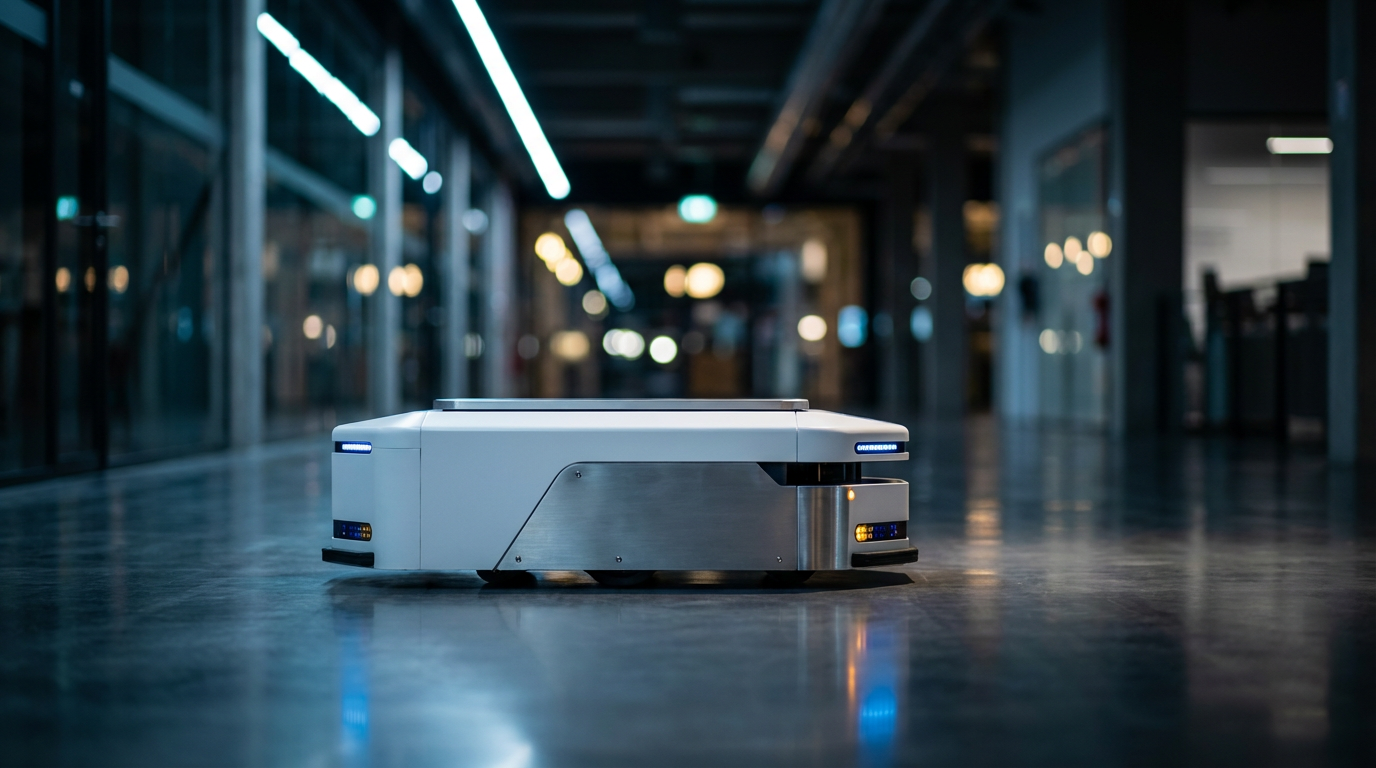
Security patrol robots healthcare Australia enhance hospital safety by providing autonomous surveillance, real-time monitoring, and proactive threat detection across medical facilities. These AI-powered systems improve operational efficiency and patient protection through advanced sensor integration; they address critical staffing shortages while securing clinical environments ahead of 2026.
Hospital security managers across Australia face a relentless challenge, balancing the urgent need for staff safety with increasingly tight operational budgets. As medical facilities become more complex, traditional patrol methods often leave critical gaps in coverage, leading to avoidable risks for both patients and healthcare professionals. The shift toward autonomous security technology is no longer a futuristic concept; it is a practical necessity for the 2026 landscape. In this article, we examine how security patrol robots are transforming Australian hospitals by providing consistent, data-driven surveillance. We will explore the specific functions of these units, the regulatory standards governing their use in local facilities, and the strategic return on investment for providers in Melbourne and beyond who are ready to integrate advanced robotics into their safety protocols.
The Rise of Autonomous Security in Australian Medical Facilities
Australian medical facilities are navigating a period of significant operational strain. In Victoria, healthcare providers face rising patient volumes and acute staffing shortages, which often leaves security teams stretched across vast campus footprints. Traditional security models have relied heavily on static CCTV cameras and periodic foot patrols; however, these methods are reactive by nature, often capturing incidents after they have escalated. As we move toward 2026, the sector is seeing a definitive shift toward active, autonomous patrolling to address these gaps in facility oversight.
Security patrol robots healthcare Australia represents a transition to intelligent, mobile surveillance platforms. These are sensor-rich units equipped with LiDAR, thermal imaging, and high-definition 360-degree video. They function as the continuous eyes and ears of a facility, operating 24/7 without the limitations of human fatigue or the visual blind spots inherent in fixed infrastructure. By deploying these autonomous systems, hospitals can ensure constant coverage of high-risk areas, from emergency department waiting rooms to restricted pharmaceutical storage. Exaptec supports this evolution through custom software integration, ensuring these mobile assets communicate effectively with existing hospital protocols to enhance overall safety.
What Do Security Robots Actually Do in a Hospital Setting?
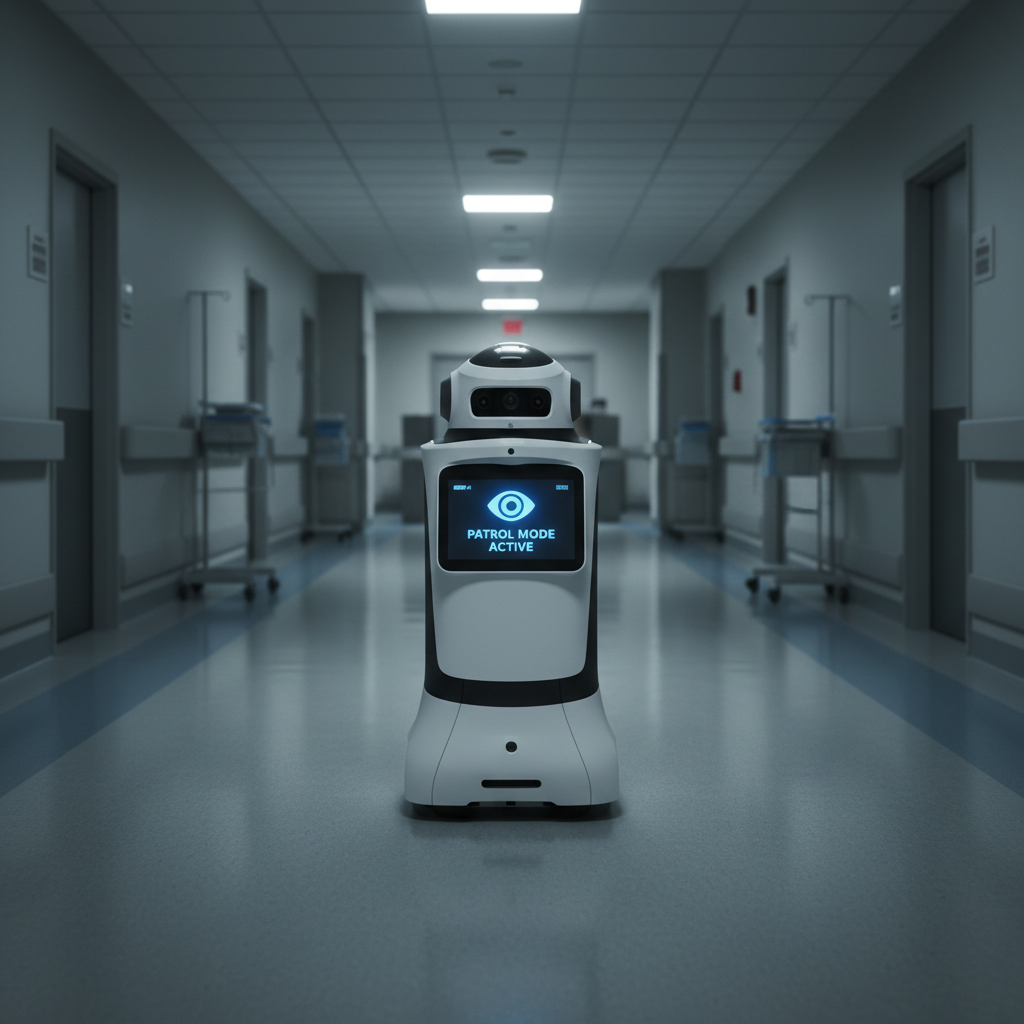
To understand the operational value, facility managers often ask, "what does a security robot do?" in a practical, day-to-day context. These units are not merely moving cameras; they are complex, multi-modal sensor platforms. In a clinical environment, they perform a suite of tasks that would be physically exhausting or logistically impossible for a human to maintain with perfect consistency.
The primary functions of security patrol robots in healthcare Australia include:
360-Degree Continuous Surveillance: Providing high-definition video coverage that eliminates blind spots often found in fixed CCTV networks.
Thermal Intelligence: Identifying heat signatures that indicate potential electrical fires or detecting the body heat of a patient who may have collapsed in a secluded corridor.
Intrusion Detection: Monitoring restricted zones, such as pharmaceutical dispensaries or sterile supply rooms, and immediately flagging unauthorized personnel based on schedule or credentialing.
Hazard Identification: Using computer vision to spot slip-and-fall risks, such as spilled liquids or misplaced medical equipment, before an injury occurs.
Unlike traditional human guards, a robot does not experience fatigue or environmental blindness during a graveyard shift. While a person might miss a subtle change in a stairwell after the tenth patrol, the robot compares every frame against a digital twin of the facility, ensuring absolute accuracy. This results in unbiased, high-fidelity data that can be audited for insurance compliance or incident investigation. The data is objective; it does not get distracted or tired, providing a level of reliability that human teams can then use to make informed decisions.
Successfully deploying these functions involves more than just unboxing a device. It requires precise custom software integration to ensure the robot recognizes the specific layout and safety protocols of a Victorian hospital. For a deeper look at how these functions are applied in real-world environments, review our robotics integration portfolio. By automating these routine observations, the security team transitions from patrolling to responding, utilizing the robot as a sophisticated early-warning system. If you need to assess how these sensors fit your specific facility layout, you can contact our Melbourne team for a technical evaluation.
Improving Patient Safety and Staff Wellbeing in 2026
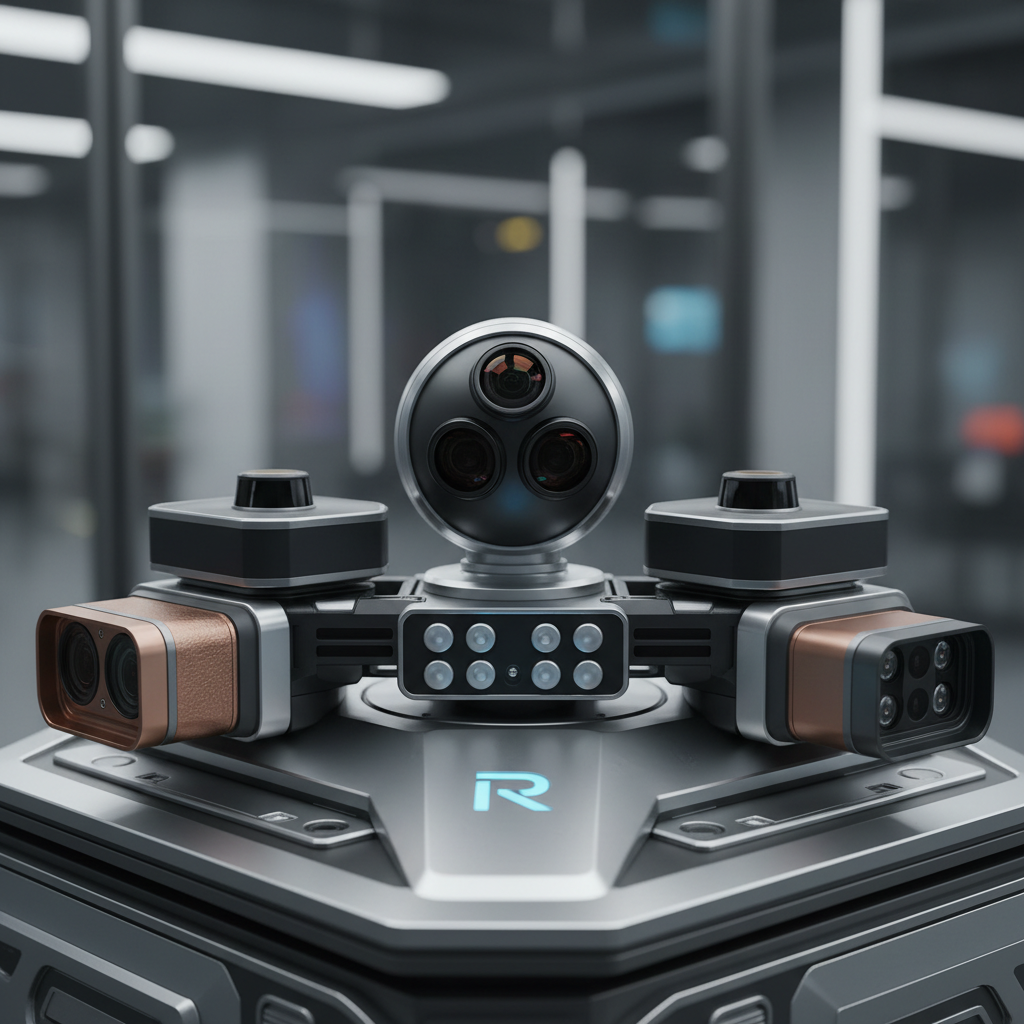
The transition toward autonomous safety systems directly addresses the rising rates of occupational violence in Australian emergency departments. A mobile, visible presence acts as a psychological deterrent; while static cameras are often overlooked, a moving unit signals that a space is actively monitored in real time. This visibility can de-escalate tension in high-pressure waiting areas before it leads to physical aggression, providing a safer environment for frontline clinical staff who frequently face verbal and physical abuse.
During nighttime operations, security patrol robots healthcare Australia utilize AI-driven analytics to detect anomalies without compromising the therapeutic environment. Using LiDAR and thermal imaging, these units can identify a patient who has wandered from their ward or a person in distress in a darkened corridor without requiring bright, disruptive overhead lighting. This allows for constant oversight while maintaining the quiet, restful atmosphere necessary for patient recovery. If a fall or unauthorized movement is detected, the system sends an immediate, high-priority alert to the nursing station or security desk.
This shift creates a 'force multiplier' effect for facility management. When an autonomous platform manages the routine, repetitive patrolling of multi-level parking structures and basement corridors, human security teams can focus their expertise on high-value interventions and de-escalation. By automating the observation phase of security, the human response becomes more targeted and efficient. Exaptec facilitates this through custom software integration, ensuring the robot is not an isolated gadget but a coordinated part of the hospital's response protocol. For examples of how these systems enhance operational workflows, visit our robotics integration portfolio.
Integration is Key: Beyond the Hardware
Hardware procurement represents roughly 20 percent of a successful deployment. The operational value of security patrol robots healthcare Australia is realized only when the platform is fully woven into the facility’s existing digital fabric. In a complex hospital environment, a robot operating in a silo is a missed opportunity. To provide genuine utility, the autonomous unit must achieve a seamless handshake with legacy infrastructure, including established Video Management Systems (VMS) and nurse call protocols.
Exaptec specializes in the technical middleware required to bridge these gaps. We ensure that high definition video streams are not confined to a proprietary tablet; instead, they are ingested directly into the hospital’s primary security control room via standard VMS platforms. This integration allows human operators to manage robotic assets alongside static camera feeds within a single, unified interface. Furthermore, we program custom triggers that allow the robot to interact with the building itself, such as communicating with elevator controllers to navigate multiple floors or alerting nursing stations through existing paging systems when a specific anomaly is detected.
Managing these connections requires a deep understanding of Australian network security standards and the specific APIs of medical facility software. Our approach focuses on creating a bi-directional flow of information where the robot acts as both a data gatherer and a responsive asset. For a detailed look at how we have successfully unified robotics with complex facility systems, review our robotics integration portfolio. By prioritizing custom software integration, we transform a mobile sensor platform into a cohesive component of the hospital’s broader safety strategy.
Navigating Australian Regulatory Standards for Mobile Robotics

Deploying security patrol robots healthcare Australia requires more than technical compatibility; it demands strict adherence to local regulatory frameworks. In Victorian medical facilities, the intersection of robotics and patient care involves navigating Therapeutic Goods Administration (TGA) classifications. While most security units are not classified as therapeutic devices, their operation within sterile or high-stakes clinical zones requires careful assessment to ensure they do not interfere with sensitive medical equipment or life-safety systems. Furthermore, facility managers must align deployments with Occupational Health and Safety (OH&S) standards, specifically focusing on the safe interaction between autonomous vehicles and the public in high-traffic hospital corridors.
Privacy remains a paramount concern under the Australian Privacy Act 1988. Since these units record high-definition video in environments where patient confidentiality is legally mandated, data handling protocols must be rigorous. Exaptec addresses this through custom software integration that can include features like automated face blurring or secure, localized data storage to ensure Victorian and federal privacy benchmarks are met. We provide comprehensive compliance support, guiding facilities through the necessary risk assessments and operational documentation. This structured approach ensures that the innovation of autonomous patrolling does not come at the cost of regulatory liability. For a look at how we document and implement these compliant systems, visit our robotics integration portfolio or contact our Melbourne team to discuss specific state requirements.
The Strategic ROI for Melbourne and Victorian Healthcare Providers
The financial case for security patrol robots healthcare Australia hinges on balancing high-value human intervention with low-cost automated observation. For Melbourne providers managing sprawling campus footprints, the overhead of maintaining full-time human patrols in low-traffic areas is often unsustainable. A single autonomous unit can cover kilometers of corridors every shift, providing a consistent presence that would otherwise require multiple staff members working at expensive penalty rates.
By offloading routine after-hours surveillance to a robot, facilities significantly reduce operational expenditure associated with night-shift staffing. Furthermore, the precision of robotic data collection offers a tangible reduction in liability insurance premiums. Unlike human accounts which can be subjective, the high-fidelity video and sensor logs provided by these platforms serve as forensic-grade evidence for incident investigations. This mitigates the risk of costly litigation and unfounded claims.
Maximizing this return requires more than just hardware; it depends on custom software integration to ensure the robot operates at peak efficiency within the specific workflow of the hospital. For a detailed breakdown of how automated systems compare to traditional models in local environments, you can contact our Melbourne team or view successful deployments in our robotics integration portfolio. This strategic shift allows Victorian healthcare leaders to reallocate their budget from passive watching to active clinical care.
Training Hospital Staff for a Robotic Future
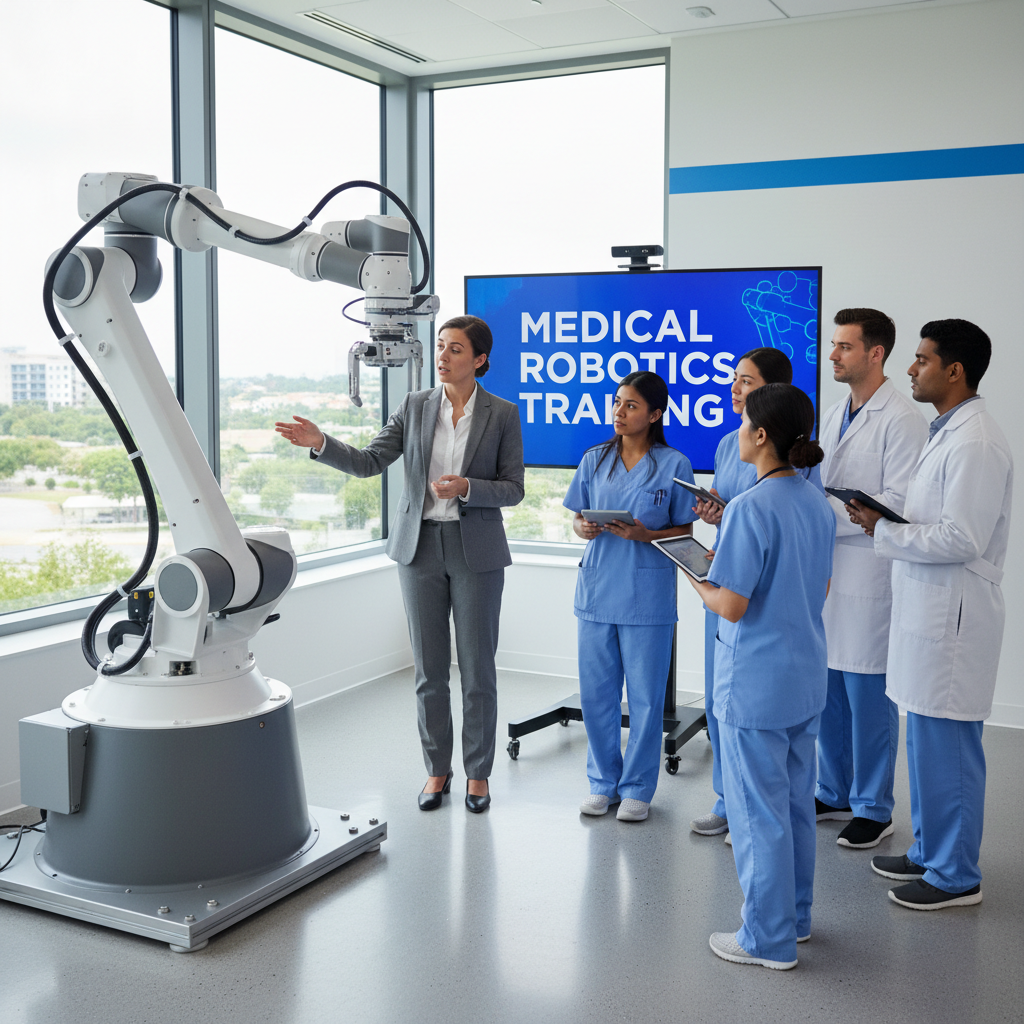
Realizing a high ROI depends entirely on how clinical and facility teams interact with the new technology. Exaptec prioritizes a collaborative onboarding process to ensure that security patrol robots healthcare Australia are viewed as reliable assistants rather than intrusions. We begin by facilitating workshops with nursing leads and facility managers to define exact patrol routes, ensuring the robot navigates high-traffic areas without obstructing patient transport or emergency response teams.
During the custom software integration phase, we establish clear alert protocols tailored to the facility's existing communication hierarchy. Staff are trained to interpret how the robot communicates, whether through silent digital notifications to a central dashboard or localized audio cues in specific zones. This clarity prevents alarm fatigue and empowers teams to act decisively on the data provided. By involving staff in the initial mapping and defining the rules of engagement, the deployment becomes a shared tool for safety. For organizations ready to transition their workforce into this automated future, we encourage you to contact our Melbourne team to discuss our tailored training modules. You can also view our robotics integration portfolio to see how we have helped other Victorian facilities bridge the gap between human expertise and autonomous performance.
Integrating security patrol robots into Australian healthcare facilities represents a significant shift toward proactive safety and operational excellence. As we look toward 2026, these automated systems offer a reliable way to support staff and protect patients. If you want expert help determining which robotic solutions best fit your hospital's unique environment, you can explore our professional services to get started. Our team is ready to guide you through the implementation process, ensuring a seamless transition into the future of automated healthcare security.