Hospitals achieve successful robotics integration in Australian healthcare by deploying autonomous mobile robots to automate logistical tasks like meal delivery and linen transport. This strategic automation addresses critical workforce shortages; meanwhile, integrating AI-driven telepresence and diagnostic tools enhances clinical efficiency and patient outcomes across the medical sector.
Managing an Australian healthcare facility today feels like a constant battle against rising operational costs and chronic staff shortages. You know that robotics could bridge the gap; yet the prospect of integrating complex autonomous systems into a high stakes hospital environment often feels overwhelming or financially risky. This disconnect matters because failing to adopt proven technology now will only deepen the efficiency crisis as we move toward 2026. In this guide, we provide a practical, expert perspective on navigating this transition. You will learn to identify high impact use cases for autonomous mobile robots and telepresence, follow a rigorous integration roadmap, and manage the critical human element of change. We also address the specific regulatory standards required for Australian compliance and demonstrate how to translate technological deployment into measurable financial value.
The State of Robotics Integration in Australian Healthcare: 2025 to 2026
Australia’s healthcare landscape is undergoing a significant structural shift. Recent market projections suggest the national medical robots market will reach nearly USD 4.9 billion by 2034, driven by an urgent need for operational efficiency. For facility managers in Melbourne and across the country, the pressure is multifaceted; they are navigating chronic workforce shortages while preparing for the 2026 digital reform mandates in aged care. These reforms necessitate a higher standard of data accuracy and service consistency that manual processes can no longer guarantee.
As a specialist in robotics integration, we view these technologies not as workforce replacements, but as essential tools for clinical safety and productivity. A robot does not replace a nurse; it frees that clinician from repetitive logistical tasks so they can focus on patient care. This evolution requires more than just purchasing hardware. True robotics integration in Australian healthcare is the functional bridge between sophisticated machinery and the specific, day-to-day workflows of a hospital or aged care facility.
Exaptec provides telepresence and autonomous mobile robot solutions that address these specific pressure points. By implementing custom robotics integration services, facilities can ensure that new technology talks to existing systems, turning standalone devices into reliable extensions of the clinical team. This strategic approach ensures that automation supports, rather than complicates, the delivery of care.
Identifying High Impact Use Cases for Autonomous Mobile Robots and Telepresence
To achieve successful robotics integration in Australian healthcare, facility managers must distinguish between two primary technological categories: Autonomous Mobile Robots (AMRs) and Telepresence. While both improve operational flow, they solve distinct clinical challenges through different modes of automation.
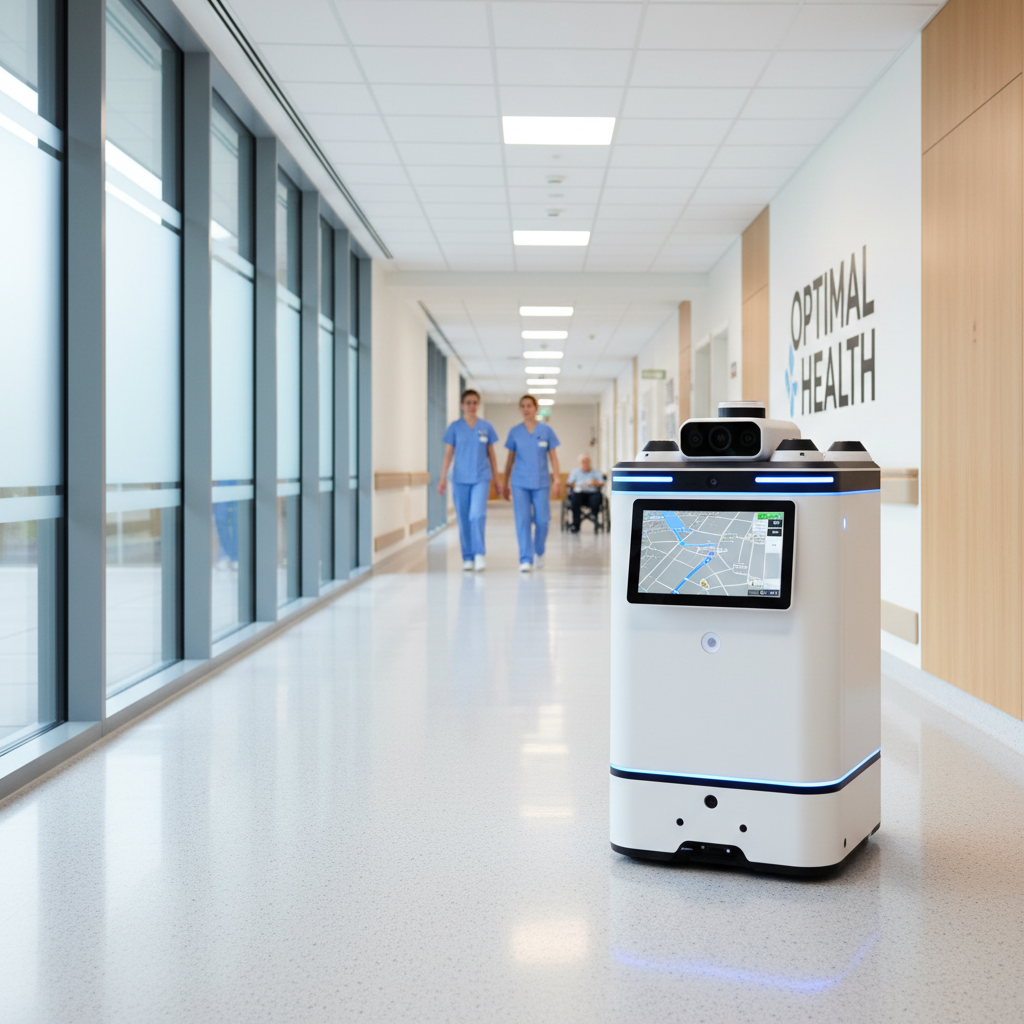
AMRs serve as the logistical backbone of a modern facility. By automating the transport of linens, meals, and pharmacy supplies, these units drastically reduce the "miles on feet" that contribute to nursing fatigue and burnout. CSIRO research into AI and clinical applications suggests that robotics should augment care by assuming repetitive logistical burdens. When a robot handles the delivery of heavy laundry carts or routine pharmacy drops, clinicians are freed to remain at the bedside. This shift is vital given the persistent workforce shortages across regional hospitals and the upcoming 2026 aged care reforms.
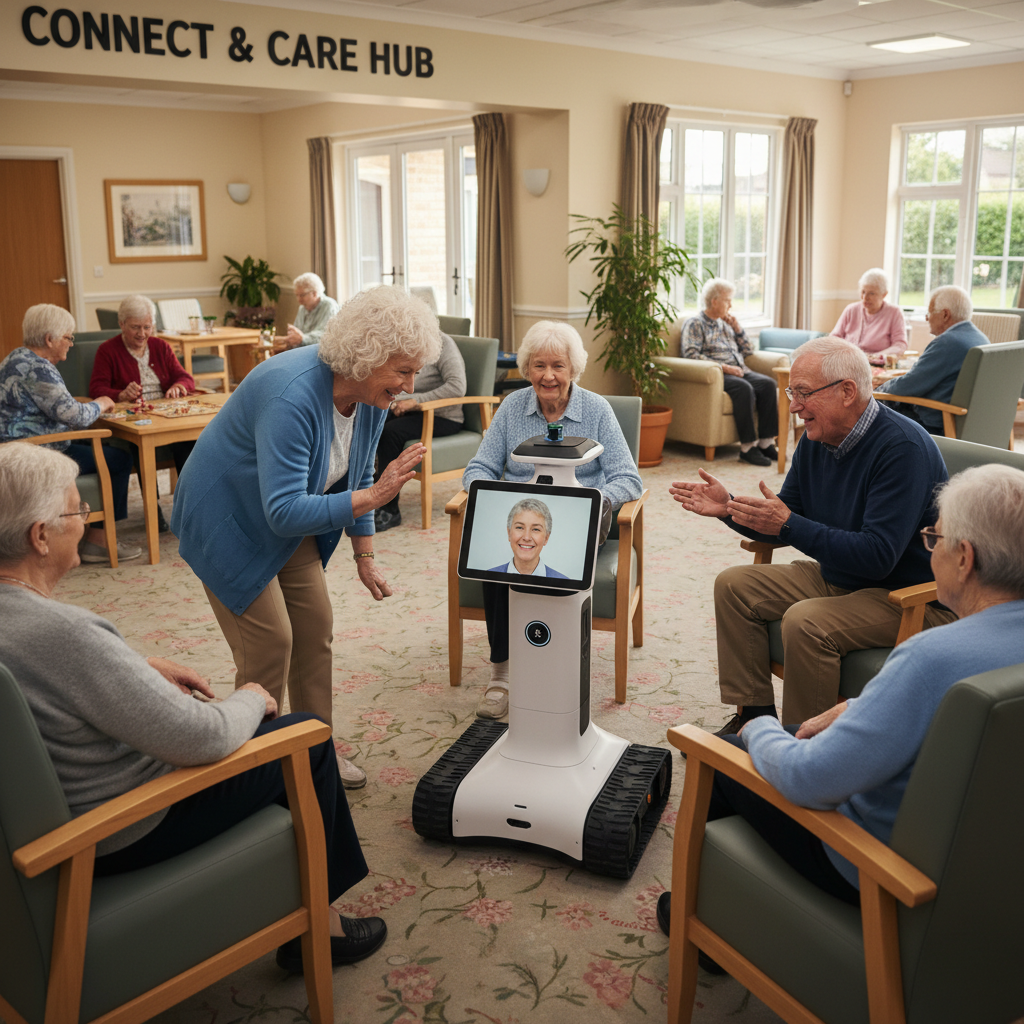
Telepresence robots, conversely, address the access gap identified in recent Australian healthcare trend reports. These platforms enable specialists in Melbourne to conduct virtual rounds or consultations in regional Victoria or remote parts of Australia without the cost and delay of travel. The Temi robot serves as a particularly versatile platform in this regard; its intuitive navigation and high-definition interface allow for remote patient monitoring that feels personal rather than clinical. It provides a level of physical presence that standard video conferencing cannot match.
Category | Primary Function | Clinical Impact |
|---|---|---|
Autonomous Mobile Robots (AMRs) | Heavy and Repetitive Logistics | Reduces staff physical strain and fatigue. |
Telepresence (e.g., Temi) | Remote Consultation and Monitoring | Bridges the specialist gap for regional and rural patients. |
Implementing telepresence and autonomous mobile robot solutions is not merely about selecting hardware. It requires identifying which specific bottleneck, whether it is logistical delays or limited specialist access, is currently hindering care delivery. By leveraging custom robotics integration services, facilities can ensure these platforms are interoperable with existing hospital workflows, transforming a standalone device into a dependable member of the clinical team.
A Step by Step Integration Roadmap for Facility Managers
Transitioning from identifying use cases to active deployment requires a structured framework. Successful robotics integration in Australian healthcare is rarely achieved through a standard procurement process; it demands a technical roadmap that aligns hardware capabilities with the physical and digital infrastructure of the facility.
1. The Needs Audit Integration begins with a granular assessment of existing bottlenecks. Facility managers should document high-frequency, low-skill tasks that currently consume clinical hours. This includes tracking the transit time of pharmacy deliveries or the frequency of non-clinical requests in aged care settings. By identifying where staff are most stretched, you can define the specific Key Performance Indicators (KPIs) for the robotics project.
2. Environmental Mapping A robot is only as effective as its ability to navigate. This stage involves auditing the facility for Wi-Fi dead zones, elevator compatibility, and floor transitions. For AMRs to operate autonomously, they require consistent signal strength across all operational zones. In many Victorian hospitals, older wings may require network upgrades to support real-time data exchange and fleet management.
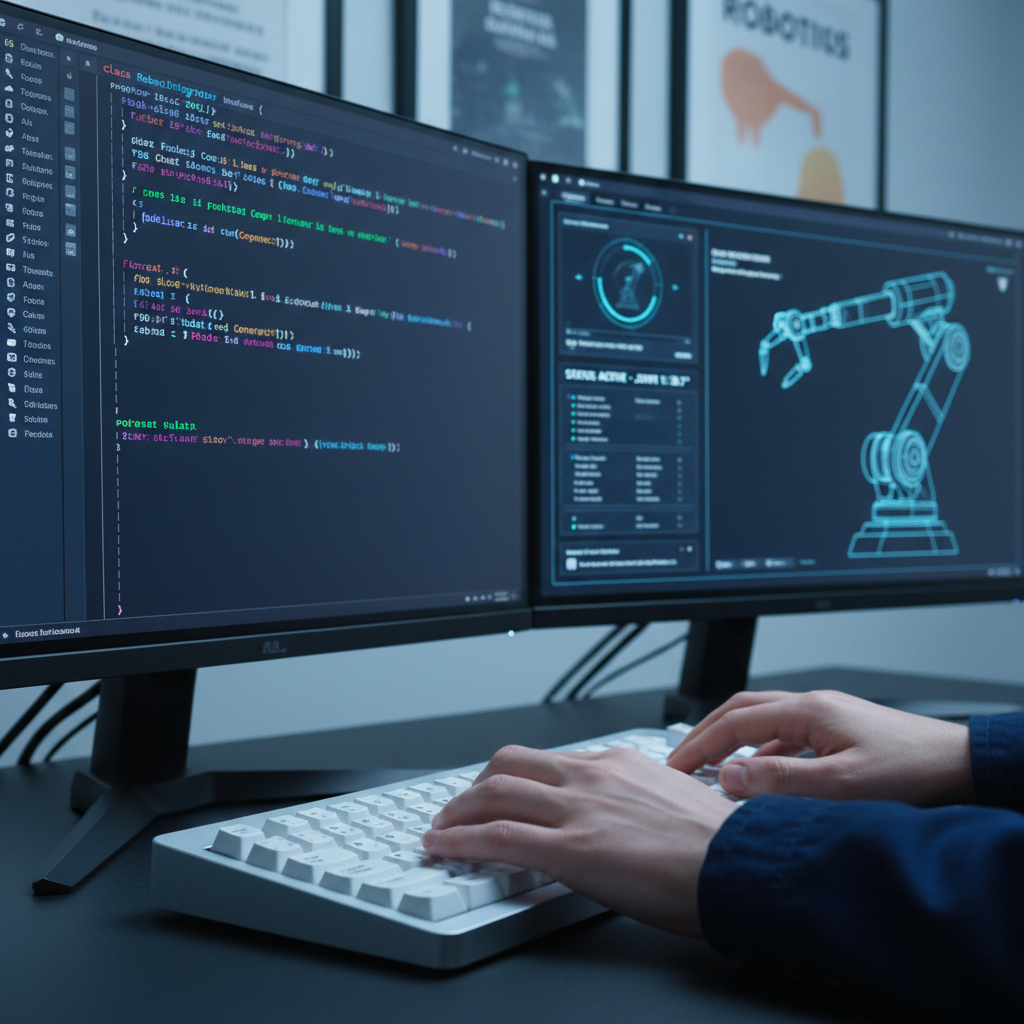
3. Software Integration This is the most critical phase where a 'plug and play' approach often fails. A standalone robot that cannot communicate with the facility's Electronic Medical Record (EMR) or Warehouse Management System (WMS) creates a new administrative burden. As a specialist in robotics integration, we focus on building these digital bridges. Through custom robotics integration services, the robot becomes an interoperable asset that receives automated triggers from existing hospital software, such as a pharmacy order or a room-cleaning notification.
4. Pilot Testing Before a full-scale rollout, a pilot program in a controlled environment, such as a single ward or a logistics corridor, is essential. This allows for the refinement of telepresence and autonomous mobile robot solutions based on real-world staff feedback. A pilot phase identifies 'edge cases'—such as unexpected obstacles or peak-hour corridor traffic—that standard simulations might miss.
Starting with a focused pilot ensures that the technical integration is sound before moving into the complex territory of cultural adoption and staff training.
Addressing the Change Management Challenge: Staff Training and Adoption
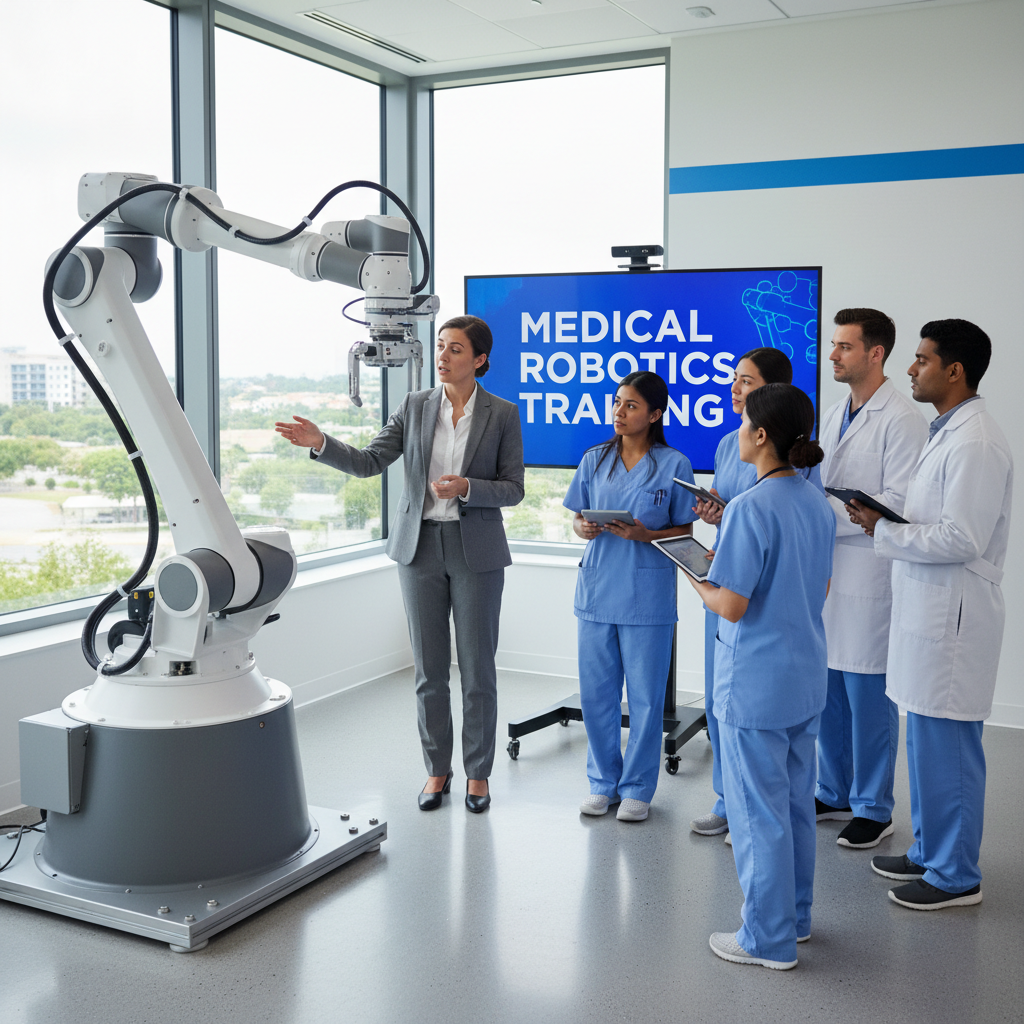
Change management is considered crucial because the long term success of robotics integration in Australian healthcare depends entirely on clinician buy-in. While technical setup is complex, the most significant barrier to adoption is often the human element, specifically tech-phobia or the underlying fear that automation aims to replace human roles. In reality, these systems are designed to augment clinical work by assuming the burden of repetitive or physically taxing tasks. To bridge this gap, facility managers must shift the narrative from replacement to assistance through transparent communication.
A successful adoption strategy begins with identifying Super Users within each ward or department. These are staff members who receive advanced training and act as peer mentors for their colleagues. By empowering a local champion, you create a support structure where questions are answered by a familiar face rather than a technical manual. This peer led approach is essential for demystifying how telepresence and autonomous mobile robot solutions operate in a live, high pressure environment.
Trust is built through direct experience and intuitive design. Modern systems, such as the telepresence robot app, leverage familiar smartphone style interfaces to reduce the learning curve significantly. As a specialist in robotics integration, we provide hands on training sessions that allow nurses and orderlies to interact with the hardware without pressure. During these sessions, staff witness firsthand how a robot handles a heavy linen delivery or a routine check, directly observing the reduction in their own physical workload. Through custom robotics integration services, we ensure the transition is supported by structured education, turning skeptical staff into confident operators who view the robot as a reliable tool for better patient care.
Navigating Australian Regulatory Compliance and Safety Standards

Successful robotics integration in Australian healthcare requires strict adherence to local regulatory frameworks, particularly those managed by the Therapeutic Goods Administration (TGA). Under the Therapeutic Goods Act 1989, any robotic platform that performs a diagnostic, monitoring, or therapeutic function may be classified as a medical device. Facility managers must verify that their chosen telepresence and autonomous mobile robot solutions meet specific TGA classification requirements before deployment in a clinical setting.
Beyond device classification, physical safety in high-traffic hospital corridors and aged care common rooms is paramount. In Victoria, WorkSafe requirements dictate that autonomous systems must not pose a risk to staff, patients, or visitors. This involves implementing multi-layered safety protocols, such as LiDAR-based obstacle avoidance, ultrasonic sensors for glass detection, and speed caps that align with pedestrian traffic patterns. As a specialist in robotics integration, we ensure every deployment includes a comprehensive risk assessment that covers both Australian electrical safety standards and international safety requirements for personal care robots.
Our custom robotics integration services include navigating these compliance hurdles, ensuring that the integration of hardware into your facility is legally sound and physically safe. This local focus ensures that a Melbourne hospital or a regional aged care facility operates within the specific boundaries of Australian law, avoiding the pitfalls of generic, non-localised implementation strategies.
Measuring ROI: Cost vs Value in Modern Facility Management
The financial discussion surrounding robotics integration in Australian healthcare often fixates on the upfront capital expenditure. However, a mature ROI analysis evaluates long term operational value against initial procurement. The primary driver of value is the mitigation of workforce pressure. In an environment where APAC medical trends show escalating costs, using AMRs for heavy lifting and transport tasks directly reduces physical strain on staff. By automating the movement of heavy linens and pharmacy supplies, facilities can lower the rates of manual handling injuries and subsequent WorkCover claims; these remain a significant hidden cost in Victorian healthcare.
Value also manifests in improved clinical outcomes. Consistent monitoring through telepresence platforms ensures that patient needs are met without stretching the bedside team to a breaking point. For regional clinics or smaller aged care facilities, telepresence robot hire options provide a flexible entry point, allowing for specialist consultations without the overhead of permanent hardware ownership.
Metric | Direct Cost Consideration | Strategic Value (ROI) |
|---|---|---|
Workforce | Recruitment and agency fees | Reduced burnout and lower turnover rates. |
Safety | Injury claims and sick leave | Decreased manual handling and lifting risks. |
Access | Specialist travel and downtime | Immediate remote consultation via telepresence. |
As a specialist in robotics integration, we help managers quantify these benefits, from reduced staff burnout to the precision of automated logistics. By implementing telepresence and autonomous mobile robot solutions through custom robotics integration services, the technology shifts from a line item expense to a strategic asset that stabilizes facility operations in a volatile market.
Successfully integrating robotics into Australian hospitals relies on a combination of strategic planning, staff engagement, and a clear focus on patient outcomes. While these technologies offer immense potential, the implementation process is often complex and demanding. If you want expert help to navigate these challenges, we invite you to learn more about our team and our commitment to innovation. We are ready to support your facility in making advanced robotic solutions a seamless part of your daily healthcare delivery.