
Healthcare facilities must follow strict Therapeutic Goods Administration (TGA) regulations and international safety standards to maintain robotics compliance healthcare Australia. This involves conducting thorough risk assessments, obtaining necessary medical device certifications, and implementing robust data privacy protocols to protect patient information while using automated systems.
Integrating robotics into an Australian healthcare facility often feels like navigating a complex regulatory minefield where a single oversight can stall innovation. Whether you are managing autonomous mobile robots for logistics or advanced surgical assistants, the burden of ensuring TGA compliance is a significant challenge for clinical leaders. At Exaptec, we recognize that true innovation requires a foundation of rigorous safety and legal alignment to protect both patients and staff. This guide provides a strategic roadmap through the essential Australian regulatory landscape. You will learn to navigate Therapeutic Goods Administration requirements, address data privacy under the Australian Privacy Principles, and meet Work Health and Safety standards for autonomous systems. By following our practical checklist for integration, your facility can move beyond pilot programs to a state of secure, compliant, and scalable automated care.
The Growing Role of Robotics in Australian Healthcare and Aged Care
The landscape of Australian healthcare is undergoing a significant shift as hospitals and aged care facilities across Victoria and the wider nation integrate advanced automation. This surge in adoption is driven by a critical need to address workforce shortages while simultaneously raising safety standards for both patients and staff. From telepresence robots facilitating remote specialist consultations to Autonomous Mobile Robots (AMRs) managing linen and medication delivery, these healthcare robotics solutions are no longer futuristic concepts; they are operational necessities.
As a Melbourne based specialist in robotics integration, Exaptec supports facilities through this complex transition. However, successful deployment involves far more than simply unboxing hardware. The Australian clinical environment is uniquely demanding, requiring precise custom software integration to ensure robots communicate effectively with existing hospital systems and workflows.
Navigating robotics compliance healthcare Australia requires a deep understanding of local standards and operational risks. Many facilities mistakenly view these units as plug and play devices; the reality involves rigorous safety assessments and comprehensive staff training and support. Ensuring that an AMR operates safely in a busy hospital corridor or that a telepresence unit maintains patient privacy is a multifaceted challenge. Reliability in these settings depends on a structured, compliant approach to implementation that respects the heavy regulatory oversight governing the Australian medical sector.
Understanding the TGA Regulatory Landscape for Medical Robotics

The Therapeutic Goods Administration (TGA) serves as the primary regulatory body for medical devices in Australia. For facility managers, the first hurdle in achieving robotics compliance healthcare Australia is identifying whether a robotic unit is classified as a "medical device" or a "service robot." This distinction is not based on the robot's appearance, but rather its "intended purpose" as defined by the manufacturer and the facility’s application.
A service robot, such as an autonomous mobile robot (AMR) used for security patrols or delivering clean linens, generally falls outside TGA jurisdiction. These units are governed by broader Australian consumer and work safety laws. However, if a robot is used for the diagnosis, prevention, monitoring, or treatment of a disease or injury, it likely falls under the Therapeutic Goods Act 1989. For example, a telepresence robot used purely for administrative meetings is a service tool, but the same hardware becomes a medical device if it is used by a specialist to conduct remote clinical assessments or monitor patient vitals in a Victorian hospital.
Robot Category | Typical Function | Regulatory Oversight |
|---|---|---|
Service Robot | Security, delivery, facility inspection | Australian Consumer Law / WHS |
Medical Device | Remote diagnosis, patient monitoring | TGA (Therapeutic Goods Act) |
SaMD | AI analysis of patient data | TGA (SaMD Framework) |
A critical and often overlooked technical nuance is the Software as a Medical Device (SaMD) framework. When Exaptec provides custom software integration, we evaluate whether the code performs a medical function independent of the robot's physical movement. If integrated software analyzes sensor data to provide clinical alerts, that software may require its own TGA registration. Ensuring that healthcare robotics solutions align with these standards is vital for mitigating risk. Furthermore, comprehensive staff training and support is necessary to ensure clinicians do not inadvertently use a non-regulated service robot for high-risk clinical tasks, which would void compliance and increase liability.
Data Privacy and the Australian Privacy Principles in Robotics
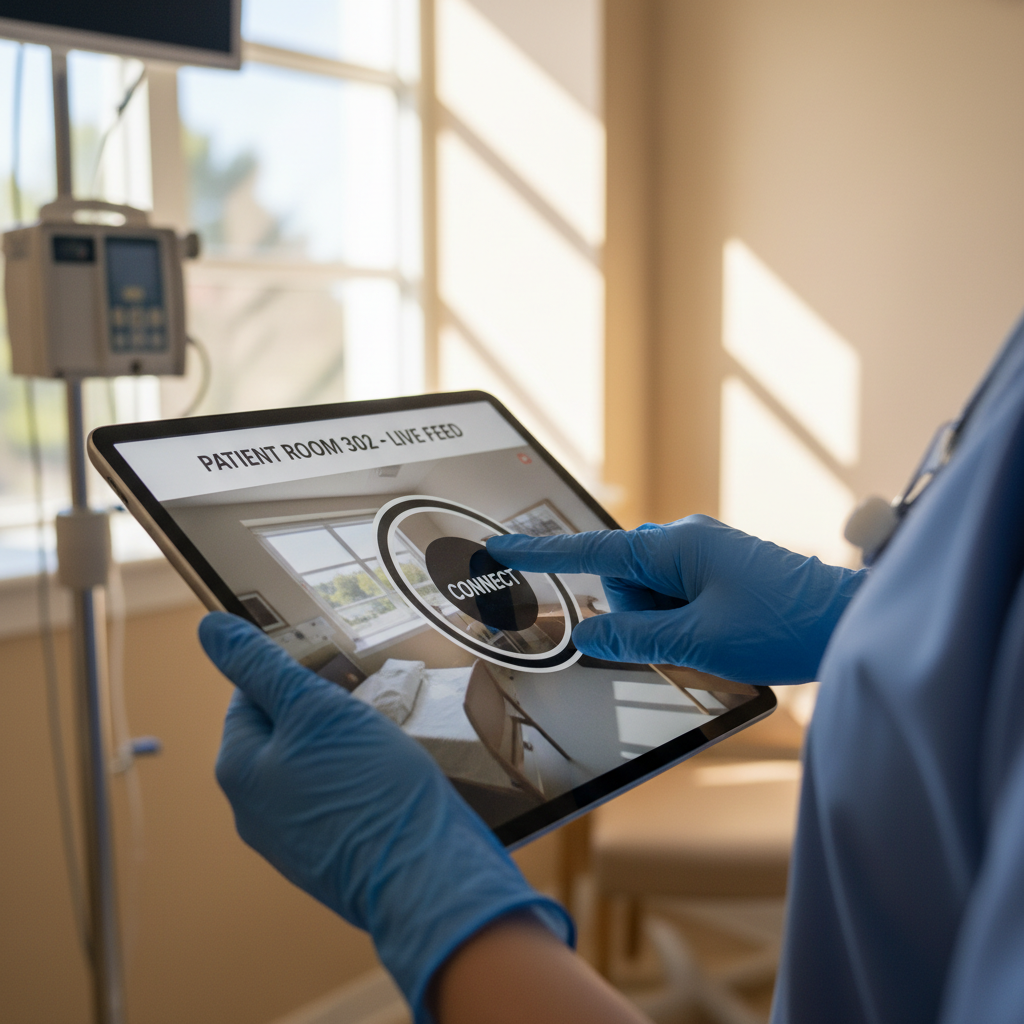
While the TGA focuses on clinical safety, the persistent collection of sensory data by robotic hardware brings these devices under the strict jurisdiction of the Privacy Act 1988 and the Australian Privacy Principles (APPs). Telepresence and security robots utilize high resolution cameras and sensitive microphones that naturally capture health information. Under the APPs, health information is classified as "sensitive information," which carries a significantly higher threshold for protection than standard personal data.
To maintain robotics compliance healthcare Australia, facility managers must conduct a formal Privacy Impact Assessment (PIA) before any robot is activated. This assessment maps the data lifecycle: from the moment a sensor detects a patient to the final deletion of that record. A critical decision point involves data residency. While cloud storage offers scalability, many Victorian facilities prefer local storage to ensure data does not leave Australian borders. Regardless of the storage model, encryption in transit using protocols like AES-256 is non-negotiable for any healthcare robotics solutions.
In Victoria, the Health Records Act 2001 adds another layer of responsibility, requiring providers to manage health data with a focus on transparency and security. At Exaptec, we ensure that custom software integration includes features like encrypted "blind" patrolling, where video is processed for navigation but never stored, or role-based access controls for telepresence. These measures ensure that the introduction of autonomous technology supports clinical outcomes without compromising the legal and ethical privacy obligations required by Australian law.
Work Health and Safety Standards for Autonomous Mobile Robots

Beyond data security, the physical presence of healthcare robotics solutions in shared corridors introduces immediate Work Health and Safety (WHS) obligations. In Australia, the primary international benchmark for these devices is ISO 13482, which specifies safety requirements for personal care robots, including mobile servant robots. Compliance with this standard is essential to ensure that an AMR can safely navigate around unpredictable human movements, wheelchairs, and medical equipment.
Australian WHS laws require facility managers to eliminate or minimize risks to health and safety so far as is reasonably practicable. Achieving robotics compliance healthcare Australia involves a rigorous assessment of the robot’s physical interaction with the environment. This includes verifying sensor redundancy; a robot must utilize a combination of LiDAR, 3D depth cameras, and ultrasonic sensors to detect glass partitions, low-profile hospital bed frames, or hanging hazards that a single sensor might miss. These redundant systems prevent collisions in busy hospital corridors where floor-level obstacles are common.
Physical hardware specifications are equally critical. Facility managers must review floor load limits, particularly in older Victorian clinical settings, to ensure that heavy delivery robots do not compromise structural integrity. Furthermore, emergency stop (E-stop) buttons must be highly visible and physically accessible to both staff and visitors. At Exaptec, our custom software integration includes the configuration of safety zones and speed caps in high-traffic areas. This technical setup, paired with staff training and support, ensures that the transition to autonomous fleets does not introduce new physical hazards into the workplace.
Compliance with Aged Care Quality Standards
Implementing healthcare robotics solutions in an aged care setting requires strict alignment with the Aged Care Quality Standards, specifically Standard 3 (Personal Care and Clinical Care) and Standard 8 (Organisational Governance). Standard 3 mandates that care is safe, right for the consumer, and optimizes health and well-being. To meet this, robotics must be integrated in a way that respects a resident’s dignity. For example, a robot performing night-time safety patrols should be programmed via custom software integration to use non-intrusive sensors or provide audible alerts before entering a private room, ensuring the technology feels like a supportive presence rather than a surveillance tool.
Under Standard 8, the facility’s governing body is ultimately accountable for the safety and quality of care delivered through these technologies. This means robotics compliance healthcare Australia involves robust risk management frameworks that monitor the robot’s impact on resident outcomes. Governance must include documented staff training and support to ensure care teams understand how to manage autonomous systems without infringing on a resident’s right to privacy. Effective governance ensures that robotics provide objective data for clinical oversight while maintaining the ethical boundaries and autonomy essential to high-quality aged care in Victoria.
The Importance of Staff Training and Deployment Documentation
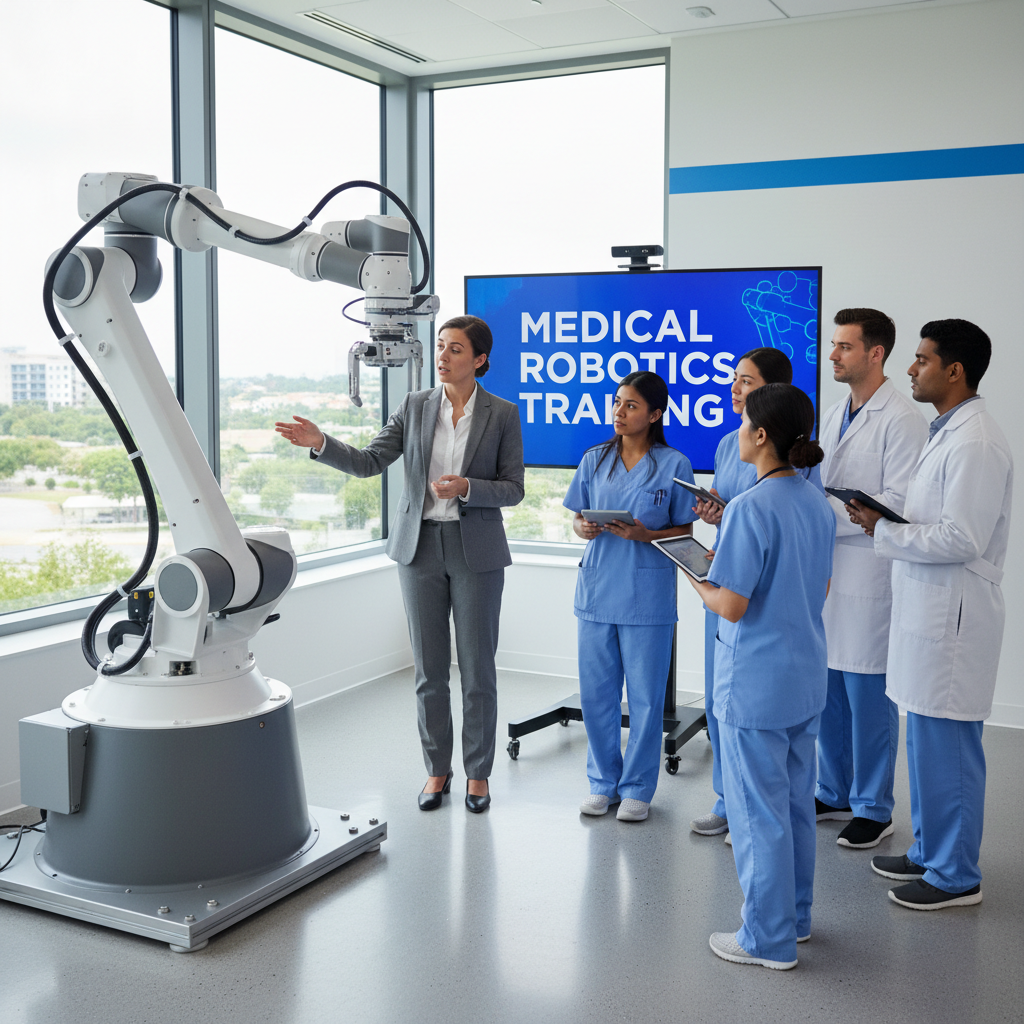
While governance frameworks establish expectations, operational robotics compliance healthcare Australia is ultimately determined by the competency of frontline staff. Regulatory bodies, such as WorkSafe Victoria and the Aged Care Quality and Safety Commission, require documented evidence that employees can safely interact with autonomous systems. This documentation serves as a critical risk mitigation tool, proving that the facility has taken proactive steps to prevent workplace injuries or care standard breaches.
To maintain a compliant environment, facilities must move beyond informal orientations. A robust compliance trail includes two key documents:
Documentation Type | Key Components | Purpose |
|---|---|---|
Deployment Log | Pre-start sensor checks, path audits, battery cycle status | Proactive daily safety verification and maintenance |
Incident Report | Event timestamp, software state, sensor logs, resident reaction | Post-event analysis and mandatory regulatory reporting |
At Exaptec, we provide hands on staff training and support for Melbourne healthcare teams to ensure these protocols become second nature. Our training covers manual override procedures, emergency stop locations, and the interpretation of custom software integration alerts. By educating staff on the nuances of healthcare robotics solutions, we help facilities transform high tech hardware into a safe, integrated component of the clinical team.
A Checklist for Compliant Robotics Integration
Systematic preparation is essential for maintaining robotics compliance healthcare Australia. Facility managers should utilize the following checklist to ensure every deployment of healthcare robotics solutions meets Victorian and national regulatory requirements:
Confirm Regulatory Status: Formally verify if the robot requires TGA registration based on its clinical intended purpose or if it remains a service robot.
Perform Physical Audits: Assess floor gradients, sensor clearance for low profile hospital beds, and emergency stop visibility in high traffic zones.
Review Data Security: Ensure custom software integration includes end to end encryption and adheres to the Health Records Act 2001 regarding local data residency.
Document Training: Maintain updated logs of staff training and support to demonstrate operational competency for WorkSafe Victoria audits.
Establish Maintenance Cycles: Schedule monthly sensor calibrations, battery stress tests, and path safety reviews.