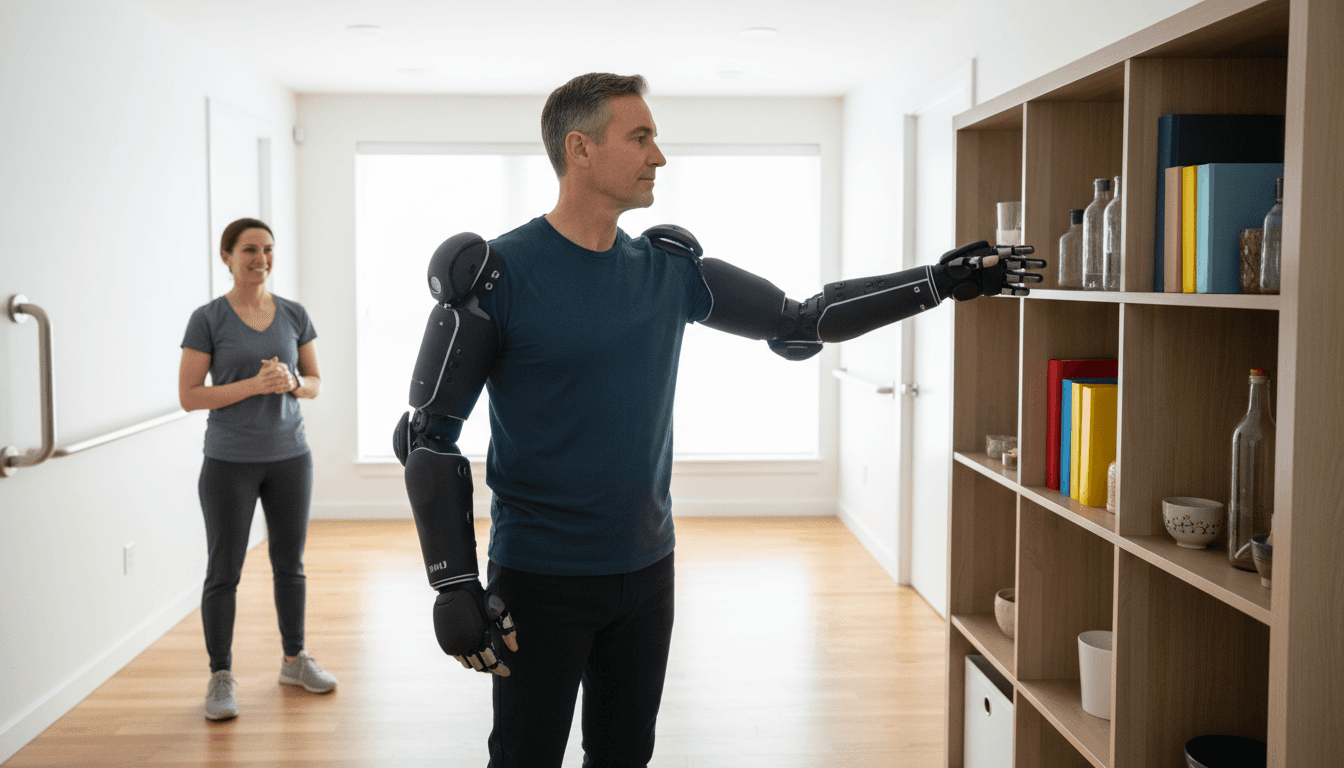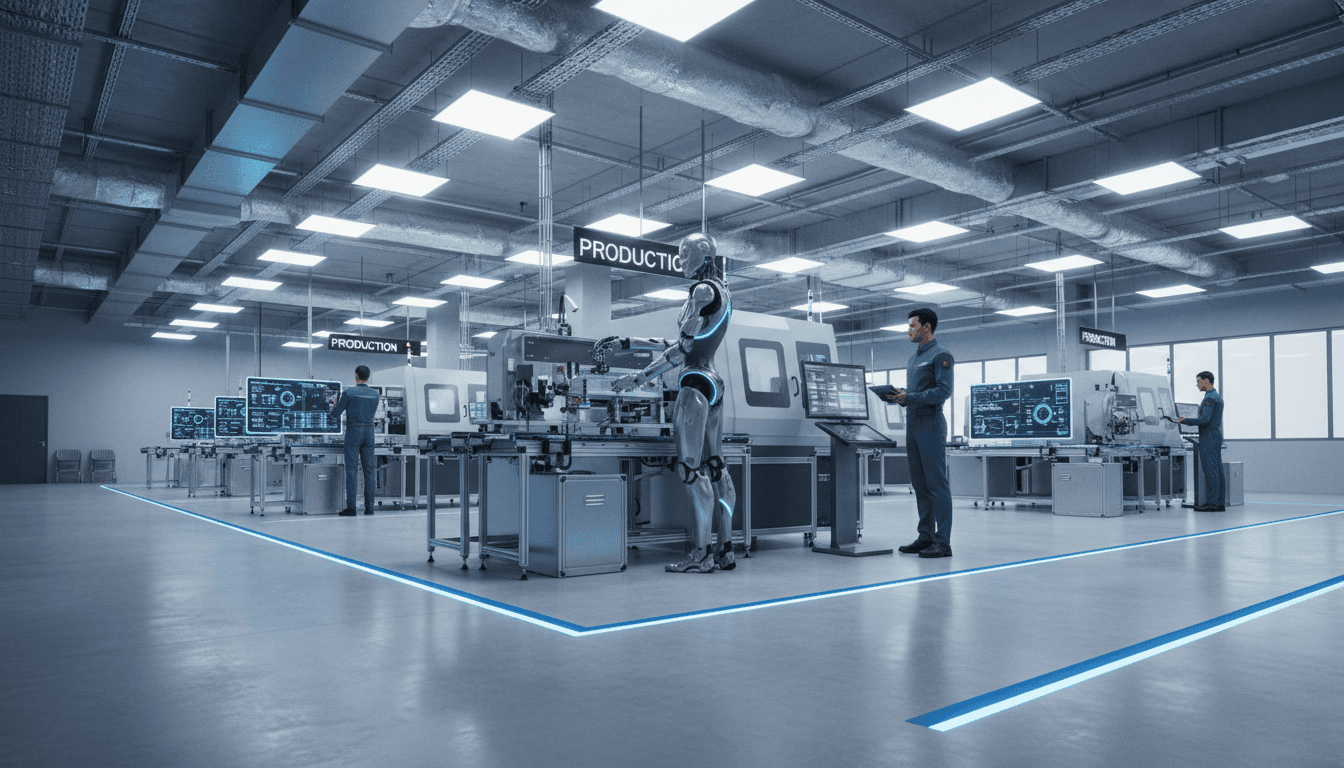
Aged care robots Australia are increasingly being integrated into residential facilities to manage critical tasks like fall detection, prevention, and physical assistance through AI-powered exoskeletons. This technological shift is expected to boom by 2026 and 2027; it aims to reduce workplace injuries for carers while significantly enhancing the daily quality of life for elderly residents.
Facility leaders across Australia are facing a dual crisis of acute staffing shortages and tightening regulatory standards under the new Aged Care Act. Managing high quality resident care while maintaining operational viability is becoming increasingly difficult as the traditional labor model nears its breaking point. Robotics is no longer a peripheral experiment. It is a critical strategic lever for forward thinking providers. This opportunity scan evaluates the robotics landscape for 2026 and 2027, providing a practical roadmap for integrating advanced technology into daily operations. You will explore specific applications for fall detection and social engagement, strategies for navigating current compliance requirements, and a clear framework for measuring return on investment. By moving beyond the novelty of humanoid machines, your facility can leverage hardware and software to ensure long term sustainability in an evolving market.
The State of Robotics in Australian Aged Care: A 2026, 2027 Outlook
Australia is currently navigating a significant technological shift within the residential care sector. Recent ABC investigations have highlighted a rapid AI boom, signaling that the industry is moving decisively past the fragmented pilot programs of the early 2020s. As facility leaders plan their capital expenditure for the coming years, the implementation of aged care robots Australia wide has transitioned from a series of experimental trials to a standard component of facility modernization.
The primary difference between the landscape in 2024 and the projected environment for 2026 and 2027 is the move toward standardization. While previous years focused on testing feasibility, the current phase prioritizes custom software integration and regulatory compliance support to ensure these assets communicate effectively with existing clinical workflows and meet national standards.
Public discourse often centers on the fear of machines replacing human staff, but the operational reality is focused on augmentation and safety. Peak bodies like Ageing Australia emphasize that these technologies are tools to reduce the physical burden on carers, particularly through AI powered monitoring and mobility support. By automating routine security patrols and fall detection, facilities can reallocate human resources to complex clinical care and emotional support, addressing both the workforce shortage and the need for higher safety standards.
Practical Applications: Fall Detection, Social Companions, and Security
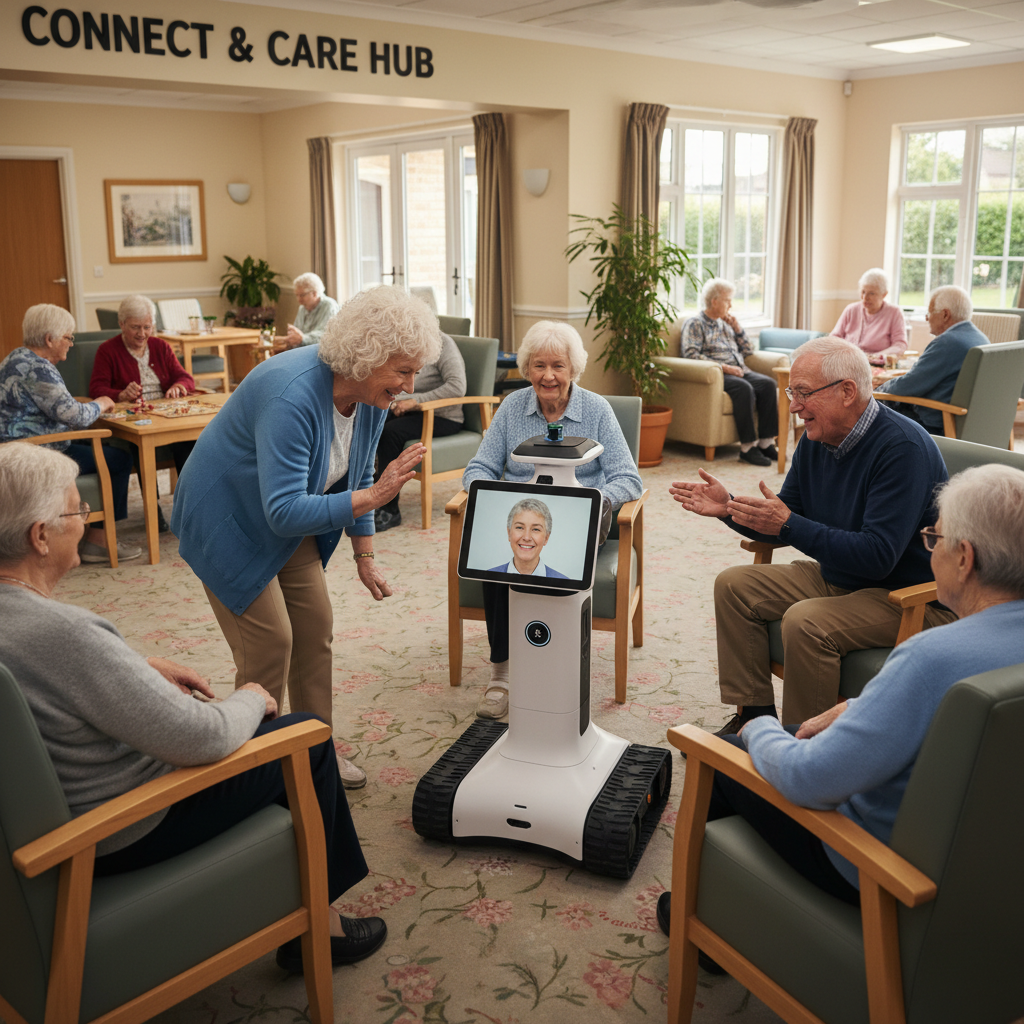
The transition from general trends to floor-level application requires a focus on three distinct operational categories where aged care robots Australia wide are delivering measurable utility. These applications focus on high-risk monitoring, cognitive engagement, and physical oversight.
First, fall detection has evolved from reactive pendants to proactive ambient sensing. Advanced LiDAR and mmWave radar systems monitor room dynamics in real-time without the privacy concerns inherent to traditional cameras. These sensors identify the specific skeletal posturing associated with a fall or an unusual period of inactivity, triggering an immediate alert to the care team. By identifying near-misses or slow descents, these systems provide data that helps clinicians adjust care plans before a catastrophic injury occurs.
Second, social companion robots serve as a vital tool in dementia care and social isolation mitigation. When facility managers ask about the best robot companions, the answer depends on the therapeutic goal. While bio-mimetic robots provide sensory comfort for residents with advanced cognitive decline, mobile telepresence units found in the Exaptec robotics portfolio facilitate meaningful, high-definition face-to-face interaction between residents and distant family members. These tools reduce the cognitive load on lifestyle coordinators by providing consistent, on-demand engagement options.
Third, autonomous security patrols streamline facility inspections during low-staffing hours. Mobile robots equipped with thermal imaging and environmental sensors can traverse corridors to identify water leaks, open fire doors, or residents wandering in restricted zones.
The critical differentiator in a professional deployment is connectivity. These platforms should never operate in a vacuum. Through custom software integration, Exaptec bridges the gap between the hardware and your existing infrastructure. This ensures that a fall detection sensor or a security robot does not just trigger a localized alarm; it communicates directly with your facility’s specific nurse call system and staff mobile handsets, turning raw data into actionable clinical intelligence.
Navigating the New Aged Care Act and Regulatory Compliance

Integrating aged care robots Australia wide requires a shift from viewing technology as a standalone tool to seeing it as a core component of a regulated care environment. The New Aged Care Act places a renewed emphasis on resident rights, specifically concerning privacy, dignity, and autonomy. For facility leaders, this means ensuring that any autonomous system, whether it is a mobile telepresence unit from the Exaptec robotics portfolio or an ambient fall sensor, does not infringe upon the personal space of the resident. Systems must be configured to provide high-level assistance without creating a sense of invasive surveillance.
Data security is the cornerstone of this compliance. AI-powered monitoring systems process vast amounts of behavioral data to identify risks. To meet Australian standards, this information must be encrypted at rest and in transit, with strict access controls to ensure only authorized clinical staff can view alerts or logs. As part of our regulatory compliance support, Exaptec conducts thorough audits of how robotics hardware interacts with your facility’s local network. We ensure that data handling protocols align with both the Aged Care Quality Standards and the Australian Privacy Principles, protecting the facility from the risks of data breaches.
Beyond digital data, the physical integration of robots must be managed to meet occupational health and safety codes. This involves ensuring autonomous paths do not obstruct fire exits and that sensors are calibrated to detect and avoid residents using walkers or wheelchairs. Through custom software integration, we help facilities map these robots into their existing Risk Management Frameworks. This proactive approach ensures that technology deployment is a documented, compliant enhancement to care rather than a regulatory liability.
The Integration Roadmap: Software, Hardware, and Staff Training
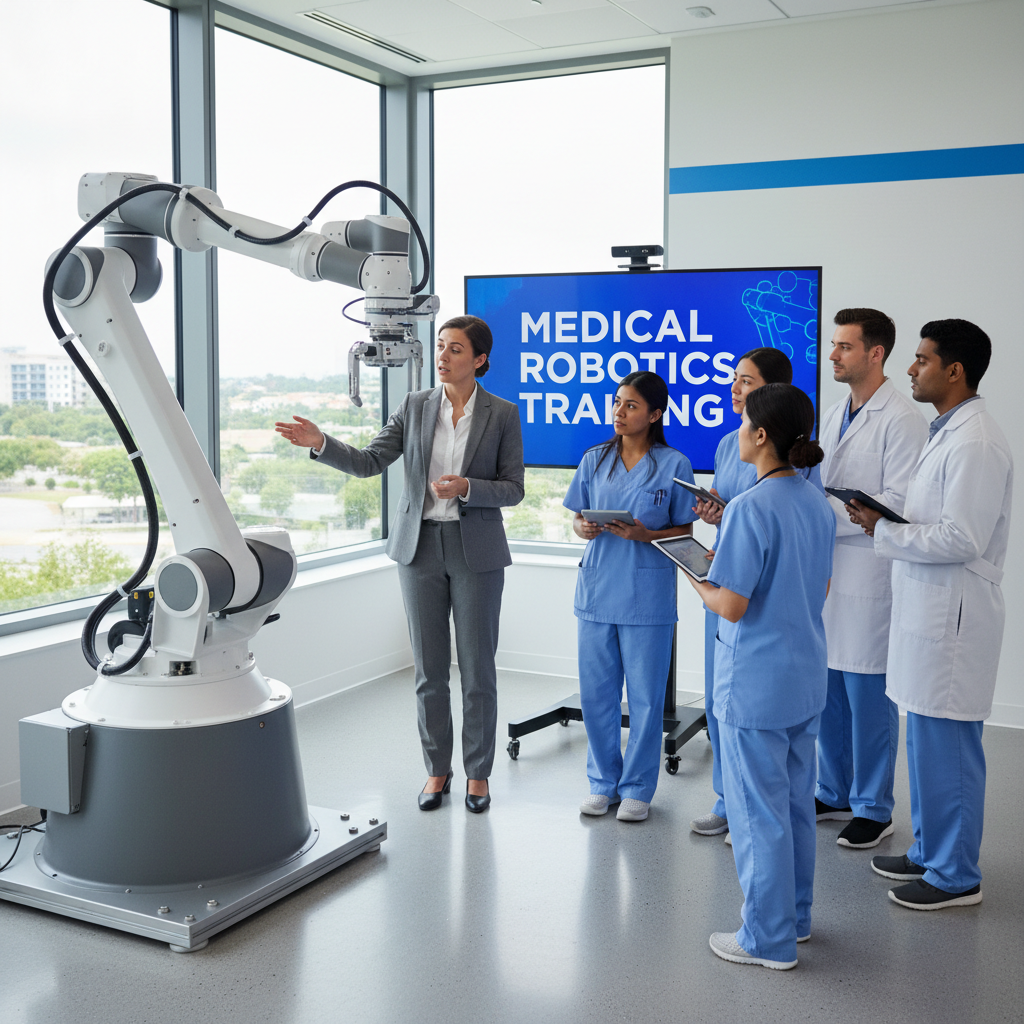
Successfully deploying aged care robots Australia wide involves far more than an initial capital purchase. In professional settings, procurement accounts for roughly 20 percent of the implementation process; the remaining 80 percent consists of technical orchestration and cultural readiness. A robot remains an isolated device unless it can communicate effectively with your specific digital ecosystem.
Effective deployment requires custom software integration to link autonomous units with internal Wi-Fi meshes, hospital-grade nurse call systems, and Electronic Medication Administration Records (eMAR). Without this bridge, staff are forced to monitor a secondary dashboard, which creates friction rather than efficiency. Integration ensures that a robot identifying a resident in an unauthorized zone or detecting a liquid spill sends a direct notification to the relevant staff member's existing handheld device.
Integration Phase | Core Objective | Primary Deliverable |
|---|---|---|
Network Audit | Connectivity verification | Signal strength heatmaps and VLAN isolation |
Systems Integration | Cross-platform communication | API links to Nurse Call and Incident Reporting |
Ergonomic Training | Physical strain reduction | Competency sign-off on assistive robotics |
The hardware transition also necessitates a strategy for technostress, a documented phenomenon where carers feel overwhelmed by new digital interfaces. Training must move beyond basic operation to focus on the ergonomic benefits of these systems. For instance, the rise of AI powered exoskeletons in the sector demonstrates how robotics can mitigate repetitive strain injuries during resident transfers and heavy lifting.
When carers view these machines as sophisticated tools designed to protect their physical longevity, the narrative shifts from job replacement to career sustainability. Through regulatory compliance support, Exaptec helps facilities develop these training protocols, ensuring staff feel empowered to supervise the technology rather than compete with it. A successful roadmap concludes only when the Exaptec robotics portfolio is viewed by the clinical team as an essential, invisible partner in daily care delivery.
Evaluating ROI: Beyond the Cost of a Humanoid Elderly Care Robot

Direct assessment of ROI begins with answering the prevalent question: what is the actual cost of a humanoid elderly care robot? While sophisticated humanoid units typically range from $30,000 to $150,000, focusing solely on the sticker price obscures the true fiscal impact. For Australian providers, the return on investment is measured through labor redirection, injury prevention, and enhanced service quality.
Operational savings become apparent when calculating the hours saved on routine tasks. An autonomous unit performing scheduled security patrols or environmental checks can reclaim approximately 10 to 14 hours of staff time per week. This allows nursing staff to remain focused on high-acuity clinical needs. Furthermore, the integration of mobility aids and exoskeletons addresses the significant financial burden of workers compensation. With back injuries remaining a leading cause of staff turnover in Australian aged care, reducing a single major injury claim can save a facility upwards of $50,000 in direct and indirect costs.
ROI Factor | Economic Impact Area | Primary Benefit |
|---|---|---|
Autonomous Patrols | Labor hours | Redirection of 500+ staff hours annually |
Telepresence | Resident satisfaction | Reduced social isolation and family anxiety |
Physical Assistance | Insurance premiums | Lowered risk of musculoskeletal strain claims |
Automated Alerts | Incident response | Mitigation of high-cost fall complications |
Total cost of ownership for aged care robots Australia must account for the local landscape. This includes specialized custom software integration to ensure long term interoperability and regulatory compliance support as standards evolve. By selecting systems from the Exaptec robotics portfolio, facilities ensure they are investing in platforms with established Australian support structures, covering essential software updates and preventative maintenance rather than facing the high costs of unsupported international hardware.
Future Proofing Your Facility for 2027 and Beyond
Preparing for the 2027 landscape requires proactive physical and digital site preparation. Facility leaders should prioritize a comprehensive infrastructure audit, specifically targeting Wi-Fi dead zones in concrete-heavy wings or elevator lobbies where signal dropouts frequently cause autonomous navigation failures. A robot is only as capable as the network it traverses. Simultaneously, mapping high-risk fall areas and zones with limited staff visibility allows for a targeted deployment of hardware from the Exaptec robotics portfolio, ensuring sensors are placed where they provide the highest clinical value.
Building a culture of innovation is equally vital. This involves moving beyond reactive technology purchases toward a cohesive strategy where staff are involved in the trial phases. As a Melbourne based specialist integrator, Exaptec provides the localized expertise needed to bridge the gap between complex hardware and daily aged care operations. By providing custom software integration and ongoing regulatory compliance support, we ensure that your facility is not just buying a machine, but building a resilient, future proofed ecosystem. Transitioning now ensures that when aged care robots Australia wide become the industry baseline, your facility already possesses the technical maturity to lead the market.
The upcoming years represent a pivotal window for aged care leaders to adopt robotics that truly support staff and residents. Navigating this shift requires a balance of technical insight and practical strategy; ensuring your facility is prepared for 2027 and beyond. If you want expert help determining which robotic solutions align with your specific care goals, you can learn more about our approach to automation. We focus on providing the guidance necessary to turn these emerging technologies into reliable tools for your daily operations.