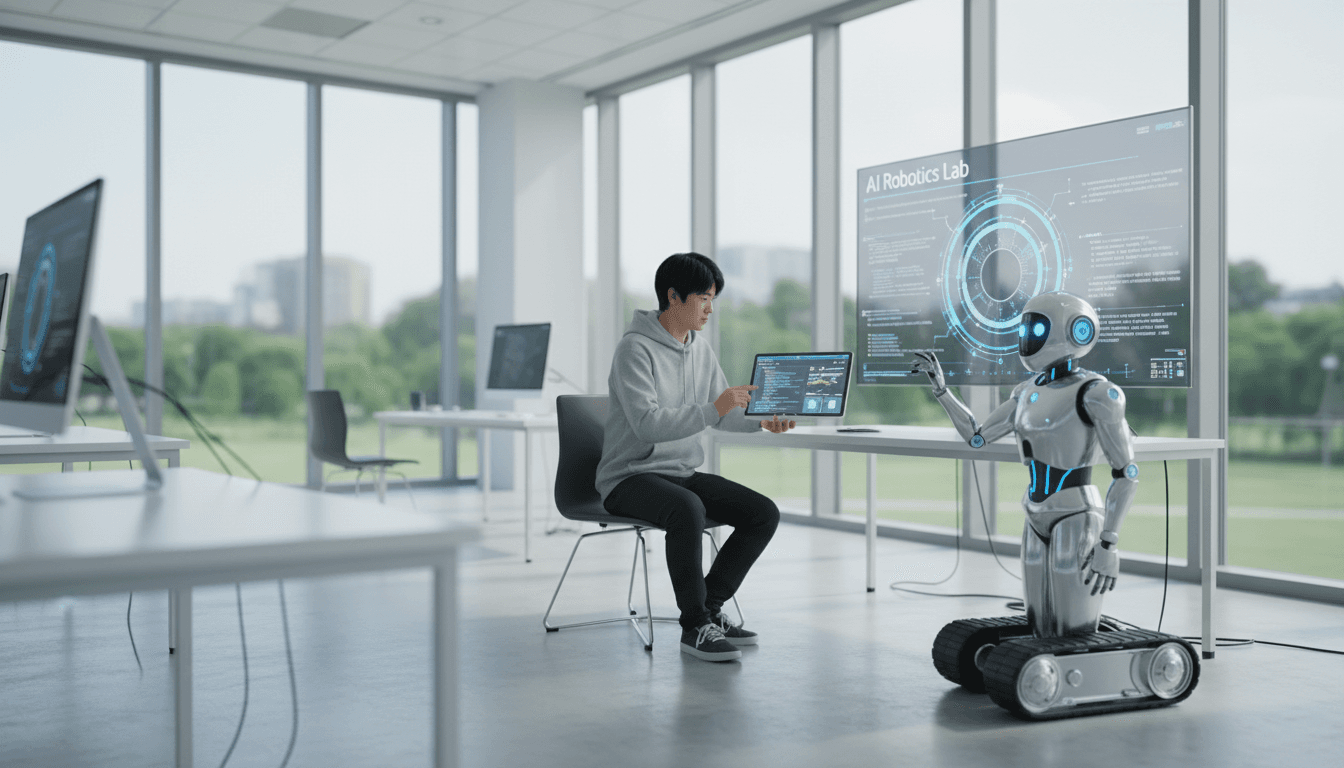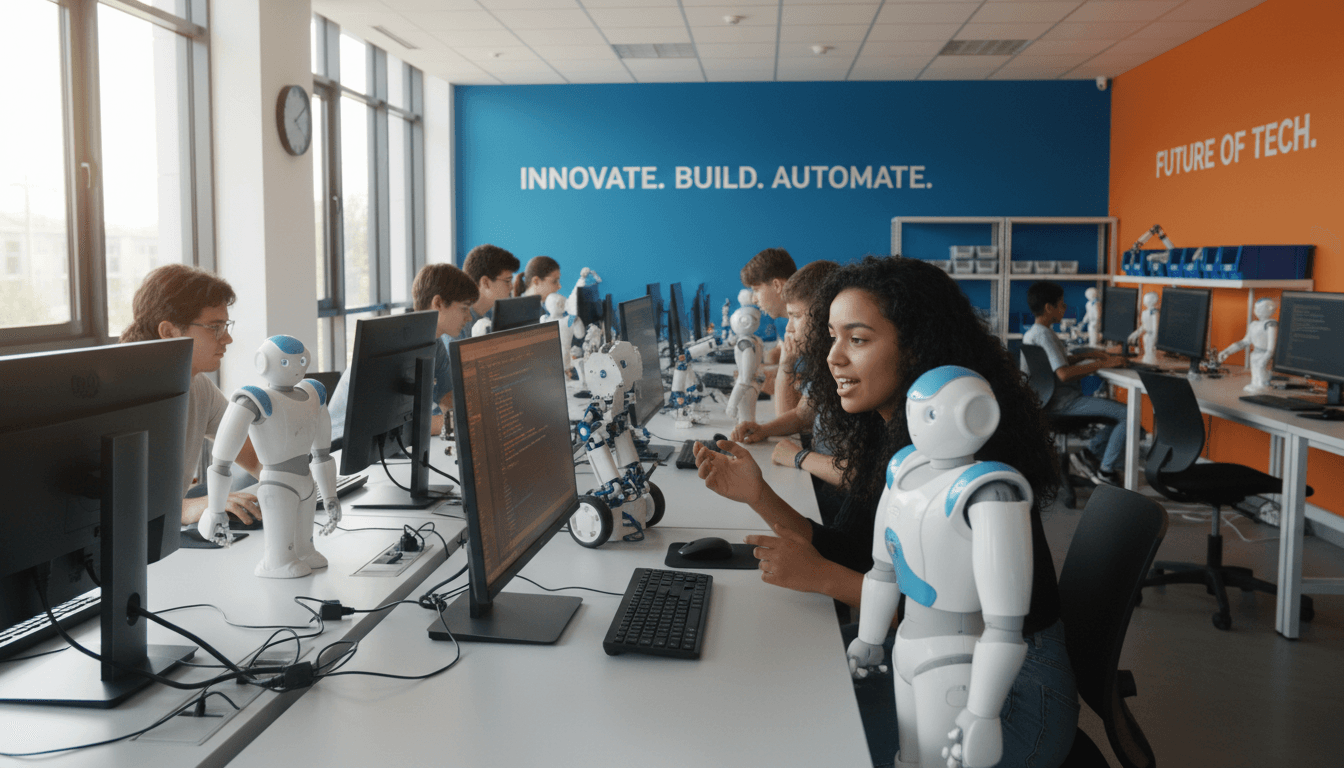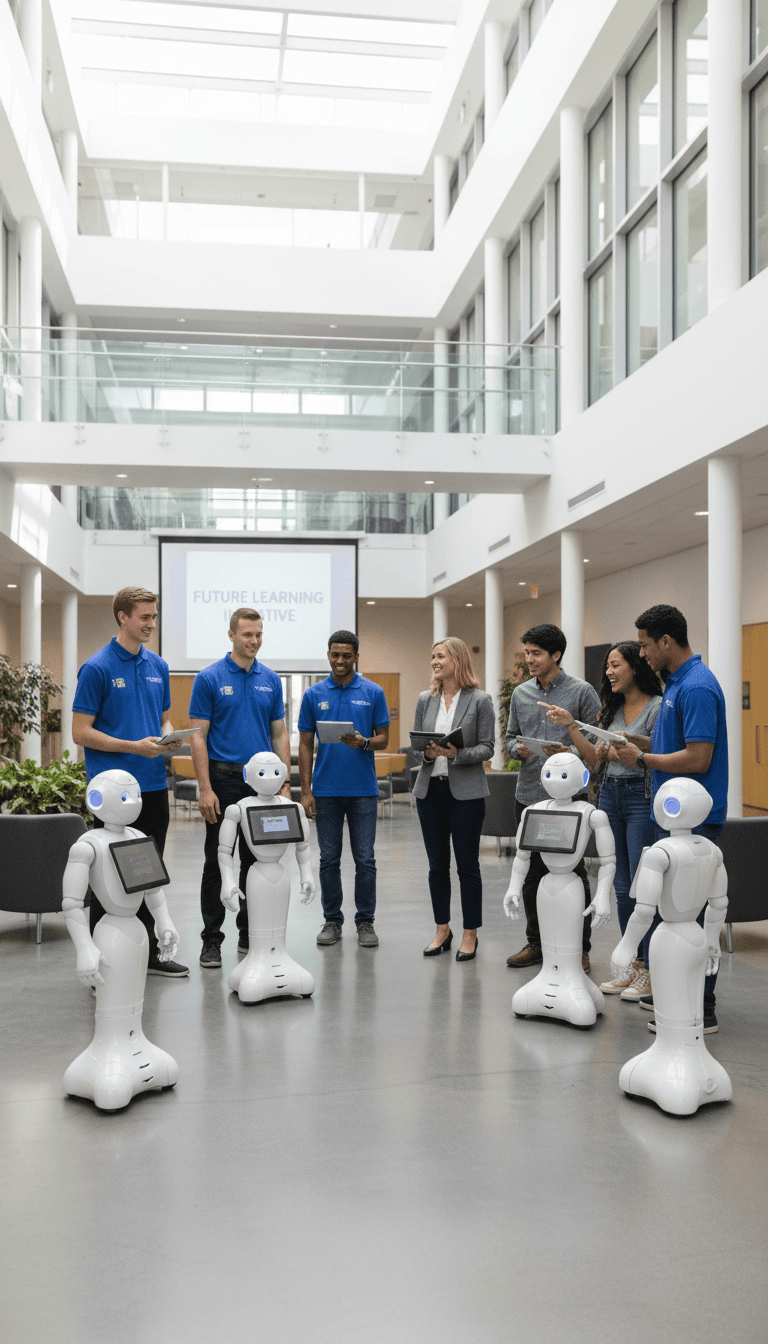
Establishing effective campus security automation privacy trust Australia requires schools to implement privacy by design frameworks that comply with strict government safety standards. Educational institutions must balance AI surveillance technologies, such as facial recognition, with transparent governance to address public concerns and federal warnings regarding student data protection. Building this trust depends on prioritizing ethical child safety protocols over invasive monitoring practices.
Managing the security of an Australian educational campus requires a delicate balance between physical safety and the privacy of students. Many administrators face a growing dilemma where the promise of automation meets the scrutiny of strict data protection laws. As schools integrate robotics and AI to monitor vast grounds, the risk of eroding community trust becomes a significant hurdle. This tension is particularly acute under the evolving Australian Children’s Online Privacy Code; this code demands rigorous governance for any technology interacting with minors. In this article, we examine how schools can bridge this gap through ethical automation strategies. You will learn about privacy-first security solutions that bypass intrusive facial recognition, the essential role of human oversight, and how to build a governance framework that ensures compliance without sacrificing return on investment.
The Trust Gap in Australian Campus Security Automation
The National Student Safety Survey recently highlighted a critical need for enhanced security measures across Australian tertiary institutions, reporting concerning rates of safety incidents and harassment. While the data suggests a clear mandate for better protection, schools and universities face a significant hurdle: public skepticism regarding invasive surveillance. The backlash at the University of Sydney, where students and staff compared proposed monitoring expansions to Orwellian '1984' scenarios, illustrates the local sensitivity surrounding privacy. For institutions ranging from RMIT in Melbourne to regional primary schools, navigating this tension is essential for any modern technological upgrade.
Establishing a foundation for campus security automation privacy trust Australia requires moving away from the perception of 'big brother' technology. When security measures feel like clandestine monitoring, they inevitably fail the community test. This is where Exaptec's robotics expertise differentiates the role of automation. Rather than deploying robots as 'spying' devices, we frame them as proactive facility support tools designed to maintain the physical integrity of the environment.
Through custom software integration, robots can be programmed to perform visible, utilitarian tasks that benefit the entire campus community. This includes identifying fire hazards, verifying that emergency exits are unobstructed, or providing a mobile, well lit presence during late night library hours. When a robot is clearly integrated into the facility's operational health, it ceases to be an invasive observer and becomes a valuable part of the campus support ecosystem. This transition from surveillance to service is the only viable path to closing the trust gap and ensuring safety initiatives align with the open, democratic values of Australian education.
Navigating the Australian Childrens Online Privacy Code and Physical AI

Transitioning from high level trust to operational reality requires a deep dive into the regulatory landscape, particularly the Australian Children’s Online Privacy Code and the Privacy Act 1988. While these frameworks often focus on web based platforms, physical AI units are mobile data collection endpoints. When a robot traverses a school courtyard, its LiDAR, thermal sensors, and optical cameras gather data that could potentially identify minors. To maintain campus security automation privacy trust Australia, institutions must ensure that their deployment strategies prioritise the 'best interests of the child,' a core pillar of the OAIC’s recent guidance.
Legal and ethical boundaries are most rigid regarding sensitive areas such as school bathrooms, changing rooms, and childcare sleep zones. In all Australian jurisdictions, the use of recording devices in these spaces is strictly prohibited and carries significant criminal penalties. Autonomous robots do not get a pass on these laws. Compliance is achieved through geofencing and hardcoded 'no-go' zones. By using high precision mapping, we ensure a robot is physically incapable of entering these sensitive perimeters. If a route requires passage near a sensitive area, the robot can be programmed to engage physical privacy shutters or digital masking that blacks out specific fields of vision in real time.
Exaptec's robotics expertise focuses on implementing these safeguards at the hardware and software levels. Through custom software integration, we help schools define 'privacy bubbles' where data collection is automatically suspended. This ensures that the robot’s utility in monitoring perimeter fences or fire exits never compromises student dignity in private spaces. Implementing these technical barriers is not merely a box ticking exercise; it is a fundamental requirement for operating physical AI in an educational setting. For specific guidance on mapping your facility for compliant robot paths, you can contact our integration specialists to discuss tailored safety protocols.
Moving Beyond Facial Recognition: Privacy First Security Solutions
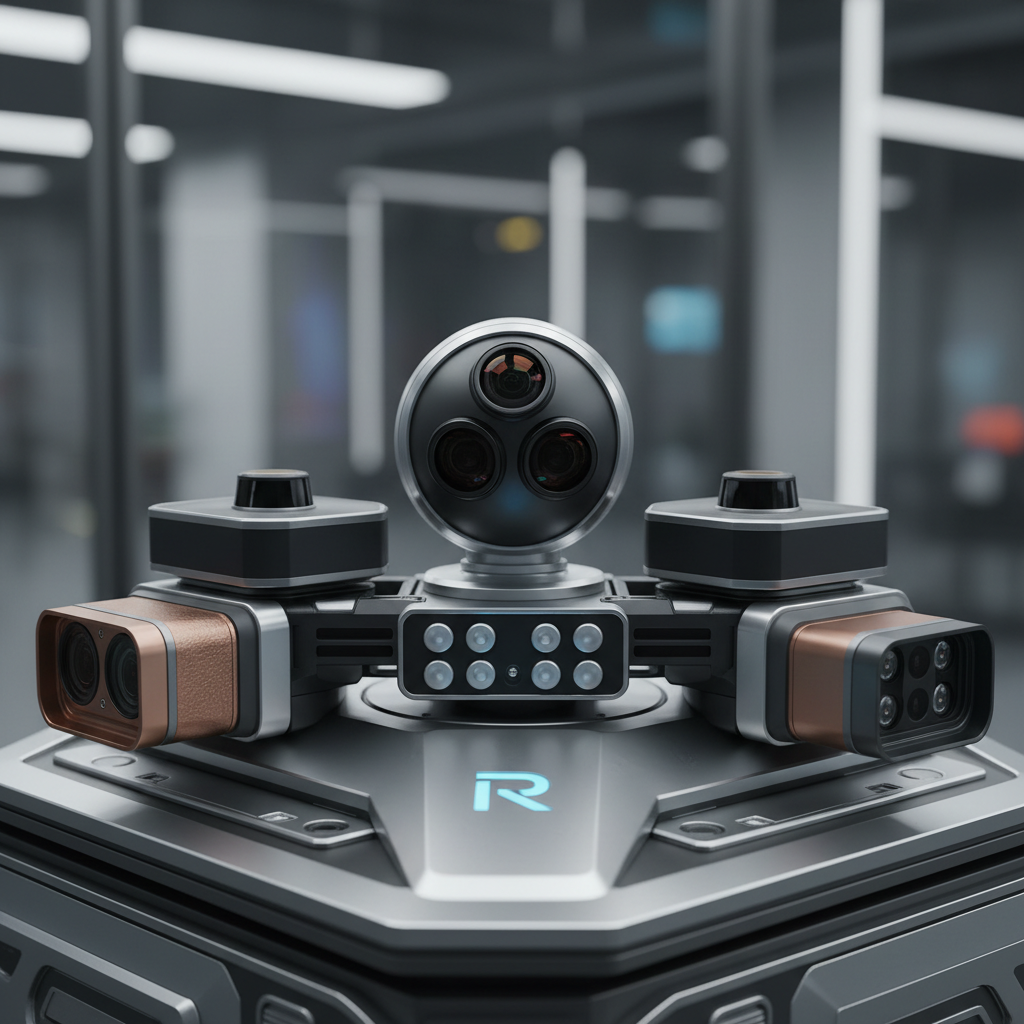
The debate over biometric surveillance has reached a fever pitch in Australia, with Electronic Frontiers Australia (EFA) and several Federal oversight bodies calling for strict bans or moratoriums on facial recognition in public spaces. In a school or university setting, the risks of creating a permanent biometric database of students often outweigh the security benefits. At Exaptec, we believe that maintaining campus security automation privacy trust Australia requires a shift away from identifying who a person is, focusing instead on what is happening.
Through custom software integration, we deploy alternative sensing technologies that provide high level security without storing individual identities. Our solutions focus on behavior and environmental anomalies, including:
Technology | Security Function | Privacy Advantage |
|---|---|---|
Thermal Anomaly Detection | Identifies fires, leaking pipes, or overheating server racks. | Does not capture identifiable facial features. |
Person-Down Alerts | Uses skeletal mapping to detect if a student or staff member has fallen. | Transmits an alert based on posture, not identity. |
Gait and Shape Analysis | Detects human presence in restricted areas after hours. | Identifies a human form without biometric identity storage. |
A cornerstone of Exaptec's robotics expertise is the implementation of Edge Processing. Unlike traditional CCTV that often streams raw footage to a central cloud server, our robots process data locally on their internal hardware. The AI analyzes the video feed for specific triggers, such as a person-down event, sends the alert, and immediately deletes the raw data. This process and purge workflow ensures that no sensitive imagery is ever stored or vulnerable to external breaches. If you are looking to replace intrusive cameras with privacy-first sensors, you can contact our integration specialists to audit your current security hardware.
The Human in the Loop: Why Robots Wont Replace Australian Security Guards
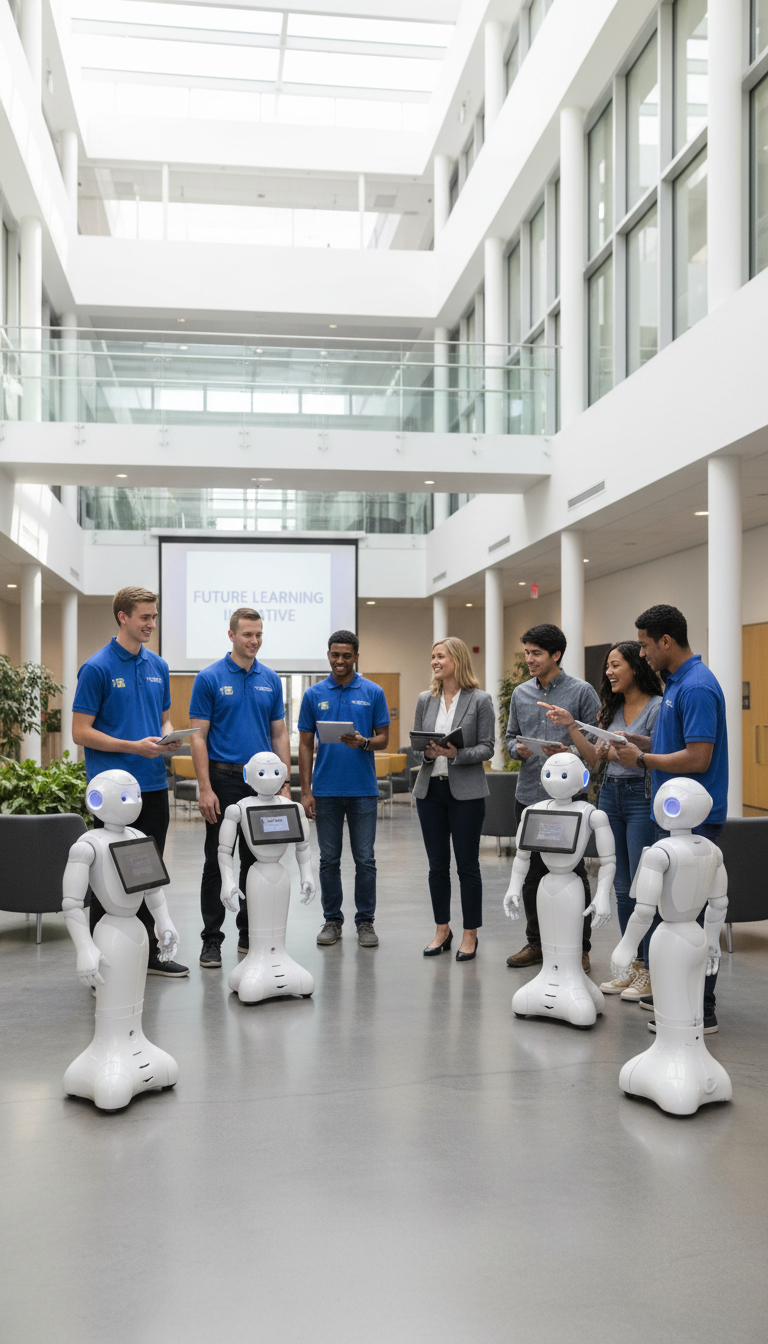
The most frequent question we encounter when discussing automation in Australian education is: "Will robots replace security guards?" The short answer is no. Robotics is not about headcount reduction; it is about workforce augmentation. By adopting a hybrid model, institutions can delegate the "3 Ds" (Dull, Dirty, and Dangerous) to autonomous systems. A robot is the ideal candidate for a 2:00 AM perimeter patrol across a sprawling university campus in the middle of a Melbourne winter. It does not get fatigued, it provides consistent data, and it keeps human personnel out of potentially hazardous or isolated situations.
When robots handle these repetitive tasks, human guards are freed to focus on high value activities like de-escalation, student welfare checks, and emergency response. This human-centric approach is vital for maintaining campus security automation privacy trust Australia. Students and staff are far more likely to accept technology when they see it as a tool that allows security personnel to be more present and approachable. Through custom software integration, we ensure the robot acts as a force multiplier, providing real-time environmental data to the human team. By leveraging Exaptec's robotics expertise, schools can design workflows where technology supports the staff, ensuring the campus remains a welcoming, human-first environment. If you are looking to redefine your facility's safety strategy, contact our integration specialists to discuss how a hybrid human-robot team can work for you.
Governance Frameworks for Security Robots in Australian Education
Successfully managing a hybrid security workforce requires more than just operational logic; it demands a robust administrative backbone. To sustain campus security automation privacy trust Australia, school boards and facility managers must establish clear governance frameworks before the first autonomous unit is unboxed. This oversight ensures that technological benefits are not overshadowed by regulatory failures or community pushback.
Effective governance starts with a proactive compliance checklist:
Community Transparency: Notification is non-negotiable. Schools should provide clear signage and briefings for parents and students explaining the robot's specific duties, operating hours, and data collection limitations. This removes the 'mystery' that often leads to privacy concerns.
Data Sovereignty: To comply with the Privacy Act and state-based education department guidelines, all captured data must reside on Australian soil. This prevents exposure to foreign jurisdictions and ensures the institution maintains total control over sensitive student information.
Ethical Impact Assessments: Boards should conduct a formal review of how the robot alters the social fabric of the campus. This includes evaluating potential bias in detection algorithms and ensuring the automation supports, rather than detracts from, a welcoming learning environment.
Developing these frameworks is a collaborative process. Exaptec's robotics expertise extends beyond the hardware; we provide the regulatory compliance support necessary to align your deployment with Australian standards. This includes custom software integration to enforce data residency rules and comprehensive staff training to manage the system's output. We ensure that facility managers are equipped to handle the data lifecycle and communicate the technology's benefits to their stakeholders effectively. For institutions seeking to build a defensible and ethical security roadmap, you can contact our integration specialists to begin a formal policy audit.
Cost versus Compliance: The ROI of Ethical Campus Automation
A high-quality autonomous security robot typically costs between $40,000 and $120,000, depending on the sensor payload and ongoing service requirements. While the sticker price is a common starting point for school boards, the true return on investment is measured through risk mitigation. A robot that identifies a localized electrical fire in a server room or detects an unauthorized intruder before property damage occurs provides a financial save that quickly offsets the initial capital expenditure.
To maintain campus security automation privacy trust Australia, institutions must view privacy governance as a core component of this investment. Cutting corners on data sovereignty or ethical transparency leads to reputation costs that are far more expensive than the technology itself. A single privacy breach can erode community confidence and lead to costly legal challenges. Leveraging Exaptec's robotics expertise ensures that custom software integration includes the necessary compliance layers to avoid these liabilities. By prioritizing ethical deployment, schools protect their students and their budgets. Contact our integration specialists to receive a detailed cost-benefit analysis tailored to your campus infrastructure.
Effective campus security automation relies on the delicate balance between robust protection and strict privacy governance. By prioritizing child safety and transparency, schools can foster a culture of trust while embracing modern innovation. If you want expert help integrating these advanced systems into your educational environment, our team is ready to provide guidance. You can learn more about our mission to deliver safe, ethical robotics solutions that meet the unique needs of Australian institutions.