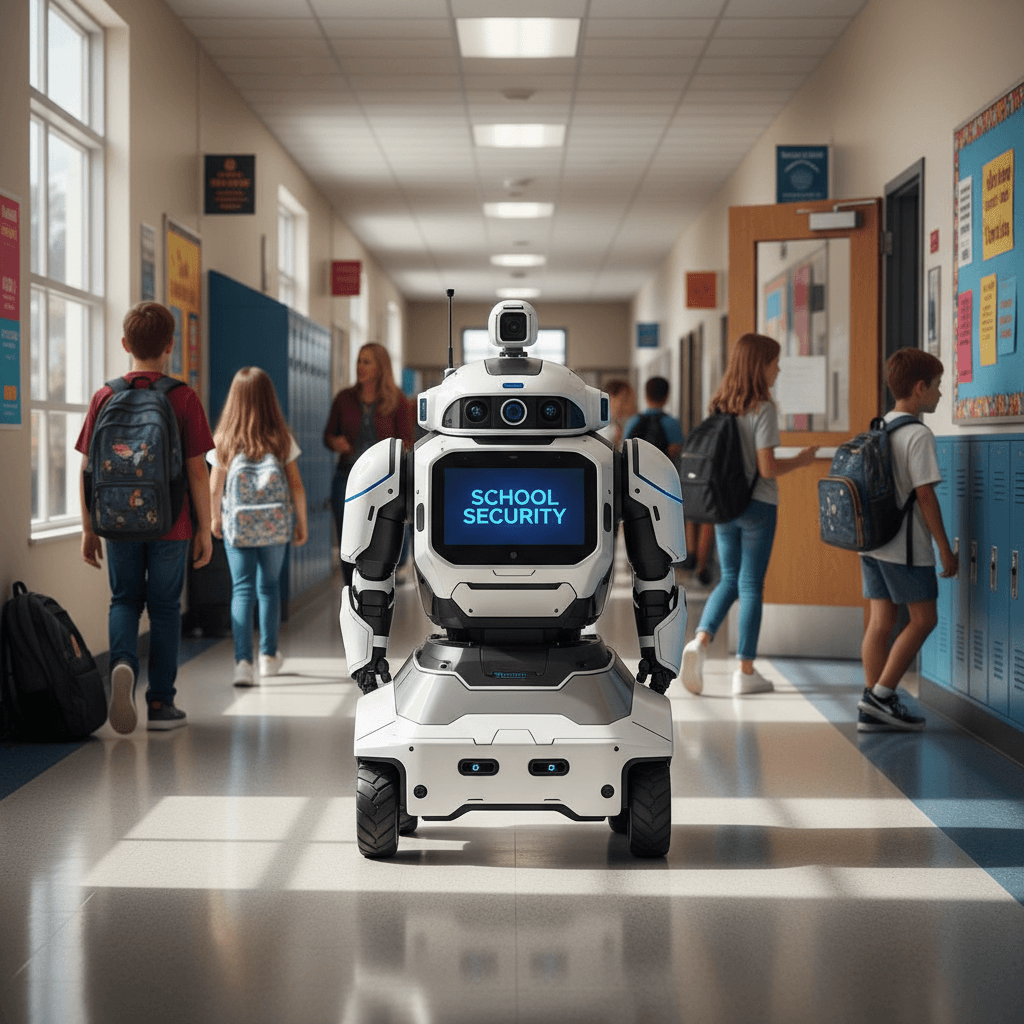
University security robots Australia provide a scalable solution for 24/7 campus monitoring by reducing operational security costs by up to 80 percent while enhancing real-time threat detection. These autonomous systems integrate AI and robotics to improve student safety; they offer a cost-effective alternative to traditional guarding and ensure consistent patrol coverage across educational facilities.
Managing a sprawling Australian university campus after hours presents a persistent challenge, as balancing rising operational costs with the non negotiable need for student safety often leaves security teams stretched thin. Traditional manned patrols are increasingly difficult to scale, particularly during late night shifts where visibility and response times are critical. At Exaptec, we recognize that the integration of autonomous security robots offers a sophisticated solution to these logistical hurdles. This guide explores the evolving landscape of Australian campus security for 2026, comparing the financial viability of robots against human guards. We will detail the four primary patrolling methods, address technical integration with existing infrastructure, and discuss how to maintain a welcoming student experience while ensuring robust, 24/7 surveillance compliance.
The Rise of Autonomous Campus Security in Australia for 2026
The Australian robotics market is expanding rapidly, with projections indicating it will reach a value of A$1.8 billion by 2026. This growth is driving a significant shift in how tertiary institutions manage physical safety. As universities work toward the benchmarks set by the 2026 National Student Safety Survey, there is an increasing recognition that traditional stationary CCTV is no longer sufficient. While fixed cameras provide forensic evidence after an event, they are inherently passive and limited by permanent blind spots.
To address these gaps, institutions are turning to autonomous mobile robots (AMRs) to provide proactive, mobile surveillance. The deployment of university security robots Australia-wide allows for a dynamic presence that stationary systems cannot replicate. These robots act as mobile sensor platforms, capable of identifying anomalies and providing real-time data to security teams.
In the Melbourne context, local institutions are leading the way by adopting sovereign AI capabilities. This focus ensures that data remains secure and compliant with Australian standards. By leveraging robotics integration in education, campuses can transition from reactive monitoring to a sophisticated, preventative safety model. Through custom software integration, these autonomous systems are linked directly to campus operations, providing a level of situational awareness that was previously unattainable with human patrols alone.
Comparing Costs: Security Robots vs Human Guards in an Australian University Context
Transitioning from traditional surveillance to autonomous systems requires a clear understanding of the financial landscape. In the Australian market, the fiscal disparity between manual patrolling and automated systems is stark. A licensed security guard typically commands a rate of $30 to $65 per hour, depending on shift times and weekend loadings. Conversely, the operational cost of an autonomous mobile robot (AMR) averages between $4 and $15 per hour.
Operational Metric | Licensed Human Guard | Security Robot (AMR) |
|---|---|---|
Hourly Rate (AUD) | $30 - $65+ | $4 - $15 |
Availability | Shift-limited | 24/7 (via auto-charging) |
Risk Exposure | High (Physical harm) | Low (Asset only) |
Consistency | Variable (Fatigue) | Absolute (Algorithmic) |
Addressing the search for a 'realistic' cost requires looking beyond the sticker price of the hardware. The true value of university security robots Australia depends on how they are woven into the campus infrastructure. At Exaptec, we find that the most significant ROI stems from custom software integration. Without this, institutions risk high rates of unplanned downtime, which some research suggests can reach 37% in poorly supported deployments. A realistic budget must account for Melbourne-based technical support, API connectivity to existing Video Management Systems (VMS), and staff training to ensure the robot functions as a force multiplier.
The goal is not the replacement of human personnel, but the optimization of their expertise. While robots handle the repetitive, 24/7 patrol loops that often lead to human fatigue and oversight, guards are liberated to focus on high-level interventions and complex incident management. This strategic shift reduces the frequency of expensive emergency service call-outs, which can exceed $8,000 per event, by providing early detection and remote verification. To understand how these figures apply to your specific campus layout, contact our Melbourne team for a detailed site assessment.
Addressing the Four Methods of Patrolling with Autonomous Systems
To maximize the effectiveness of university security robots Australia deployments, institutions must understand how these machines execute the four fundamental methods of patrolling: Random, Circular, Double-Back, and Zone. Unlike a human guard who might subconsciously follow the path of least resistance, an AMR integrated with Exaptec’s software can switch between these strategies based on algorithmic triggers or real time needs.
Random: Uses non-linear pathing to ensure no observer can predict the robot's location at any given time.
Circular: Maintains a consistent loop around a campus perimeter or specific building envelope to ensure regular visibility.
Double-Back: The robot reverses its path shortly after completing a segment, a tactic designed to intercept intruders who wait for a patrol to pass before acting.
Zone: Concentrates sensor intensity on high-risk areas, such as laboratories or data centers, during specific intervals.
Large Melbourne campuses with sprawling, non-linear layouts benefit significantly from this versatility. By utilizing custom software integration, we enable robots to dynamically alternate these methods throughout a single shift. This removes the predictability gap that often occurs in manual patrols; instead, it ensures that surveillance remains a proactive deterrent. For institutions looking to implement these advanced tactics, our robotics integration in education provides the technical framework to ensure these movements are both safe and strategically sound.
Overcoming After Hours Campus Security Challenges in Australia
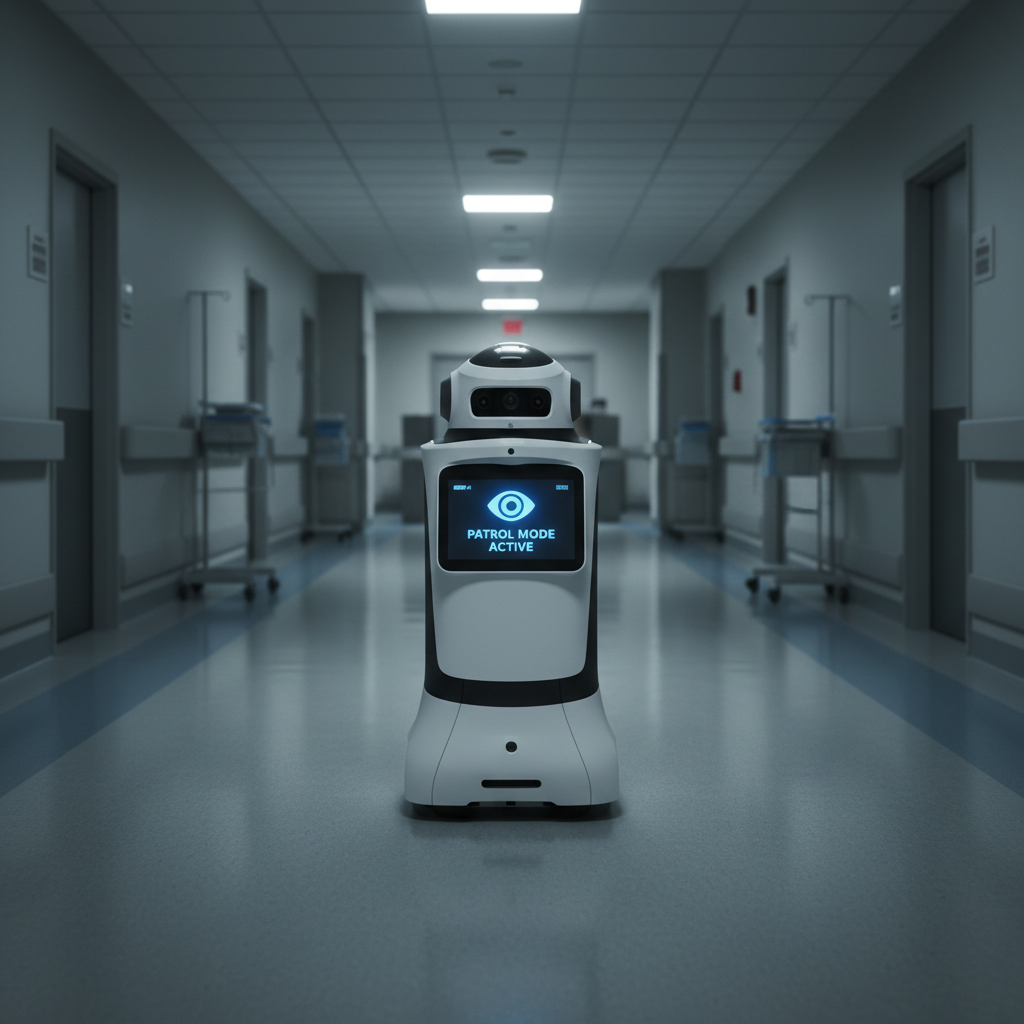
After sunset, Australian campuses face a specific set of security pressures, including increased risks of vandalism, unauthorized trespass, and the heavy weight of duty-of-care obligations for students in 24 hour libraries or residential halls. Traditional night shifts are often hampered by low visibility and the inherent risks of sending a lone guard into a dark, potentially hostile situation. By deploying university security robots Australia-wide, institutions can mitigate these risks through a Human-in-the-Loop operational model.
Equipped with thermal sensors and high-definition 360-degree cameras, these robots act as a sophisticated force multiplier. Thermal imaging is particularly critical in the Melbourne climate during winter months or in poorly lit areas like multi-story car parks, where standard CCTV often fails to capture clear detail. When the robot’s onboard AI detects a heat signature or movement in a restricted zone, it does not act autonomously to intervene. Instead, it instantly alerts a remote human operator via custom software integration.
This model ensures a safe and rapid response. The human operator can view the live, 360-degree stream to assess the situation from a secure location, determining if the event requires a police dispatch or a simple verbal warning via the robot’s two-way audio. By filtering out false alarms and providing eyes on the ground in high-risk zones, this technology reduces the likelihood of expensive, unnecessary emergency service call-outs. Implementing such systems requires careful robotics integration in education to ensure the hardware reliably communicates with central monitoring hubs across vast campus networks. To explore how thermal patrolling can secure your facility after hours, contact our Melbourne team.
Balancing Security with a Welcoming Student Experience
Transitioning from the silent, high-alert night shift to a bustling daytime campus requires a functional shift in how autonomous systems interact with the public. To navigate the "safety vs. trust" nexus highlighted in University of Canberra research, institutions must move beyond simple surveillance. The goal is to ensure students feel supported rather than monitored.
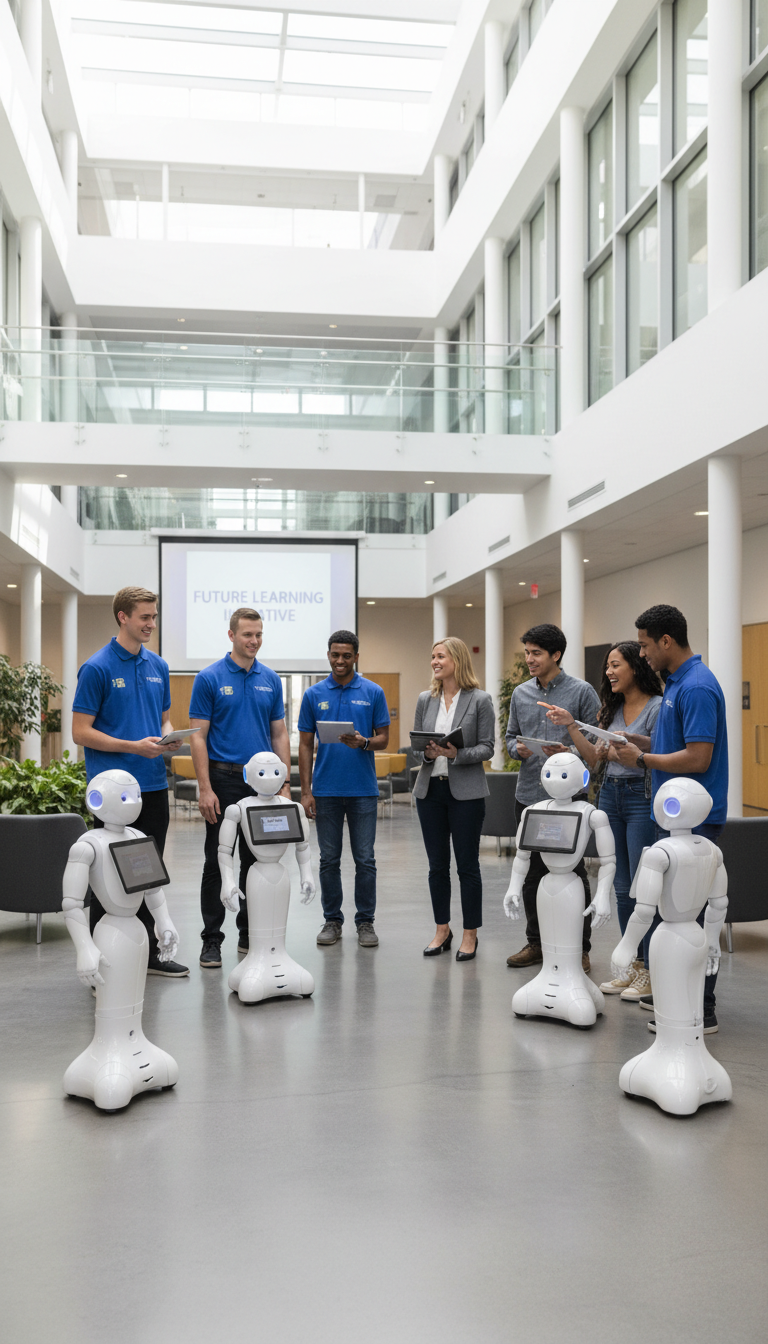
The physical design of modern robots is a major factor. Unlike the aggressive profiles of traditional security hardware, the units Exaptec integrates feature sleek, approachable aesthetics. Through custom software integration, these machines serve dual roles:
Time of Day | Operational Mode | Primary Function |
|---|---|---|
Day (Peak Hours) | Ambassador / Concierge | Wayfinding, event info, and student engagement. |
Night (Low Light) | High-Alert Security | Thermal patrolling, anomaly detection, and remote monitoring. |
By providing directions to a library or information about campus events, university security robots Australia become a helpful part of the student landscape. This creates a positive baseline of interaction, making the switch to more intensive security protocols after hours feel like a natural extension of care. Successful robotics integration in education depends on this versatility, ensuring that technology serves the community’s social needs just as effectively as its safety requirements.
Technical Integration: Connecting Robots to Existing University Systems
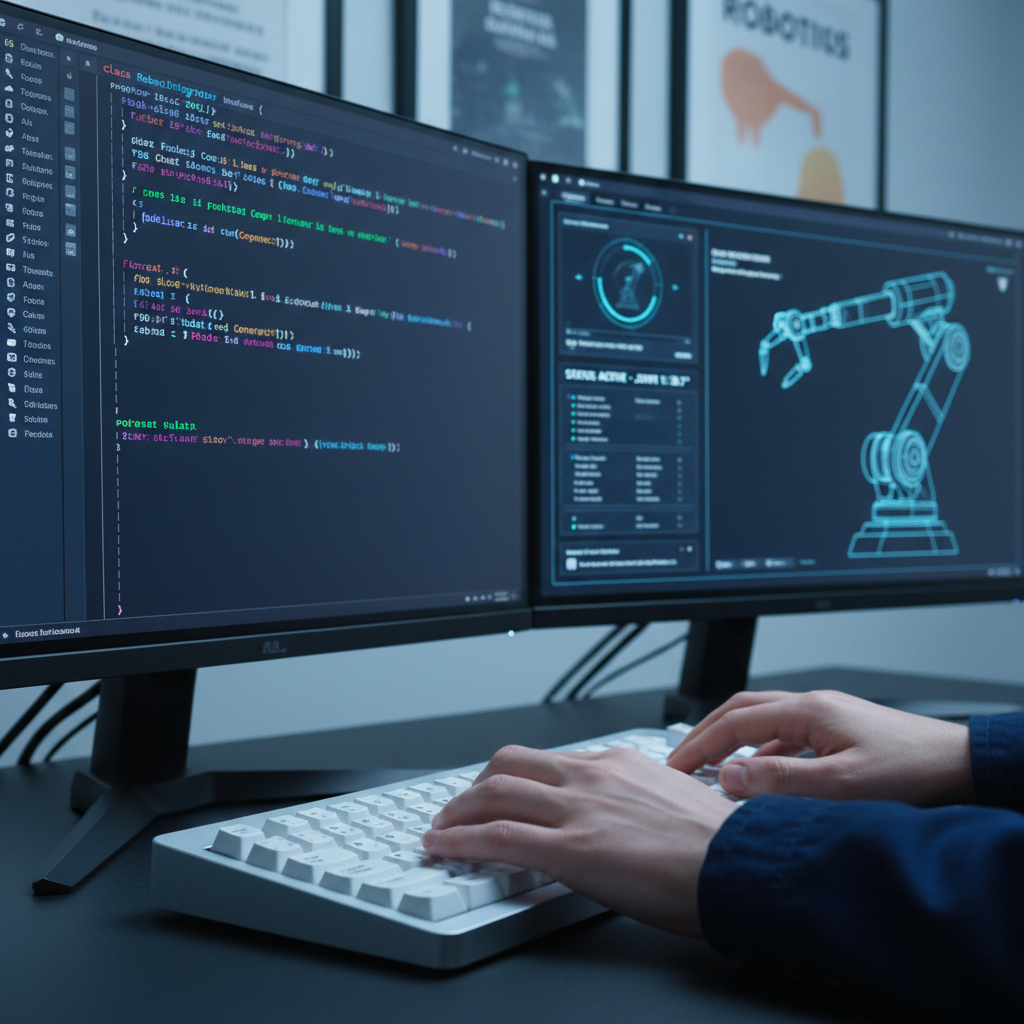
The effectiveness of university security robots Australia depends entirely on their ability to communicate with the existing digital nervous system of the campus. A standalone robot is merely a mobile camera; true utility comes from custom software integration that links the AMR to the university’s Video Management System (VMS) and Incident Management Systems. By utilizing standard protocols like ONVIF or custom APIs, we ensure that a robot’s live feed appears alongside stationary camera views in the security operations center, allowing for seamless tracking of an event as it moves from a hallway into a courtyard.
Technical reliability on a sprawling campus requires a sophisticated approach to connectivity. Universities often struggle with dead zones where Wi-Fi signal drops, leading to the 37% unplanned downtime often cited in industry reports. Our integration process prioritizes robust handover protocols between campus-wide Wi-Fi 6 networks and 5G cellular backups. This ensures the robot remains responsive during high-bandwidth tasks, such as streaming 360-degree 4K video, even when transitioning between multi-story buildings or moving through concrete-heavy parking structures.
Furthermore, the robot must be synchronized with emergency alert systems. If a campus-wide lockdown is triggered, the robot can automatically reposition to high-risk entry points or broadcast audible instructions through its integrated speakers. Because Exaptec is Melbourne-based, we provide local technical support and calibration to ensure these complex integrations remain stable. This proximity is vital for robotics integration in education, where system uptime directly impacts student safety. For a technical audit of your existing security infrastructure, contact our Melbourne team to discuss compatibility and deployment timelines.
Regulatory Compliance and Staff Training for Australian Institutions
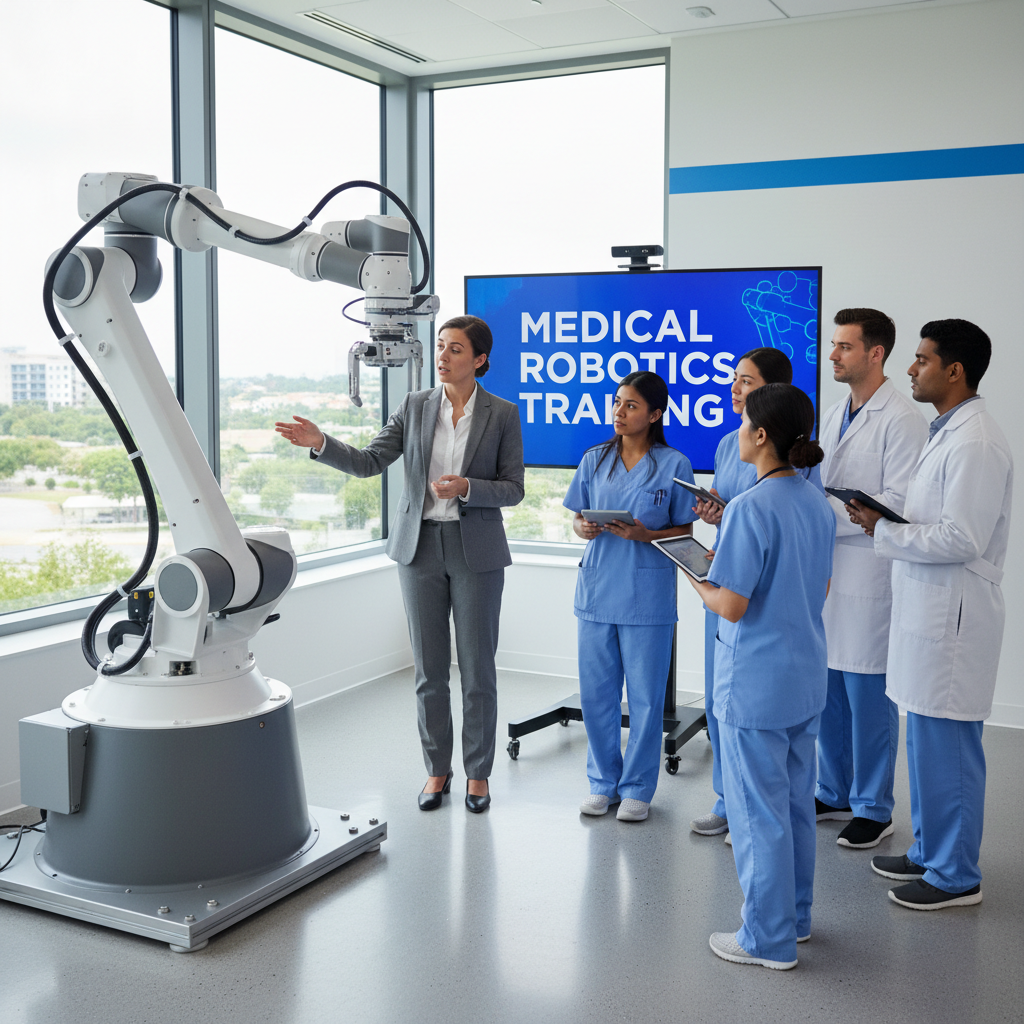
Implementing university security robots Australia-wide requires navigating the 2026 regulatory convergence, where AI governance intersects with physical safety standards such as AS/NZS 4024.1. Compliance necessitates rigorous risk assessments for autonomous movement in public thoroughfares to meet Australian duty-of-care obligations. Exaptec manages this transition through structured staff training, ensuring personnel view the AMR as a specialized tool that eliminates repetitive patrol risks rather than a threat to their roles.
Success depends on a cultural shift where guards lead the system rather than compete with it. By focusing on robotics integration in education, we prepare teams for data-driven oversight and basic field troubleshooting. Our custom software integration further ensures that robots operate within legal frameworks while augmenting human capabilities. To discuss regulatory roadmaps and team onboarding, contact our Melbourne team.