School security robots Australia offer autonomous 24/7 surveillance and perimeter patrols that integrate with national child safety and digital technology compliance frameworks. These mobile units provide a proactive approach to campus monitoring by combining real-time data collection with cost effective security workflows; this helps schools maintain a secure environment while adhering to mandatory privacy standards.
Maintaining a safe environment across expansive Australian school grounds presents a persistent challenge for administrators, especially as traditional security measures often leave critical gaps in coverage. Principals are increasingly burdened by the need to balance rising operational costs with an unwavering duty of care; this pressure is further compounded by the strict requirements of Australian Child Safety Standards. In this guide, we examine how autonomous security robots provide a sophisticated solution to these pain points. You will learn about the evolution of campus safety and how modern robotics align with current compliance frameworks. We also detail practical use cases for autonomous patrols, address essential data privacy considerations, and provide a clear roadmap for successful integration. By leveraging advanced robotics, schools can move beyond reactive surveillance toward a proactive, reliable, and highly efficient safety model.
The Evolution of Campus Safety in Australian Schools
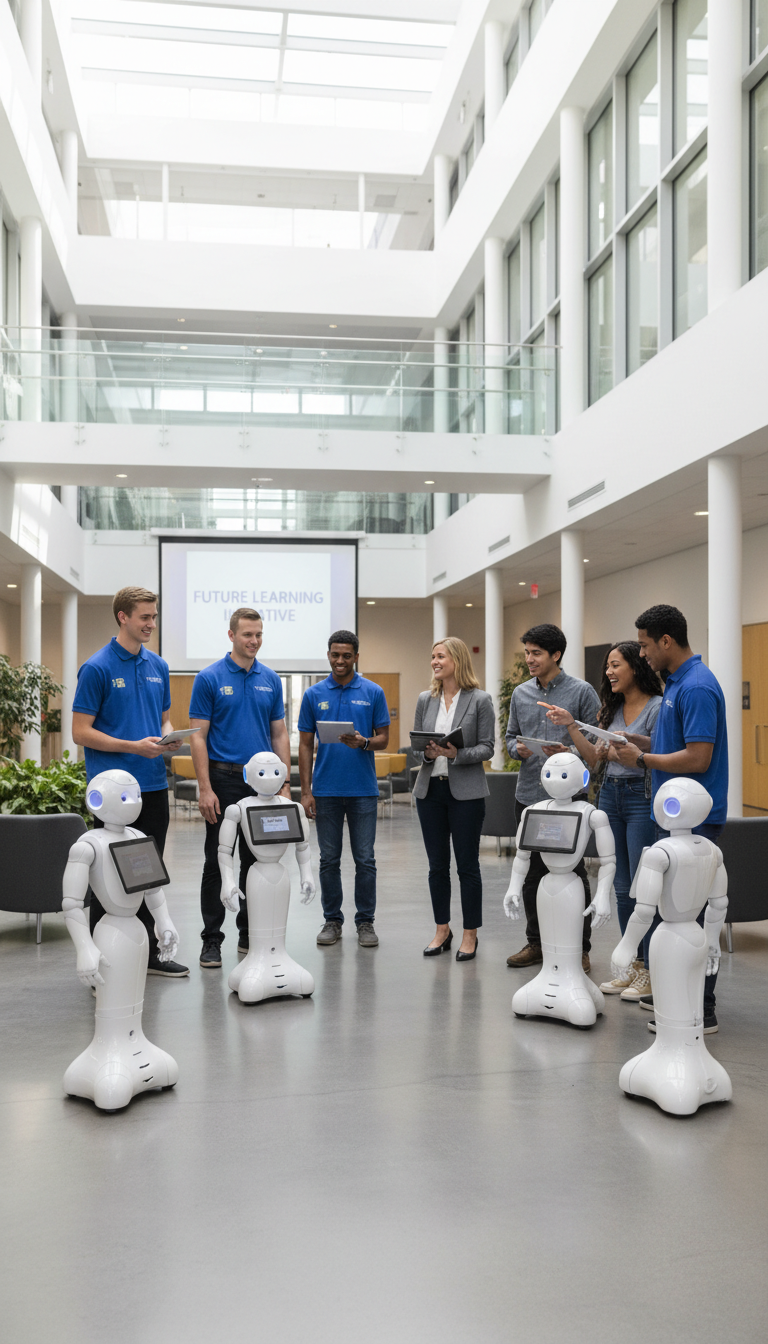
The landscape of campus safety across Australia is undergoing a significant transition. While traditional security measures relied heavily on passive CCTV systems, these static solutions often leave blind spots across expansive Australian school grounds. As facility managers face the rising costs of manual security personnel and the logistical hurdles of patrolling large perimeters, the shift toward proactive technology has become necessary.
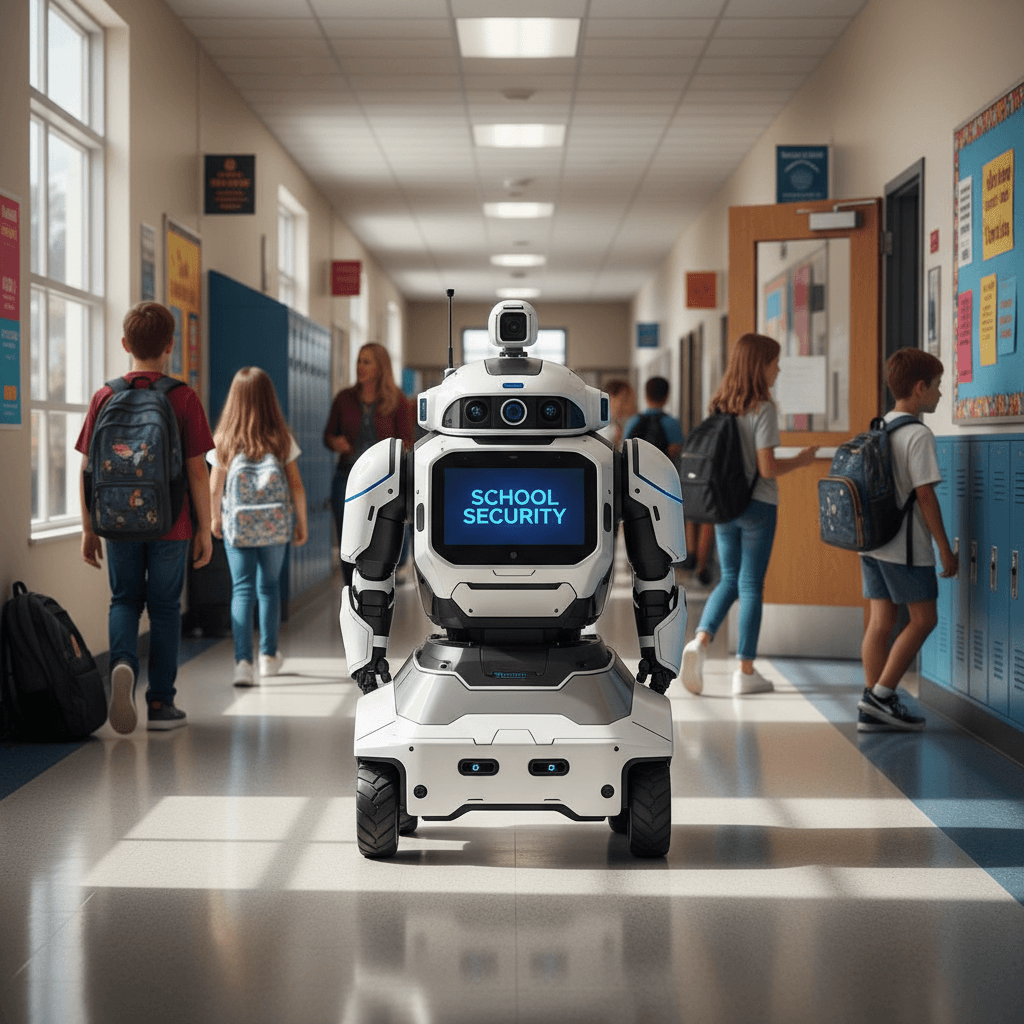
Autonomous Mobile Robots (AMRs) provide a sophisticated alternative to static monitoring. Unlike fixed cameras, these units move through the environment, providing real-time data and a visible deterrent. In the Australian context, the challenge lies in balancing robust security with a welcoming atmosphere. Schools must remain open, inviting spaces for students and staff, rather than feeling like high-security installations. Professional robotics integration services allow schools to deploy these advanced tools without compromising the educational environment.
By incorporating school security robots Australia into their safety protocols, institutions can address the unique geographical challenges of local campuses. These autonomous systems act as a force multiplier, ensuring consistent coverage of fence lines and remote facilities during and after school hours. This evolution reflects a broader commitment to fulfilling the duty of care through modern, efficient automation while maintaining the specific aesthetic and cultural standards required by the Australian education sector.
Why Principals are Considering School Security Robots in Australia
The primary driver for shifting toward autonomous solutions is the unsustainable cost and high turnover rate associated with traditional security personnel. In Australia, hiring a licensed security guard for on-site monitoring typically starts at over $30 per hour, excluding overtime rates for weekends or public holidays. In contrast, a robotic platform, once integrated, operates within a significantly lower cost bracket, often ranging between $4 and $15 per hour. This cost efficiency allows schools to reallocate limited budgets toward educational resources while maintaining a robust campus security unit.
Feature | Licensed Human Guard | Autonomous Security Robot |
|---|---|---|
Average Hourly Cost | $30+ (plus penalty rates) | $4 to $15 (flat rate) |
Availability | Shift-based (breaks required) | 24/7 (automated charging) |
Consistency | Prone to fatigue and blind spots | Systematic patrol routes |
Turnover Rate | High (100% to 300% industry average) | Consistent long term performance |
Beyond cost, the functional superiority of robots lies in their persistence. A campus security unit based on autonomous technology does not suffer from fatigue or attention drift during long shifts. This is particularly critical for Australian schools during the long summer break or term holidays when campuses are largely empty and susceptible to vandalism or unauthorized access. While human guards require breaks and shift changes, a robot maintains a constant, visible presence on the perimeter, acting as a proactive deterrent.
Integrating these platforms requires more than just purchasing hardware. Successful deployment involves aligning the technology with existing robotics integration services to ensure the robot communicates effectively with onsite alarms and monitoring centers. For principals, the decision is often about creating a reliable, always active baseline of surveillance that enhances the school’s overall education robotics portfolio. This approach ensures that duty of care is met with technological precision, providing a level of coverage that traditional manual patrols struggle to match.
Aligning Robotics with Australian Child Safety Standards and Duty of Care

Deploying autonomous technology within an educational setting requires a rigorous understanding of the Australian regulatory landscape. Beyond simple surveillance, the introduction of school security robots Australia must align with the National Quality Framework (NQF) and the Victorian Child Safe Standards. These frameworks mandate that schools take proactive measures to ensure the physical and online safety of every student. Specifically, Victorian Child Safe Standard 9 requires schools to manage risks in their physical environments effectively. Autonomous robots support this by identifying hazards or breaches that might be overlooked during manual inspections.
Under the NQF, Regulations 168 and 169 require educational providers to maintain clear policies and procedures for providing a safe environment and managing risks. The use of robotics provides a verifiable data trail that helps administrators meet these requirements. For instance, a robot can document that a specific perimeter gate was checked and secured every hour, providing the objective evidence needed for regulatory audits. This level of consistency is difficult to achieve through manual logbooks alone.
Legal frameworks often prompt the question: do schools owe a duty of care to parents? While the primary duty is to ensure the safety of students, schools also have a responsibility to parents to maintain a secure environment that prevents foreseeable harm. By implementing robotics integration services, schools demonstrate an elevated commitment to this duty. Robots act as a persistent, reliable witness, providing early warnings for risks such as unauthorized intruders or infrastructure failures, thereby fulfilling the school’s obligation to maintain a safe campus.
Exaptec approaches these deployments by positioning robotics as a safety tool, not a replacement for human supervision. Our integration process ensures that the technology serves the school's staff, providing them with better information to make safety decisions. Each project in our education robotics portfolio emphasizes that while a robot can patrol and detect, the human element remain central to the response and care of students. To discuss how these systems can be tailored to your specific compliance needs, contact Exaptec for a consultation to review your campus safety procedures.
Operational Use Cases for Autonomous Robots on Campus
Implementing autonomous systems translates to tangible, daily operations that strengthen the school’s security posture. Through professional robotics integration services, these units perform specific tasks that reduce the burden on facility managers and physical staff while ensuring consistent coverage.
1. Autonomous Perimeter Patrol Robots conduct systematic sweeps of campus boundaries, following GPS-defined paths that include often-overlooked areas like sports ovals or remote storage sheds. They use thermal imaging and LiDAR to detect heat signatures or movement near fence lines; this allows for immediate alerts to the school's response team if a breach is detected. This systematic approach ensures that the large perimeters common in Australian schools are never left unmonitored.
2. Facility and Hazard Inspection Beyond security, these units act as facility inspection robots. During after-hours patrols, they verify that external doors and windows are securely locked. Onboard sensors can identify environmental anomalies such as water leaks in utility rooms or unusual heat signatures in server rooms, preventing costly damage before it escalates. This proactive monitoring helps schools avoid the high costs of emergency repairs.
3. Remote Interaction and Telepresence Equipped with two-way audio and high-definition video, robots facilitate remote communication. If a robot encounters a visitor after hours, a staff member can use the telepresence feature to interact directly from a secure location. This allows for immediate assessment without putting staff in potentially confrontational situations, maintaining a safe distance during initial contact.
4. Proactive Deterrence The physical presence of a mobile unit serves as a significant deterrent. A patrolling robot with visible lighting and active movement signals that the campus is under continuous surveillance, discouraging vandalism and unauthorized entry. By selecting specific platforms from an education robotics portfolio, schools can customize these functions to their unique layout and risk profile. To see how these use cases apply to your site, contact Exaptec for a consultation regarding your operational requirements.
Navigating Data Privacy and Surveillance Regulations
The introduction of mobile surveillance units requires a specific update to a school’s "Safe use of digital technologies" policy. Unlike static CCTV, autonomous systems generate a dynamic data stream that includes high definition video, location telemetry, and thermal metadata. To remain compliant with the Privacy Act 1988 and the Australian Privacy Principles (APPs), schools must ensure that this data is encrypted both during transmission from the robot to the server and while at rest.
Facility managers should refine their School Security Procedure to define exactly who has access to the robotic feed. Access must be restricted to authorised personnel; typically the Principal, the facility manager, or a designated security lead. When deploying school security robots Australia, Exaptec prioritises local software integration. This approach ensures data sovereignty, meaning sensitive footage of the campus and students remains within Australian jurisdiction rather than being processed on overseas servers where privacy protections may not meet local standards.
Updating these protocols involves three key technical pillars:
Privacy Component | Implementation Requirement |
|---|---|
Data Sovereignty | Local hosting of management software and video storage within Australia. |
Data Encryption | AES-256 bit encryption for all wireless data transmissions and stored files. |
Access Control | Multi-factor authentication (MFA) for all staff accessing the robot dashboard. |
Incorporating these systems through expert robotics integration services ensures that the hardware aligns with the school’s broader education robotics portfolio. It is not just about the robot moving; it is about how the data it collects is managed and protected. To ensure your digital policies meet current Australian standards for autonomous surveillance, contact Exaptec for a consultation on secure data architecture.
Deployment Roadmap: From Integration to Staff Training
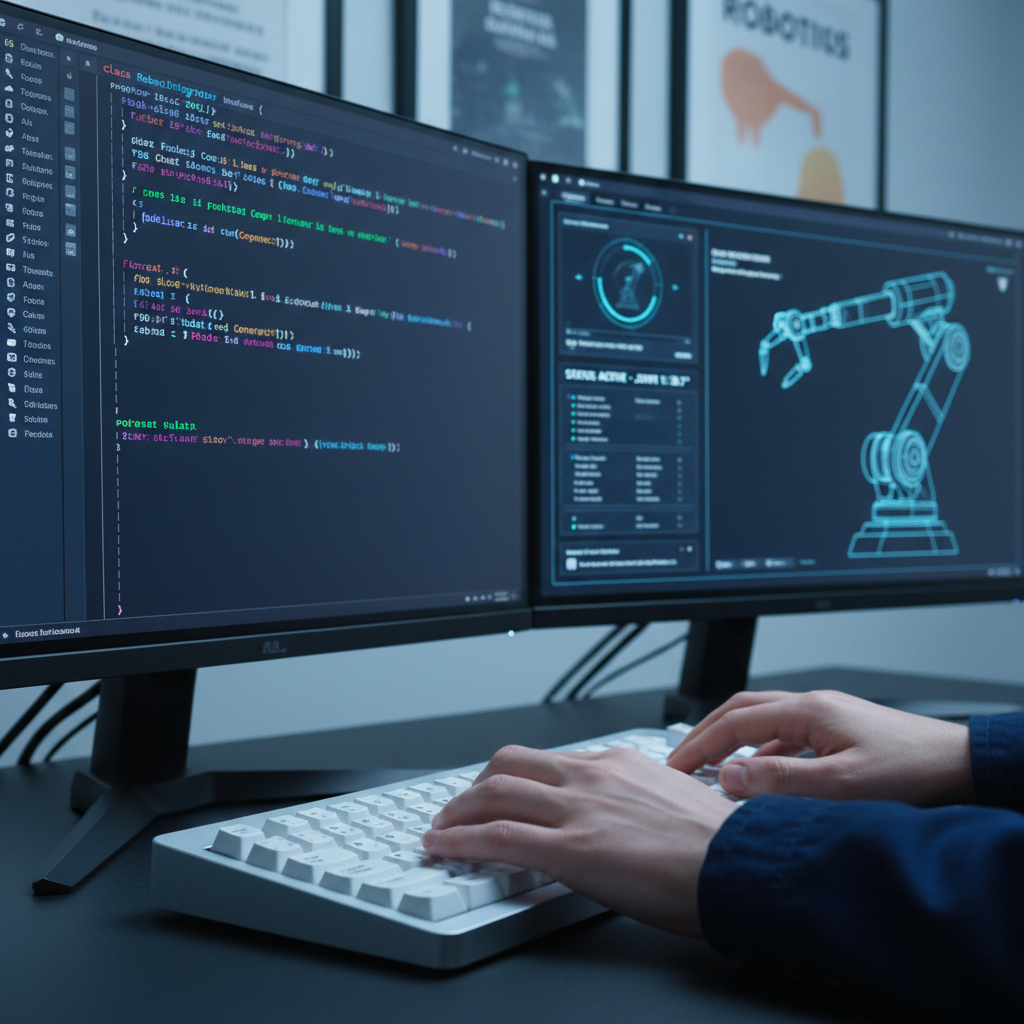
Successful deployment of school security robots Australia requires a transition from strategic planning to technical execution. Exaptec manages this entire lifecycle, ensuring that the hardware performs reliably within the specific constraints of an Australian campus. The roadmap involves four distinct phases:
Comprehensive Site Audit: Our engineers assess the physical environment, identifying terrain challenges such as steep ramps, transitions between buildings, or uneven gravel paths. We conduct a Wi-Fi heat map analysis to locate dead zones that could interrupt the robot's real-time data stream. This proactive auditing prevents the need for expensive emergency service calls, which can exceed $8,000 when robots are deployed in unsuitable environments without proper preparation.
Custom Software Integration: Rather than operating as a siloed tool, the robot must communicate with existing infrastructure. Our robotics integration services link the AMR to your current security dashboard, allowing thermal alerts or motion triggers to integrate directly with your onsite alarm systems or Video Management Systems.
Structured Staff Training: We provide practical sessions for teachers, administrators, and maintenance personnel. This ensures the school community understands the robot's patrol patterns and knows how to utilize telepresence features for remote assessment without disrupting daily educational activities. This human-centric approach is a cornerstone of our education robotics portfolio.
Regulatory Compliance Review: The final step involves a rigorous audit to ensure the deployment aligns with the National Quality Framework and Victorian Child Safe Standards. We document safety protocols and data handling procedures to satisfy your facility's duty of care requirements.
Exaptec differentiates itself by providing this end to end support, moving beyond hardware sales to deliver a functional safety ecosystem. To discuss a tailored deployment plan for your facility, contact Exaptec for a consultation.
Implementing security robots in Australian schools is about more than just technology; it involves a commitment to safety and regulatory compliance. Ensuring your campus remains secure while adhering to child safety standards creates a protected learning environment for everyone. If you want expert help navigating the complexities of robotics and automation, our team provides the necessary guidance. You can explore our Services to find a solution tailored to your school. We are here to help you integrate these advanced tools effectively and responsibly.