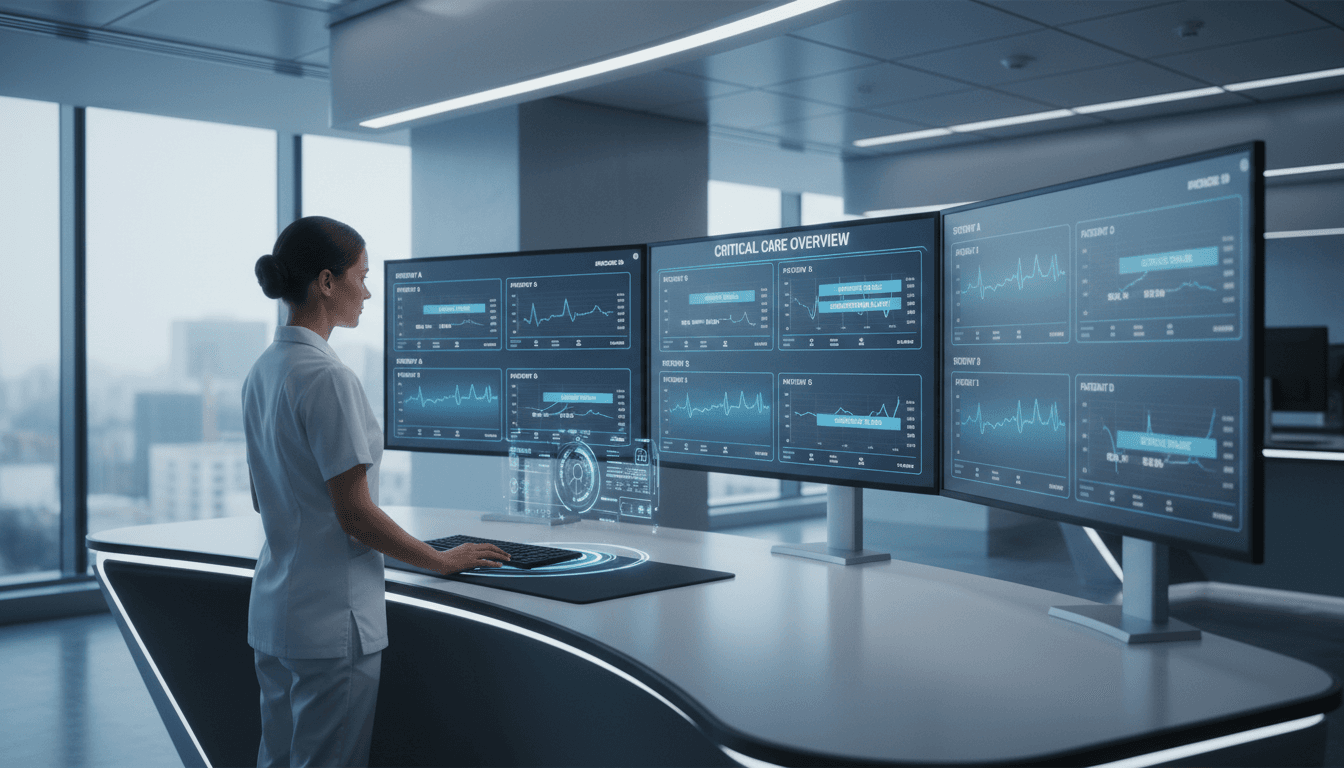
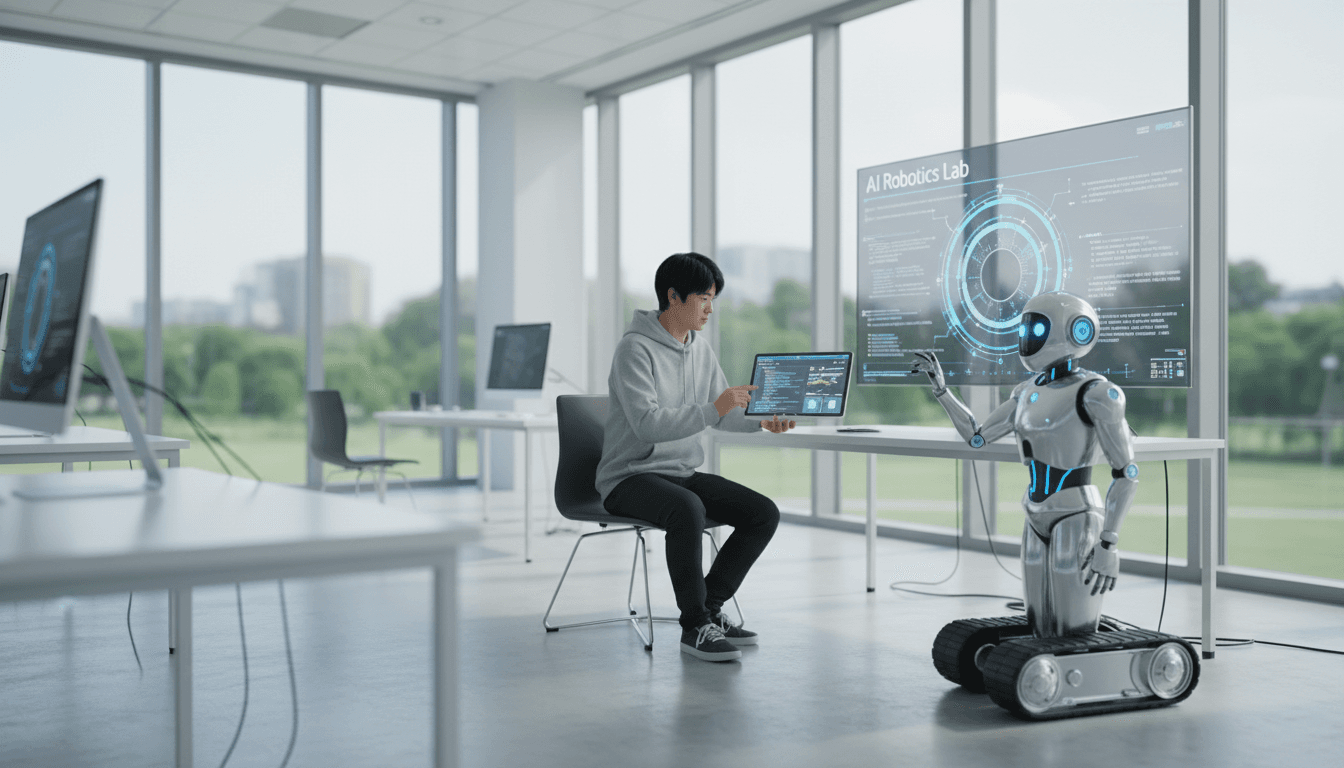
Physical AI robotics Australia healthcare education 2027 projections indicate that facility leaders will increasingly deploy machines capable of perceiving and acting within real world environments to enhance service delivery. These advancements will automate complex manual tasks and provide personalized interactive experiences in clinics and classrooms across the country. This integration of generative AI into physical hardware represents a fundamental shift toward more efficient and autonomous Australian infrastructure.
Facility leaders across Australia are currently grappling with a growing gap between operational demands and workforce capacity. By 2027, the limitations of traditional staffing models in hospitals and schools will likely become unsustainable. While generative AI has dominated recent headlines, the real evolution lies in Physical AI; the seamless integration of machine learning into mobile robotic hardware that navigates our physical environments. This shift is no longer a theoretical exercise for tech enthusiasts. It is a practical necessity for maintaining safety, hygiene, and accessibility in complex institutional settings. In this analysis, we explore the 2027 outlook for autonomous wards and inclusive classrooms. You will learn how to navigate the emerging regulatory landscape and why software integration, rather than just the hardware itself, remains the most critical strategic hurdle for hospital and school boards today.
Defining Physical AI: The Shift from Screen to Machine in Australia
Physical AI represents the critical evolution from static intelligence to embodied capability. While recent years focused on screen based tools like ChatGPT, the frontier for 2027 is the convergence of generative AI with robotic mobility. In the context of physical AI robotics Australia healthcare education 2027 targets, this shift transforms how facilities operate. Unlike traditional automation, which relies on preprogrammed, repetitive paths, physical AI enables machines to perceive, reason, and act within unpredictable environments.
A robot in a Melbourne hospital or school corridor no longer just follows a line on the floor. It uses deep learning and computer vision to navigate around a dropped medical tray or an unexpected crowd of students. This ability to make real time decisions is what differentiates it from the rigid automation of the past. The Australian National Robotics Strategy highlights this shift as a national economic priority, positioning 2027 as the tipping point where these systems move from experimental pilots to mainstream infrastructure across Australia.
For facility leaders in Victoria, the value proposition lies in solving tangible labor shortages that screen based AI cannot touch. A generative model can draft a patient care plan, but only physical AI can autonomously monitor a ward for fall risks or conduct security patrols across a campus. To ensure these systems function reliably, Exaptec focuses on custom software integration and regulatory compliance support tailored to Australian standards. By exploring the Exaptec robotics portfolio, administrators can see how these machines move beyond the digital interface to perform essential physical tasks in real world settings.
The 2027 Healthcare Vision: Autonomous Wards and Intelligent Patient Monitoring
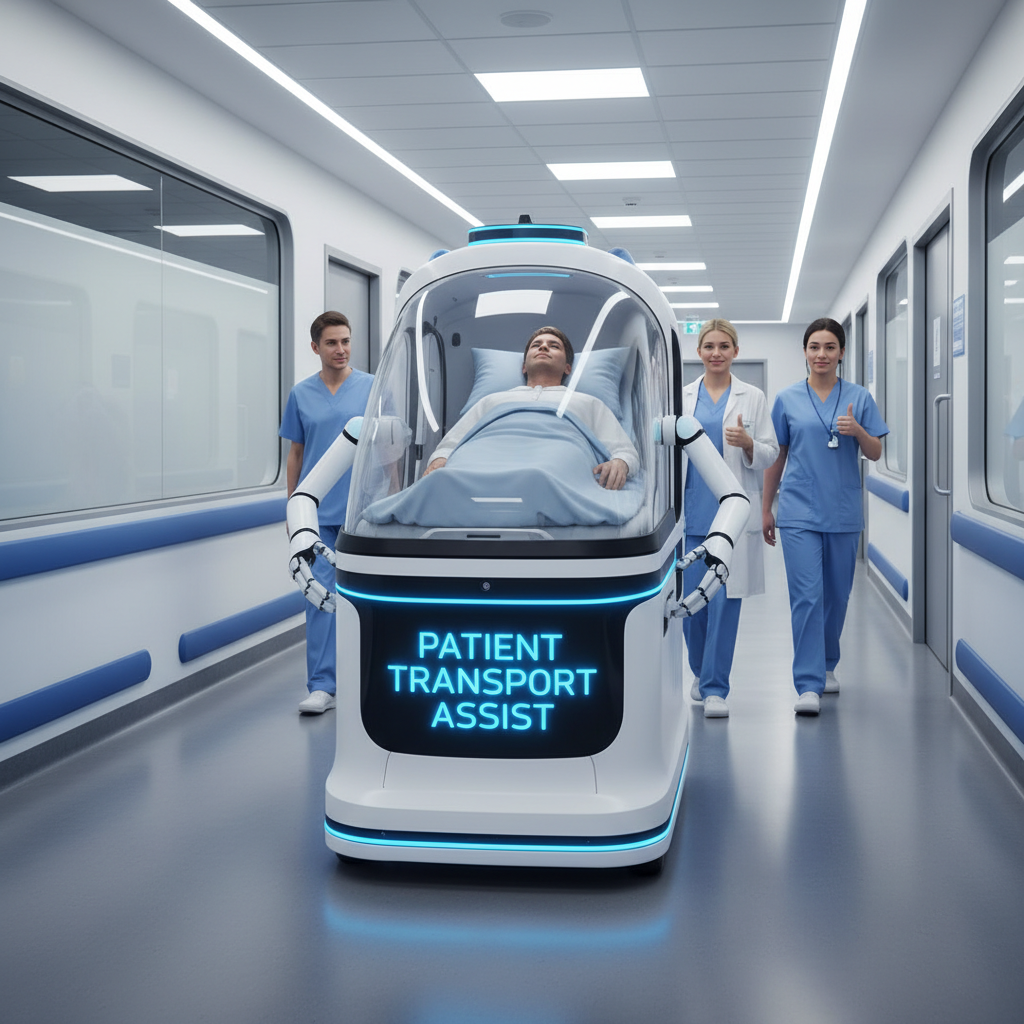
By 2027, the primary function of robotics in clinical settings will pivot from backend logistics to direct clinical support. While many current Autonomous Mobile Robots (AMRs) focus on heavy lifting like linen transport and pharmacy deliveries, the next three years will see these platforms integrated directly into ward management systems. This creates a "sense and respond" loop where physical AI robotics Australia healthcare education 2027 targets manifest as real time interventions rather than simple delivery tasks.
Remote patient monitoring is evolving from static, bedside sensors to mobile, intelligent units. These robots use computer vision and deep learning to interpret environmental cues, such as a patient’s gait or a sudden change in posture that indicates a fall risk. In Victorian aged care facilities, where the demand for assistive technology is projected to grow at a 14.6 percent CAGR, this shift is essential. Physical AI provides a proactive layer of safety, allowing robots to autonomously patrol hallways and alert staff to anomalies before a medical event escalates.
Feature | Traditional Automation (2024) | Physical AI Vision (2027) |
|---|---|---|
Navigation | Predefined paths and markers | Dynamic obstacle avoidance and reasoning |
Monitoring | Static sensor data sent to screens | Mobile, contextual patient observation |
Integration | Isolated software silos | Deep ward management system synchronisation |
Staff Role | Managing the robot's tasks | Responding to AI-validated clinical alerts |
Success in this 2027 landscape requires more than hardware procurement. It demands custom software integration to ensure that a robot's fall detection alert reaches the correct clinician’s device without latency. These systems act as active assistive technology, interpreting data within the specific context of Australian healthcare protocols. For facility boards, the Exaptec robotics portfolio offers a glimpse into how these machines move from being tools to becoming integrated members of the care team. This evolution must be underpinned by regulatory compliance support to navigate the complexities of TGA classifications for robotic medical devices, ensuring that autonomous wards remain both safe and legally sound.
Transforming Australian Education: Security and Inclusion Through Robotics
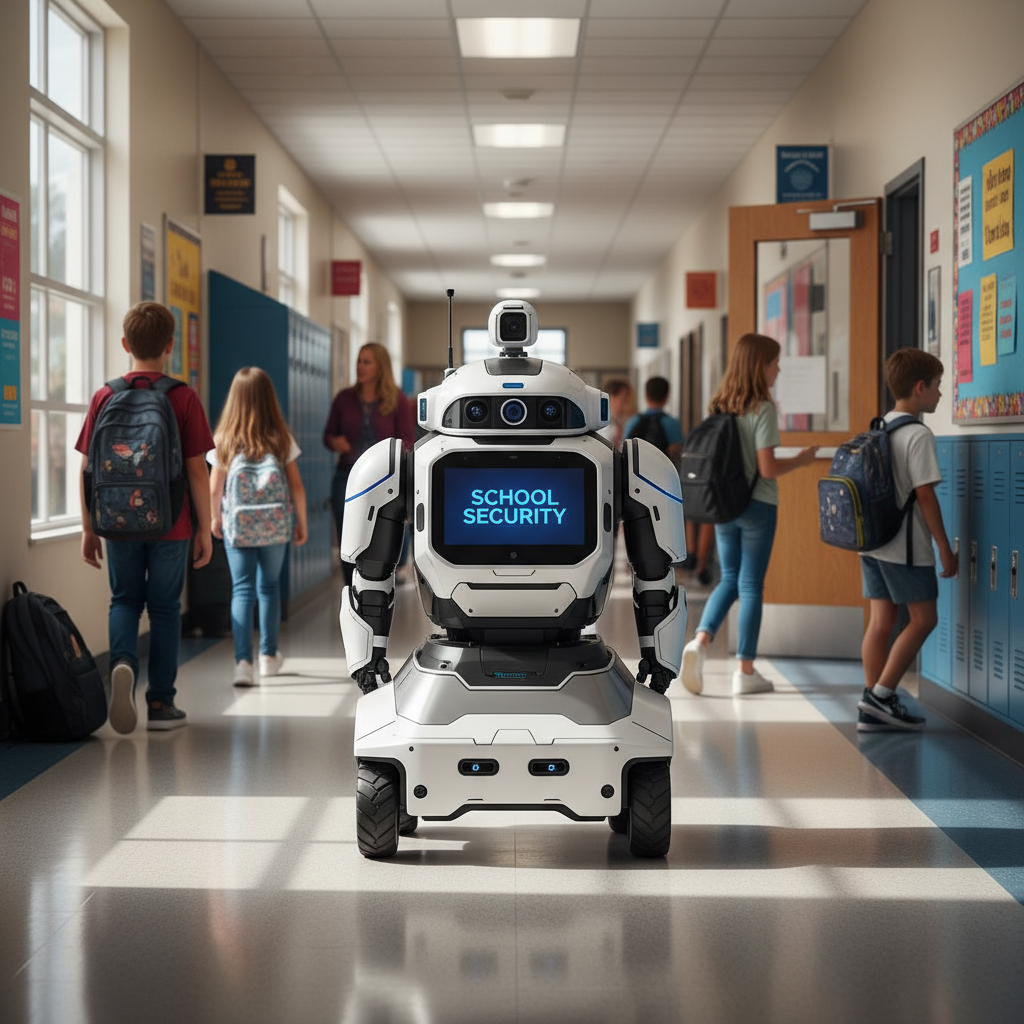
By 2027, the application of physical AI robotics Australia healthcare education 2027 targets will move beyond the laboratory and into the daily operational fabric of K 12 and tertiary campuses. For school leaders and facility managers in Victoria, the primary value shifts from students merely learning about robotics to robots facilitating a safer, more inclusive environment. The integration of physical AI allows machines to handle two of the most significant challenges in modern education: campus security and student equity.
Security automation is evolving from reactive CCTV to proactive, autonomous patrol units. These robots use edge computing and computer vision to recognize safety anomalies, such as a perimeter breach, an unlatched fire exit after hours, or a spill in a high traffic corridor, without requiring constant human oversight. Unlike static sensors, an AI driven robot understands context; it can differentiate between a staff member on a scheduled late shift and an unauthorized individual in a restricted zone. This level of sophisticated facility oversight is made possible through custom software integration that links robotic sensors directly to existing campus emergency alert systems.
Application Area | Current Limitation (2024) | Physical AI Capability (2027) |
|---|---|---|
Campus Security | CCTV requires constant human monitoring | Autonomous recognition of safety anomalies |
Student Inclusion | Static video conferencing lacks presence | Mobile telepresence allows full peer interaction |
Facility Management | Manual checks for hazards and gates | Automated, logged inspections with reasoning |
STEM Education | Rigid, pre programmed robotic kits | Adaptive, modular platforms like WhalesBot |
Simultaneously, telepresence robotics addresses the inclusion gap for students unable to attend physically due to chronic illness or geographic distance. By 2027, these platforms will offer a physical avatar that can navigate classrooms and interact in hallways, ensuring the student remains an active participant in school culture rather than a passive observer on a screen. While modular platforms like WhalesBot remain essential for STEM curriculum development, the driving force for administrative adoption will be these facility management and inclusion outcomes. To navigate the privacy and safety requirements of these deployments, schools will increasingly rely on regulatory compliance support to ensure data captured during patrols remains secure. Facility leaders can explore the Exaptec robotics portfolio to understand how these autonomous units bridge the gap between digital learning and physical campus safety.
Navigating the Regulatory Convergence: Compliance for 2027 Standards

Transitioning from experimental pilots to fleet-wide deployment requires more than a simple purchasing decision; it demands a strategy for integrated compliance. As the adoption of physical AI robotics Australia healthcare education 2027 targets matures, the oversight landscape will shift from voluntary frameworks to enforceable standards that govern how machines interact with the public. For Victorian facility leaders, this means moving beyond hardware safety specifications to address the software intelligence driving the machine.
In healthcare settings, the Therapeutic Goods Administration (TGA) is expected to tighten classifications for robotic systems that perform clinical reasoning. If a robot monitors a patient's gait to predict a fall, it may be classified as a medical device rather than a simple logistics tool. This requires rigorous regulatory compliance support to ensure that every update to the robot's navigation or diagnostic algorithms remains within Australian safety bounds. Similarly, in schools, the focus pivots to data privacy. Because physical AI relies on capturing real time environmental data, including high definition video and LiDAR mapping, schools must implement "Privacy by Design" protocols to ensure student data is processed at the edge and not stored in vulnerable cloud silos.
Compliance Pillar | Focus for 2027 | Requirement |
|---|---|---|
Medical Certification | TGA Class IIa/IIb alignment | Validation of clinical monitoring algorithms |
Data Sovereignty | Localized edge processing | Secure, on-site storage of environmental maps |
Safety Standards | AS/NZS 4024.1 equivalents | Documentation of autonomous obstacle avoidance |
Operational Logic | Documented audit trails | Logs of AI decision points for liability reviews |
Success in this environment depends on a robust framework for custom software integration. Boards must ensure their robotics partner provides documented audit trails that record not just where a robot moved, but why it made specific navigational or clinical decisions. By reviewing the Exaptec robotics portfolio, administrators can identify systems already designed with these emerging Australian standards in mind, ensuring that innovation does not outpace legal and ethical obligations.
The Integration Challenge: Why Software and Training are the 2027 Priority
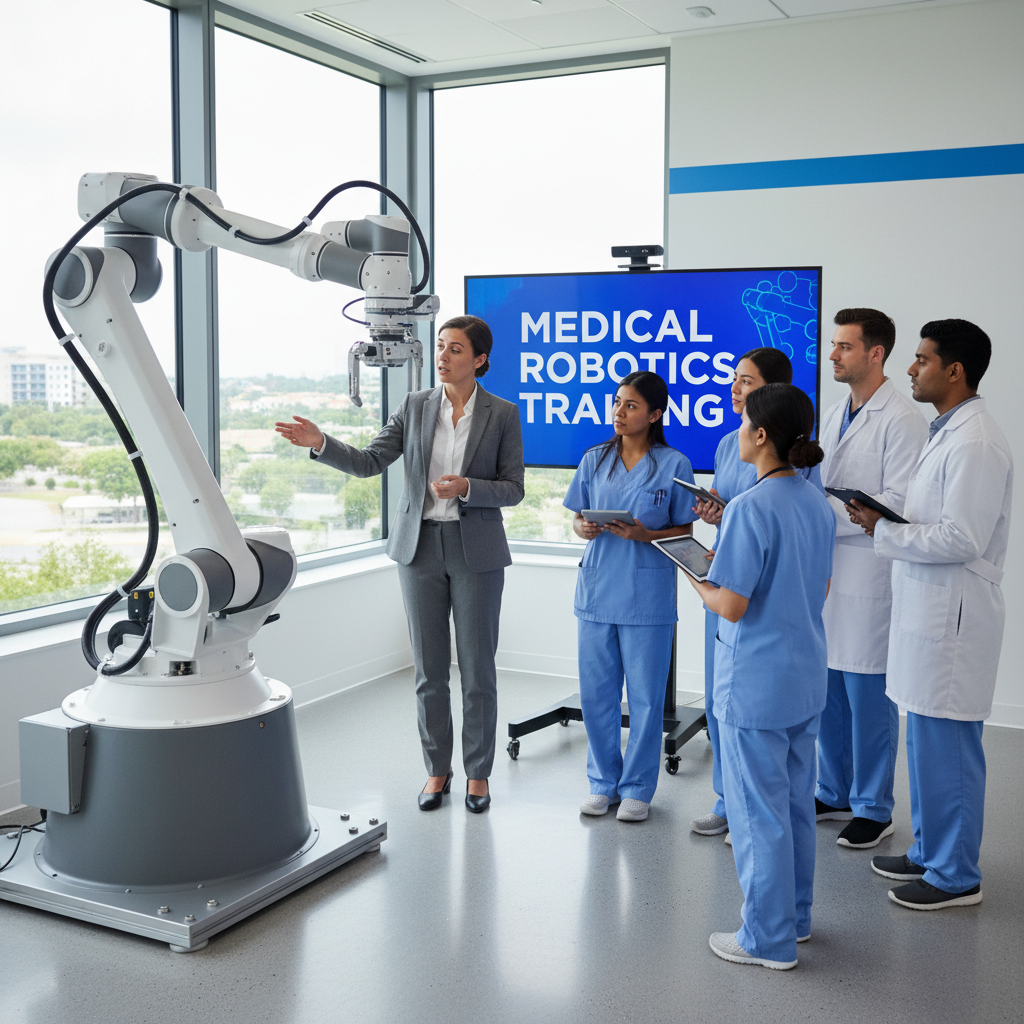
Transitioning from regulatory frameworks to daily operations reveals a fundamental truth for 2027: high performing hardware is now a baseline requirement, not a competitive advantage. The success of physical AI robotics Australia healthcare education 2027 initiatives rests almost entirely on two pillars that occur after the purchase: custom software integration and comprehensive staff training. At Exaptec, we move the focus away from the robot as a standalone device and toward its role as an integrated team member that must speak the same digital language as your existing facility management or clinical systems.
A recurring concern for hospital and school boards is the human impact of automation. Rather than replacing staff, physical AI is the primary tool for closing the widening nursing workload gap and teacher administrative burden. By delegating repetitive tasks, such as specimen transport or perimeter boundary checks, to autonomous systems, human professionals are freed to focus on high value, empathetic care and complex problem solving.
Operational Area | Robotic Augmentation Task | Human Staff Focus Shift |
|---|---|---|
Clinical Wards | Autonomous delivery of linens and meals | Increased direct patient bedside interaction |
Aged Care | Continuous fall detection and gait analysis | Proactive clinical intervention and family support |
School Campus | Automated after hours security patrols | Focus on student wellbeing and pastoral care |
Administration | Real time facility data and inventory logging | Strategic resource planning and decision making |
Achieving this level of synergy requires a local, Melbourne based approach to fleet orchestration. When a robot requires a software adjust or a sensor calibration in a Victorian hospital, waiting for international support cycles is not an option. Reliable uptime depends on having a partner who provides ongoing regulatory compliance support and maintenance within the Australian timezone. By viewing the Exaptec robotics portfolio through the lens of integration rather than just procurement, facility leaders can ensure their investment becomes a permanent, reliable extension of their workforce.
Strategic Planning for 2027: Steps for Hospital and School Boards
Securing the benefits of physical AI robotics Australia healthcare education 2027 targets requires a structured transition plan rather than reactive procurement. Hospital and school boards should begin with a comprehensive robotics readiness audit. This assessment goes beyond Wi-Fi signal strength; it evaluates floor transitions, elevator connectivity, and sensor placement to ensure autonomous units can navigate without interruption.
Once the infrastructure is validated, leaders must identify high ROI use cases tailored to their specific labor challenges. In Victorian aged care, this may prioritize fall prevention and nighttime monitoring. For tertiary campuses, the focus often shifts to autonomous security patrols that reduce the cost of manual perimeter checks. Establishing a multi year scaling plan allows facilities to iterate on pilot programs before deploying full fleets.
Phase | Focus Area | Key Deliverable |
|---|---|---|
Discovery | Readiness Audit | Infrastructure and network gap analysis |
Prioritisation | ROI Identification | Selection of primary use case (e.g., security) |
Deployment | Initial Pilot | Integration with ward or campus software |
Expansion | Fleet Orchestration | Site wide scaling with centralized management |
Success depends on partnering with a local specialist that understands the unique Australian healthcare and education landscape. Choosing a partner for custom software integration and regulatory compliance support ensures that systems are tuned to local safety standards. By reviewing the Exaptec robotics portfolio, boards can align their 2027 vision with proven, locally supported hardware and software solutions. This proactive planning transforms robotics from a capital expense into a sustainable operational asset.
As we approach 2027, the integration of physical AI will redefine how Australian healthcare and education facilities operate. Staying ahead of these technological shifts is essential for maintaining high standards of care and learning. While the potential is vast, navigating the complexities of robotics and AI implementation can be challenging. If you want expert help tailored to your specific facility needs, you can find more information about our mission and team to see how we support organizations in this evolving landscape.