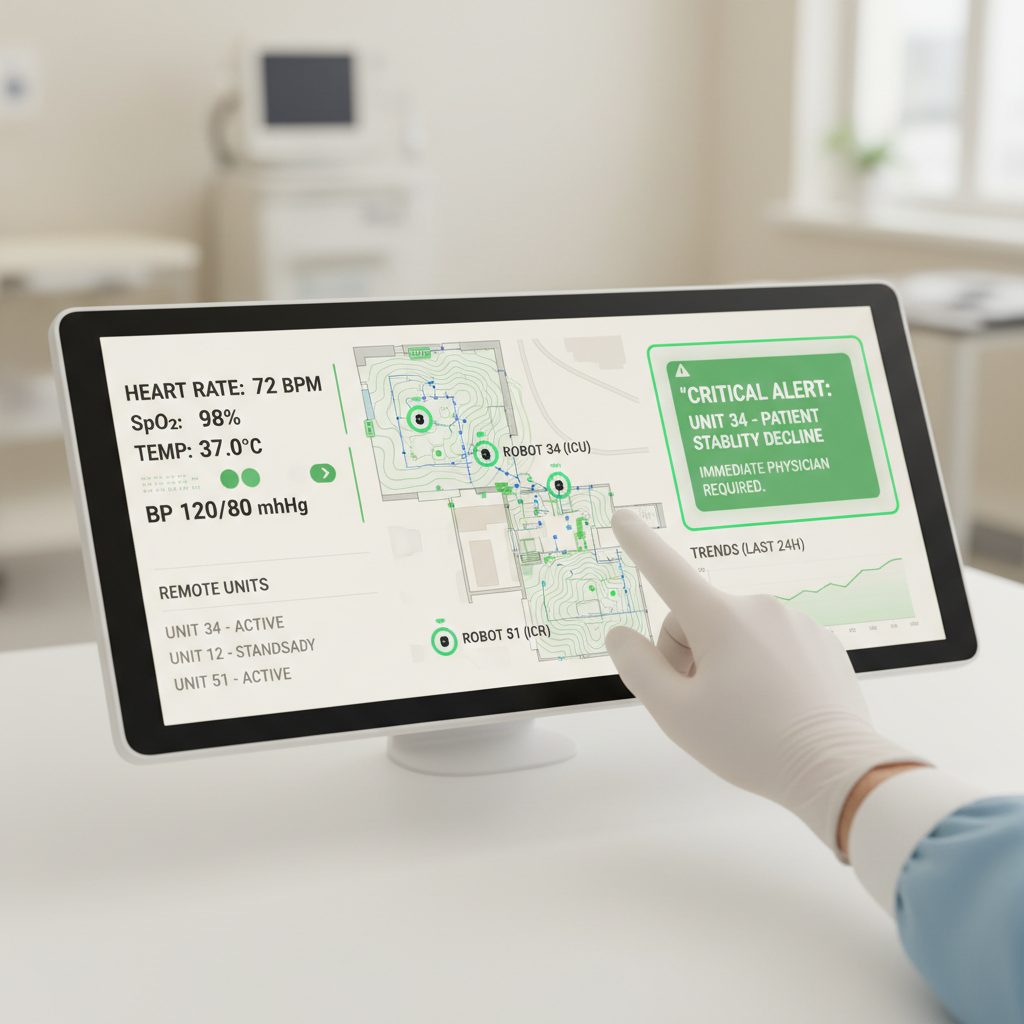
Positive healthcare robotics ROI Australia is achieved by balancing the total cost of ownership, which typically reaches 2.2 to 3.8 times the initial purchase price, against the recovery of lost clinical time. Hospitals and aged care facilities can justify these costs by automating supply logistics to reclaim up to 60 minutes per shift per nurse, thereby reducing burnout and long term operational expenses.
Australian healthcare facilities are currently facing a critical intersection of rising operational costs and severe staffing shortages. While many administrators view robotics as a futuristic luxury, the reality is that inefficient manual workflows are actively eroding your bottom line. Transitioning from interest to implementation requires more than just looking at a sticker price; it demands a rigorous analysis of Total Cost of Ownership within the specific context of the Australian regulatory and economic landscape. This guide breaks down the financial architecture of healthcare automation. You will learn how to calculate precise payback periods, navigate the benefits of RaaS versus CapEx, and account for TGA compliance costs. We also explore how to quantify intangible gains in staff retention and patient outcomes, providing a clear roadmap to validate your investment before a single unit is deployed.
The Economics of the Australian Healthcare Crisis: Why Robotics ROI Matters Now
Australia faces a critical healthcare workforce gap, with Department of Health projections indicating a shortfall of approximately 70,000 nurses by 2035. For Melbourne and Victorian healthcare providers, this demographic shift transforms automation from a speculative innovation into a core financial necessity. When analyzing healthcare robotics ROI Australia, the primary metric is clinical productivity, specifically the recovery of time lost to non-clinical tasks.
National data highlights a staggering $14 billion productivity drain caused by nursing staff spending significant portions of their shifts hunting for supplies, moving linens, or transporting laboratory samples. These fetch and carry tasks detract from patient care and exacerbate clinician burnout. By delegating these logistics to autonomous mobile robots, facilities can reallocate human expertise to high-value clinical interactions.
The financial impact of this shift is measurable. Automated facilities typically see a 15 to 20 percent reduction in nursing agency spend, as the increased efficiency of permanent staff reduces the need for expensive, short-term external hires. Achieving these gains requires more than just hardware; it relies on custom software integration to ensure robots communicate effectively with existing hospital management systems. By viewing robotics integration for healthcare as a structural solution to the labor crisis rather than a capital luxury, Victorian administrators can protect their operational margins against the rising costs of the national nursing shortage. Understanding how to reach this level of efficiency begins with looking at the full investment required beyond the initial purchase.
Beyond the Sticker Price: Understanding Total Cost of Ownership (TCO) in Australia

Moving from the macroeconomics of the nursing shortage to specific facility budgets requires a shift in perspective. Many administrators focus on the base robot nurse cost, which is merely the invoice price for the physical unit. However, calculating a realistic healthcare robotics ROI Australia involves assessing the Total Cost of Ownership (TCO). Industry research indicates that the long term TCO for professional service robots typically ranges from 2.2 to 3.8 times the initial hardware expenditure. This multiplier accounts for the professional services and operational requirements necessary to turn a machine into a functional member of a clinical team.
To build an accurate financial model, Victorian providers must break the investment into five distinct categories:
Hardware and Sensors: The base unit including LIDAR, depth cameras, and specialized attachments like UV modules or delivery bins. While hardware prices have trended downward globally, these components remain the foundation of the physical asset.
Custom software integration: This is a core specialty at Exaptec. A robot is only as useful as its ability to communicate with existing hospital management systems, Nurse Call infrastructure, or school security protocols. Without seamless integration, the robot becomes a siloed tool rather than a productivity driver.
Installation and Mapping: Professional mapping of the environment is required to create a digital twin of the ward or campus. This ensures safe navigation around residents, students, and medical equipment.
Staff Training: Success depends on robotics integration for healthcare being accepted by the human workforce. Comprehensive training prevents equipment from sitting idle and ensures staff understand how to maximize the robot's utility.
Ongoing Maintenance: Budgeting must include firmware updates, battery management, and mechanical wear and tear. In the Australian market, annual maintenance contracts generally run between 10 and 20 percent of the original purchase price.
Accounting for these variables prevents unexpected budget blowouts and provides a transparent view of the capital required to achieve long term efficiency gains. Once these total costs are established, facilities can accurately determine how quickly the technology pays for itself through labor savings.
Calculating Your Payback Period: The ROI Formula for Hospital Automation
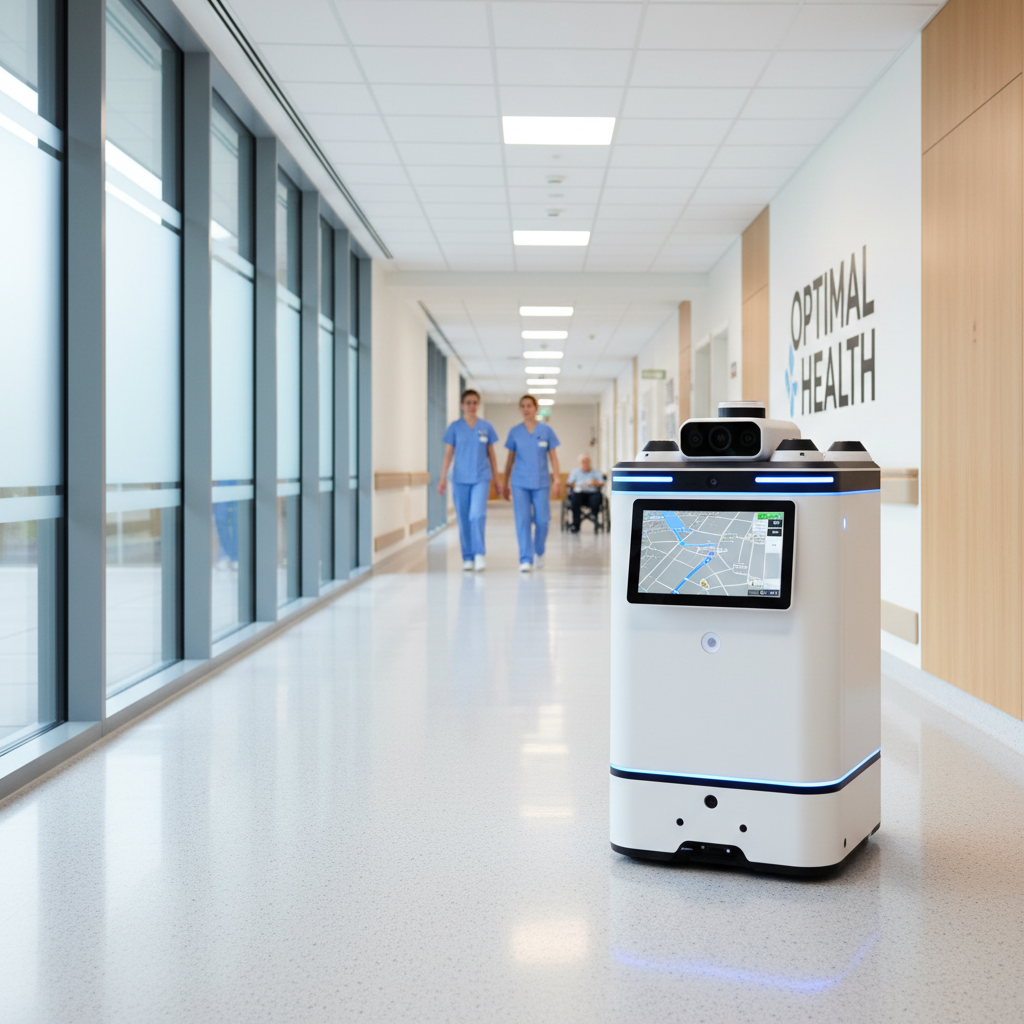
Once the Total Cost of Ownership is established, the focus shifts to the timeline of recovery. The standard mathematical foundation for assessing healthcare robotics ROI Australia is the Payback Period formula:
Payback Period = Total Investment Cost / Annual Net Savings
In a Victorian clinical setting, the most significant variable in this equation is the reclaimed labor hour. Currently, Australian registered nurses (RNs) command average labor rates between $50 and $75 per hour when including superannuation and overheads. If a logistics robot automates just one hour of fetch and carry tasks per shift, a ward with five nurses per shift reclaims five hours of clinical time every day. Over a year, this equates to 1,825 hours of human expertise redirected back to patient care, representing an annual net saving of approximately $109,500 based on a conservative $60 per hour rate.
For most Autonomous Mobile Robots (AMRs) performing delivery or disinfection tasks, the payback period typically falls between 12 and 18 months. These units are highly efficient at specific, high frequency workflows. In contrast, humanoid service robots often require a higher initial capital investment and more complex custom software integration to handle social or multi-functional tasks. While their payback period may extend toward the 24 to 36 month mark, they often provide lower long term operating costs due to their versatility across multiple departments. By using these local labor rates as a baseline, administrators can move beyond guesswork to build a rigorous, data driven business case for robotics integration for healthcare that justifies the shift from manual logistics to automated systems.
Robotics as a Service (RaaS) versus Capital Expenditure for Australian Facilities
Choosing the optimal procurement model is as critical as selecting the hardware itself when calculating healthcare robotics ROI Australia. While purchasing a fleet outright through Capital Expenditure (CapEx) allows for asset ownership and long term depreciation, it often necessitates a protracted board level approval process. For many Victorian aged care providers and schools, the high initial barrier of CapEx can stall necessary automation projects during critical workforce shortages.
Robotics as a Service (RaaS) offers a practical alternative by shifting the cost to an operational expense (OpEx). Under this model, facilities pay a monthly subscription, typically ranging from $1,500 to $8,000 depending on the platform complexity and the required custom software integration. This approach moves the discussion from a major capital debate to a manageable monthly fee that often fits within existing departmental budgets.
Financial Factor | Capital Expenditure (CapEx) | Robotics as a Service (RaaS) |
|---|---|---|
Upfront Investment | Substantial | Low to zero |
Budget Category | Capital Budget | Operating Budget (OpEx) |
Risk Profile | Technology obsolescence | Service provider handles updates |
Maintenance | Facility responsibility | Included in subscription |
This model is particularly effective for robotics integration for healthcare because it hedges against rapid technological change. As new sensors or AI capabilities emerge, RaaS contracts often allow for easier hardware upgrades, ensuring the facility is never tethered to obsolete equipment while maintaining a predictable cash flow. This financial flexibility allows administrators to respond dynamically to staffing gaps without waiting for the next multi year budget cycle.
The Hidden ROI of Regulatory Compliance and TGA Support

While procurement models dictate cash flow, regulatory misalignment represents the single greatest risk to healthcare robotics ROI Australia. In the Victorian clinical landscape, the Therapeutic Goods Administration (TGA) governs any device used for the prevention, monitoring, or treatment of disease. If an autonomous mobile robot is tasked with bedside monitoring or diagnostic support, it may be classified as a medical device. Purchasing hardware that lacks the necessary TGA registration for its specific clinical application can lead to an immediate "sunk cost," where equipment remains grounded due to legal liability and insurance exclusions.
Compliance costs extend into data privacy and physical safety. Robots equipped with vision systems and LIDAR capture vast amounts of environmental and personal data, triggering strict obligations under the Australian Privacy Act 1988 and the My Health Record Act. A data breach or a failure in cybersecurity protocols does not just result in reputational damage; the financial penalties and potential litigation costs can quickly exceed the initial hardware investment. Expert integrators must account for these liabilities during the initial feasibility stage to ensure the technology remains an asset rather than a liability.
Exaptec mitigates these risks through specialized robotics integration for healthcare. We ensure that every deployment adheres to Australian safety standards for mobile platforms, preventing facility accidents that lead to costly insurance spikes. By providing custom software integration that aligns with local data residency requirements, we protect the long term financial viability of the project. Navigating these regulatory hurdles at the outset is a critical component of ROI insurance, ensuring that your facility does not invest in technology that it is legally unable to deploy within a sensitive clinical or educational environment.
Measuring Intangible Returns: Staff Retention and Patient Experience
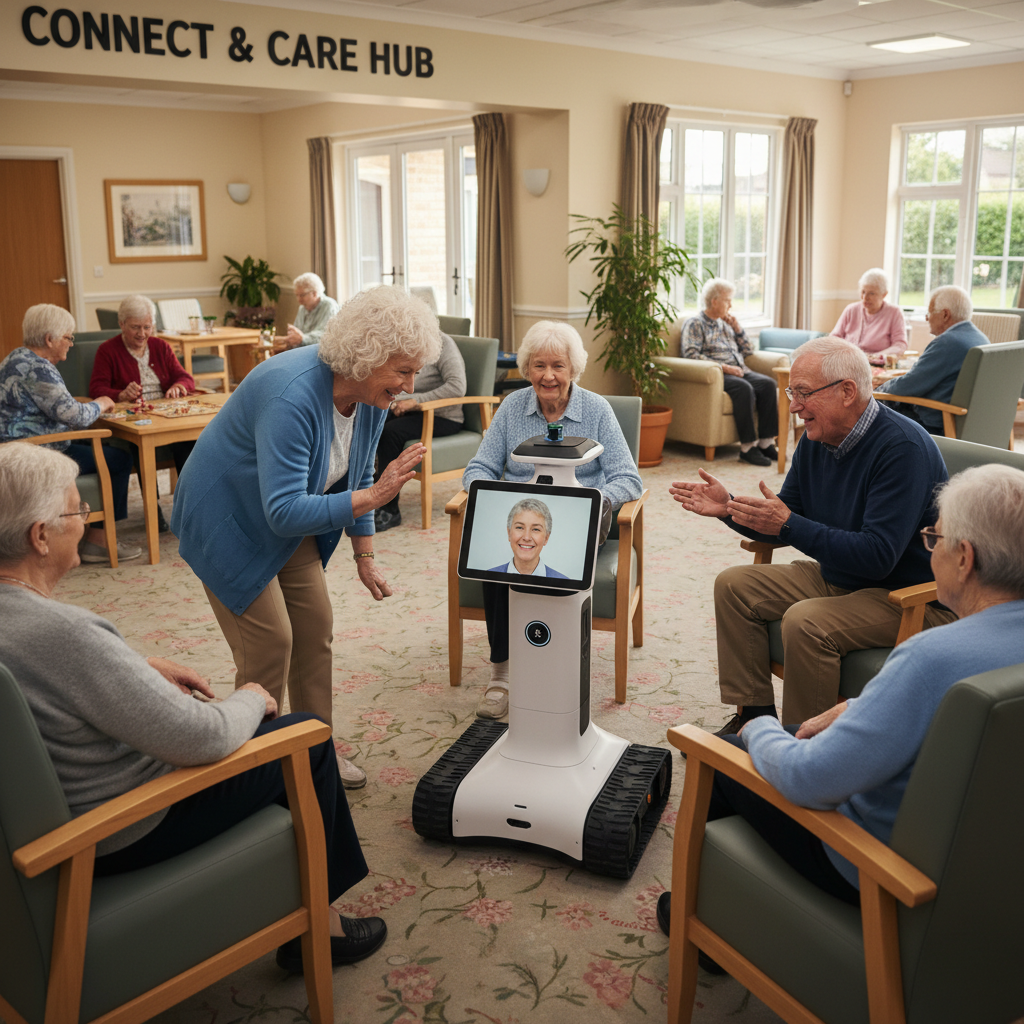
Evaluating the impact of automation requires looking beyond direct labour hours to the soft ROI of human capital. A common concern regarding the downsides of using robots in healthcare is the fear of losing the human touch. In practice, the opposite is often true. By offloading repetitive, strenuous logistics, robots mitigate the primary driver of the Australian nursing exodus: burnout. In the Victorian market, the cost of replacing a single registered nurse frequently exceeds $20,000 when accounting for recruitment, agency bridging, and specialised onboarding. Effective robotics integration for healthcare serves as a strategic retention tool, keeping experienced clinicians at the bedside rather than at the exit door.
Patient outcomes provide another layer of healthcare robotics ROI Australia, particularly within the aged care sector. Telepresence robots allow residents to maintain frequent, high-definition social connections with family members who may be interstate or overseas. Research indicates that reducing social isolation in elderly populations directly correlates with better cognitive health and a reduction in depressive symptoms. From a facility perspective, a more engaged and mentally active resident population leads to fewer incidents and lower long-term intervention costs. These improvements in quality of life are not just ethical wins; they are financial safeguards against the escalating costs of high-needs care. Achieving these outcomes relies on custom software integration to ensure telepresence tools are accessible to residents and integrated into the facility’s daily communication protocols.
Feasibility Roadmap: How Exaptec Validates Your ROI Before Deployment
Moving from theoretical benefits to a functional business case requires a structured validation process. Exaptec utilizes a feasibility roadmap that treats custom software integration and comprehensive staff training as essential ROI insurance. Rather than recommending an immediate facility wide rollout, we advocate for targeted pilot programs within a single ward or school wing. This controlled deployment generates the localized data necessary to prove the financial model, measuring exactly how many clinical hours are reclaimed in your specific operational environment.
This phase focuses on technical interoperability, ensuring that robotics integration for healthcare involves mobile platforms that sync with your internal networks and security protocols. By the end of a pilot, administrators possess a data driven blueprint for scaling. This evidence based approach ensures that as the 2026 workforce shortage intensifies, your facility is not just purchasing hardware, but implementing a validated solution. To begin assessing your facility’s readiness, you can contact Exaptec for a consultation to map out a site specific integration strategy that secures long term healthcare robotics ROI Australia.
Ultimately, managing the true cost of robotics involves looking past the price tag to evaluate long-term efficiency and care quality. While the path to a positive ROI is clear, the complexities of procurement and deployment require careful planning. If you want expert help navigating these technical and financial requirements, our Services provide a pathway to seamless integration. We can assist your organization in identifying the right solutions and ensuring that every robot adds measurable value to your facility, staff, and patients.