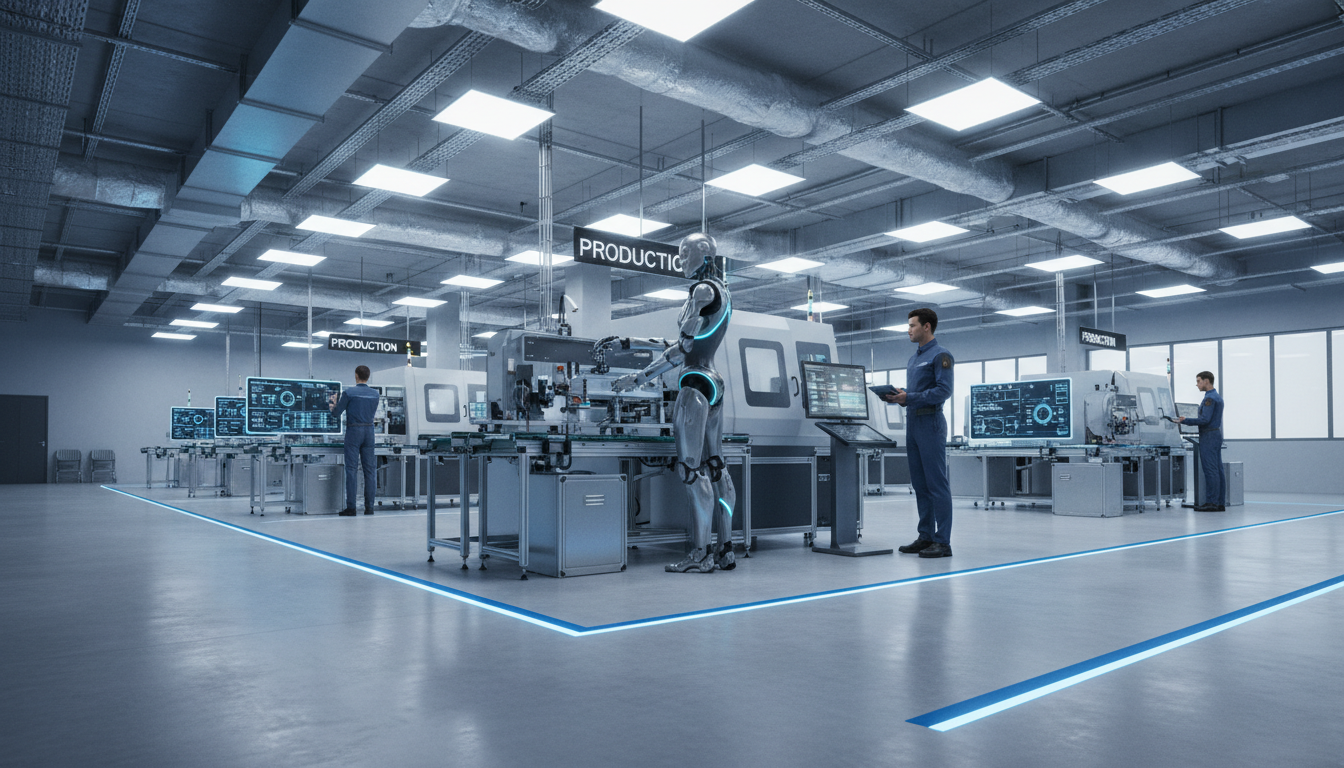
A security robot Australia enables 24/7 autonomous surveillance for hospitals and campuses through AI navigation and sensor fusion to detect threats in real time. These quadruped and wheeled systems lower operational costs while providing reliable, high-tech patrol coverage across both indoor and outdoor environments.
Maintaining comprehensive site security across sprawling Australian campuses or high stakes hospital environments presents a constant challenge for facility managers facing labor shortages and rising operational costs. Traditional stationary cameras and human patrols often leave critical blind spots in perimeters and sensitive data centers. This reality demands a more agile, technologically integrated approach to site safety. By deploying autonomous quadruped robots, organizations can achieve a persistent security presence that traditional methods simply cannot match. This article examines the shifting landscape of security automation in Australia, specifically focusing on why quadruped robot dogs outperform wheeled models in complex architectural settings. We will detail practical applications for healthcare and education, navigate the nuances of Australian regulatory compliance, and provide a clear roadmap for implementing a successful robotic security pilot within your existing infrastructure.
The Rise of Autonomous Security Patrols in Australian Healthcare and Education
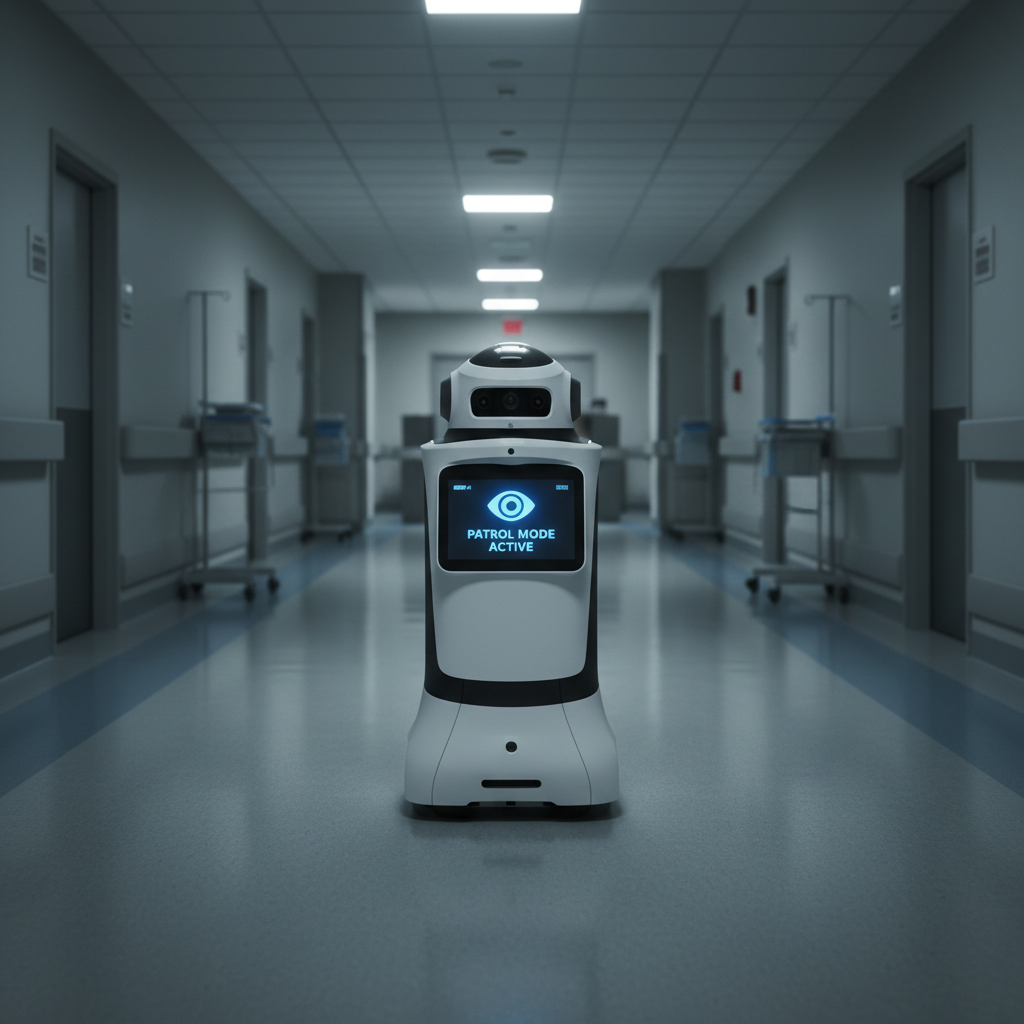
The Australian security landscape is facing a critical inflection point. As identified in the Jobs and Skills Australia Occupation Shortage List, the demand for licensed security personnel is rapidly outstripping supply, with forecasts suggesting a severe nationwide deficit by 2026. For facility managers overseeing sprawling Melbourne university quads or complex Victorian hospital networks, this labor shortage makes traditional manual patrols increasingly unsustainable and expensive. Relying solely on human staff for repetitive, high volume perimeter checks often leads to gaps in coverage and significant staff burnout.
This shift has accelerated the adoption of a security robot Australia can depend on for consistent, 24/7 visibility. Unlike fixed cameras that offer a limited, static perspective, autonomous mobile platforms move through environments to inspect blind spots, secure multi level car parks, and monitor ward perimeters. These units do not replace the human element; instead, they act as a sophisticated extension of the security team, handling the monotonous work while providing a precise digital record of every patrol. By integrating these systems through the Exaptec robotics portfolio, facilities gain a persistent presence that addresses staffing gaps without compromising on safety standards or operational readiness.
Why Quadruped Robot Dogs Outperform Wheeled Robots in Security Patrols
Choosing the right mobility platform depends entirely on the terrain of the Australian built environment. While wheeled robots are efficient for flat, modern hospital wings or paved car parks, they frequently encounter terminal obstacles in older Victorian infrastructure. A single step in a 19th-century university building or a steep curb at a hospital loading dock can render a wheeled unit immobile. In contrast, quadruped robots, often referred to as robot dogs, provide the mechanical flexibility required to navigate these complex spaces.
Platforms like the Unitree B2 and Boston Dynamics Spot excel where traditional automation fails. These units can traverse grassy university quads, climb internal stairs, and step over drainage grates or debris in industrial loading zones. This mobility ensures that a security robot Australia can rely on provides comprehensive coverage rather than being restricted to specific flat zones. For facility managers, this means a single unit can move from a paved entrance to a gravel perimeter path without human intervention.
Feature | Wheeled Robots | Quadruped Robots (e.g., Unitree B2) |
|---|---|---|
Terrain | Paved, flat surfaces only | Grass, gravel, and uneven concrete |
Obstacles | Blocked by stairs or curbs | Climbs stairs and clears 20cm+ obstacles |
Deployment | Modern wings, warehouses | Heritage buildings, quads, loading docks |
Stability | High on flat ground | Dynamic balance on shifting surfaces |
Navigating crowded hospital corridors or busy student hubs requires more than just legs; it requires sophisticated spatial awareness. Quadruped units utilize sensor fusion, combining data from LiDAR, depth cameras, and ultrasonic sensors to build a real time map of their surroundings. This allows the robot to predict the movement of staff and patients, ensuring it maintains a safe distance even in high traffic areas. Through custom software integration, these navigation sets allow the robot to pause, reroute, or alert a human operator if a path is blocked; this maintains the integrity of the patrol schedule without compromising public safety.
Hospital Security Automation: Protecting Wards, Data Centers, and Perimeters
Deploying a security robot Australia wide across medical facilities transforms security from a reactive function into a quantifiable data stream. In Victorian hospitals, a critical application lies in protecting transition zones, such as multi-level car parks during late-night shift changes. A quadruped robot can perform consistent, high-frequency perimeter checks, providing a visible layer of protection for nursing and support staff returning to their vehicles. By acting as a mobile sensor platform, these units record high-definition evidence that is instantly accessible to the central security room, bridging the gap between static CCTV and physical intervention.
Inside the facility, automation secures sensitive environments like medical data centers, where patient confidentiality and infrastructure uptime are paramount. Unlike human patrols, which may vary in timing or depth due to fatigue, a robot delivers a measurable patrol. Every inspection generates a granular digital record of door status, thermal anomalies in server racks, and unauthorized presence. This eliminates the abstract promise of security, replacing it with verifiable logs that satisfy internal audits and regulatory compliance support requirements.
To mitigate the initial capital expenditure, Exaptec provides a Robot-as-a-Service (RaaS) model. This framework allows hospital administrators to integrate units from the Exaptec robotics portfolio through an operational expenditure budget, ensuring the technology remains current without the burden of long-term asset depreciation. Through custom software integration, these RaaS deployments link directly into existing Video Management Systems (VMS), ensuring that every ward check or perimeter sweep is integrated into the broader security dashboard for immediate human verification.
Campus Security for Schools and Universities: Visible Deterrence and Real Time Monitoring
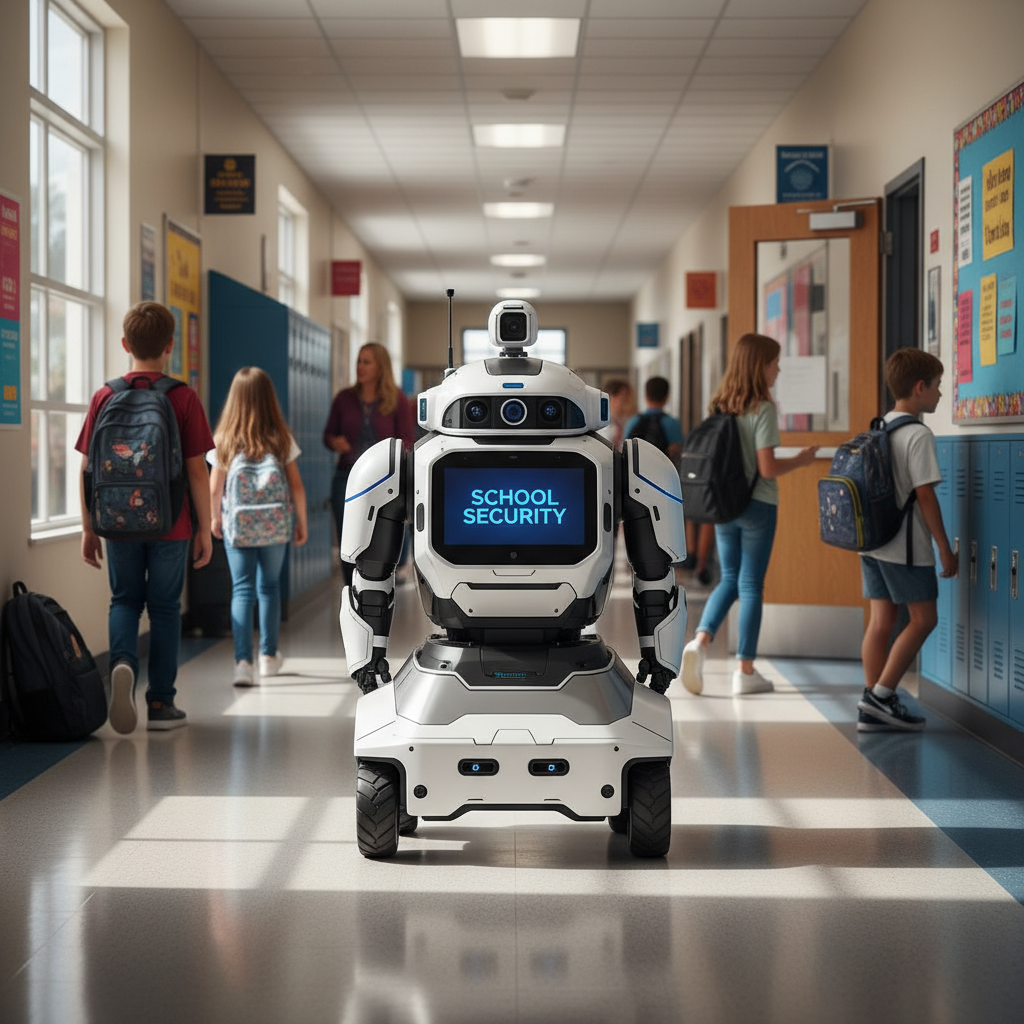
Australian educational institutions face unique challenges in securing vast, open campuses that often blend into surrounding suburbs. A security robot Australia can implement provides a highly visible deterrent against unauthorized entry during after-hours periods. Unlike fixed alarm systems, a quadruped unit equipped with searchlights and police-style warning lights serves as a clear signal of active surveillance. Through the Exaptec robotics portfolio, schools can deploy units capable of broadcasting pre-recorded messages or two-way audio alerts, allowing a remote operator to challenge intruders verbally before a situation escalates.
For those asking "what does a quadruped robot do" in a school setting, it functions essentially as a mobile sensor platform. It continuously scans for anomalies, such as open windows in a science block or unexpected thermal signatures in a library. This data is not processed in a vacuum; the unit transmits real-time evidence, including high-definition video and LiDAR maps, directly to a central security room. This ensures that human guards are not spending hours walking the same fence line, but are instead focused on high-level decision-making when the system flags a verified concern.
By automating the monotonous work of routine perimeter checks, universities can redistribute their licensed personnel to student welfare roles or emergency response. This approach uses custom software integration to ensure the robot’s telemetry feeds directly into existing security dashboards, providing a seamless operational chain where the robot observes and the human operator verifies. This synergy optimizes campus safety without the overhead of additional human staffing in an increasingly tight labor market.
Addressing Privacy and Regulatory Compliance for Australian Security Robots

Effective deployment of a security robot Australia wide requires navigating a complex legal landscape. Central to this is the Privacy Act 1988, which governs how personal information is collected, stored, and utilized. Because quadruped robots function as mobile sensor platforms, they often capture footage or biometric data in areas previously considered private or out of view of fixed CCTV. Exaptec addresses these concerns by implementing strict data handling protocols within our custom software integration services, ensuring that facial recognition features or identifiable data are processed in alignment with Australian Privacy Principles (APPs). This includes establishing clear policies on data residency and securing local storage to prevent unauthorized cloud access.
In the healthcare sector, regulatory requirements become even more specific. If a robot sensor suite is used for remote patient monitoring or diagnostic assistance, the equipment may fall under the jurisdiction of the Therapeutic Goods Administration (TGA). Determining whether a unit constitutes a medical device depends on its intended use and the specific sensors involved. Exaptec provides comprehensive regulatory compliance support to help facility managers categorize their fleet correctly, ensuring that every deployment meets the necessary safety and performance standards for sensitive clinical environments.
Beyond legal frameworks, successful integration depends on the human-to-robot relationship. Introducing embodied AI into a bustling hospital ward or school campus can lead to operational friction if staff are unprepared. We provide specialized training modules that teach security teams and administrative staff how to interact with the robots safely. This training covers everything from understanding LiDAR-based obstacle avoidance to managing emergency overrides. By choosing a partner from the Exaptec robotics portfolio, organizations ensure their staff are not just observers, but skilled operators who can maintain compliance while maximizing the utility of the autonomous system.
Integration and Implementation: How to Run a Successful Robotic Security Pilot
Transitioning from compliance to physical deployment requires a structured pilot program designed to validate performance within specific facility constraints. The initial phase involves high fidelity mapping, where the unit uses its onboard sensors to create a digital twin of the environment. During this process, facility managers must define prohibited areas through precise geofencing. These zones, such as sterile operating theaters, sensitive laboratories, or designated child care centers, are hard coded into the navigation stack to ensure the unit never enters sensitive spaces without explicit authorization.
Integration depends heavily on custom software integration to prevent the robot from becoming a siloed asset. The goal is a unified security posture where the robot talks directly to your existing Video Management System (VMS) or security operations center (SOC) dashboard. Exaptec configures these systems so that mobile telemetry and high definition video feeds appear as standard inputs, allowing your team to monitor alerts within familiar interfaces. This maintains the essential human in the loop principle; the system automates the monotonous observation, but a licensed operator retains control over the final response.
Pilot Phase | Activity | Primary Outcome |
|---|---|---|
Site Mapping | LiDAR SLAM data collection | Accurate digital twin and patrol pathing |
Zone Definition | Geofencing and prohibited area coding | Safety compliance in sensitive clinical zones |
System Sync | Unified VMS and dashboard visibility | |
Live Validation | Supervised shadow patrols | Verified reliability before full autonomy |
Selecting a unit from the Exaptec robotics portfolio is the foundation of this process. Success then lies in the iterative expansion of the patrol route, starting with low traffic perimeters before moving to complex indoor environments. This phased approach allows for the fine tuning of functional safety parameters, ensuring that a security robot Australia depends on can navigate safely around dynamic obstacles, such as moving medical carts or congregating student groups, without causing operational friction.
The adoption of quadruped patrol robots represents a significant leap forward for security automation in hospitals and academic environments. These versatile machines provide consistent monitoring and improved safety outcomes for complex facilities. If you want expert help navigating the integration of these robotic systems into your existing operations, we are ready to guide you through the process. Feel free to read more about our mission at Exaptec; we focus on making advanced automation accessible and effective for every client we serve.