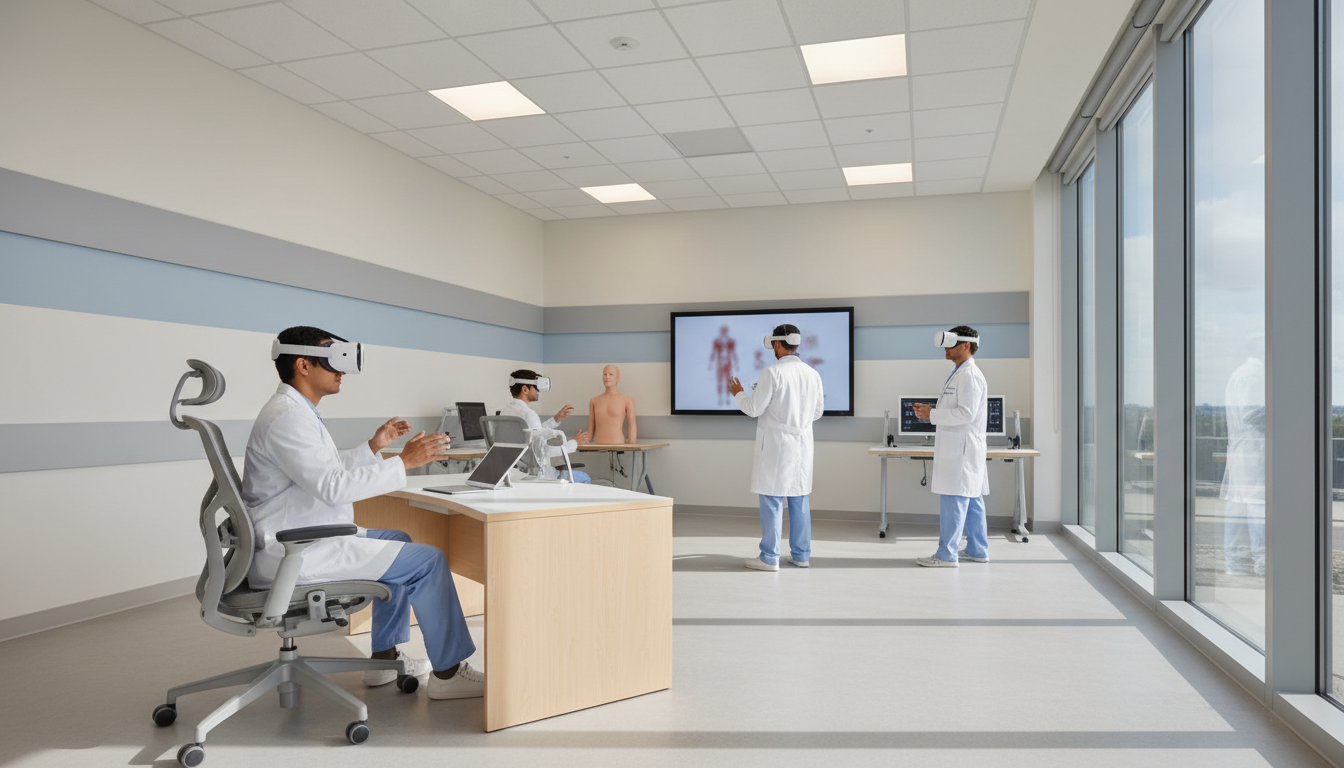
Australia is addressing critical labor shortages by developing a specialized robotics workforce Australia healthcare education skills pipeline through sustainable training pathways and diverse recruitment strategies. This approach integrates collaborative automation into aged care and school facilities to improve productivity and support the existing human workforce.
As healthcare and education facilities across Australia grapple with persistent staffing shortages and increasing operational demands, the pressure to integrate robotics has moved from a future goal to an immediate necessity. Many facility managers find themselves stuck between the promise of automation and the reality of a workforce that lacks the specific technical training required to manage these systems effectively. This gap represents a significant risk to operational efficiency and compliance as we approach critical milestones in the National Robotics Strategy. In this article, we will examine the essential skills your team needs by 2026; we will also explore the strategic importance of collaborative automation in clinical settings and how custom software integration ensures your staff actually embraces these new tools. You will learn how to build a robust pipeline that transforms your workforce into a tech-ready powerhouse.
The 2026 Shift: Why Robotics Skills are Non-Negotiable in Australian Facilities
By 2026, the intersection of Australian labor shortages and technological maturity will reach a critical tipping point. This shift is not about machines replacing human workers; it is a necessary response to a shrinking workforce. According to Jobs and Skills Australia, there are currently 376,300 people employed as aged and disabled carers. While this number is significant, it remains insufficient to meet the projected demand of an aging population and the increasing complexity of modern healthcare.
In Victoria, healthcare and education facilities are already navigating the consequences of falling productivity, which slowed to a mere 1.2% per year over the last two decades. To maintain operational standards and safety, facilities must transition toward a model where human staff are augmented by autonomous mobile robots (AMRs) and telepresence solutions. This evolution creates an immediate, non-negotiable requirement for robotics-literate employees who can manage these systems effectively.
Successful adoption requires more than just unboxing hardware. Organizations need a strategic approach to custom software integration to ensure robots align with specific facility workflows. Exaptec serves as the bridge for these providers, offering the staff training and regulatory compliance support necessary to transform high-tech machinery into reliable local assets. By upskilling the current robotics workforce Australia healthcare education skills become a core competency, allowing professionals to focus on high-value care while robots handle logistical burdens.
Navigating the National Robotics Strategy: Theme 4 and Local Implementation

The National Robotics Strategy serves as a high-level framework for Australia's technological future, but for a hospital administrator in Melbourne or a school principal in Victoria, the immediate value lies in Theme 4: Skills and Diversity. This specific theme prioritizes building sustainable education pathways to ensure the Australian workforce is not just observing the arrival of automation, but actively mastering it. The government’s focus on micro-credentials through TAFE and vocational providers offers a concrete mechanism for facilities to upskill their current teams without the need for multi-year degree programs.
For those in healthcare and education, this translates to leveraging vocational training to address specific gaps in the robotics workforce Australia healthcare education skills pipeline. These pathways are designed to be accessible and fast-tracked, allowing staff to gain competency in operating autonomous mobile robots or managing telepresence systems. Administrators can look toward the National Reconstruction Fund, a $15 billion initiative, which aims to support the modernization of Australian industry. This fund represents a significant opportunity for facilities to secure the investment needed for transition, provided they have a clear strategy for workforce development.
Exaptec facilitates this local implementation by providing targeted staff training that aligns with these national objectives. By focusing on practical, on-site competency, we ensure the strategy’s goal of building a diverse, tech-literate workforce becomes a reality. This proactive approach allows existing employees, from facility managers to educators, to become the primary operators of robotic assets, ensuring that technology serves the specific clinical or pedagogical needs of the institution.
Critical Skills for the Modern Robotics Technician and Facility Operator
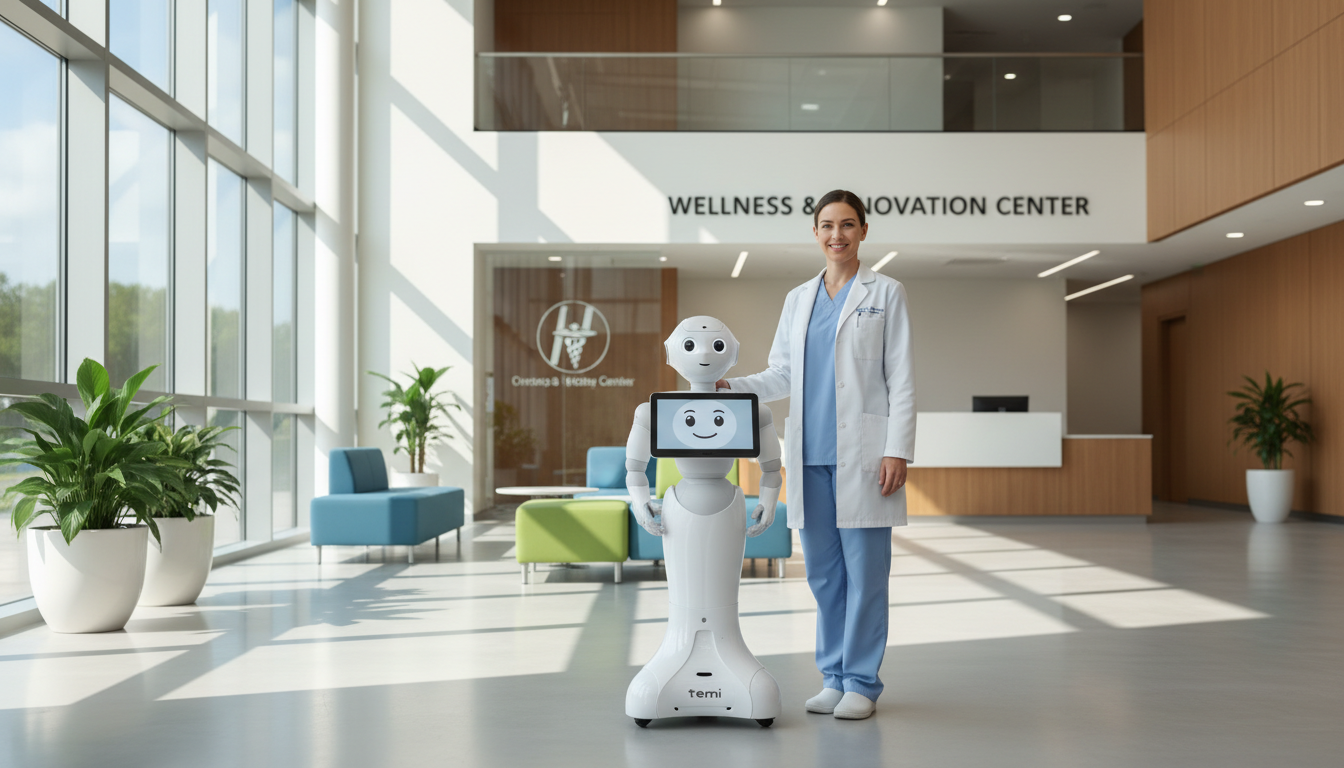
Bridging the gap between national strategy and daily facility operations requires identifying the specific competencies needed for success on the ground. When addressing what skills you need to be a robotics technician in a clinical or educational setting, the answer is no longer limited to mechanical repair. Modern technicians must possess a deep understanding of sensor arrays, LiDAR navigation, and custom software integration to ensure machines move safely through unpredictable environments like hospital corridors or school hallways.
The technical requirements for a specialized technician include: - Sensor calibration and troubleshooting for Simultaneous Localization and Mapping (SLAM). - Network connectivity management to maintain low-latency telepresence. - API management to ensure robots communicate with existing facility management systems.
However, a technician's expertise must be balanced with critical soft skills. In healthcare and education, human-robot interaction (HRI) is paramount. This includes a robust understanding of ethics and patient privacy, ensuring that camera-equipped robots do not compromise sensitive data or personal dignity. These specialized roles differ significantly from the "robot-ready" facility staff member. A nurse or teacher does not need to be an engineer; they need the staff training to manage autonomous mobile robots (AMRs) as everyday tools. This involves knowing how to redirect a robot if it encounters a physical obstacle, managing charging cycles, and explaining the machine's presence to patients or students to foster acceptance.
Developing the robotics workforce Australia healthcare education skills pipeline means acknowledging these two distinct tiers of expertise. While the technician handles the back-end complexity and regulatory compliance support, the facility operator ensures the robot adds tangible value to the human experience. Mastery in both areas is essential to moving beyond initial pilot programs and into permanent, high-functioning automation that supports a strained workforce.
Bridging the Healthcare Worker Shortage with Collaborative Automation
The narrative surrounding automation often incorrectly suggests a direct replacement of human staff. In reality, the integration of robotics into Victorian hospitals and aged care facilities focuses on collaborative automation designed to alleviate the physical and cognitive burden on a strained workforce. By deploying autonomous mobile robots (AMRs) to handle repetitive logistical tasks, such as transporting linens, delivering meals, or conducting routine security patrols, facilities can significantly reduce the physical strain that leads to staff burnout and injury.
This shift allows clinicians and carers to reallocate their time toward high-value patient interactions that machines cannot replicate. For instance, a telepresence robot can facilitate remote patient monitoring or specialist consultations, reducing the need for staff to physically traverse large hospital campuses for every routine check. This is not about removing the human element; it is about providing the staff training necessary to use robots as force multipliers. When machines handle facility inspections and heavy lifting, the human workforce can focus on the complex, empathetic care that defines the Australian healthcare sector.
To achieve this balance, the development of the robotics workforce Australia healthcare education skills must include the ability to manage these collaborative workflows effectively. Successful implementation requires custom software integration to ensure the robot’s behavior aligns with the specific operational needs of a Victorian ward or residential wing. Furthermore, maintaining regulatory compliance support ensures that these collaborative systems meet strict safety standards, protecting both the workers and the patients they serve. This collaborative model ensures that technology supports the workforce, rather than displacing it, creating a more resilient healthcare infrastructure.
The People Behind the Machines: Training and Compliance in Education
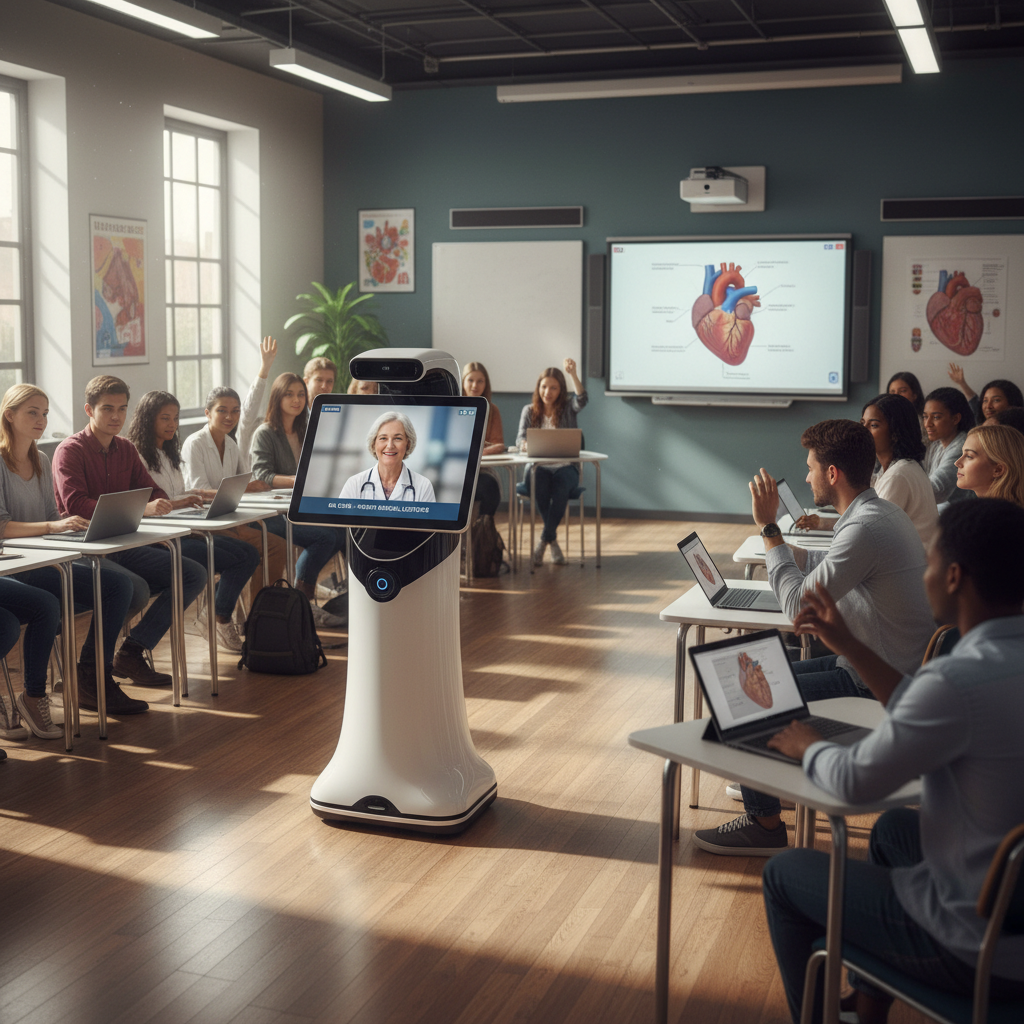
The transition from clinical wards to Victorian classrooms reveals a different set of academic and operational challenges for the robotics workforce Australia healthcare education skills pipeline. While hospitals focus primarily on logistics and monitoring, schools require a workforce capable of managing robots for security and pedagogical inclusion. Facilities across Melbourne are increasingly adopting telepresence robots to link homebound students with their peers, alongside autonomous units for after-hours security patrols and facility inspections. For these technologies to be effective, educators must do more than just operate hardware; they must model confident, ethical robot usage. This visibility is essential for building sustainable education pathways, as outlined in Theme 4 of the National Robotics Strategy, by inspiring students to view robotics as a standard tool in their future careers.
Effective integration hinges on comprehensive staff training that addresses the specific nuances of a school environment. Teachers and campus managers need to understand the intersection of automation and child safety. Because mobile robots utilize cameras and LiDAR sensors for navigation, robust regulatory compliance support is essential to ensure that data privacy and surveillance protocols align with state education standards. By prioritizing these skills, schools ensure that automation enhances campus life without compromising the privacy or safety of the student population. This proactive approach transforms robots from novelties into essential tools for inclusive learning and enhanced facility protection.
Custom Software Integration: The Secret to Workforce Adoption
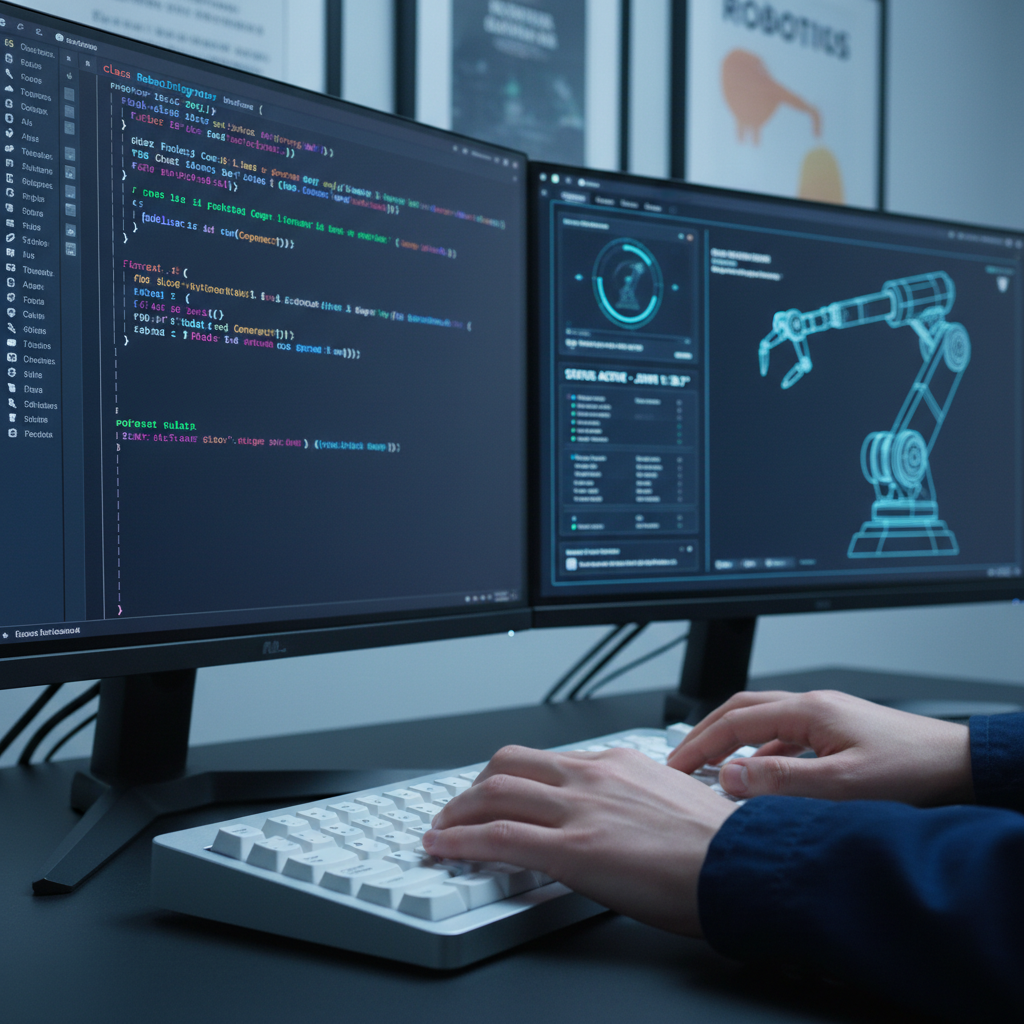
Off-the-shelf robotics platforms are often engineered with a broad, industry agnostic scope that fails to account for the specific nuances of a Victorian aged care wing or a secondary school campus. When a robot arrives with a generic interface, it frequently creates friction. Staff may perceive the machine as an administrative burden rather than a helpful tool, leading to low adoption rates and stalled operational benefits.
At Exaptec, we recognize that custom software integration is the catalyst for genuine workforce acceptance. By redesigning user interfaces to mirror the terminology and logic of a facility’s existing digital environment, we remove the intimidation factor for non-technical employees. For a nurse in a busy Melbourne ward, the robot should be managed through a simplified dashboard that prioritizes clinical logistics over raw technical data.
Successful integration depends on software that maps directly to established facility workflows. If an autonomous mobile robot delivery requires five manual steps on a complex screen, it will likely be bypassed during a busy shift. When the interface integrates with a single tap into current supply chain systems, it becomes indispensable. This precision reduces the learning curve and ensures that building the robotics workforce Australia healthcare education skills is a manageable transition rather than an overwhelming overhaul. Coupling this with regulatory compliance support and targeted staff training transforms a sophisticated machine into a seamless, trusted extension of the human team.
As Australia continues to bridge the gap between robotics innovation and practical application in healthcare and education, the focus remains on building a skilled workforce. Successful integration requires more than just hardware; it demands a strategic approach to training and deployment. If you are looking to navigate this evolving landscape or want expert guidance on implementing the right solutions for your facility, exploring our professional robotics services is a great next step. We are here to help you build a future-ready operation.