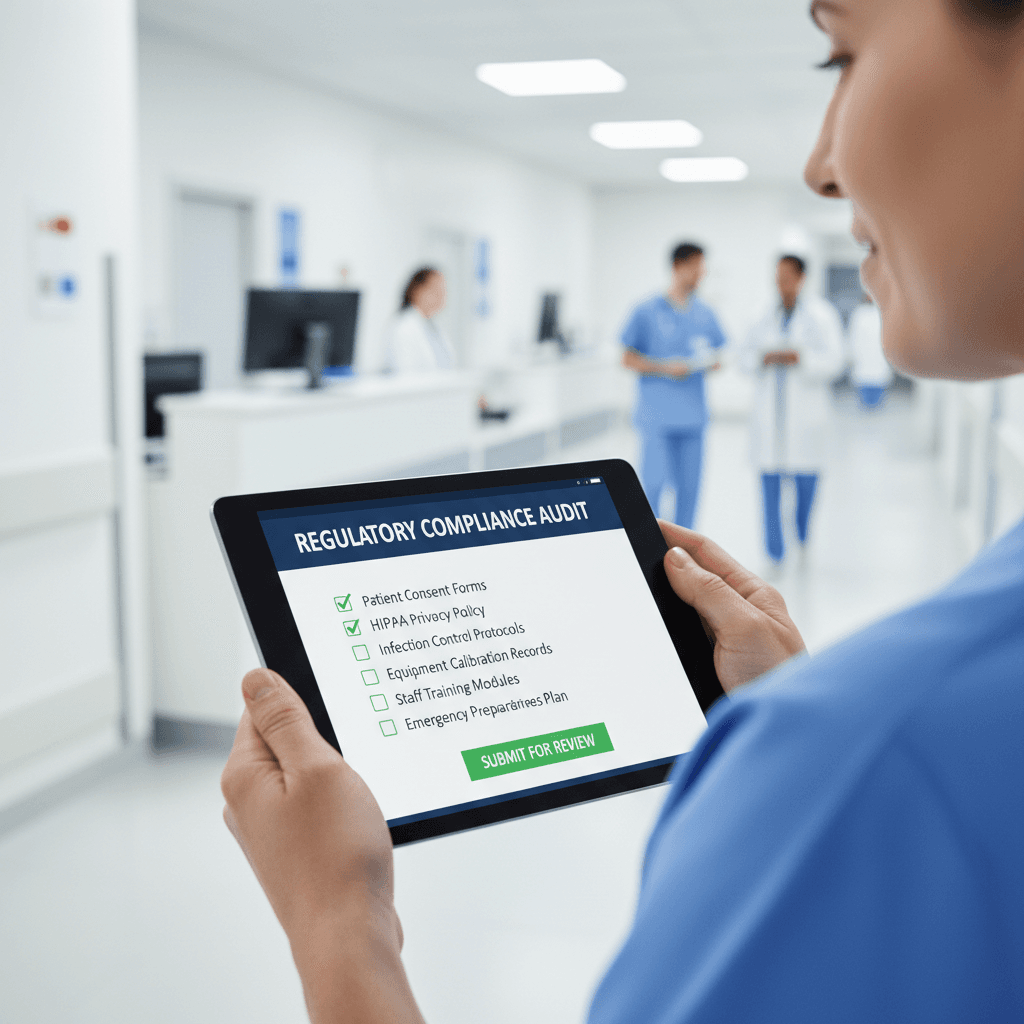
Hospital robots are classified by the TGA based on their intended therapeutic purpose and risk level, with autonomous service robots typically falling outside jurisdiction while clinical robots are regulated as active medical devices. Determining the specific hospital robot medical device TGA classification involves evaluating software functions and patient impact; these classifications range from Class I for low risk to Class III for high risk technologies.
Deploying robotics in a clinical environment often feels like navigating a regulatory labyrinth where one wrong turn leads to significant delays or costly compliance audits. For healthcare leaders and robotics developers, the distinction between a simple logistics unit and a regulated medical device under the Therapeutic Goods Administration is not always clear. Misjudging this boundary risks more than just project timelines; it invites legal scrutiny and operational friction. This guide provides a definitive roadmap for Australian innovators. We will dissect the Section 41BD therapeutic purpose test, analyze the nuanced shift from social telepresence to clinical diagnostics, and explain the TGA classification hierarchy from Class I to III. You will gain a practical understanding of how to categorize your fleet, ensuring your autonomous systems meet the rigorous safety standards required for the modern hospital ward.
Understanding the Regulatory Line for Healthcare Robotics in Australia
Victorian hospitals and aged care facilities are rapidly integrating autonomous systems to manage staffing pressures and improve operational efficiency. From Melbourne’s large metropolitan campuses to regional clinics, robotics integration in healthcare is no longer a futuristic concept but a daily reality. However, a significant hurdle for facility managers is determining the hospital robot medical device TGA classification for their specific fleet.
The Therapeutic Goods Administration (TGA) is the regulatory body responsible for evaluating and monitoring therapeutic goods in Australia. The core challenge is that the mere presence of a robot in a clinical environment does not automatically classify it as a medical device. This distinction is critical; it dictates the amount of clinical evidence, rigorous safety testing, and formal registration required before deployment. Proper classification is the first step toward successful custom software integration and long term operational viability.
A robot designed solely for logistics, such as transporting linen or delivering meals through hospital corridors, generally falls under different safety standards than those with a therapeutic purpose. In contrast, a robot used to assist in surgery or provide diagnostic data is subject to strict TGA oversight. Navigating robotics compliance requires understanding exactly where your technology sits on this regulatory line to ensure patient safety and legal adherence.
The Section 41BD Test: Does Your Robot Have a Therapeutic Purpose?
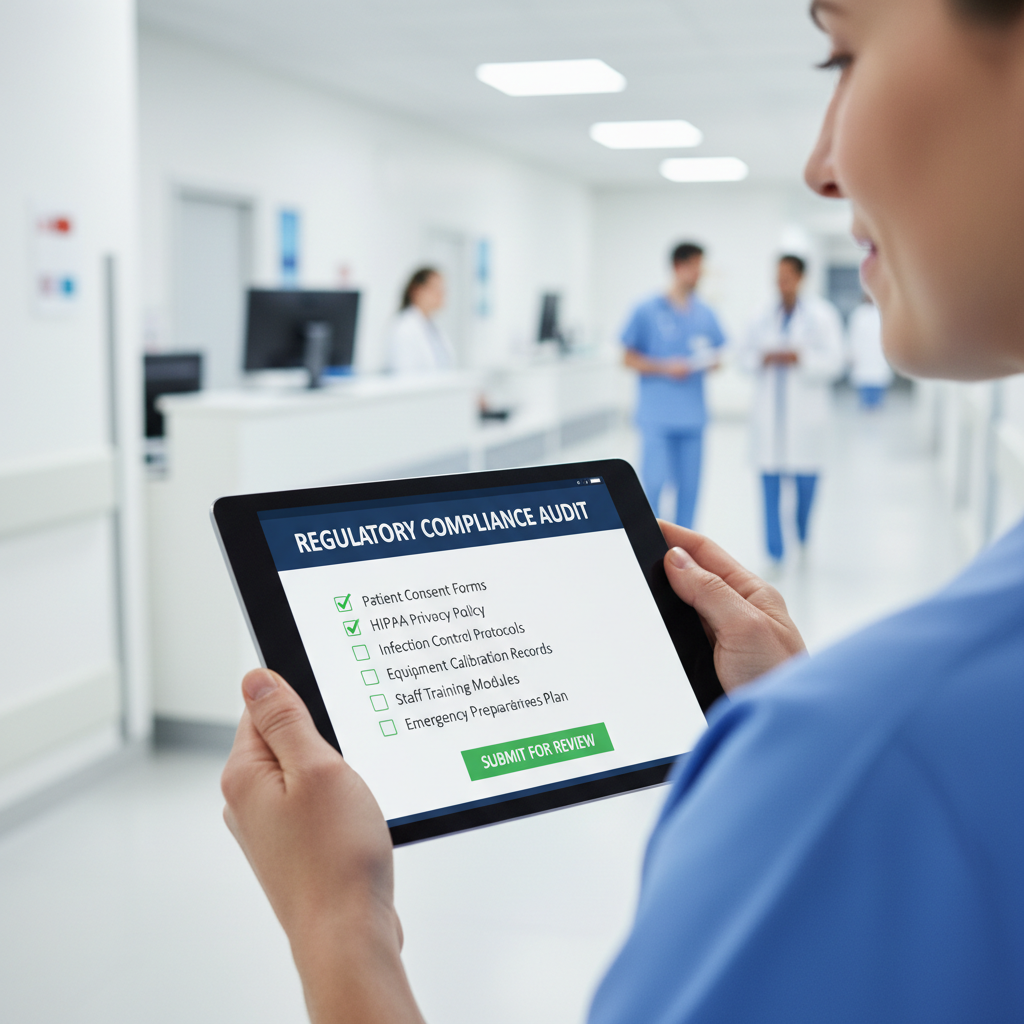
The hospital robot medical device TGA classification hinges entirely on Section 41BD of the Therapeutic Goods Act 1989. This legislation identifies a medical device based on its intended purpose as stated by the manufacturer. If a robot is marketed to diagnose, prevent, monitor, treat, or alleviate a disease, injury, or disability, it enters the regulatory scope of the TGA. The distinction lies not just in the hardware itself, but in the specific clinical claims made about its function.
General purpose equipment remains outside these strict rules. A robot performing facility inspections or carrying refreshments is governed by standard consumer and workplace safety laws rather than therapeutic regulations. For facility managers, navigating robotics compliance means scrutinizing the manufacturer's user manual and marketing materials. Any claim that the technology improves clinical outcomes or manages a specific health condition will likely move it from a piece of automation into a regulated therapeutic good.
Consider a Temi robot deployed within a Melbourne aged care facility as a practical example:
Non-Medical Use: The robot is used strictly for social telepresence, allowing a resident to video call family members or navigate to the dining hall. This is general communication and does not require TGA registration.
Medical Use: The same robot undergoes custom software integration to record patient vitals or provide diagnostic support to a remote clinician. Because the intended purpose is now monitoring a patient's health status, the system may be classified as a medical device.
Identifying the primary function of your robotics integration in healthcare is the first step in determining which regulatory path applies to your fleet.
Operational Robots: Security, Patrol, and Logistics Classification
Autonomous mobile robots (AMRs) deployed for logistics, security patrols, and facility inspections within Victorian healthcare precincts typically sit outside the TGA regulatory framework. Because these machines lack a therapeutic purpose, they do not meet the criteria for a hospital robot medical device TGA classification. Instead, their deployment is governed by Work Health and Safety (WHS) laws and specific Australian Standards for machinery and automated guided vehicles.
In a busy hospital environment, a robot patrolling for security breaches or transporting pharmacy supplies is considered a piece of industrial or service equipment. These systems must comply with standards such as AS/NZS 4024 for machinery safety, focusing on collision avoidance, emergency stops, and physical stability. For facility managers in Melbourne, navigating robotics compliance means ensuring these units operate safely alongside staff and the public without interfering with medical electrical equipment.
While these robots bypass the TGA, they still require rigorous robotics integration in healthcare. This involves custom software integration to manage lift control and fire alarm responses. Facility management standards in Victoria demand that any autonomous system integrated into hospital infrastructure maintains high reliability; this ensures that logistics bots do not become obstacles during emergencies or disrupt critical clinical workflows.
The Telepresence Gray Area: Clinical vs. Social Use Cases
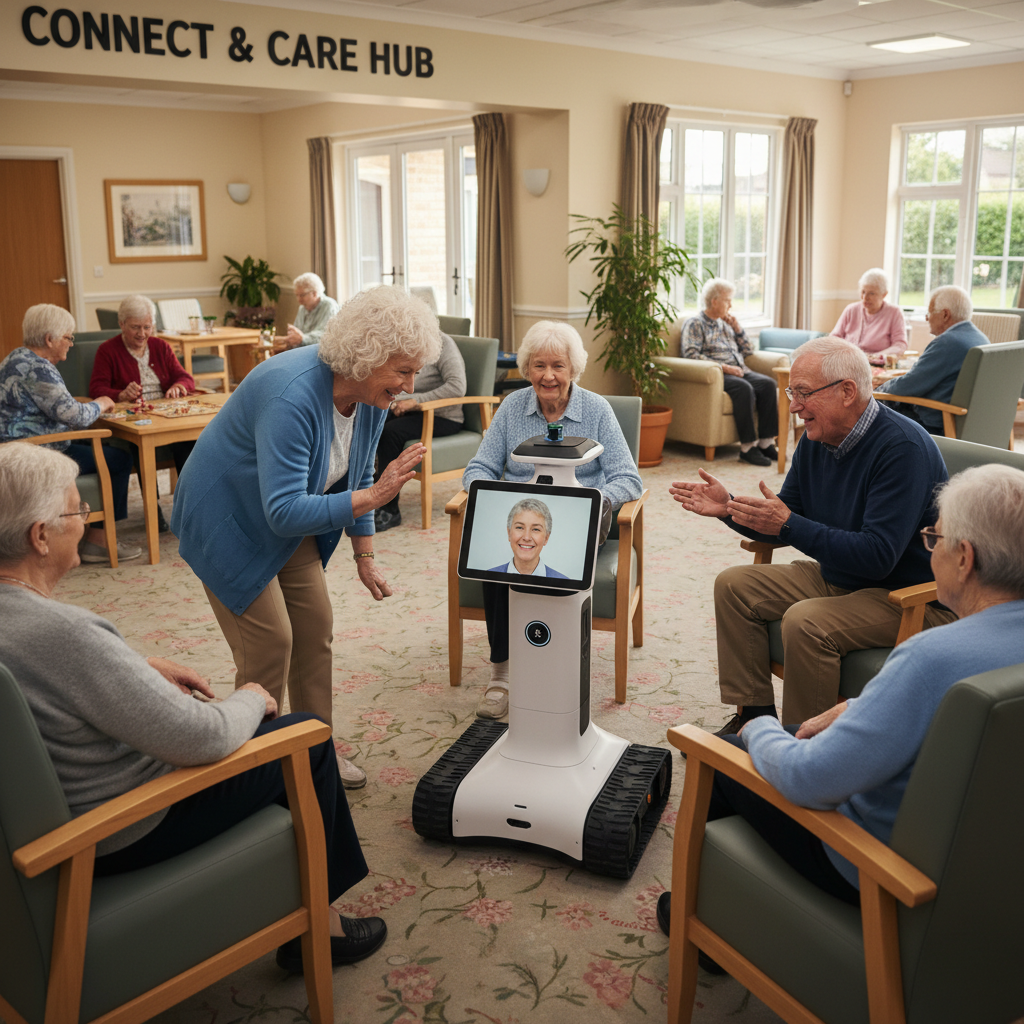
Telepresence robots represent one of the most complex categories for robotics integration in healthcare due to their dual-use nature. The hardware, often a mobile base equipped with a screen and camera, may remain identical across various departments; however, its regulatory status changes based on its intended function.
Social telepresence is the most common application in Victorian aged care and hospitals. When these robots are used to connect residents with family members or to allow patients to virtually attend social events, they are considered communication equipment. These units facilitate social well-being rather than treating a specific pathology, meaning they typically avoid the TGA register.
The classification changes when the system moves into clinical telepresence. If a remote specialist in Melbourne uses the robot to perform diagnostic assessments, monitor recovery progress, or provide expert consultation for a patient in a regional facility, the robot’s role is no longer purely social. In these scenarios, the software used to relay clinical data or high-resolution imagery becomes the focal point for regulators.
A frequent question for facility managers is: 'Can software be considered a medical device?' The TGA’s 2021 reforms clarify that it can. Under the Software as a Medical Device (SaMD) framework, if your custom software integration includes diagnostic tools or interprets patient data to assist in clinical decisions, the software itself must be classified and registered. This is vital for navigating robotics compliance because even if the robot chassis is a general-purpose tool, the digital interface it carries might be a regulated therapeutic good.
For Melbourne healthcare providers, this means the hospital robot medical device TGA classification is determined at the application layer. Deploying a fleet for ward rounds requires a different level of validation and clinical evidence than a fleet intended for resident social engagement. Understanding this distinction ensures that your facility maintains compliance without over-regulating purely social communication tools.
TGA Classification Classes: I, IIa, IIb, and III Explained
Once the intended purpose identifies a robot as a therapeutic good, it must be assigned a risk level. The TGA uses a four-tier classification system to determine the level of regulatory scrutiny required for any robotics integration in healthcare. This system is based on the potential harm the device could cause if it malfunctions or is used incorrectly. Assigning the correct hospital robot medical device TGA classification involves evaluating the device’s complexity and the vulnerability of the patient population.
TGA Class | Risk Level | Example Robotic Application |
|---|---|---|
Class I | Low Risk | Simple rehabilitation frames with no active motor control or diagnostic sensors. |
Class IIa | Low-Medium Risk | Telepresence robots used for active patient monitoring or diagnostic screening. |
Class IIb | Medium-High Risk | Robotically assisted surgical equipment (RASE) or complex physical therapy units. |
Class III | High Risk | Robots providing life-sustaining support or direct intervention in critical care. |
For most facilities in Melbourne, autonomous service robots that require custom software integration to assist staff generally fall into Class I or IIa. A robot that merely follows a patient to prevent falls might be Class I; however, if that same robot actively interprets gait data to predict health declines, it moves toward Class IIa. Surgical robots and those interacting directly with vital organs always command Class IIb or III status due to their high clinical impact. Facility leaders should consult the TGA classification rules for active medical devices to ensure their fleet is correctly registered. Accurate assessment is the cornerstone of navigating robotics compliance and maintaining patient safety.
Essential Safety Standards: IEC 80601 and Beyond
The TGA expects manufacturers to demonstrate adherence to specific international standards, particularly the IEC 80601 series, during the registration process. For high-risk applications, IEC 80601-2-77:2019 sets the benchmark for the safety and essential performance of robotically assisted surgical equipment (RASE). If your robotics integration in healthcare involves physical therapy or movement support, IEC 80601-2-78 applies. This standard covers robots that physically interact with patients for rehabilitation, assessment, or the alleviation of disabilities.
Meeting these standards is a prerequisite for a successful hospital robot medical device TGA classification. However, regulatory obligations do not end with therapeutic devices. Robots used for logistics or security must still satisfy broader safety requirements. The IEC 60601 family provides the foundation for medical electrical equipment safety, ensuring devices do not interfere with hospital power systems or other sensitive machinery. Furthermore, autonomous units operating in Melbourne’s public hospital corridors must meet navigation safety protocols to manage human-robot interaction safely. Navigating robotics compliance requires verifying that custom software integration maintains these safety thresholds during live operations.
Software as a Medical Device (SaMD) and AI Reforms

The 2021 TGA reforms introduced stringent oversight for software-based medical devices, specifically targeting how code interacts with patient care. For Melbourne healthcare providers, this means that even if a robot’s hardware is generic, its AI-enabled software may require a separate hospital robot medical device TGA classification. If your custom software integration uses AI to interpret clinical data, such as identifying early signs of delirium or assessing wound healing, it likely falls under the Software as a Medical Device (SaMD) framework.
The TGA distinguishes between AI used for operational autonomy and AI used for therapeutic purposes. While software managing basic navigation around hospital beds focuses on safety, software providing diagnostic recommendations triggers clinical decision support rules. Under the July 2026 TGA clarifications, the intended purpose remains the decisive test under section 41BD of the Act. Developers and facility managers must ensure that any robotics integration in healthcare involving patient monitoring or data interpretation complies with these reforms to ensure patient safety. Navigating robotics compliance in this digital-first landscape requires a deep understanding of how risk-based classification applies to evolving algorithms.
Navigating TGA classification is a complex but essential requirement for deploying robotic medical devices in Australian healthcare. Ensuring your technology aligns with these regulatory standards is the best way to guarantee safety and market success. If you want expert help navigating this landscape or need a partner to guide your strategy, we can provide the necessary support. You can learn more about our experience and how we help businesses succeed on our About page.