Australian healthcare and education leaders must prepare for a significant market expansion in physical AI robotics Australia 2026, driven by high-growth medical automation and predictive health analytics. This convergence utilizes AI-powered fall detection and automated medication dispensing to improve service delivery; it requires stakeholders to focus on workforce training and ethical integration as domestic robotics investments reach record levels.
As we approach 2026, many Australian healthcare and education leaders remain frustrated by the disconnect between digital AI promises and the daily realities of staff shortages and operational strain. You have likely seen chatbots and data tools; yet, the physical workload on your floors remains unchanged. This is about to shift as Physical AI matures, moving robotics from novelty telepresence units to autonomous partners capable of complex environmental interaction. Understanding this convergence is no longer a futuristic exercise; it is a strategic necessity for facility longevity. In this article, we examine the practical roadmap for 2026, covering everything from autonomous patient support and smart campus safety to the regulatory standards you must navigate. We also address the integration gap, revealing why bespoke software remains the linchpin for achieving true return on investment in a robotics first future.
The Evolution of Physical AI: Why 2026 is Australia's Turning Point
Physical AI represents the critical convergence of large language models and autonomous hardware. In the past, robotics relied on rigid, pre-scripted movements; today, we are witnessing a shift toward machines that reason within their physical environments. For facility managers in Melbourne and across Victoria, 2026 marks a pivotal year. The Australian robotics market has expanded to approximately A$1.8 billion, driven by the National Robotics Strategy and a concerted effort to close the gap between our local robot density and the global average of 151 robots per 10,000 workers.
This evolution transforms how automation functions in dynamic spaces like hospitals and schools. Unlike previous generations of robots that required sanitized environments, physical AI robotics Australia 2026 systems utilize foundation models to understand context. In a busy hospital corridor, this means a robot can distinguish between a harmless shadow and a hazardous liquid spill. This level of situational awareness reduces false positives and improves operational safety by allowing the machine to make informed decisions without constant human intervention.
Achieving this level of sophistication requires more than just high quality hardware. It demands custom software integration to ensure the AI interacts correctly with local infrastructure. As these technologies become standard, Exaptec provides the necessary regulatory compliance support and expertise in robotics integration in healthcare to help facilities navigate this transition. By moving beyond simple automation to intelligent reasoning, Victorian organizations can finally deploy fleets that work alongside staff with minimal supervision.
Revolutionizing Australian Healthcare: From Telepresence to Autonomous Patient Support
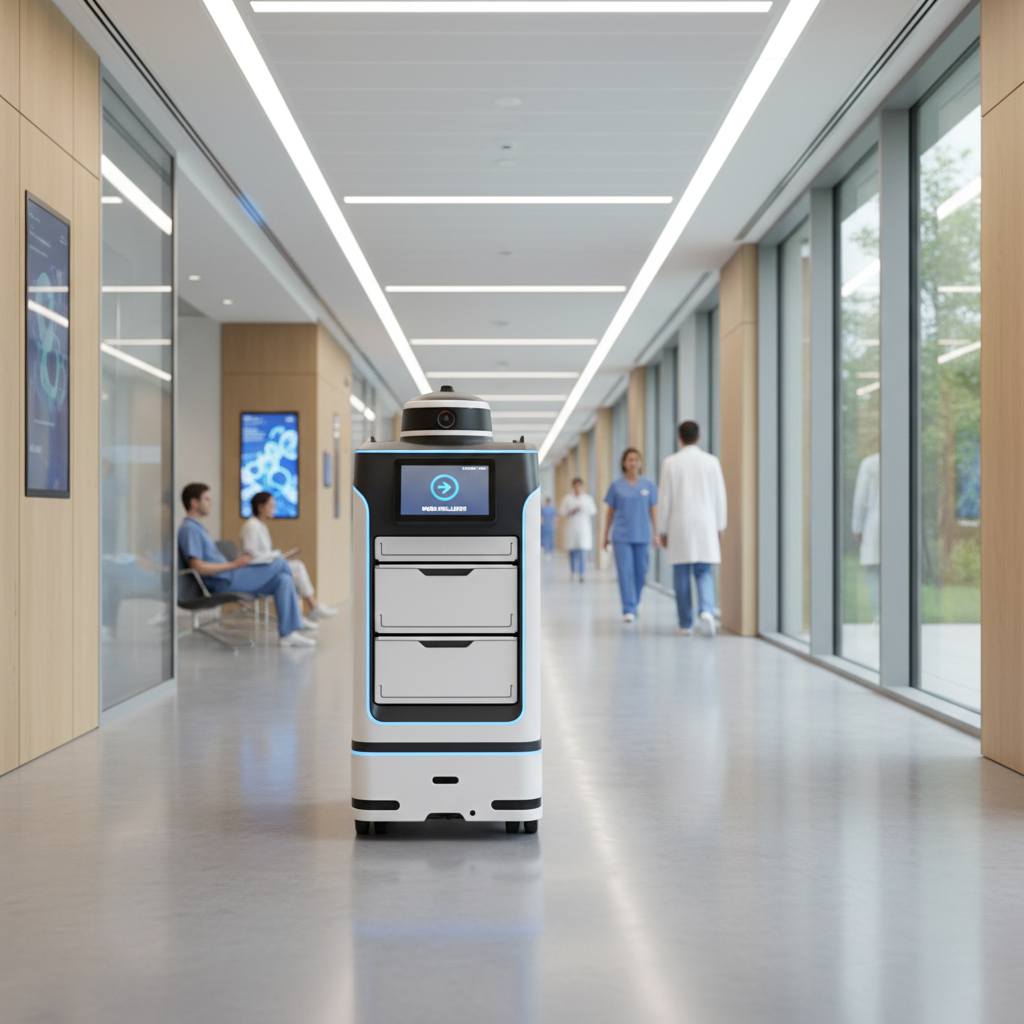
The healthcare sector is moving away from the novelty phase of automation. In 2025, the global market for healthcare robotics was valued at approximately USD 974 million. By 2026, the Australian landscape has matured significantly. We are seeing Victorian aged care providers transition from isolated pilot programs to full fleet deployments of autonomous mobile robots (AMRs). This shift is driven by the realization that physical AI robotics Australia 2026 systems can do more than transport linens or meals; they are now active participants in patient safety.
Advanced AMRs now facilitate predictive fall detection through real time spatial analysis. Unlike static wall sensors, mobile units with robotics integration in healthcare can identify subtle changes in a resident's gait or environmental hazards before an incident occurs. When integrated with a hospital's Electronic Medical Record (EMR) system through custom software integration, these robots also automate medication dispensing. They verify patient identity and cross reference dosage schedules in real time, which reduces the administrative burden on nursing staff and minimizes human error.
Capability | 2025 Standard | 2026 Physical AI Standard |
|---|---|---|
Navigation | Pre-mapped fixed paths | Dynamic pathing with context reasoning |
Data Usage | Isolated device logs | Full EMR and clinical system integration |
Monitoring | Reactive (alarms after events) | Predictive (risk assessment and prevention) |
Deployment | Single robot pilot trials | Multi-unit fleet deployments |
Telepresence remains a cornerstone of this transformation, particularly for regional Victoria. A specialist in Melbourne can now use high fidelity telepresence robots to conduct rounds in a Geelong or Bendigo facility. This provides patients with immediate access to expert care without the logistical delays of travel. By combining these remote consultation capabilities with regulatory compliance support, Victorian health networks are creating a seamless link between metropolitan expertise and rural delivery.
Smart Campus Safety: Physical AI in Australian Schools and Universities
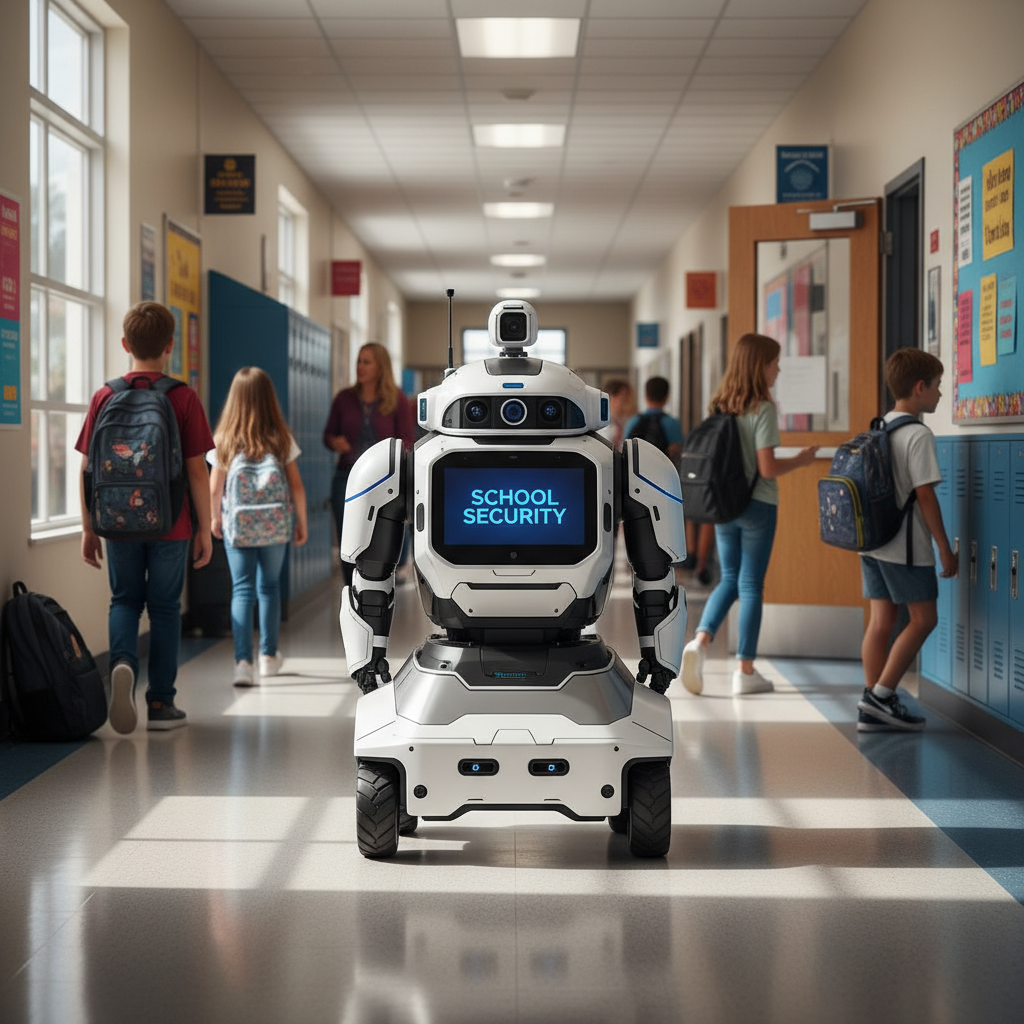
Educational institutions across Victoria are mirroring the shifts seen in healthcare by integrating autonomous systems into daily campus life. As physical AI robotics Australia 2026 technology matures, schools and universities are moving away from manual facility inspections toward intelligent, 24/7 monitoring. These robots utilize high fidelity sensors and LiDAR to conduct security patrols, identifying anomalies like unsecured entry points or localized hazards in science laboratories that static camera systems might miss.
The capability of these machines extends beyond safety to academic inclusivity. Through advanced telepresence, students in remote Victorian regions can participate in metro classrooms with a level of presence that standard video conferencing cannot match. A student in a rural town can control a mobile unit in a Melbourne university, interacting with peers and moving through the learning space as if they were physically present. This level of connectivity necessitates precise custom software integration to ensure mobile units interface seamlessly with campus networks and student portals.
For education leaders, the priority remains the human connection. Physical AI in 2026 is designed to augment staff by handling high frequency, repetitive tasks. By automating routine security checks and equipment inspections, facility managers can reallocate their teams to complex maintenance and student support. Similarly, these systems do not replace the educator; they remove the geographical barriers that limit access to quality teaching. Navigating the legalities of data privacy and student safety in these environments requires specialized regulatory compliance support to ensure all robotic deployments meet the high standards expected by the Victorian Department of Education and other governing bodies.
Navigating the 2026 Regulatory Landscape: Compliance and Standards for Australian Facilities

Implementing these systems requires a rigorous adherence to Australian safety and data governance standards. By 2026, the regulatory framework has matured to address the unique challenges of physical AI robotics Australia 2026. For healthcare facilities, this involves ensuring that any autonomous unit providing clinical data or patient monitoring meets the Therapeutic Goods Administration (TGA) requirements for medical devices. Beyond federal oversight, Victorian hospitals must align with state specific health records legislation, ensuring that sensitive patient interactions recorded by robotic sensors are encrypted and stored according to strict privacy protocols.
In the education sector, the focus shifts to child safety and data sovereignty. Any deployment in Melbourne schools must comply with the Department of Education digital privacy frameworks. Compliance in this era is multifaceted; it extends beyond the physical safety of the hardware to the ethical management of AI data. Facility managers must be able to audit how their robots process environmental information and ensure that no identifiable data is transmitted to offshore servers without explicit authorization.
Exaptec provides essential regulatory compliance support to help organizations navigate these complexities. This includes ensuring that robotics integration in healthcare meets Australian Standard AS/NZS 4024 for machinery safety while also addressing the transparency requirements of the National AI Ethics Framework. Because these systems are dynamic, Exaptec also assists with custom software integration that allows for real time auditing of robotic decisions. This localized expertise ensures that Victorian facilities do not just adopt new technology, but do so within a framework that protects patients, students, and staff.
The Integration Gap: Why Custom Software is the Key to Robotics ROI
The disparity between hardware capability and operational utility often results in the 'robot in the cupboard' syndrome. This occurs when a facility invests in high quality hardware that lacks the necessary hooks into local infrastructure. In 2026, the success of physical AI robotics Australia 2026 deployments depends entirely on the convergence of cloud technology and physical hardware. A robot is only as effective as its ability to communicate with the existing digital ecosystem, whether that is a hospital’s Electronic Medical Record (EMR) or a school’s facility management portal.
As a robotics integrator, Exaptec bridges this gap by providing custom software integration that ensures a unit does not operate in a vacuum. For example, an autonomous mobile robot in a Melbourne hospital must be able to call elevators, pass through secure doors, and receive real time updates from nurse call systems without human intervention. Without this middleware, the machine becomes a bottleneck rather than a solution. Furthermore, robotics integration in healthcare requires real time data synchronization with clinical workflows to ensure that the AI foundation models powering the robot have the context they need to make safe, autonomous decisions.
Bridging the 'robot density' gap, where Australia currently trails the global average with 89 robots per 10,000 workers, requires more than just purchasing more machines. It necessitates a focus on ROI through effective software and comprehensive staff training. By tailoring the software to the specific nuances of an Australian facility, we ensure that staff spend less time troubleshooting the technology and more time utilizing the data it provides. This practical approach moves robotics from a novelty expense to a core operational asset.
Preparing Your Workforce: Transitioning Staff to a Robotics First Future
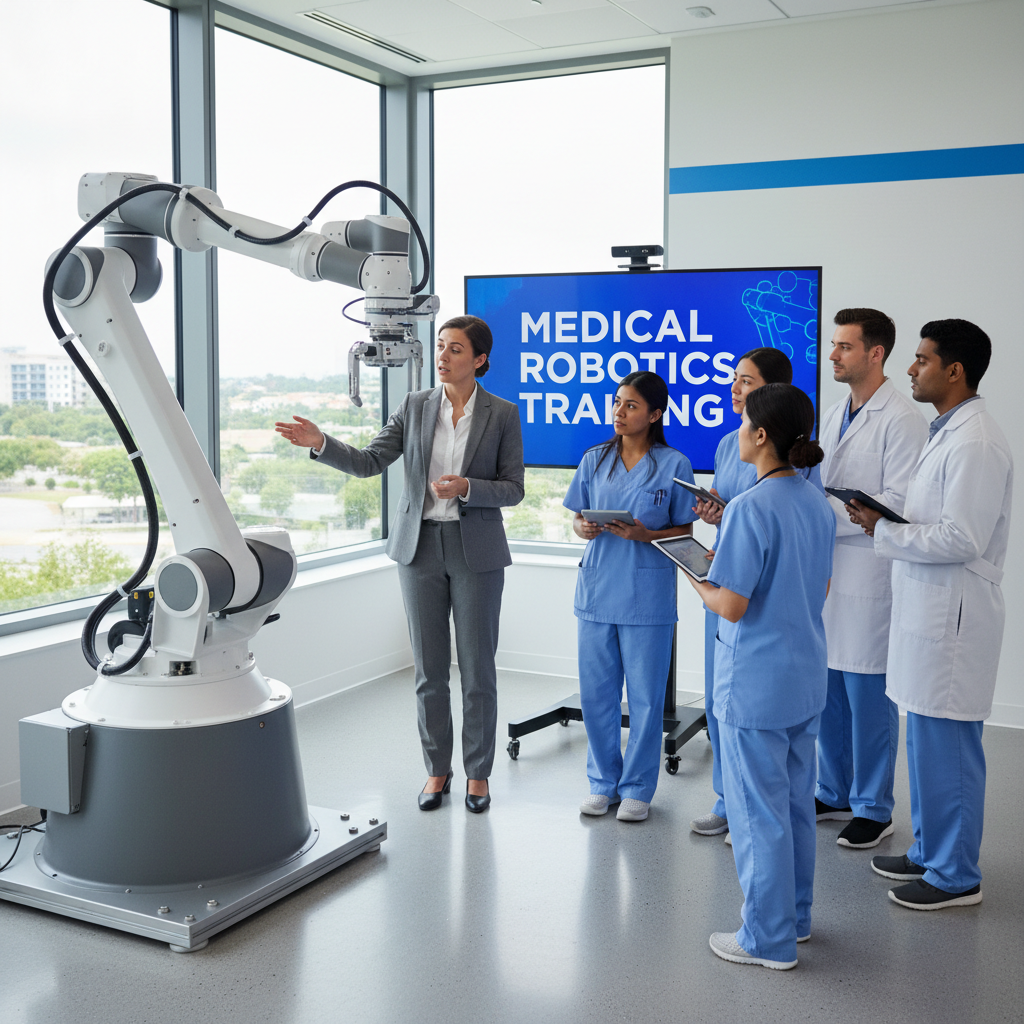
The successful adoption of physical AI robotics Australia 2026 rests on a fundamental shift in workforce culture, moving from the fear of displacement to the reality of augmentation. In Victorian healthcare and education settings, robots are not replacing clinicians or teachers. Instead, they are absorbing the cognitive load of repetitive tasks. Empathy, complex clinical judgment, and nuanced pedagogical support remain exclusively human domains that technology cannot replicate.
Training programs must evolve beyond basic hardware operation. Leading Melbourne facilities now prioritize data literacy, teaching staff to interpret and act on the insights generated by these machines. For instance, when robotics integration in healthcare identifies a subtle change in a resident's mobility pattern, the value lies in the nurse's ability to proactively adjust a care plan, not just in the robot's ability to navigate the room. This shift ensures that professionals spend their time on high value interactions rather than manual data collection.
Organizations should avoid purchasing technology for its own sake. The most effective deployments start by identifying a high frequency operational bottleneck, such as nightly facility inspections or inventory tracking in large university labs. By solving a specific problem first, facilities can utilize custom software integration to build immediate trust with the workforce. When combined with ongoing regulatory compliance support, this approach ensures that staff view robotics as a tool for professional elevation rather than a threat to their roles.
The convergence of physical AI and robotics represents a significant shift for Australian healthcare and education sectors in 2026. Successfully implementing these technologies involves more than just purchasing hardware; it requires a deep understanding of how intelligence and mobility intersect. If you want expert help navigating these advancements or selecting the right tools for your institution, you can find out more about our mission and expertise online. We focus on providing the guidance necessary to turn these complex innovations into practical, everyday successes.