Hospital delivery robots Australia solve the nursing workload gap by automating the transport of medications, meals, and medical supplies across clinical environments. These autonomous mobile robots operate 24/7 to streamline internal logistics, allowing healthcare staff to prioritize patient care while reducing the physical burden of manual delivery tasks.
The Australian healthcare sector is currently grappling with an acute nursing workload gap, where highly trained clinical staff spend up to thirty percent of their shifts performing menial transit tasks. When a registered nurse is forced to act as a courier for pharmacy supplies or pathology samples, patient outcomes and operational efficiency inevitably suffer. Autonomous Mobile Robots (AMRs) offer a practical, advanced solution to this logistical bottleneck by automating routine deliveries within complex hospital environments. In this guide, we examine the strategic implementation of hospital delivery robots across Australia; we cover everything from core applications and infrastructure navigation to custom software integration. You will also discover how to calculate the tangible ROI for robotic logistics and manage the crucial change process required to ensure successful staff adoption in a clinical setting.
The Australian Nursing Crisis and the Role of Autonomous Logistics
Australia is facing a significant healthcare workforce deficit. Projections from the Australian Department of Health and Aged Care indicate a shortfall of approximately 70,000 nurses by 2035. In Victoria and across the nation, hospital administrators are already feeling the pressure of this gap, which is exacerbated by high rates of burnout and staff attrition. A primary driver of this fatigue is the volume of non-nursing tasks clinical staff are forced to perform daily.
Internal logistics, often described as "hunting and gathering," frequently consumes up to 30% of a nurse's shift. This includes time spent walking to the pharmacy for medications, fetching fresh linens, or retrieving pathology supplies. When highly trained professionals spend nearly a third of their time performing basic transport tasks, clinical outcomes and staff morale inevitably decline.
The introduction of hospital delivery robots Australia provides a practical pathway to mitigating these operational inefficiencies. These autonomous mobile robots (AMRs) are designed to handle the heavy lifting of facility logistics, allowing nurses to remain at the bedside where their expertise is most critical. By offloading repetitive manual handling tasks to technology, hospitals can improve the daily working environment and support long term staff retention.
Success in this area requires more than just hardware; it necessitates custom software integration to ensure the technology aligns with existing clinical workflows. Rather than replacing human personnel, autonomous logistics serve as a digital support layer that empowers the workforce to focus on patient-centered care.
Core Applications for Hospital AMRs from Pharmacy to Pathology
Transitioning from high-level logistics to clinical reality, the application of hospital delivery robots Australia centers on three primary areas where manual transport currently hinders efficiency. These clinical workflows require varied hardware configurations and payload capacities to ensure safety and regulatory compliance.
Pharmacy delivery is a critical use case, particularly for the transport of Schedule 4 and Schedule 8 medications. Unlike open carts, specialized AMRs are equipped with secure, pin-coded compartments that maintain a digital audit trail of every access event. This level of security is essential for controlled substances, where chain-of-custody is a legal and safety requirement. By using these robots, pharmacy departments can schedule regular runs to wards or respond to urgent requests without waiting for a human courier to become available.
Pathology departments benefit from the consistent, vibration-dampened transport of biohazardous specimens. Whether moving blood samples or tissue biopsies, AMRs provide a standardized delivery speed that helps labs maintain predictable processing times. These units are typically configured with payload capacities of 40kg to 60kg, focusing on secure containment rather than sheer volume.
For the facilities and environmental services teams, the focus shifts to weight and volume. Moving clean linen, waste, and meal trays involves significant manual handling risks for staff. In these scenarios, robots with payloads of 100kg or higher are utilized. These heavier units often feature large, open shelving or enclosed cabinets designed to handle the high density of hospital supplies.
Department | Typical Payload | Security Requirement |
|---|---|---|
Pharmacy | 40kg to 60kg | High (Pin-code/RFID) |
Pathology | 40kg to 50kg | Biohazard Enclosure |
Linen & Waste | 80kg to 100kg+ | Large Volume Capacity |
Food Service | 60kg to 100kg | Thermal Insulation |
Effective hospital robotics integration requires matching these payloads to the specific physical constraints of the facility, ensuring the AMR can navigate the high-traffic corridors of a Victorian hospital while fully loaded. By aligning the robot's physical capabilities with the specific clinical task, facilities can ensure that the technology is a practical asset rather than an underutilized novelty.
How Delivery Robots Navigate Australian Hospital Infrastructure
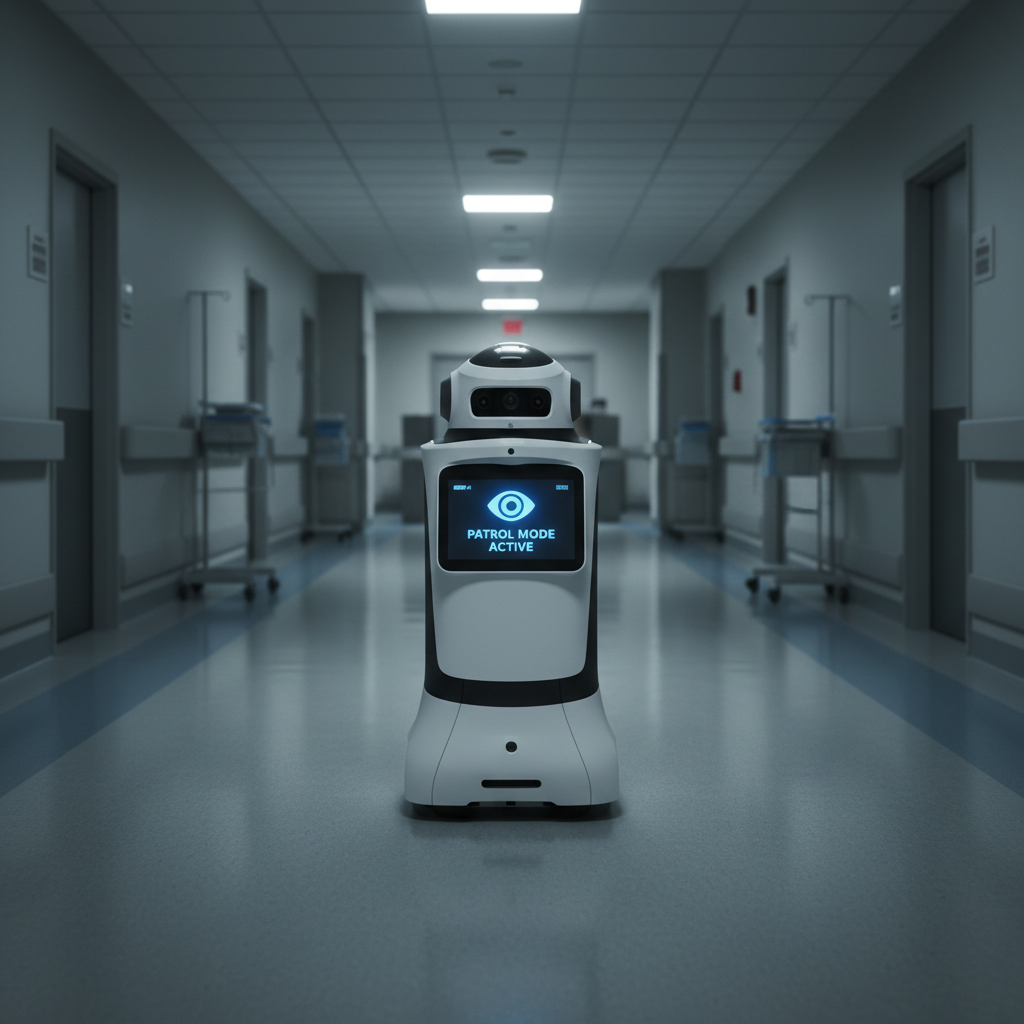
Effective deployment of hospital delivery robots Australia requires a sophisticated understanding of how these units interact with complex, high traffic environments. Unlike basic automated guides, clinical AMRs utilize multi-sensor fusion. This approach combines data from 3D LiDAR, depth cameras, and ultrasonic sensors to perform Simultaneous Localization and Mapping (SLAM). By processing this data in real time, the robot maintains a precise understanding of its location while detecting and avoiding obstacles like gurneys, IV poles, and pedestrians with sub-centimeter accuracy.
Navigating the vertical and horizontal barriers of a Victorian hospital requires deep hospital robotics integration. A robot is only effective if it can move between departments independently. Exaptec utilizes specialized APIs to bridge the communication gap between the AMR and the building's existing infrastructure. This allows the robot to wirelessly signal automatic doors to open and communicate directly with lift controllers to request specific floors, ensuring seamless transit without staff intervention.
Technology Component | Function in Hospital Infrastructure |
|---|---|
3D LiDAR | Long-range spatial awareness and mapping |
Depth Cameras | Close-range obstacle detection and floor-level hazard sensing |
Lift APIs | Wireless floor selection and elevator cabin communication |
FIP Integration | Automatic response to fire alarms and building emergencies |
Safety protocols are equally critical, especially during high pressure clinical events. Through custom software integration, our team ensures that the AMR fleet is responsive to the hospital's emergency systems. In the event of a fire alarm or a Code Blue, the robots are programmed to immediately move to the edge of the corridor or return to a designated charging bay; this stops the unit in a predictable location to ensure clear passage for emergency response teams. If you have specific infrastructure challenges at your facility, you can contact our Melbourne team to discuss site-specific technical requirements.
The Importance of Custom Software Integration for Clinical Workflows

While advanced navigation gets a robot through the door, it does not guarantee clinical utility. "Out of the box" solutions frequently fail in the Australian healthcare sector because they lack the contextual awareness of specific hospital operations. A robot that cannot communicate with a facility's digital backbone becomes an isolated piece of hardware, requiring manual dispatch and constant human oversight, which defeats the purpose of automation.
Effective deployment of hospital delivery robots Australia relies on custom software integration that bridges the gap between the AMR fleet and existing enterprise systems. By connecting robots to the Warehouse Management System (WMS), hospitals can automate the replenishment of high-turnover supplies without staff intervention. Furthermore, linking the fleet to Electronic Medical Records (EMR) allows for the intelligent routing of specimens or medications based on real-time patient data, maintaining strict clinical data integrity throughout the transport process.
As a Melbourne-based specialist, Exaptec provides the local technical expertise required to build these software bridges. Unlike overseas vendors who offer limited remote troubleshooting, a local integrator can conduct onsite workflow audits and provide immediate, face-to-face support. This proximity ensures that hospital robotics integration evolves alongside the hospital's changing needs, rather than becoming a legacy burden. For Victorian facilities, this local partnership is the difference between a successful automation strategy and an idle fleet. To discuss how we tailor software for your clinical environment, contact our Melbourne team for a detailed technical consultation.
Calculating ROI: Payback Periods for Robotic Logistics in Healthcare
For Australian hospital administrators, the financial justification for hospital robotics integration moves beyond simple novelty to measurable operational savings. To calculate a realistic payback period, facilities must first quantify the direct labor cost of internal logistics. In the Victorian public health system, a Registered Nurse or a specialized porter carries a loaded hourly rate that includes superannuation, shift penalties, and leave loading. When an autonomous unit, which can operate across three shifts without fatigue, takes over these tasks, the cost per delivery drop-off is significantly reduced.
Financial Factor | Human Personnel | AMR (Autonomous Mobile Robot) |
|---|---|---|
Availability | Shift-based (8-10 hours) | 24/7 (via opportunity charging) |
Direct Cost | Hourly rate + Penalties + Super | Fixed monthly lease or upfront CapEx |
Risk Profile | High manual handling injury risk | Minimal (autonomous navigation) |
Primary Function | Clinical care and patient support | Dedicated logistics and transport |
Beyond direct wages, ROI calculations must include the reduction in manual handling claims. Workplace injuries related to pushing heavy linen or meal trolleys are a significant cost for Australian healthcare providers. By delegating these 100kg+ loads to hospital delivery robots Australia, facilities often see a downturn in WorkCover claims and the associated costs of hiring agency staff to cover injury-related absences.
Equally vital is the value of recaptured bedside time. If a nurse recovers 90 minutes per shift previously spent on transit, that time translates to higher patient safety and improved clinical outcomes. The Australian market typically offers two paths: a capital purchase for long term asset ownership or a Robotics-as-a-Service (RaaS) leasing model. The latter aligns with OpEx budgets and often includes ongoing custom software integration and maintenance. To explore which financial model suits your facility's budget cycle, you can contact our Melbourne team for a tailored cost-benefit analysis.
Staff Training and Change Management for Successful Adoption
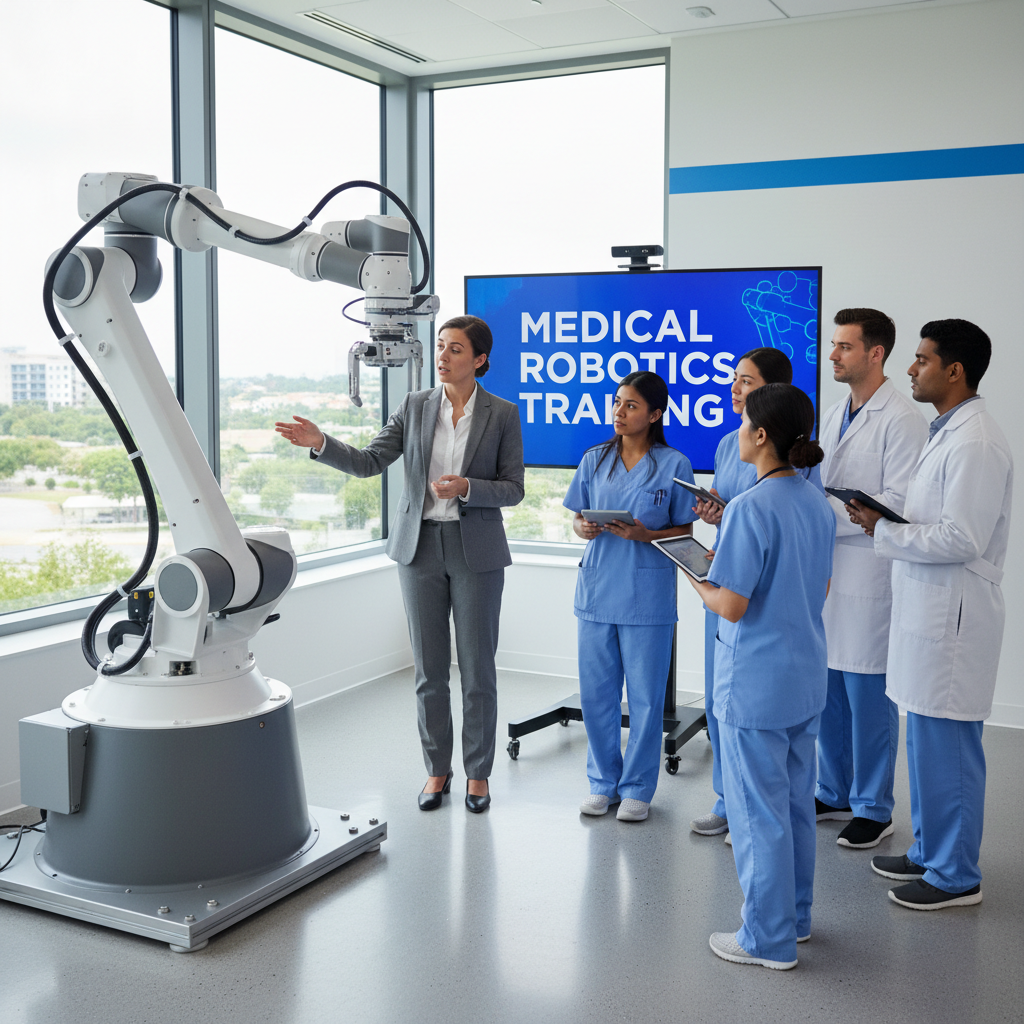
The technical success of hospital delivery robots Australia is often decided long before the first unit enters a corridor. Even the most advanced AMR will fail if it is viewed as a burden rather than a tool. Staff training and change management represent the most critical phases of any implementation checklist, shifting the perception of the robot from a novelty to a digital teammate. When clinical teams understand how a robot simplifies their specific daily workflow, friction decreases and adoption rates rise.
Resistance often stems from a lack of familiarity with autonomous behavior. To mitigate this, Exaptec prioritizes hands-on staff onboarding. We focus on practical, repetitive interactions, such as using the secure touchscreens, managing pin-coded payload compartments, and understanding the robot's signaling behaviors. By involving nursing leads and porters early in the hospital robotics integration process, we ensure the technology addresses their specific pain points, such as the frustration of missing linen or delayed pharmacy drops.
Stage of Adoption | Focus Area | Goal |
|---|---|---|
Pre-Deployment | Workflow Audit | Identifying manual tasks to automate |
Onboarding | Hands-on Training | Familiarization with UI and physical handling |
Optimization | Feedback Loop | Refining custom software integration |
Ongoing Support | Onsite Presence | Sustaining high uptime and staff trust |
Our approach moves beyond a single orientation session. Exaptec provides ongoing onsite support to Victorian facilities, ensuring that as staff rotations change, the knowledge base remains strong. If a robot encounters a new environmental obstacle or if a workflow requires adjustment, our local presence allows for rapid refinement. To build a comprehensive change management strategy for your facility, contact our Melbourne team for expert guidance.