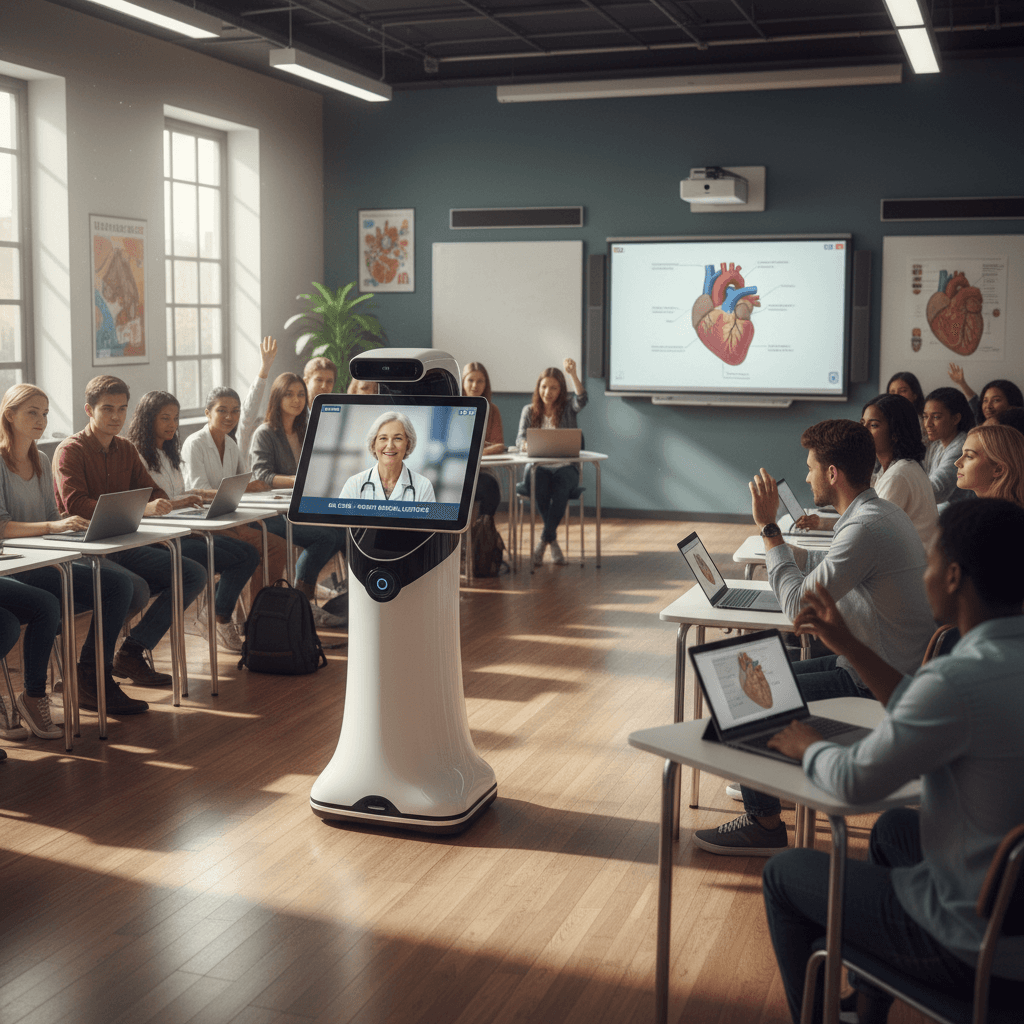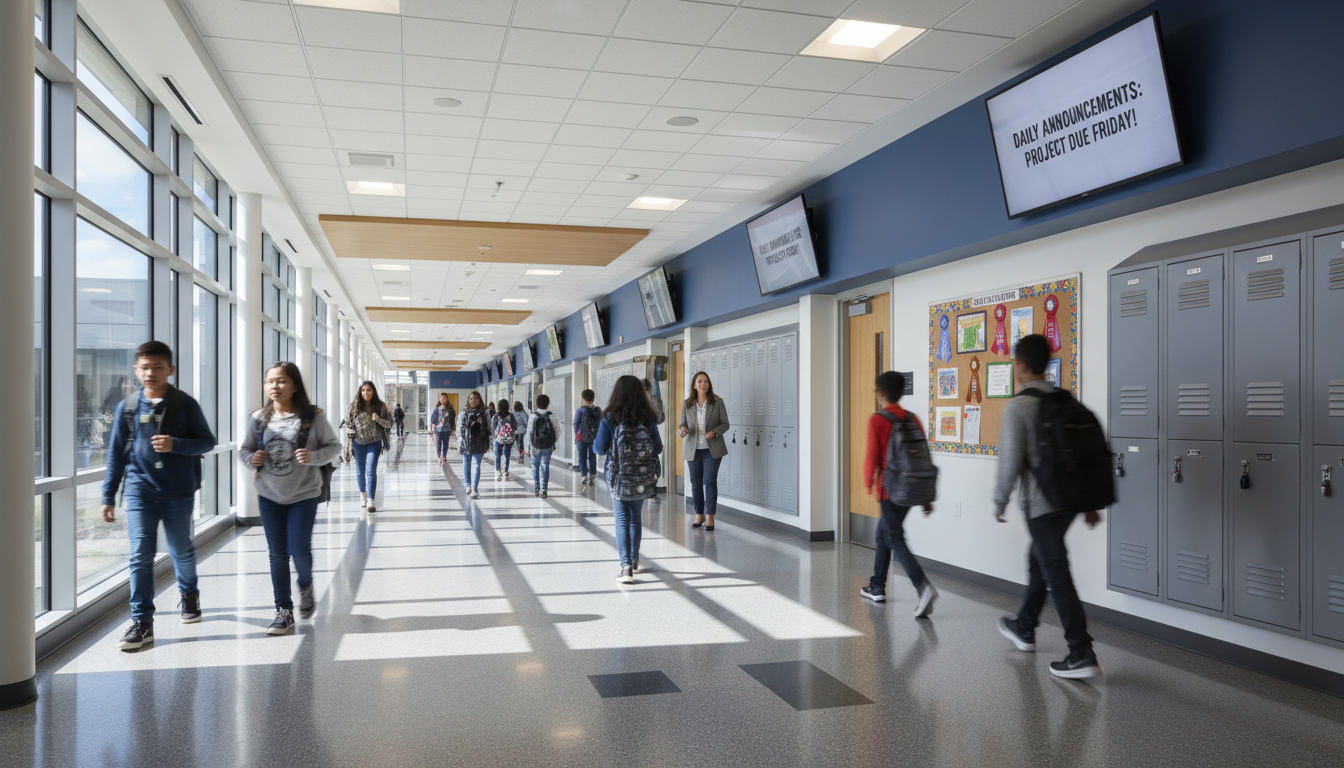
Educational institutions must adhere to APP 11 reforms and the National Framework for Generative AI to manage campus security robots privacy Australia obligations effectively. Compliance involves implementing technical safeguards, such as privacy-preserving cameras that obscure personal data, and maintaining demonstrable organizational measures to protect information collected during 24/7 monitoring.
As Australian educational institutions increasingly deploy autonomous security solutions, the challenge of balancing physical safety with rigorous privacy mandates has become a critical operational friction point. You are likely navigating a complex regulatory shift, where the 2026 APP 11 reforms and the new statutory tort for privacy invasions demand more than just standard surveillance protocols. Failing to address these legal nuances can lead to significant reputational damage and litigation. This guide provides a technical roadmap for schools and universities to achieve compliance through privacy by design. We will examine the specific safeguards required for robotic surveillance, the nuances of the digital duty of care, and sector specific requirements for 2026. You will learn how to integrate advanced robotics while maintaining the highest standards of data integrity and community trust.
The 2026 Landscape for Autonomous Campus Security in Australia
As a Melbourne based specialist in robotics, Exaptec recognizes that 2026 marks a defining period for Australian educational institutions. The rapid adoption of campus security robots privacy Australia is a direct response to persistent security staff shortages and the critical requirement for 24,7 site monitoring. We are now operating in the era of Physical AI, where autonomous platforms use advanced machine learning to navigate and interpret school environments in real time.
While technological capabilities have expanded, regulatory oversight from the OAIC and the eSafety Commissioner has intensified. The industry has shifted from stationary CCTV to mobile, autonomous systems that fundamentally change the nature of surveillance. For educational leaders, this shift creates significant privacy hurdles. A mobile robot possesses a dynamic field of vision that traverses various campus zones, making traditional privacy assessments for fixed cameras obsolete. Successfully deploying university security robots Australia now requires sophisticated custom software integration to manage data sovereignty and real time privacy masking. As institutions in Melbourne and across the country integrate these tools, they must navigate a landscape where physical safety and digital privacy are now inextricably linked.
Navigating APP 11 Reforms and the Digital Duty of Care

The 2026 regulatory landscape has significantly raised the stakes for educational institutions deploying mobile surveillance. Central to this shift is the full implementation of APP 11.3. Under this reform, schools and universities must demonstrate "reasonable steps" to protect personal information from misuse or unauthorized access. In the context of robotics, these steps are strictly categorized into technical safeguards, such as localized data encryption and multi factor authentication, and organizational safeguards, including robust governance frameworks and specific staff training.
Legislation passed in late 2025 introduced a formal Digital Duty of Care. This mandate requires providers and operators of AI enabled systems to proactively mitigate risks before they manifest. For campus security robots privacy Australia, this goes beyond standard data protection. Unlike a static database, an autonomous robot processes high definition visual data in real time, often capturing biometric markers or incidental student interactions. The eSafety Commissioner’s 2026 advisories highlight the growing threat of AI manipulated content harvested from school environments; therefore, mobile platforms must be configured to prevent the unauthorized export of raw imagery.
Institutions should be wary of off the shelf robotic solutions. Many international platforms rely on cloud processing servers located outside of Australian jurisdiction, which can lead to non compliance with data sovereignty requirements. General data protection measures often fail to address the nuance of a mobile agent moving through a dynamic campus. Meeting these rigorous standards requires custom software integration that aligns the robot’s behavior with Australian law. As a Melbourne based specialist in robotics, Exaptec has observed that compliance cannot be treated as a secondary feature. It must be baked into the robot's navigation and data handling protocols from day one to avoid the increased penalties, which can now reach up to $50 million for serious breaches.
Privacy by Design: Technical Safeguards for Robotic Surveillance
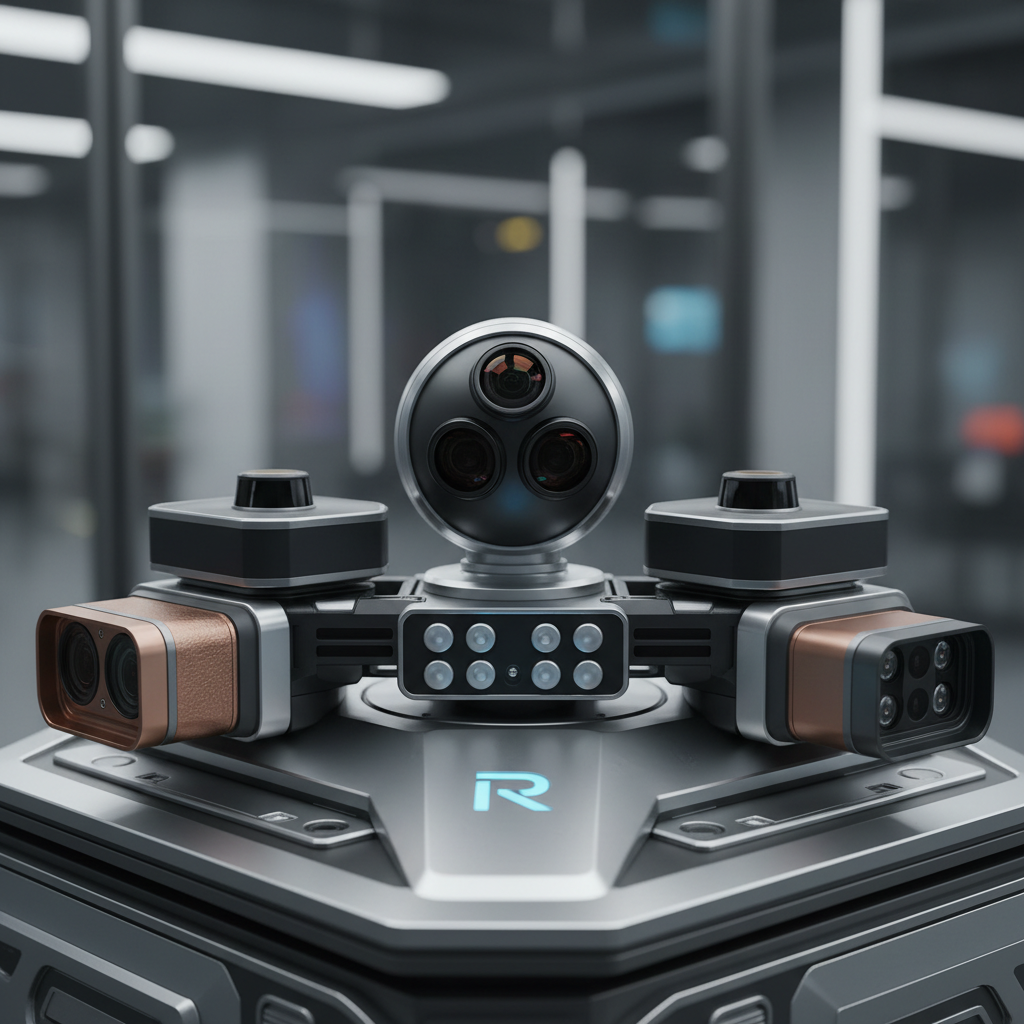
Transitioning from policy to practice requires a Privacy by Design architecture that treats data security as a functional requirement rather than an afterthought. As a Melbourne based specialist in robotics, Exaptec focuses on edge processing as the primary technical safeguard. By performing high intensity compute locally on the robot hardware, institutions eliminate the need to stream raw, identifiable video feeds to external cloud servers. This approach significantly reduces the risk of data interception during transit and ensures that sensitive visual information remains within the physical confines of the campus. This architecture is a critical component for maintaining data sovereignty and minimizing the potential impact of a network breach.
Recent Australian research has further advanced these protections through privacy preserving vision systems. These systems utilize algorithms to obscure human faces beyond recognition in real time while maintaining the robot's ability to detect security threats, such as unauthorized intruders or abandoned objects. By layering these filters over the robot’s visual sensors, we address the core concerns of campus security robots privacy Australia by ensuring data collection is strictly proportionate to the security objective. This level of anonymization allows for 24,7 monitoring without the risks associated with storing biometric identifiers of students and staff.
For Victorian institutions, these safeguards are vital for adhering to the Victorian Privacy and Data Protection Act 2014. Our custom software integration ensures that patrol robots comply with specific Information Privacy Principles (IPPs), particularly regarding data collection and security. By implementing granular access controls and cryptographic hashing for all stored metadata, we help campus managers meet their legislative obligations. These technical integrations transform the robot from a simple camera on wheels into a compliant, secure asset tailored for the Australian educational environment.
The New Statutory Tort for Privacy Invasions on Campus
The introduction of a new statutory tort for serious invasions of privacy in 2026 has fundamentally changed the risk profile for Australian educational institutions. Unlike previous regulatory frameworks, this tort allows students, parents, and staff to seek legal redress for privacy breaches even when no financial loss is proven. For schools and universities, this elevates the deployment of campus security robots privacy Australia from a technical challenge to a significant legal liability. A robot unintentionally capturing footage inside a sensitive area is no longer just a policy breach; it is a potential cause for litigation.
As a Melbourne based specialist in robotics, Exaptec integrates advanced geofencing to ensure autonomous units respect defined expectation of privacy zones. These zones, which include locker rooms, bathrooms, and private staff offices, must be strictly excluded from robotic patrol routes through custom software integration. Our approach involves hard-coding spatial boundaries where sensors automatically deactivate or the robot is physically barred from entry. Protecting these areas is essential to navigating the 2026 landscape where the OAIC has intensified its focus on mobile surveillance.
Campus managers should use the following checklist to ensure robotic patrol routes are both legally compliant and socially acceptable:
Conduct a spatial privacy audit to identify all line-of-sight incursions into private facilities.
Program mandatory sensor blackouts or "blind spots" for specific GPS coordinates.
Synchronize patrol schedules to avoid high-traffic student changeover periods in residential corridors.
Ensure robot "rest" or charging stations are oriented away from windows and private office glass.
Maintain a transparent log of all geofencing logic to provide to the eSafety Commissioner if audited.
By following these practical steps, institutions can leverage the benefits of university security robots Australia while mitigating the risks posed by the new statutory tort.
Sector Specific Requirements: Schools vs. Universities
Navigating the regulatory landscape for campus security robots privacy Australia requires an understanding of the diverging requirements between K to 12 schools and the higher education sector. For primary and secondary schools, the Australian Framework for Generative AI in Schools serves as the primary benchmark. Although originally designed for software, its six core principles, including privacy, security, and safety, now dictate how physical robotics must be managed. Schools are required to map every autonomous platform against these principles, ensuring that custom software integration prevents the entry of student personal information into public AI models while maintaining informed opt-in consent from parents.
Universities operate under a different oversight mechanism led by the Tertiary Education Quality and Standards Agency (TEQSA). The 2026 TEQSA guidelines, specifically those concerning Assuring Quality Learning in AI integrated environments, place a heavy emphasis on data sovereignty and institutional integrity. Unlike a single site school, a university often manages complex, multi campus data governance across diverse urban and regional locations. This scale requires a centralized approach to robotic fleet management to ensure that visual data captured at a Melbourne CBD campus is handled with the same rigor as data from a satellite campus.
As a Melbourne based specialist in robotics, Exaptec assists institutions in distinguishing between these mandates. While a government school might focus on state specific binding rules for student safety, a university deploying university security robots Australia must ensure their data architecture supports TEQSA’s quality assurance standards. This distinction is critical when configuring autonomous patrol routes that cross public and private land boundaries common in large university precincts.
Operational Compliance: Staff Training and Incident Response
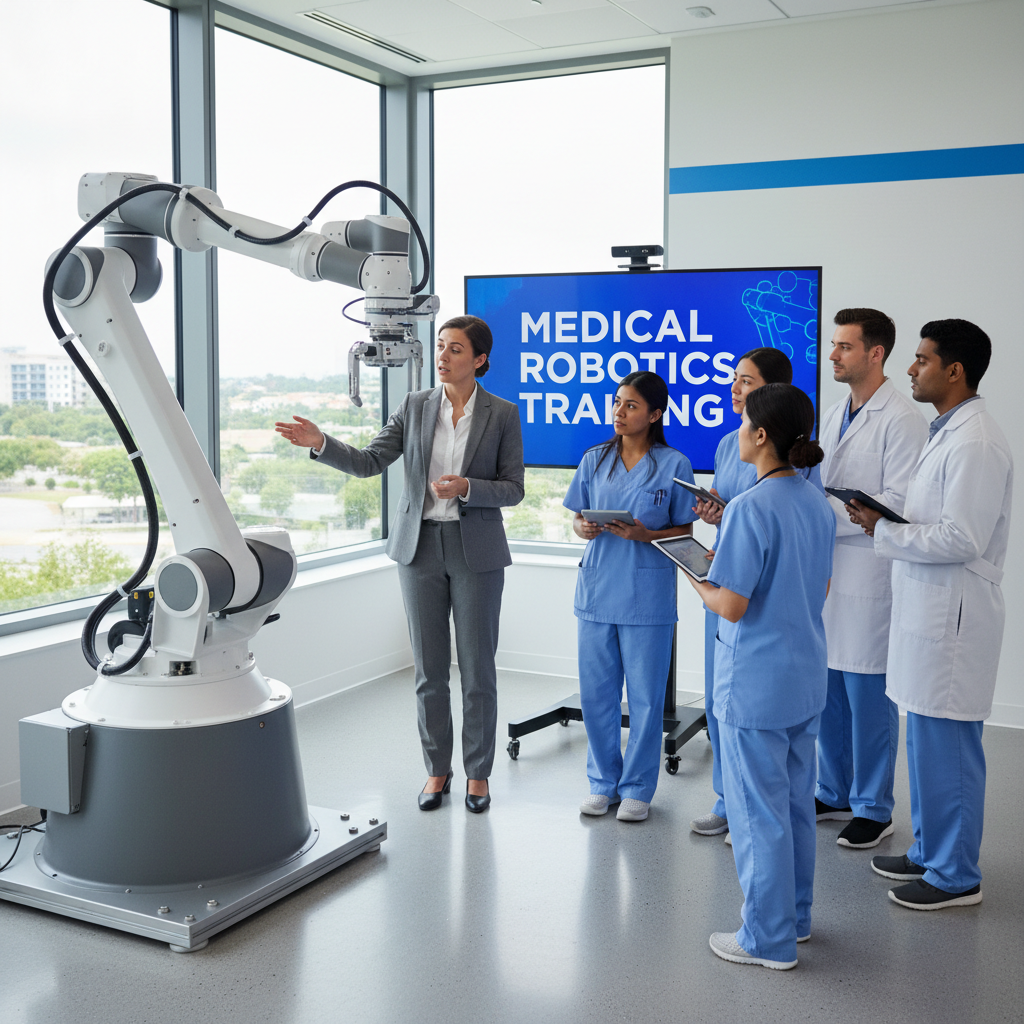
Deploying a fleet of autonomous units is only the first step in a broader compliance strategy. As a Melbourne based specialist in robotics, Exaptec understands that hardware is only half the battle. Effective campus security robots privacy Australia depends on rigorous staff training to maintain human in the loop oversight. This oversight ensures that automated decisions are audited and that staff can identify potential privacy drifts before they become legal liabilities. Staff must be trained to manage robot telemetry and understand the precise boundaries of data sovereignty mandated by current reforms.
Operational readiness in 2026 requires more than a standard security protocol. Educational institutions must now implement a specific Deepfake and Image Misuse Incident Response Plan, as recommended by the eSafety Commissioner. This plan must detail immediate actions if robotic imagery is compromised or manipulated by malicious actors. It involves the following core requirements:
Rapid isolation of the robot hardware from the campus network.
Immediate notification pathways to the eSafety Commissioner and the OAIC.
Verification steps to distinguish authentic patrol footage from AI generated content.
Forensic logging of all data access points within the custom software integration.
Since Australian AI standards and the new Office of AI within PM&C continue to evolve, having a local partner for ongoing regulatory support is vital. We ensure that operators of university security robots Australia remain proficient in the latest data handling mandates. This proximity allows for rapid updates to navigation logic and privacy filters as Victorian and federal laws shift, providing a level of responsiveness that international vendors cannot match.
How Exaptec Ensures Your Campus Stays Compliant
As a Melbourne based specialist in robotics, Exaptec mitigates the legal risks associated with campus security robots privacy Australia through a rigorous deployment framework. Our process begins with a comprehensive Privacy Impact Assessment, identifying high risk zones and data flow vulnerabilities specific to your site layout. We then execute custom software integration to ensure all visual data adheres to Australian data sovereignty; this locks processing within domestic servers to satisfy APP 11.3 requirements and the new Digital Duty of Care.
Beyond technical setup, we provide hands on training for school and university staff, ensuring they can manage the mandated incident response plans with confidence. Our experience within the VIC education sector allows us to tailor autonomous mobile solutions to the specific safety and privacy standards of Victorian institutions. By providing local, responsive support, Exaptec ensures that your university security robots Australia remain compliant as federal AI standards and OAIC enforcement priorities continue to evolve.
Compliance Step | Exaptec Action Item |
|---|---|
Data Sovereignty | Local configuration to ensure no data leaves Australian jurisdiction. |
Technical Safeguards | Edge processing and real time facial blurring integration. |
Governance | Mapping robot behavior against the Australian Framework for Generative AI in Schools. |
Staff Readiness | Hands on training for human in the loop oversight and audit logging. |