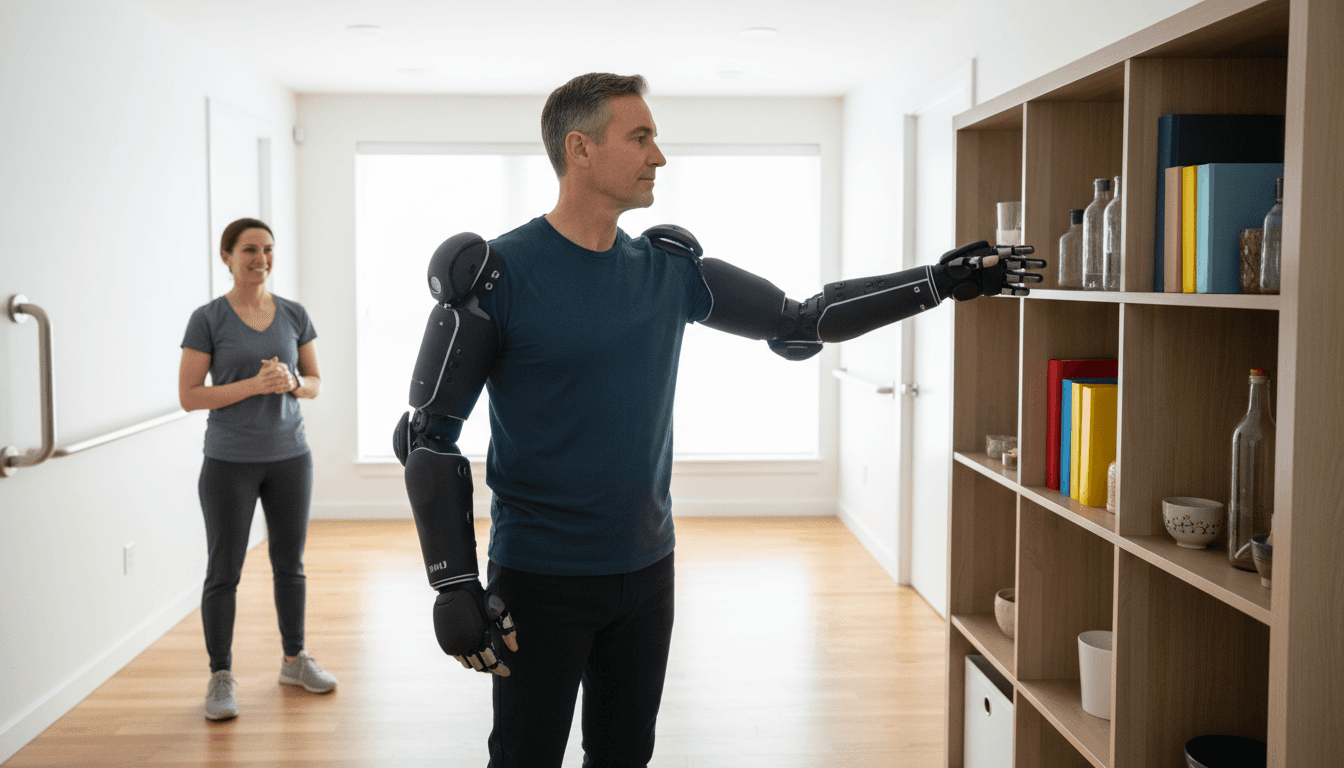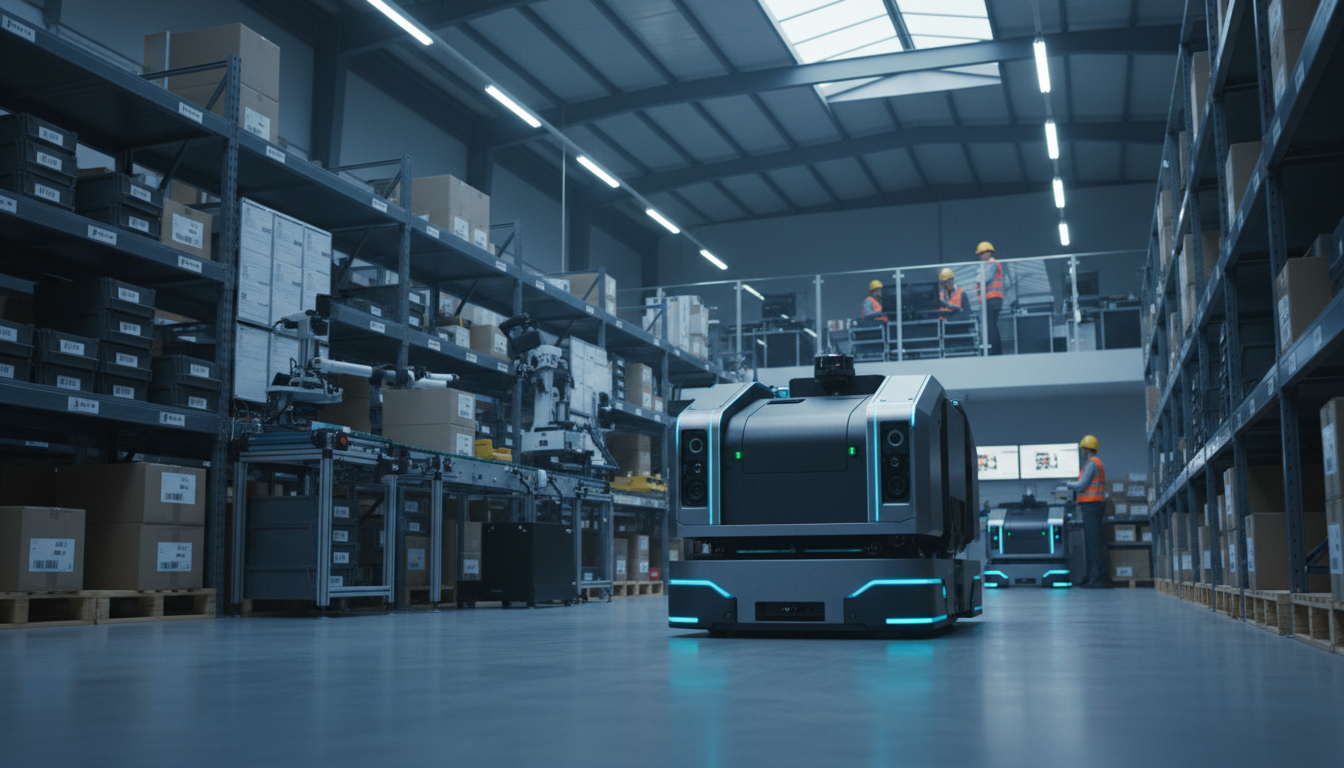
Australia is utilizing a projected A$1.8 billion robotics market to mitigate critical workforce shortages across its medical and care sectors. Strategic robotics adoption healthcare aged care Australia 2026 integrates autonomous systems and assistive technologies to optimize resource allocation; these advancements aim to enhance precision and safety while maintaining sustainable growth through 2034.
Australian healthcare and aged care providers are currently navigating a critical talent deficit that is projected to reach a breaking point by 2026. Facility managers and clinical leads face the dual pressure of intensifying staff burnout and increasing operational overhead, all while the demand for high quality patient care continues to rise. This workforce shortfall is not merely a recruitment issue; it is a structural gap that necessitates a fundamental shift toward intelligent automation. As we approach this pivotal year, understanding how to effectively integrate robotics into existing workflows becomes a strategic necessity rather than a futuristic luxury. This article examines the practical application of autonomous mobile robots and telepresence solutions to support human staff. You will gain insights into bridging the under-automation gap, navigating Australian regulatory standards, and implementing the custom software solutions required for seamless operational success.
The Robotics Under-automation Gap in Australian Healthcare

Australia currently occupies a paradoxical position in the global technological landscape. While the nation excels in specialized sectors like autonomous mining, the broader industrial and service sectors face a significant under-automation gap. International Federation of Robotics data indicates that Australia operates with approximately 89 robots per 10,000 workers, a figure that sits well below the global average of 151. This discrepancy highlights a critical lag in technology deployment; however, it also signals a massive opportunity for robotics adoption healthcare aged care Australia 2026.
The urgency to close this gap is most visible within the healthcare sector. The Australian aged care industry is currently grappling with an estimated 110,000-worker shortfall, a deficit that directly impacts patient safety and facility operational costs. Relying solely on human recruitment is no longer a viable long-term strategy. Facilities must look toward automation to stabilize their service delivery. By increasing robot density to meet or exceed global benchmarks, Victorian healthcare providers can mitigate the pressures of this labor crisis.
Closing this gap requires more than just procurement. It demands sophisticated custom software integration to ensure new hardware communicates with existing clinical systems. At Exaptec, we serve as the technical bridge for this transition. Through our robotics integration portfolio and comprehensive staff training and support, we help facilities move from the experimental phase into high-density, reliable automation. As we approach 2026, the focus must shift from identifying the problem to deploying scalable, autonomous solutions that allow human clinicians to return to direct patient care.
Why 2026 is the Pivotal Year for Robotics Adoption in Healthcare and Aged Care
The year 2026 represents a critical inflection point where experimental pilots transition into central operational mandates. Data from the Robotics Australia Network and SVRC highlights that the Australian robotics and automation market has matured rapidly, reaching a valuation of A$1.8 billion. This growth, characterized by a projected 19.04% CAGR in the medical sector, is not merely about purchasing hardware; it reflects a fundamental shift in how Victorian facilities plan for long term stability.
The maturation of AI and sensor technology means that robots are no longer relegated to the sidelines of facility management. They are now becoming core components of the clinical environment. Hospitals and aged care providers in Melbourne are increasingly securing their technology pipelines today to ensure they have the infrastructure ready for 2026. This urgency is driven by the realization that late adopters will face higher procurement costs and longer implementation queues as the market reaches a state of high demand. Starting early allows for the necessary staff training and support that ensures these systems are actually utilized by the frontline workforce.
Securing a position in this expanding landscape requires a focus on functional utility. By leveraging a proven robotics integration portfolio, providers can implement systems designed to handle high-volume workflows rather than isolated tasks. As the medical robotics market in Australia is projected to reach nearly USD 4.9 billion by 2034, the strategic push for robotics adoption healthcare aged care Australia 2026 is the definitive window for facilities to ensure their operations remain resilient against regional labor shortages and rising patient acuity levels.
Addressing the Workforce Shortfall: Will Robots Replace Support Workers?
The concern that automation leads to job displacement is a frequent topic in healthcare circles. However, the data suggests the opposite is true for the Australian market. With an estimated 110,000-worker shortfall in the aged care sector, the primary challenge is not a surplus of workers but a critical scarcity. Strategic robotics adoption healthcare aged care Australia 2026 is designed to fill the gaps that humans simply cannot cover due to current labor constraints.
Studies show that approximately 40% of nursing and support duties involve tasks that do not require clinical expertise or direct patient interaction. These include medicine distribution, routine facility patrolling, and environmental cleaning. When these repetitive workflows are delegated to autonomous systems, the primary benefit is the liberation of time. A nurse who no longer spends two hours a day on cart logistics can spend those hours providing complex clinical care or emotional support, which are central requirements of Victorian aged care standards.
This shift transforms robots into essential tools rather than competitors. Effective implementation through a curated robotics integration portfolio ensures these machines function as reliable members of the support team. By focusing on the logistical 40%, facilities improve the quality of work for their staff, potentially reducing burnout and turnover. The human element remains the most valuable asset in healthcare; automation simply ensures that human talent is applied where it matters most, leaving the mechanical chores to the hardware. Success in this transition requires comprehensive staff training and support to ensure workers feel empowered by the technology rather than sidelined by it.
Strategic Use Cases for AMRs and Telepresence in 2026
Moving from theory to application, the strategic deployment of hardware within our robotics integration portfolio focuses on two primary categories: Autonomous Mobile Robots (AMRs) and telepresence systems. By 2026, AMRs will no longer be limited to laboratory settings. In Victorian hospitals and aged care facilities, these units are being deployed for facility inspections and security patrols. By automating these routine rounds, facilities significantly reduce human exposure to pathogens, a lesson reinforced by recent global health challenges. AMRs equipped with specialized sensors can monitor environmental conditions, detect spills, or identify unauthorized access, allowing human security and maintenance teams to respond only when an intervention is required.
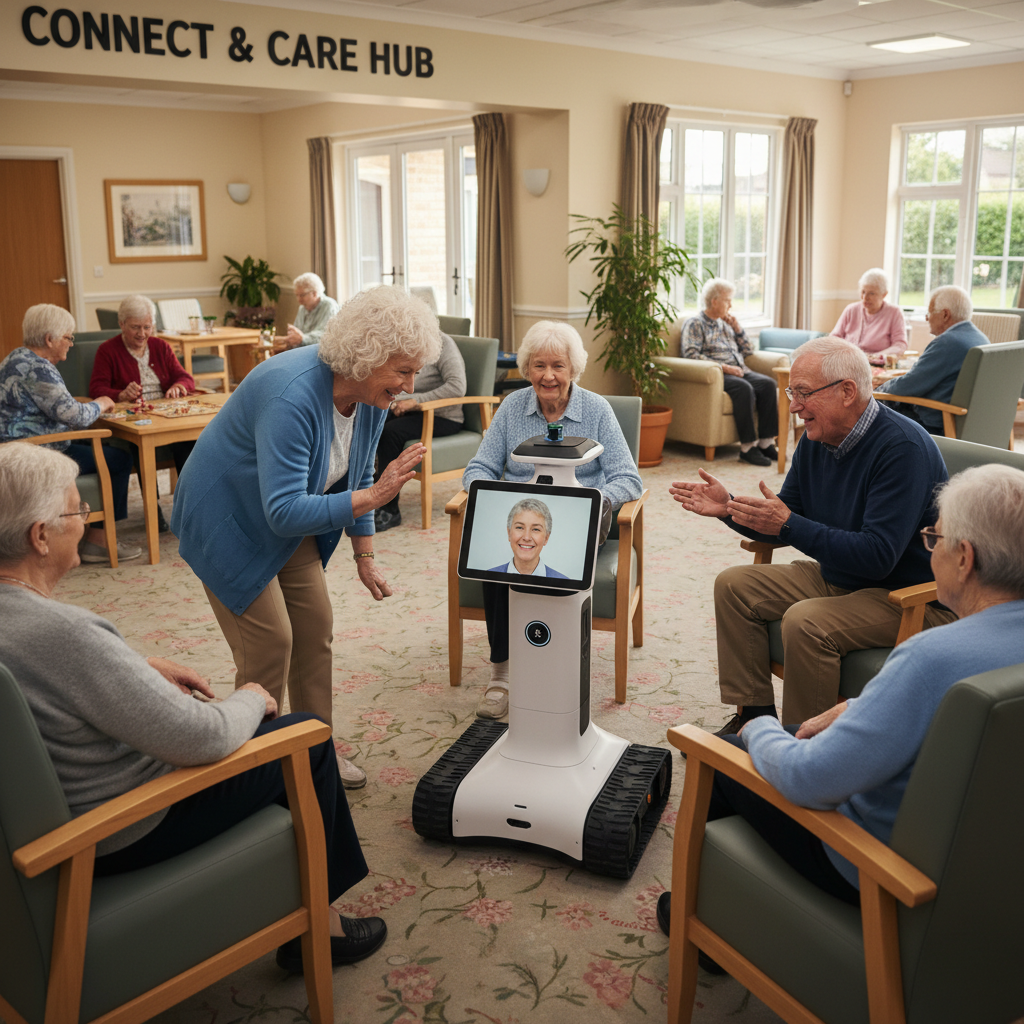
Telepresence technology addresses a different, but equally pressing, challenge: the geographical shortage of specialists in regional Victoria. As the medical robotics market moves toward a USD 4.9 billion valuation by 2034, telepresence serves as the vital link between rural clinics and urban medical hubs. These robots allow Melbourne-based specialists to perform remote consultations, participate in telesurgery, and conduct patient rounds in regional centers without the cost and time of travel. This digital proximity ensures that a patient in a remote aged care facility receives the same level of expert monitoring as one in a metropolitan hospital, effectively mitigating the shortage of skilled professionals in regional areas.
Successful execution of these use cases requires deep custom software integration to ensure robots communicate effectively with local WiFi networks and patient management systems. It is not enough to deploy the hardware; the systems must be mapped to the specific architectural and clinical workflows of the facility. Exaptec provides the necessary staff training and support to ensure that clinicians view these robots as reliable extensions of their own capability. This practical approach to robotics adoption healthcare aged care Australia 2026 ensures that technology serves the clinical mission rather than complicating it.
Overcoming the Integration Gap with Custom Software and Staff Training
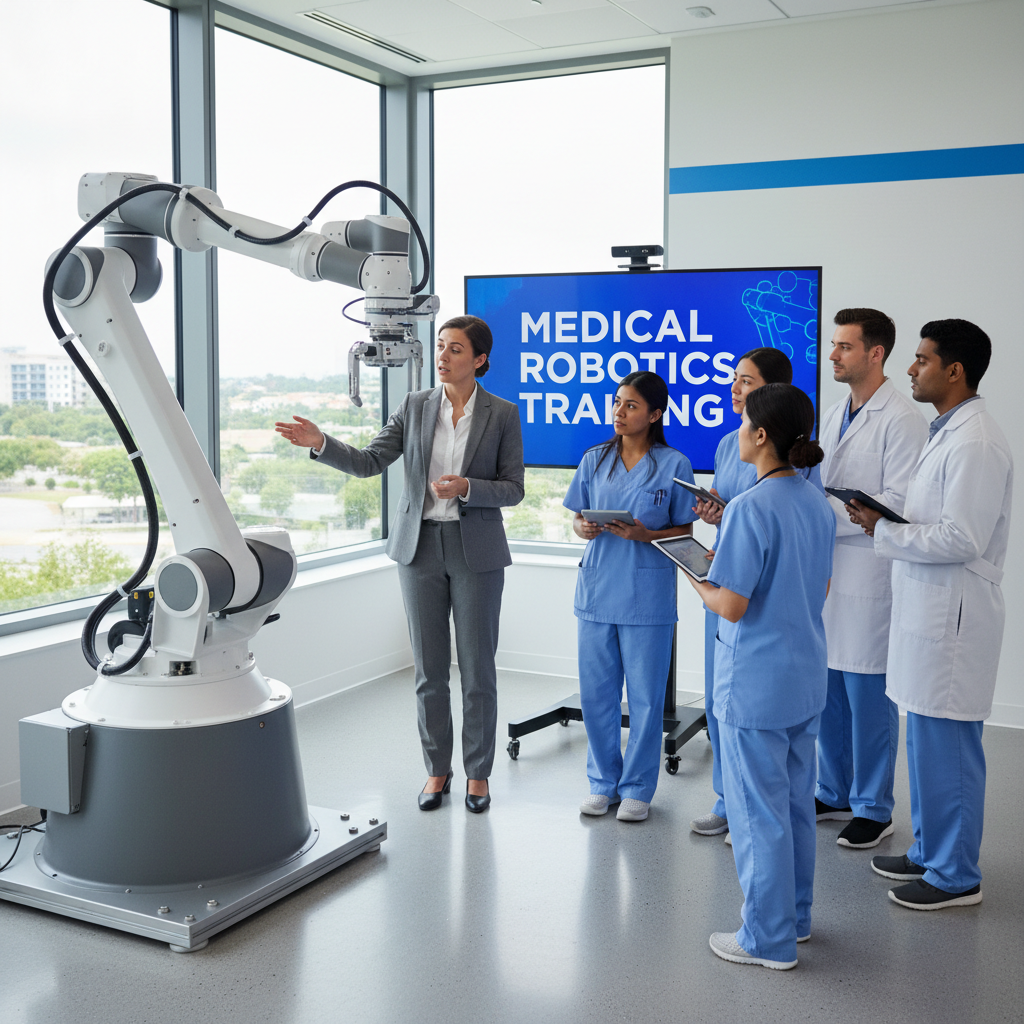
Transitioning from procurement to operational reality reveals what many industry analysts call the Integration Gap. A common pitfall in technological deployments is the assumption that acquiring hardware is the end goal. In practice, purchasing a robot accounts for only 20% of the total solution. The remaining 80% consists of custom software integration, meticulous workflow design, and human education. For robotics adoption healthcare aged care Australia 2026 to be successful, these autonomous systems must be woven into the fabric of existing clinical protocols rather than treated as isolated additions.
Effective integration involves mapping a robot’s navigation to the unique architectural constraints of a Melbourne hospital or regional aged care facility. It also requires ensuring the hardware communicates securely with local patient management systems and WiFi networks. Beyond the technical setup, the success of these programs relies heavily on staff training and support. If clinicians or support workers do not feel confident in their ability to command or troubleshoot a unit, the adoption rate will inevitably stall. By selecting appropriate systems from a robotics integration portfolio and pairing them with bespoke training modules, facilities can ensure their workforce feels empowered by automation. This focus on the final 80% of implementation is what transforms a capital expense into a functional, labor saving asset.
Navigating Regulatory Compliance and Safety Standards in Australia

The successful implementation of robotics adoption healthcare aged care Australia 2026 hinges on rigorous adherence to federal and state regulatory frameworks. In Australia, autonomous systems used for clinical or assistive purposes must meet Therapeutic Goods Administration (TGA) requirements, ensuring they are classified correctly and safe for patient interaction. Furthermore, mobile units operating in public hallways or school environments must comply with Australian safety standards for autonomous machinery, specifically those governing obstacle detection, braking distances, and emergency stop protocols.
Navigating these requirements is complex, particularly when integrating third-party hardware into sensitive environments like Melbourne hospitals or Victorian regional schools. Exaptec addresses this by providing comprehensive documentation and compliance support, ensuring that every deployment meets local VIC occupational health and safety (OHS) laws and federal AU standards. By leveraging our robotics integration portfolio, facilities receive hardware that has undergone strict validation. We manage the technical paperwork and safety audits required for custom software integration, allowing facilities to deploy automation with confidence. This end-to-end staff training and support ensures that safety protocols are not just theoretical; they are understood and followed by every operator on the floor.
Addressing the projected workforce shortfall requires a proactive approach to technology. Robotics offers a practical solution to support staff and enhance patient care as we move toward 2026. While the transition may seem complex, you do not have to navigate it alone. If you want expert help identifying the right solutions for your facility, we are ready to assist. Please feel free to learn more about our work to see how we can help you build a more sustainable healthcare future.